
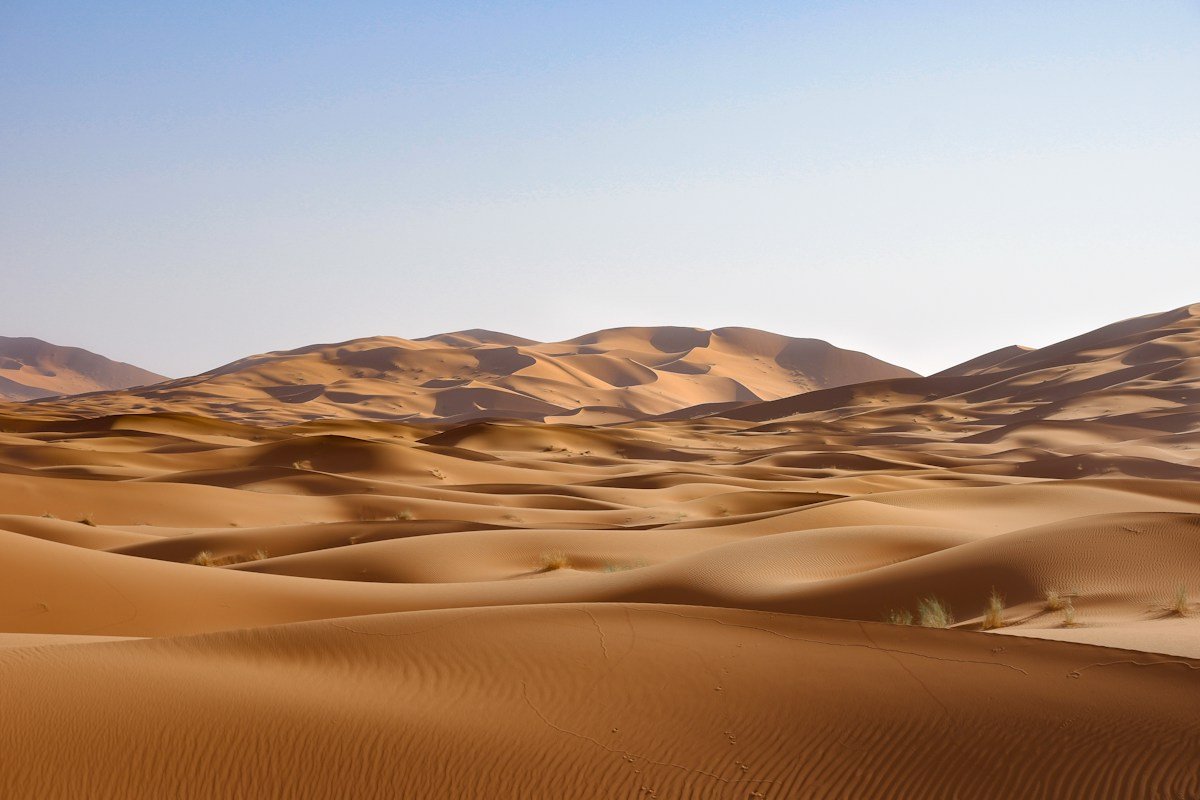

Hyper-arid desert wilderness environments represent the most physically punishing and physiologically unforgiving terrestrial landscapes on Earth. Defined by extreme ambient temperatures frequently exceeding forty-five degrees Celsius, daytime relative humidity dipping below five percent, and solar radiation intensity capable of causing third-degree thermal injuries, desert ecosystems leave zero margin for human operational error. In vast arid regions (such as the Sahara, the Atacama, the Arabian Rub’ al Khali, and the Sonoran Desert), a standard adult human body unshielded by technology can cross from normal physiological comfort into fatal heat stroke and irreversible hypovolemic circulatory shock within six hours of vehicle failure or water exhaustion.
Desert wilderness survival is governed by the unbending physical laws of biophysical thermodynamics and renal physiology. Rather than relying on romanticized cinematic survival tropes (such as digging for water in dry sand or marching through midday heat), authentic survival demands an austere, disciplined conservation regime designed to minimize cutaneous transpiration, preserve cellular electrolyte balance, and manipulate environmental microclimates. Every metabolic action, from the cadence of respiration to the physical posture assumed during peak heat hours, directly dictates the survival horizon of an stranded explorer.
Executing successful survival protocols in extreme desert terrain requires an exhaustive scientific comprehension of human thermoregulation, sweat gland secretion kinetics, solar radiation shielding physics, and emergency bivouac engineering. Wilderness expedition leaders, geological field researchers, and remote overland travelers must possess the physiological literacy required to recognize early heat exhaustion, manage finite potable water rations with mathematical precision, construct subsurface solar stills, and maintain cognitive composure under acute sensory delirium. This technical survival manual delivers an authoritative, evidence-based operational guide for surviving catastrophic emergencies in the world’s most hyper-arid desert wildernesses.
Furthermore, understanding desert survival fundamentally transforms the psychology of the wilderness explorer. By viewing the desert not as an actively hostile entity seeking human destruction, but as an indifferent physical arena governed by predictable thermal gradients, solar geometry, and hydrological principles, the trained survivor replaces blind panic with calculated tactical calm, methodically orchestrating survival actions to outlast environmental hazards until extraction or self-rescue is achieved.
Furthermore, field survivability is profoundly enhanced through the disciplined maintenance of cutaneous barrier integrity. Dry desert air and fine abrasive quartz sand rapidly strip natural lipid sebum from human skin, producing deep, bleeding fissures and chapped lips that become painful secondary infection sites. Stranded explorers must minimize skin exposure, apply non-toxic mineral or vehicle lubricants to exposed facial margins, and breathe strictly through nasal passages or cloth bandanas to filter airborne dust while humidifying inhaled air within the nasopharynx.
Observing desert fauna also reveals critical environmental sheltering principles. Small desert mammals (such as kangaroo rats and kit foxes) avoid daytime surface heat entirely by dwelling in deep subterranean burrows where temperatures remain twenty degrees cooler than surface sand. Emulating this fossorial biological strategy through deep trench construction represents the ultimate physiological adaptation for human survival in hyper-arid wilderness.
Thermodynamics of Human Heat Exchange: Radiation, Convection, and Evaporation
The human body maintains internal core cellular homeostasis within an extremely narrow temperature window centered at thirty-seven degrees Celsius. If internal core temperature drifts above forty degrees Celsius, cellular proteins initiate thermal denaturation, mitochondrial membranes collapse, the blood-brain barrier degrades, and systemic multi-organ failure ensues. Maintaining core stability in an environment where ambient air temperature exceeds core body temperature requires the continuous dissipation of heat through physical thermodynamics.
Heat exchange between the human body and the desert environment operates across four primary physical pathways: radiation, conduction, convection, and evaporation. In temperate environments, the body sheds excess metabolic heat via radiation and convection into surrounding cooler air. In hot desert conditions where ambient air exceeds thirty-seven degrees Celsius and the desert ground surface reaches sixty-five to seventy degrees Celsius, convective and radiant heat transfers reverse: the environment transfers immense heat loads into the human body, turning evaporation into the sole remaining physical mechanism capable of preventing lethal core hyperthermia.
Evaporative cooling relies on the latent heat of vaporization of water. For every milliliter of sweat evaporated from the skin surface, approximately 2.43 kilojoules (0.58 kilocalories) of thermal energy is absorbed and removed from the body. Under peak desert heat and heavy physical exertion, human eccrine sweat glands can secrete up to two to three liters of sweat per hour. However, this cooling mechanism is effective only if sweat evaporates completely from the skin; sweat that drips passively off the body represents wasted, non-cooling fluid loss that rapidly accelerates lethal dehydration.
Solar radiation management is equally critical. Direct shortwave solar beams, diffuse atmospheric scattered light, and albedo reflection from light-colored desert sands bombard the body with up to 1,000 watts of radiant energy per square meter. Clothing acts as a reflective radiation shield: wearing loose-fitting, tightly woven garments creates a microclimatic boundary layer that reflects incoming solar rays while trapping an insulating layer of air next to the skin, drastically reducing radiant heat absorption compared to exposed bare skin.
Hydration Physiology, Fluid Depletion Curves, and Renal Osmoregulation
Water constitutes approximately sixty percent of total adult human body mass, distributed between intracellular fluid within cells (two-thirds) and extracellular fluid in blood plasma and interstitial spaces (one-third). As water is continuously lost through sweat secretion, respiratory exhalation, and minimal urinary excretion, the extracellular fluid volume contracts, causing blood plasma volume to drop and blood osmolarity to rise.
The hypothalamus detects this plasma hyper-osmolarity through specialized osmoreceptor neurons, triggering the posterior pituitary gland to release arginine vasopressin (AVP), also known as antidiuretic hormone (ADH). Vasopressin acts directly upon the collecting ducts of the renal kidneys, stimulating the insertion of aquaporin-2 water channels that reabsorb ninety-nine percent of filtered water back into the bloodstream, producing dark, highly concentrated urine. Simultaneously, the renin-angiotensin-aldosterone system (RAAS) stimulates renal sodium retention to preserve circulatory volume.
Despite maximum renal conservation, fluid losses in hyper-arid heat inevitably overwhelm the body if water is not replenished. Fluid depletion follows a predictable physiological curve: a water loss equal to two percent of body weight triggers acute thirst and mild cognitive fatigue; at five percent loss, headache, irritability, motor clumsiness, and twenty percent reductions in physical work capacity manifest; at eight percent loss, saliva secretion halts, swallowing becomes difficult, skin loses turgor elasticity, and speech becomes slurred.
When dehydration reaches ten to twelve percent of body weight, severe circulatory collapse initiates. Blood volume drops to the point where cardiac stroke volume fails, pulse rate skyrockets to 160 beats per minute, peripheral capillaries constrict violently to preserve blood flow to the brain, and the sweat glands shut down completely to conserve remaining blood volume. The cessation of sweating causes internal core temperature to spike uncontrollably, culminating in heat stroke, violent delirium, coma, and cardiac arrest within hours.
The Hydration Rationing Myth: Sip Management vs Metabolic Storage
One of the most dangerous and persistent myths in wilderness survival lore is the concept of “water rationing,” where stranded individuals restrict their fluid intake to a few thimblefuls per day, hoarding water in canteens while their bodies dehydrate. Tragically, search and rescue personnel across the world routinely discover the deceased bodies of stranded desert travelers with full canteens of water still strapped to their packs.
Human physiology cannot be trained to function on sub-clinical water rations. When water is withheld from a dehydrating individual in desert heat, internal blood volume continues shrinking, cognitive decision-making degrades, and core temperature rises. Storing water in a plastic canteen rather than inside one’s bloodstream does not extend survival time; it merely guarantees that the individual dies of heat stroke with water remaining in their pack.
The physiologically correct protocol is to drink water when thirsty to preserve blood volume and maintain cellular hydration, while simultaneously taking absolute measures to minimize water loss. The human vascular system is the safest, most effective reservoir for water storage. Keeping blood plasma hydrated maintains continuous sweating, which protects brain cells from thermal damage and preserves the sharp cognitive judgment required to execute survival tasks.
Water consumption must be balanced with electrolyte retention. Sweat contains significant concentrations of sodium, chloride, and potassium ions. Drinking massive volumes of pure distilled or low-mineral water without replacing electrolytes can induce exercise-associated hyponatremia (water intoxication), causing cellular swelling in the brain, seizures, and respiratory arrest. In survival situations, dissolving pinch-rations of table salt or chewing mineral tablets into drinking water maintains serum sodium equilibrium.
Thermal Sheltering Physics: Subsurface Trenching and Solar Radiation Deflection
When stranded in desert wilderness, escaping direct solar radiation and conductive ground heat is the single most urgent survival priority. At midday, bare desert sand temperatures can reach seventy degrees Celsius, acting as a massive radiant frying pan that transfers conductive heat directly into the soles of footwear or any part of the body contacting the ground.
The optimal desert emergency shelter is the subterranean desert trench. By excavating an east-to-west oriented trench measuring two meters long, one meter wide, and forty to fifty centimeters deep, the survivor accesses cooler subterranean soil layers. The thermal inertia of the earth creates a significant temperature gradient: at a depth of fifty centimeters beneath the desert surface, soil temperatures remain ten to fifteen degrees Celsius cooler than the searing surface sand.
Shelter roofing must be constructed utilizing double-layer thermal reflection. The survivor suspends a tarp, emergency space blanket, or vehicle poncho across the top of the trench, securing the edges with excavated sand mounds. Crucially, a second layer of fabric or space blanket is suspended ten to fifteen centimeters above the first layer, creating an open air gap between the two sheets. Incoming solar radiation is absorbed and reflected by the top sheet; thermal convective air currents flow freely through the open air gap, venting the heat horizontally before it can conduct into the lower sheet and radiate down into the trench.
The bottom of the trench must be lined with insulating materials (such as dry brush, a backpack, or sleeping pad) to prevent conductive heat transfer from the body into the ground during cold desert nights, and to prevent daytime ground heat absorption. Resting horizontally inside this double-roofed subterranean trench reduces the human body’s radiant heat load by seventy percent, dropping hourly sweat loss from two liters per hour down to less than four hundred milliliters, effectively tripling the survivor’s hydration timeline.
Nocturnal Movement Strategy: Circadian Inversion and Energy Conservation
Attempting physical movement or self-rescue walking during daytime desert hours is a suicidal tactical blunder. At midday, walking across loose sand with a light pack elevates metabolic heat production to 400 to 600 watts, requiring the evaporation of 1.5 to 2.5 liters of sweat per hour just to prevent fatal heat stroke. Walking six hours under midday sun consumes nine to fifteen liters of water, exhausting human reserves within a single afternoon.
Desert survival requires strict circadian inversion: total physical stillness during the daylight furnace hours, coupled with calculated tactical movement exclusively during the cool nocturnal window between dusk and dawn. The moment the sun sets, ambient desert temperatures drop dramatically, often falling by twenty to twenty-five degrees Celsius within two hours due to the absence of insulating cloud cover and the high radiative emissivity of desert sand.
Walking at night at an ambient temperature of twenty degrees Celsius reduces metabolic sweat loss to less than three hundred milliliters per hour. A survivor carrying four liters of water can march fifteen to twenty kilometers across desert terrain at night with minimal physiological strain, whereas the same distance attempted during the day would induce lethal heat exhaustion within four kilometers.
Nocturnal travel introduces specific operational hazards that must be managed: venomous nocturnal pit vipers (rattlesnakes, horned vipers) and scorpions actively hunt at night, requiring navigators to utilize focused red-beam headlamps and scan foot placement constantly. Furthermore, walking across pathless desert dunes in darkness causes severe spatial disorientation; navigators must follow celestial stellar bearings (marching toward prominent stars on the horizon) or maintain rigid magnetic compass azimuths to prevent walking in disoriented circles.
Hydrological Sourcing: Vegetation Indicators, Washes, and Subterranean Seeps
Locating natural water sources in arid wilderness requires acute ecological observation and landscape reading. While surface water is absent across ninety-nine percent of desert terrain, subterranean water exists along specific geological fault lines, alluvial fan bases, and dry river wash (wadi) bends.
Vegetation provides the most reliable indicator of subterranean water tables. Deep-rooting phreatophyte plants, particularly cottonwoods (Populus fremontii), willows (Salix spp.), and desert fan palms (Washingtonia filifera), require continuous contact with groundwater aquifers. Spotting a cluster of vibrant green cottonwood trees against barren desert canyon walls indicates that fresh water lies within two to three meters of the surface. Conversely, shallow-rooted cacti and creosote bushes survive exclusively on atmospheric humidity and sporadic rainfall, indicating zero accessible groundwater.
Dry desert washes and braided river channels concentrate subterranean moisture. When inspecting a dry wash, survivors locate the outside curve of sharp river bends, where historic flash floods excavated the deepest bedrock pools. Digging into the lowest gravel depression on the outside of a bend frequently strikes damp sand within fifty to eighty centimeters. Once damp sand is reached, the survivor excavates a hole thirty centimeters deeper and waits: water will slowly seep through the gravel into the excavation, creating a small pool that can be dipped with a cup or sucked through a plastic tube.
Avian wildlife behavior provides additional hydrological cues. Flocks of grain-eating birds (such as mourning doves, sandgrouse, and finches) fly directly toward water sources in early morning and late evening twilight. Following their low, straight flight paths at dusk frequently leads straight to hidden rock tinajas (natural granite potholes that store rainwater for months following desert storms).
Emergency Solar Still Engineering and Moisture Condensation Traps
When natural groundwater is inaccessible, constructing emergency solar condensation stills allows survivors to extract potable water from damp soil, non-toxic desert succulent vegetation, or brackish saline pools using solar distillation physics.
Constructing a functional below-ground solar still requires a clear, non-toxic polyethylene plastic sheet (two meters by two meters), a clean collection container, and a long flexible plastic drinking tube. The survivor excavates a circular pit in an unshaded area, measuring approximately one meter in diameter and fifty centimeters deep, with sides sloping downward toward a central point. A collection cup is placed at the exact bottom center of the pit, with the flexible drinking tube running from the base of the cup up out of the pit to allow drinking without disturbing the still.
Damp soil, crushed cactus pads (prickly pear), or salty brackish water is arranged around the sloping sides of the pit, keeping the collection cup clean. The plastic sheet is stretched across the top of the pit and secured around the edges with heavy sand and stones to form an airtight seal. A smooth fist-sized stone is placed in the center of the plastic sheet directly above the collection cup, depressing the plastic into an inverted cone with a forty-five-degree angle.
Solar radiation penetrates the transparent plastic, heating the soil and vegetation inside the sealed pit to temperatures exceeding sixty degrees Celsius. Water evaporates from the substrate, saturating the interior air. When the hot water vapor contacts the cooler underside of the plastic sheet, it condenses into liquid droplets. Gravity pulls the condensed water droplets down the forty-five-degree slope of the plastic cone until they drop directly off the weighted center point into the collection cup. Under intense desert sun, a properly constructed solar still produces between 0.5 and 1.5 liters of pristine distilled water per day.
Clinical Management of Heat Illnesses: Exhaustion vs Exertional Heat Stroke
Wilderness travelers must possess the clinical diagnostic fluency required to distinguish between heat exhaustion and life-threatening exertional heat stroke. Confusing these two clinical stages can result in catastrophic medical delays that lead directly to irreversible neurological destruction or death.
Heat exhaustion is a state of cardiovascular strain and hypovolemia caused by excessive fluid and salt loss. Symptoms include heavy profuse sweating, pale cold clammy skin, rapid weak pulse, dizziness, nausea, muscle cramps, and normal or slightly elevated core body temperature (under forty degrees Celsius). Crucially, the patient’s neurological mental status remains intact: they are conscious, rational, and oriented to person, place, and time. Treatment requires moving the patient to shaded shelter, elevating legs to restore venous blood return to the heart, loosening restrictive clothing, and administering small sips of cool electrolyte water.
Exertional heat stroke (EHS) represents an acute medical emergency characterized by complete failure of the body’s thermoregulatory center. EHS is defined by two hallmark clinical criteria: an internal core body temperature exceeding forty degrees Celsius (104 degrees Fahrenheit), accompanied by severe central nervous system (CNS) dysfunction. CNS dysfunction manifests as combative delirium, profound confusion, slurred speech, ataxia (inability to walk straight), seizures, or complete unconsciousness. While classic heat stroke often presents with hot, dry, non-sweating skin due to sweat gland failure, exertional heat stroke patients may still be sweating profusely from recent physical exertion.
Treatment for heat stroke requires immediate, aggressive, and continuous physical cooling: the clinical mandate is “cool first, transport second.” The patient must be stripped of all clothing and moved into deep shade. Ice packs or chemical cold packs (if available) are placed directly over major superficial arterial vascular beds (groin, armpits, and sides of the neck). Water is poured continuously over the patient’s body while companions fan the skin aggressively with clothing to maximize convective evaporative heat dissipation, continuing until core temperature drops below thirty-eight degrees Celsius.
Flash Flood Hydrology and Dry Wash (Wadi) Bivouac Hazard Mitigation
A lethal paradox of desert survival is the extreme risk of drowning. Dry desert river washes, arroyos, and wadis appear as flat, smooth, and sheltered avenues that tempt exhausted survivors to seek overnight bivouac sites. However, arid soil chemistry creates a baked hydrophobic crust (desert pavement) that possesses near-zero immediate water infiltration capacity. When convective thunderstorm cells drop torrential downpours over mountainous terrain dozens of kilometers upstream, ninety percent of the rainfall runs off instantaneously as sheet flow.
These immense runoff volumes concentrate into dry canyon channels as catastrophic flash floods, advancing down wadis as vertical walls of water two to five meters high traveling at highway speeds. A flash flood carries thousands of tons of boulders, uprooted trees, and liquid mud capable of pulverizing vehicles and sweeping sleeping survivors away without warning, often under completely clear, starry skies at the bivouac site. Survivors must never camp or rest in dry wash bottoms; bivouac shelters must be established on elevated rocky terraces at least ten to fifteen meters above the high-water debris line of any canyon floor.
Furthermore, recognizing impending flash flood indicators can provide life-saving seconds of warning. A sudden deep, rumbling sound resembling an approaching freight train or low-flying jet aircraft, an abrupt gust of cool, damp wind surging down a dry canyon, or an unusual muddy odor indicates that an upstream flash flood front is seconds away, requiring immediate, frantic vertical evacuation up canyon walls to high ground.
Venomous Reptile and Arthropod Envenomation Field Management
Desert wilderness ecosystems harbor diverse populations of venomous pit vipers, elapids, and arachnids that have evolved complex neurotoxic and hemotoxic venoms. In North American deserts, western diamondback rattlesnakes (Crotalus atrox) and Mojave rattlesnakes (Crotalus scutulatus) represent major medical hazards, while Old World deserts host horned vipers (Cerastes cerastes) and deathstalker scorpions (Leiurus quinquestriatus).
Managing envenomation risk begins with strict behavioral discipline: survivors never place hands or feet into blind rock crevices, always shake out boots and clothing before donning them, and carry a walking stick to tap the ground ahead during nocturnal marches. Most pit vipers strike defensively only when stepped on or cornered; their thermal pit organs detect infrared heat radiation, meaning that bare human legs in darkness appear as illuminated targets.
If envenomation occurs, historical field remedies (such as cutting the wound with razors, applying suction devices, using tourniquets, or applying ice packs) must be completely avoided; modern clinical toxicology proves these obsolete methods accelerate tissue necrosis and increase mortality. The definitive field protocol requires keeping the patient calm and physically immobilized to slow lymphatic venom dissemination, removing constrictive rings and watches ahead of progressive swelling, splinting the bitten extremity in a neutral functional position at heart level, and coordinating immediate emergency air evacuation to a trauma center for antivenom administration.
Signaling and Search-and-Rescue Extraction Coordination
In vast desert wilderness landscapes measuring thousands of square kilometers, search and rescue aircraft and ground tracking teams cannot spot an individual human figure resting beneath a low brush shelter. Successful rescue requires constructing high-visibility active and passive visual signaling arrays that contrast starkly with natural desert topography.
Signal mirrors (heliographs) represent the most powerful, long-distance visual signaling tool in existence. A glass or high-reflectivity polycarbonate signal mirror equipped with a central retro-reflective aiming grid can cast a blinding flash of reflected sunlight visible to search aircraft and ground observers over sixty kilometers away. Sighting the mirror through the aiming hole allows a survivor to pinpoint the blinding flash directly onto the cockpit of approaching search planes, flashing in international distress sequences of three short bursts.
Ground-to-air geometric signaling creates permanent passive beacons visible from high altitudes. Desert topography is characterized by chaotic, organic lines; straight lines and sharp ninety-degree angles do not occur naturally. Survivors construct massive ground signals using dark desert varnish stones laid out across pale caliche flats, or by stomping giant letters into flat dry lake beds (playas). International aviation distress symbols must measure at least three to four meters in length and one meter wide: the letter “V” indicates “Require Assistance,” while “X” signifies “Require Medical Assistance.”
Smoke signaling requires preparing three distinct fire pits arranged in an equilateral triangle spaced thirty meters apart (the international distress signal). Pits are loaded with dry kindling for instant ignition, covered with dense green desert brush, creosote foliage, or rubber vehicle tires. When search aircraft are heard, the dry base is ignited; as fire reaches the green foliage and petroleum rubber, it produces thick, billowing columns of dense black and white smoke that rise thousands of meters into the clear desert sky, guiding search crews directly to the survival bivouac.
Vehicle Breakdown Contingency and Bivouac Positioning Tactics
The vast majority of fatal desert survival emergencies originate from vehicle breakdowns or off-road stranding. A catastrophic mistake frequently made by inexperienced travelers is abandoning their disabled vehicle to walk toward distant civilization. In ninety-five percent of desert survival scenarios, abandoning a vehicle represents an fatal tactical error.
A disabled vehicle represents an extraordinary survival station: it provides thousands of pounds of steel, glass, and wiring that can be utilized to sustain life. A vehicle provides high-visibility visual contrast that search aircraft can spot from ten thousand feet; it contains hundreds of liters of non-potable radiator fluid that can be distilled through solar stills, dozens of feet of wiring for shelter rigging, vehicle mirrors for signaling, and headlights that can be flashed at night across dozens of miles. Most importantly, leaving the vehicle forces the survivor into lethal daytime walking, whereas staying with the vehicle preserves vital hydration.
However, resting inside a closed vehicle during midday sun is extremely hazardous. Solar greenhouse heat gain turns car interiors into ovens exceeding sixty degrees Celsius within twenty minutes. Survivors should rest outside the vehicle in the shadow cast by the car body, constructing a shade lean-to by securing a tarp from the vehicle roof rack down to the ground on the shaded side, with an elevated sleeping platform raised thirty centimeters off the hot desert sand.
To assist wilderness expedition leaders, military search-and-rescue teams, and remote overland explorers in evaluating desert survival methodologies, wilderness medicine specialists utilize comprehensive comparative matrices. Analyzing operational parameters across hydration strategies, thermal sheltering designs, and movement timing protocols provides survivors with an objective decision-making framework.
The following comparative diagnostic matrix illustrates the physiological, thermal, and operational trade-offs governing desert wilderness survival practices.
Comparative Diagnostic Matrix of Desert Wilderness Survival Protocols
| Survival Parameter | High-Risk Untrained Instinct | Standard Wilderness Practice | Clinical Arid Survival Protocol |
|---|---|---|---|
| Water Intake Protocol | Extreme rationing (hoarding in bottle) | Drinking fixed volumes on schedule | Drink to thirst to preserve blood volume |
| Daytime Thermal Posture | Sitting on bare ground in sun | Resting inside closed vehicle | Horizontal in double-roofed sub-trench |
| Self-Rescue Movement Window | Midday walking (lethal heat strain) | Early morning and late evening | Strictly nocturnal (dusk until dawn) |
| Clothing Configuration | Stripping clothing (severe sunburn) | Light t-shirt and shorts | Loose, long-sleeve reflective weave |
| Hourly Sweat Loss Rate | 1,500 to 2,500 ml/hour (rapid collapse) | 800 to 1,200 ml/hour | 250 to 400 ml/hour (tripled timeline) |
| Ground-to-Air Signaling | Waving arms at distant aircraft | Small single smoky campfire | Glass heliograph & 3-fire triangle |
| Vehicle Emergency Disposition | Abandon vehicle immediately to walk | Remain inside vehicle until water ends | Stay with vehicle; shade bivouac beside |
| Expected Survival Horizon | Under 18 to 24 hours in summer heat | 36 to 48 hours | 72 to 120+ hours (until extraction) |
Authoritative environmental medicine research published by the World Health Organization Heat Health Guidelines and tactical doctrine from the US Army Research Institute of Environmental Medicine Biophysics Division definitively confirm that behavioral microclimate manipulation represents the primary determinant of survival in extreme thermal environments. Academic research published by the Wilderness Medical Society Clinical Practice Guidelines establishes diagnostic standards for heat illness management. Furthermore, renal osmoregulation kinetics indexed in the Journal of Thermal Biology and human sweat gland fluid loss models in Nature Scientific Reports Physiology provide empirical validation for fluid balance protocols. These institutional findings provide the rigorous scientific basis required to answer critical survival questions across remote arid expeditions.
Frequently Asked Questions About Desert Wilderness Survival
Why is water rationing fatal in extreme desert survival scenarios?
Water rationing is fatal because human physiology cannot adapt to sub-clinical water volumes in extreme heat. Restricting water intake while sweating heavily causes blood plasma volume to shrink, elevating internal core temperature and causing cognitive delirium and heat stroke with water still remaining in the container. Water must be consumed to maintain blood volume, while physical actions are taken to minimize sweat loss.
How does a subterranean desert trench reduce sweat loss?
A subterranean trench excavated forty to fifty centimeters deep accesses soil layers that are ten to fifteen degrees Celsius cooler than the searing surface sand. When covered with a double-layered shade roof separated by an open convective air gap, the trench shields the body from direct solar radiation and ground conduction, reducing hourly sweat loss by seventy percent.
Why should stranded desert travelers almost never abandon their vehicles?
A vehicle provides thousands of pounds of survival resources: reflective surfaces, mirrors for signaling, wiring, batteries for radio beacons, and massive visual contrast that search aircraft can spot from miles away. Abandoning a vehicle exposes travelers to lethal daytime heat, exhausting water reserves within hours, whereas remaining with the vehicle extends survival horizons for days.
What is the clinical difference between heat exhaustion and exertional heat stroke?
Heat exhaustion presents with heavy sweating, pale clammy skin, dizziness, and intact cognitive mental status with core temperature below forty degrees Celsius. Heat stroke is a medical emergency presenting with internal core temperature exceeding forty degrees Celsius, accompanied by severe central nervous system dysfunction (delirium, slurred speech, confusion, seizures, or coma), requiring immediate, aggressive full-body water cooling.
How does a below-ground solar still produce potable water from dry sand?
A solar still utilizes a clear plastic sheet sealed over a one-meter pit with a weighted stone in the center forming an inverted cone over a cup. Solar radiation heats the soil to sixty degrees Celsius, evaporating moisture from damp sand or crushed vegetation; the vapor condenses on the underside of the cooler plastic, running down the cone into the collection container.
Why is nighttime travel dramatically safer than daytime desert walking?
Nighttime travel occurs when ambient temperatures drop by twenty to twenty-five degrees Celsius and solar radiation is zero. Walking at night reduces metabolic sweat loss from 2,000 ml per hour down to under 300 ml per hour, allowing a traveler to cover fifteen to twenty kilometers on four liters of water compared to less than four kilometers during the day.
What vegetation species indicate accessible subterranean desert groundwater?
Phreatophyte tree species with deep taproots, such as cottonwoods (Populus fremontii), willows (Salix spp.), and desert fan palms (Washingtonia filifera), indicate accessible groundwater tables within two to three meters of the surface, whereas shallow-rooted cacti and creosote bushes do not indicate groundwater.
How far can a glass signal heliograph mirror be seen by rescue aircraft?
A glass or high-reflectivity polycarbonate signal mirror equipped with an aiming retro-reflective grid casts a blinding flash of reflected sunlight visible to search aircraft and observers over sixty kilometers away under clear desert atmospheric conditions, making it the most powerful manual distress signal available.
Why is drinking sea water or urine strictly prohibited in desert survival?
Sea water and concentrated urine possess higher osmolarity and mineral salt concentrations than the maximum concentrating capacity of human kidneys. Drinking high-salinity fluids forces the kidneys to extract pure water from blood plasma to excrete the excess salts, drastically accelerating cellular dehydration, renal failure, and death.
Furthermore, psychological management under extreme desert isolation demands rigorous emotional regulation. Dehydration and thermal heat strain trigger neurochemical imbalances that induce acute panic, auditory hallucinations, and fatal impulsive wandering. The trained survivor institutes deliberate cognitive anchoring routines, focusing exclusively on immediate physical micro-tasks—measuring shadow lengths, checking solar still condensation, and regulating breathing cadence—to maintain analytical executive brain function throughout the survival ordeal.
Ultimately, desert survival is an extraordinary testament to human intellectual adaptability. When wilderness travelers respect the immutable thermodynamic boundaries of arid landscapes, abandon dangerous survival mythology, and deploy calculated sheltering and nocturnal movement protocols, the desert transforms from a deadly trap into an epic theater of human resilience and triumphant survival.
Survival Synthesis and the Physiology of Arid Wilderness Mastery
Desert wilderness survival is not an heroic test of raw physical endurance; it is an intellectual discipline governed by biological thermodynamics, physical sheltering engineering, and strict behavioral emotional control. By shedding false survival mythology, understanding the delicate fluid balance of the human kidneys, constructing double-roofed subterranean bivouacs, and synchronizing all movement with the cool nocturnal hours, the wilderness traveler transforms an unforgiving environment into a survivable landscape. In the ultimate crucible of the desert furnace, knowledge, discipline, and scientific preparation remain the definitive guarantors of human life.