
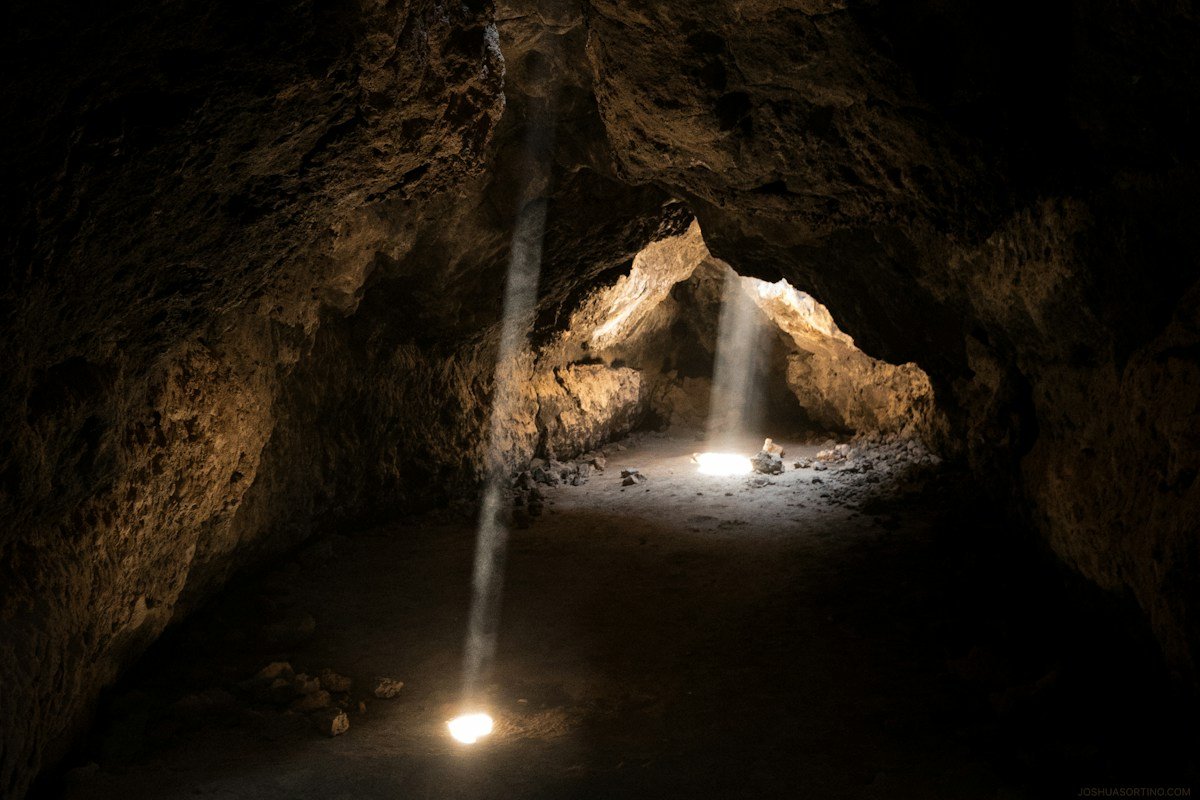

Speleology and deep cave exploration represent the most technically demanding and hazardous frontiers of terrestrial exploration. Unlike surface mountaineering or desert trekking where celestial bodies, atmospheric horizons, and satellite signals provide continuous spatial reference, subterranean environments immerse explorers in total absolute darkness, complex three-dimensional void networks, and unforgiving environmental hazards. In deep vertical cave systems, including complex karst limestone labyrinths, alpine ice caves, and volcanic basalt lava tubes, a single equipment failure, a misread rigging anchor, or an undetected pocket of toxic gas can instantly trap an expedition hundreds of meters beneath the surface, where search-and-rescue operations require days of grueling underground extraction.
Cave exploration safety operates as an integrated discipline uniting single rope technique mechanical physics, structural geological surveying, atmospheric gas chemistry, and hypothermia mitigation kinetics. Deep caves maintain perpetual near-freezing temperatures, one hundred percent relative humidity, and active subterranean hydrology. Water dripping or cascading through vertical shafts accelerates conductive and convective body heat loss, turning minor physical exhaustion into life-threatening hypothermia within hours if thermal exposure suits and calorie budgets are mismanaged. Furthermore, subterranean systems are isolated from modern communication grids, meaning emergency responses must rely on robust self-sufficiency, redundant safety gear, and disciplined team coordination.
Executing safe, scientifically productive subterranean expeditions requires rigorous adherence to standardized caving protocols, multi-gas atmospheric monitoring, cartographic surveying methods, and redundant lighting engineering. Cave surveyors and expedition speleologists must understand the mechanics of rockfall dynamics, karst hydrology flood pulses, subterranean navigation without magnetic compass reliability, and vertical rope rigging friction physics. This technical manual provides an exhaustive, authoritative blueprint for planning, navigating, and executing deep cave exploration expeditions with uncompromising safety standards.
Furthermore, subterranean exploration demands an extraordinary psychological transition. In the lightless depths of the earth, human sensory perception contracts entirely to the beam of a headlamp. Navigators must cultivate unshakeable cognitive discipline, emotional calm, and acute spatial memory, transforming disorienting limestone labyrinths into rigorously surveyed cartographic records that advance planetary geological science while preserving the fragile, pristine ecology of subterranean ecosystems.
Single Rope Technique (SRT) Mechanics and Vertical Rigging Physics
Modern vertical caving relies almost exclusively on Single Rope Technique, a mechanical system that allows a speleologist to ascend and descend vertical shafts on a single static kernmantle rope. Unlike rock climbing, which utilizes dynamic ropes designed to stretch and absorb the kinetic energy of a falling leader, caving demands low-stretch static ropes (typically 9.0 to 10.5 millimeters in diameter) engineered from polyamide or polyester fibers. Static ropes exhibit elongation under three to four percent under standard body weight, preventing the violent bouncing and abrasive sheath sawing that occurs when ascending dynamic ropes across sharp limestone edges.
Vertical ascension utilizes the classic frog climbing system, an exceptionally efficient climbing geometry that engages the large quadriceps muscles of both legs simultaneously. The frog rig incorporates a chest harness supporting a ventral croll ascender mounted close to the center of gravity, paired with an upper-handled ascender connected via a dynamic cowstail to the speleologist’s seat harness and downward to a footloop stirrup. As the caver stands in the footloop, the chest croll slides upward along the static rope, automatically locking off with a spring-loaded serrated cam; when the caver sits back into the harness, the croll supports their weight while the footloop is advanced, generating a rapid, rhythmic vertical ascent.
Descent mechanics rely on specialized friction descenders engineered to dissipate gravitational potential energy as thermal friction without introducing dangerous rope twist. Bobbin-style descenders (such as the Petzl Stop) and heavy aluminum brake-bar racks (such as BMS racks) are industry standards. Brake racks utilize five to six tubular aluminum or stainless steel bars slotted onto a U-frame; by sliding the bars closer together or spreading them apart, the caver can alter friction resistance with sub-millimeter precision, permitting smooth, controlled descents down vertical pitches exceeding one hundred meters without heating the rope to fiber-melting thresholds.
Rigging physics mandates that ropes must hang completely free of the rock wall. If a loaded static rope contacts a sharp limestone ledge during ascending or descending movements, micro-friction rapidly saws through the protective sheath, severing the structural core fibers within dozens of cycles. Cave riggers install permanent re-belays (intermediate anchors that redirect the rope line away from ledges) and directional deviations (carabiners clipping the rope to a wall point without supporting full body weight) to ensure the rope hangs in free space, completely isolated from abrasive contact. Advanced rigging also incorporates rope protectors manufactured from heavy industrial PVC or Kevlar sleeves over natural rock horns where re-belays are impossible to establish.
Deep Karst Anchor Engineering: Expansion Bolts, Threaded Anchors, and Load Distribution
The structural integrity of any vertical speleological descent depends directly upon the quality and mechanical placement of anchor systems. In deep limestone caves, moisture, chemical acidity from carbonic acid runoff, and porous rock formations create significant challenges for mechanical anchoring. Expedition riggers must differentiate between solid, micro-crystalline limestone bedheads and weathered, fractured calcitic flowstones that can fail catastrophically under tensile or shear loads.
Modern subterranean rigging utilizes stainless steel marine-grade 316 or titanium expansion bolts and concrete screw anchors. Self-drilling anchors (such as traditional spit anchors) have largely been phased out in major expeditions in favor of 8mm to 10mm stainless steel threaded bolts set into holes bored with compact cordless rotary hammer drills. Screw-type anchors (such as multi-monti anchors) provide tremendous holding power in dense limestone without placing continuous radial expansion stress on fragile rock walls, significantly reducing the probability of fracturing adjacent rock strata during placement.
Load distribution across anchor points adheres strictly to the principles of equalized, redundant rigging. Primary pitch heads are never rigged from a single anchor point; instead, a minimum of two independent, bombproof anchors are linked using a self-equalizing Y-hang configuration. Riggers ensure that the interior angle of the Y-hang remains under sixty degrees, as wider angles exponentially increase vector forces on each individual anchor point, compromising the structural safety margin during shock-load scenarios.
Furthermore, intermediate traverse lines are installed across exposed canyon ledges leading to pitch heads. These horizontal safety lines utilize dynamic or semi-static ropes secured at regular two-meter intervals to ensure that explorers remain continuously clipped with dynamic cowstails while approaching vertical drop-offs, eliminating any possibility of unroped falls on slippery, mud-slick limestone approaches.
Vertical Suspension Trauma and Orthostatic Shock Management
Suspension trauma, clinically termed harness hang syndrome or orthostatic intolerance, constitutes one of the most insidious medical emergencies encountered in vertical speleology. When a caver becomes immobilized or exhausted while hanging suspended in a vertical harness, the constriction of harness leg loops combined with gravitational pooling of venous blood in the lower extremities causes a precipitous drop in cardiac output and cerebral perfusion.
Within as little as ten to twenty minutes of motionless vertical suspension, venous return from the femoral veins declines dramatically, triggering pre-syncopal symptoms including dizziness, diaphoresis, tachycardia, and sudden nausea. If the caver loses consciousness while suspended vertically, the inability of the body to attain a horizontal posture results in critical cerebral ischemia, cardiac arrhythmia, and fatal brain death within minutes, even in the absence of mechanical physical trauma.
Mitigating suspension trauma requires immediate physical countermeasures and specialized equipment design. Cavers experiencing exhaustion on rope must engage their calf and thigh muscles continuously, utilizing suspension trauma relief foot loops or resting their feet on ascender stirrups to pump venous blood back into central circulation. Modern speleological seat harnesses feature wide, anatomically contoured pelvic webbing and articulated leg loops that distribute hydrostatic pressure across the ischial tuberosities rather than occluding the femoral neurovascular bundle.
In rescue situations where an unconscious caver must be extracted from rope, rescue teams must exercise caution during post-rescue positioning. Laying a prolonged suspension trauma victim completely flat immediately after cutting them free can unleash a massive surge of cold, deoxygenated, and acidotic venous blood containing toxic metabolic byproducts (such as lactic acid and free potassium) into the right atrium of the heart, precipitating fatal cardiac arrest. Rescuers place recovered cavers into a semi-seated W-posture for thirty to forty minutes to allow gradual hemodynamic equilibrium.
Subterranean Atmospheric Chemistry and Multi-Gas Monitoring Protocols
The atmosphere within deep cave systems can diverge dangerously from standard surface air composition (twenty-one percent oxygen, seventy-eight percent nitrogen, and 0.04 percent carbon dioxide). Deep in subterranean voids, biological respiration of bat colonies, microbial decomposition of organic flood debris, volcanic gas exhalation, and chemical oxidation of iron pyrite can alter atmospheric chemistry, creating silent, invisible, and lethal gas traps known historically to miners as bad air.
Carbon dioxide (CO2) is the most prevalent atmospheric hazard in limestone caves. Because carbon dioxide possesses a molecular weight of forty-four grams per mole (roughly 1.5 times heavier than ambient air), it naturally sinks, accumulating in deep pit bottoms, sump traps, and poorly ventilated blind passages. At concentrations between two and three percent, carbon dioxide stimulates the respiratory center in the brain, doubling breathing rates and causing rapid exhaustion. At five percent concentration, intense headaches, confusion, dizziness, and visual disturbances occur; at concentrations exceeding eight to ten percent, acute respiratory acidosis causes unconsciousness and fatal asphyxiation within minutes.
Simultaneously, oxygen deficiency represents an acute risk. In dead-end fissure passages where organic matter has oxidized, oxygen levels can plummet below fifteen percent (hypoxic atmosphere). Explorers entering low-oxygen zones experience impaired judgment, euphoria, and sudden loss of consciousness without experiencing the sensation of breathlessness (which is triggered primarily by hypercapnia rather than hypoxia). Cavers encountering hypoxic zones often fail to recognize their cognitive impairment, underscoring the critical necessity of automated instruments.
In volcanic lava tubes and hydrothermal fissure caves, hazardous hydrogen sulfide (H2S) and explosive methane (CH4) gases can accumulate. Hydrogen sulfide is a lethal neurotoxin that paralyzes the olfactory nerve at low concentrations; while it smells of rotten eggs at parts-per-billion levels, concentrations exceeding one hundred parts per million instantly destroy the sense of smell, giving a false impression of safety before causing acute pulmonary edema and respiratory arrest. Commercial caving expeditions mandate the continuous operation of calibrated four-gas electronic atmospheric monitors equipped with audible and vibrating alarms that trigger immediate evacuation protocols if oxygen drops below 19.5 percent or carbon dioxide exceeds 0.5 percent.
In addition to toxic and suffocating gases, deep limestone caves frequently trap elevated concentrations of radon gas (Rn-222), a radioactive decay byproduct of uranium isotopes naturally dispersed within bedrock strata. In poorly ventilated underground cave chambers, radon alpha particles accumulate to levels dozens of times higher than surface environmental action thresholds. Chronic exposure over prolonged multi-week expeditions elevates lifetime pulmonary malignancy risks, mandating thorough documentation of subterranean ventilation currents and rotational exposure limits for deep cave surveyors.
Speleological Surveying: Compass Distortion and LiDAR Volumetric Mapping
Accurately mapping deep subterranean voids requires specialized surveying instruments and mathematical compensation protocols. Unlike surface cartography where GPS and satellite imagery anchor positions, cave surveying is executed through closed-loop traverse surveying, where a series of connected survey stations are measured sequentially from the cave entrance deep into the subterranean network.
Traditional survey teams utilize optical sighting instruments, specifically oil-damped Suunto or Silva precision sighting compasses and inclinometers. Survey stations are established on prominent rock protrusions; the survey team measures the azimuth (magnetic bearing), inclination (vertical angle in degrees), and physical distance (measured using laser rangefinders) between consecutive stations. Left, right, up, and down (LRUD) wall measurements are recorded at each station to document passage dimensions.
However, subterranean magnetic compasses are acutely vulnerable to geomagnetic distortion caused by regional bedrock mineralogy. In volcanic basalt lava tubes or karst caves containing dense iron oxide (hematite, magnetite) deposits, local magnetic anomalies can deflect compass needles by ten to thirty degrees, corrupting the survey traverse. Surveyors identify magnetic anomalies by executing forward and backward reciprocal sightings between every survey station: if the forward azimuth and back-azimuth deviate from an exact 180-degree difference by more than two degrees, magnetic distortion is present, requiring the team to transition to optical gyro-theodolites or laser total stations that operate independently of geomagnetism.
Modern high-end speleology deploys terrestrial three-dimensional LiDAR scanners and handheld SLAM (Simultaneous Localization and Mapping) scanning units. These instruments emit hundreds of thousands of laser pulses per second, capturing millimeter-accurate 3D point cloud meshes of massive subterranean chambers. Fusing point cloud data with digital elevation models reveals the exact spatial relationship between underground passages and surface topography, pinpointing hidden sinkhole entrances and thin ceiling zones where breakthrough access can be excavated.
Furthermore, digital cave mapping software programs, including Compass, Survex, and Therion, apply advanced loop-closure algorithms to distribute mathematical survey errors evenly across complex multi-branch network polygons. Closed-loop surveys that re-intersect earlier traverse points allow surveyors to quantify loop closure error, achieving standard speleological survey accuracies (such as British Cave Research Association Grade 5 or 6 specifications) necessary for hydrologic modeling and mineral reserve conservation.
Karst Hydrogeology, Sump Traps, and Flash Flood Inundation
Caves are natural geological drainage channels carved by water through soluble carbonate limestone bedrock over millions of years. Consequently, karst systems remain dynamically active hydrological conduits that can undergo explosive flooding within hours of surface weather events, trapping speleologists behind flooded passages or drowning teams in constricted streamways.
A subterranean flash flood differs profoundly from surface flooding. In tight limestone fissures, water does not simply rise horizontally; it can completely fill the passage from floor to ceiling, creating what speleologists term a sump or water trap. If an expedition is exploring beyond a low passage (such as a duck-under or crawlway) when a surface storm strikes, the low passage sumps completely, cutting off the escape route and sealing the explorers in lightless air bells behind tens of meters of underwater limestone.
Flood mitigation begins with rigorous surface meteorological forecasting and hydrogeological watershed analysis. Speleologists study regional catchment basins, identifying surface sinkholes (swallets) and sinking streams that feed the underground system. A rainstorm ten kilometers away on a distant limestone plateau can channel immense hydraulic surges directly into subterranean fissures hours after the skies have cleared above the cave entrance.
Underground, teams monitor environmental indicators of impending hydraulic surges: acoustic changes (a rising subterranean roar or sudden air drafts generated by piston-action water displacement), water discoloration (crystal-clear streams turning silty brown), and foam accumulation on passage walls. Expedition protocols establish strict wet-weather cutoff points; whenever surface precipitation is forecast, teams avoid passages with active streamways, selecting elevated fossil passages (dry upper levels abandoned by ancestral water flows) for exploration and base camps.
In complex flooded conduits where sumps are permanent, exploration transitions into the extreme domain of cave diving. Cave divers utilize side-mount scuba configurations, dual independent gas manifolds, and continuous continuous dive guidelines anchored with lead weights. The physical constraint of cave diving in zero-visibility silt conditions demands specialized trimix gas blending, stage decompression modeling, and rigorous rule-of-thirds gas management protocols to prevent catastrophic out-of-gas emergencies beneath flooded bedrock ceilings.
Thermal Physiology and Hypothermia Mitigation in Saturated Environments
Subterranean thermal environments are exceptionally taxing on human physiology. Most limestone caves maintain a constant year-round temperature equal to the mean annual surface temperature of the region, which across temperate mountain regions ranges from four to twelve degrees Celsius (thirty-nine to fifty-four degrees Fahrenheit). When combined with one hundred percent relative humidity and constant dripping cold water, the effective chilling rate is extreme.
Water possesses a thermal conductivity roughly twenty-five times greater than dry air, meaning that wet clothing strips heat from human skin at an alarming velocity. In cave exploration, conductive and convective heat loss quickly overwhelms metabolic heat generation, particularly during passive phases such as surveying, rigging, or resting at belay stations. Once core body temperature drops below thirty-five degrees Celsius, mild hypothermia induces uncontrolled shivering, loss of fine motor coordination (making rope manipulation dangerous), and mental confusion.
Expedition layering protocols completely eliminate cotton fabrics, which absorb water and retain it against the skin. Instead, speleologists utilize a multi-layer synthetic system: an hydrophobic polypropylene or heavy fleece undersuit that wicks moisture away from the skin, worn beneath an abrasion-resistant, waterproof Cordura or PVC cave oversuit. In aquatic caves with wading or swimming sections, explorers transition to thick four-to-six millimeter neoprene wetsuits or specialized breathable drysuits with integrated latex gaskets and waterproof relief zippers.
Nutritional support represents an equally vital thermal defense. Speleologists burn between 4,000 and 6,000 kilocalories per day during demanding vertical exploration. Teams carry high-density carbohydrates, fats, and vacuum-insulated thermoses containing hot caloric liquids. Carrying an emergency shelter kit containing an ultra-lightweight ripstop nylon bothy bag and a compact carbide or tea-light candle allows a hypothermic caver to create a warm, dry micro-climate inside the cave within sixty seconds, stabilizing body temperature while waiting for assistance.
Medical management of severe accidental hypothermia in deep cave environments presents immense logistical difficulties. Active external rewarming with chemical heat packs applied to the groin, axillae, and chest must be coupled with insulated hypothermia wraps consisting of heavy vapor barriers and sleeping bags. Rescuers prevent rough physical manipulation of hypothermic patients, as irritable ventricular myocardium in deep hypothermia can easily fibrillate upon sudden postural displacement.
Subterranean Navigation, Mental Mapping, and Lost-Person Protocols
Getting lost underground is among the most terrifying psychological experiences in exploration. In massive three-dimensional cave networks, limestone passages twist, branch, intersect, and loop in complex three-dimensional mazes with multiple overlapping levels. In total darkness, every rock protrusion, breakdown block, and stalactite looks identical, completely destroying normal visual landmarks.
Speleological navigators rely on rigorous physical route-marking and disciplined mental mapping techniques. At complex passage intersections, cavers employ the look-back rule: stopping, turning completely around, and studying the junction from the perspective of the return journey. Passages look radically different when approached from the opposite direction, and mentally cataloging unique wall textures, ceiling bells, or flowstone formations from the exit angle prevents fatal wrong turns during the return march.
Physical trail marking must balance navigational clarity with cave conservation. The use of aerosol spray paint, rock scratching, or permanent markers is strictly prohibited as destructive vandalism. Professional expeditions use temporary, non-destructive navigational aids: small reflective plastic cairns, coded surveyors flagging tape (which must be collected on the return march), or small arrow-shaped directional markers placed at complex three-way intersections pointing unequivocally toward the cave entrance.
If a team member becomes separated or disoriented, the mandatory protocol is immediate cessation of movement. Wandering aimlessly in darkness burns finite headlamp batteries, increases hypothermia risks, and propels the lost individual deeper into hazardous unmapped fissures. The caver must find a dry, safe location away from rockfall zones, put on warm emergency layers, sit on their pack to insulate themselves from cold limestone bedrock, activate their secondary light source at lowest power, and wait for search teams to retrace the established expedition route.
Expedition leadership mandates that every subterranean excursion file a formal surface call-out agreement with a responsible surface contact. The call-out document specifies the exact cave name, entrance coordinates, planned survey objective, team roster, departure time, and a strict alarm deadline. If the team fails to make surface contact by the designated call-out hour, the surface contact immediately alerts trained cave rescue organizations, initiating subterranean search operations without delay.
Redundant Lighting Systems and Photonic Energy Management
Artificial illumination is the absolute life support system of subterranean exploration. In the pitch blackness of a deep cave, total loss of light causes immediate sensory deprivation and complete physical paralysis, rendering movement across vertical shafts, boulders, and deep pits impossible.
Speleology mandates the strict three-light rule: every caver must carry at least three independent, waterproof, and shock-resistant light sources at all times. The primary light source is a high-output, helmet-mounted LED headlamp producing between 300 and 1,500 lumens with variable beam geometry (a wide-angle flood beam for tight crawlways and a focused long-range spotlight for scoping ceiling heights and deep vertical pits). The secondary backup light is an independent, compact headlamp or torch secured in a waterproof pouch; the third emergency light is a rugged, sealed waterproof pocket light with long-shelf-life lithium batteries.
Energy management protocols dictate that battery capacity must exceed the expected trip duration by a minimum of three hundred percent. For an expected eight-hour subterranean trip, cavers carry power reserves capable of sustaining continuous lighting for twenty-four to thirty-six hours. High-capacity protected 18650 and 21700 lithium-ion rechargeable cells are the gold standard for caving lighting, offering superior cold-weather discharge performance and massive energy density compared to alkaline cells.
Lighting units used in speleology must possess high ingress protection ratings (IP67 or IP68), guaranteeing total dust tightness and continuous immersion resistance in muddy, high-pressure aquatic environments. Helmets feature integrated mechanical mounting brackets that prevent headlamps from being stripped off during tight squeeze passages or knocked loose by falling pebble impacts.
Photonic power conservation is practiced constantly during underground pauses. When an expedition halts for food, survey calculations, or mechanical rigging adjustments, team members dim their primary headlamps to five or ten lumens or turn off secondary spotlights, preserving battery reserves for active walking and vertical rope ascents where maximum clarity is mandatory.
Rockfall Dynamics, Unstable Chokes, and Karst Geomechanics
Subterranean chambers are dynamic geological structures subject to immense gravitational overburden stress. While consolidated limestone passages often remain stable for millennia, areas of active breakdown, fault lines, and boulder chokes present acute collapse and rockfall hazards that require sophisticated geomechanical assessment.
Boulder chokes are chaotic accumulations of fallen limestone blocks wedged together in vertical shafts or passage intersections. When exploring an unmapped boulder choke, cavers must navigate through unstable voids where single keystones hold hundreds of tons of rubble in delicate equilibrium. Cavers evaluate rock stability by testing holds with gentle hand pressure rather than full body weight, inspecting joints for fresh, light-colored fracture surfaces that indicate recent mechanical movement.
Vertical shafts represent high-risk zones for dislodged projectile impacts. A small pebble the size of a walnut falling down a seventy-meter vertical pit accelerates to lethal terminal velocity, capable of shattering climbing helmets and fracturing collarbones. Strict rope discipline dictates that only one person is permitted on a vertical rope pitch at any time. Cavers waiting at the base of a pit stand well clear of the fall line in designated sheltered alcoves, keeping their heads down and helmets tilted to deflect falling debris until the climber signals off rope.
Riggers prevent rockfall by meticulously cleaning loose scree, gravel, and mud from the lip of vertical pitches prior to dropping ropes. Where rock walls are fractured or unstable, riggers select alternate anchor placements or install deviation anchors to direct the rope line far away from unstable scree chutes and crumbling overhangs.
Geomechanical monitoring in extensive exploratory caves also tracks seismic micro-tremors and acoustic cracking. In seismically active karst belts or deep limestone mines, acoustic monitoring geophones and visual telltales placed across bedrock fractures detect structural displacement before catastrophic ceiling delaminations take place.
Subterranean Communication Systems and Cave Rescue Protocol Architecture
Standard electromagnetic telecommunications cannot propagate through dozens or hundreds of meters of solid carbonate limestone bedrock. High-frequency VHF, UHF, cell phone, and satellite signals are completely absorbed and reflected by rock strata within meters of a cave entrance, creating a total communications blackout for deep underground teams.
To overcome this physical barrier, speleologists utilize specialized communications engineering. Nicola and HeyPhone systems utilize through-the-earth ULF radio technology operating between eight and one hundred kilohertz. By driving metal grounding stakes into cave mud hundreds of meters below ground and connecting them to an insulated antenna wire loop, ultra-low-frequency electromagnetic waves pass directly through solid limestone bedrock to matching surface dipole receiver stakes, establishing clear two-way voice and text communication between deep underground base camps and surface command posts.
In vertical cave systems where through-the-earth radios are unavailable, expedition teams lay rugged, micro-diameter telephone wire (such as Kevlar-reinforced mil-spec comms wire) down vertical shafts and through main passages, connecting hardwired batteryless sound-powered field phones. This hardwired umbilical cord provides instant, interference-free audio contact between deep rigging teams and surface support crews.
Cave rescue protocols operate under international standards established by organizations like the International Commission for Alpine Rescue and the National Speleological Society. Subterranean rescue is universally acknowledged as the slowest and most labor-intensive technical rescue discipline in the world. Extracting an injured, litter-bound patient through a tight, flooded, vertical multi-kilometer cave system can require over one hundred trained rescue specialists, hundreds of meters of dynamic rope rigging, pneumatic rock-breaking micro-demolition, and several days of non-stop underground operations.
Rescue litter engineering incorporates rigid, low-profile titanium or molded fiberglass rescue litters (such as the Sked or NEST litter) equipped with full-body immobilization vacuum mattresses and protective head shields. These specialized litters protect immobilized patients from crushing rock impacts, cold water cascades, and spinal torque as they are hauled vertically up roaring waterfall pitches and maneuvered through claustrophobic limestone fissures.
Cave Microbiology, Biospeleology, and Pristine Conservation Ethics
Deep caves are delicate, oligotrophic (nutrient-starved) ecosystems inhabited by highly specialized troglobitic organisms. Millions of years of subterranean isolation have produced blind, pigmentless creatures, including troglobitic salamanders, blind crayfish, and translucent arachnids, whose survival depends on fragile ecological balances and pristine subterranean groundwater quality.
Speleological exploration introduces profound anthropogenic impacts if conservation protocols are ignored. Human skin oils, hair, lint from clothing, and dropped food crumbs introduce massive quantities of alien organic matter into pristine subterranean pools, triggering invasive mold outbreaks that poison endemic troglobites. Explorers practice strict zero-trace ethics: every item brought into a cave must be carried out, including all solid human waste, which is collected in airtight, sealable bio-hazard containers (waste tubes) and removed to the surface.
White-nose syndrome, a catastrophic fungal disease caused by Pseudogymnoascus destructans that has decimated bat populations across North America, underscores the acute necessity of biosecurity. Spores of this psychrophilic fungus cling to mud on caving boots, helmets, and ropes, allowing unwitting cavers to transport the pathogen between cave systems. Speleologists adhere to rigorous multi-stage decontamination protocols, scrubbing all gear in hot water and immersing equipment in approved biocidal solutions before entering different cave systems.
Furthermore, mineral formations (speleothems), including delicate aragonite helictites, calcite draperies, and massive stalagmites, grow at glacial rates of a few millimeters per century. Touching these formations leaves microscopic lipid films from human skin that permanently repel water, halting mineral crystallization and disfiguring formations with black fungal staining. Explorers establish marked conservation trails within decorated chambers, stepping strictly on barren rock or sand paths to ensure subterranean wonders remain pristine for future generations.
Scientific documentation by speleologists plays a direct role in establishing legal groundwater protection zones and international karst biosphere reserves. By carefully mapping subterranean waterways, speleologists reveal direct connections between surface chemical runoff and municipal drinking water aquifers, empowering environmental agencies to enact binding conservation policies.
To establish rigorous institutional standards for subterranean safety across varying cave morphologies, speleologists utilize comprehensive diagnostic matrices. These engineering comparisons allow expedition leaders to evaluate equipment configurations, environmental gas hazards, rigging systems, and rescue timelines across limestone karst, volcanic basalt, and alpine glacio-karstic cave environments.
The following diagnostic matrix provides a comparative technical framework evaluating subterranean operational environments, primary geological failure modes, rigging demands, and life-support requirements across global caving disciplines.
Comparative Diagnostic Matrix of Subterranean Exploration Disciplines
| Exploration Domain | Primary Subterranean Hazards | Critical Rigging & Equipment | Atmospheric & Thermal Risks | Extraction & Rescue Complexity |
|---|---|---|---|---|
| Vertical Karst Shafts | Flash flooding, rockfall impact, mechanical rope sheath abrasion, anchor blowout | 10mm static kernmantle rope, frog ascension rig, brake-bar rack, stainless re-belays | 4-10°C, 100% humidity, water cascades, carbon dioxide pooling in blind pits | Extremely high; complex vertical counterweight hauling systems, multi-day extraction |
| Horizontal Streamways | Hydraulic flash flooding, sumping, hypothermia, deep pool disorientation | 5mm neoprene wetsuit, Cordura oversuit, waterproof Pelican cases, high-traction boots | Convective water chilling, rapid hypothermia within 60 minutes of exhaustion | High; water barriers prevent stretcher transport, requires divers to assist extraction |
| Volcanic Lava Tubes | Abrasive basalt glass walls, ceiling collapse, navigation labyrinths, lack of water | Heavy leather gloves, reinforced knee pads, dual optical compasses, LiDAR mapping | Hydrogen sulfide, sulfur dioxide, acute dehydration in high-temperature tubes | Moderate; horizontal terrain eases stretcher carry, but jagged basalt damages litters |
| Alpine Glacial Moulins | Ice wall collapse, catastrophic meltwater surges, freezing spray, anchor creep in ice | Ice screws, v-thread Abalakov anchors, crampons, technical ice axes, dry ropes | Sub-zero temperatures (-5 to 0°C), freezing water cascades, immediate frostbite risk | Extreme; environmental ice instability prevents prolonged rescue operations underground |
| Underwater Cave Conduits | Silt-out zero visibility, guideline loss, regulator freeze, gas starvation | Dual side-mount tanks, continuous guideline spool, redundant regulators, primary dive lights | Direct drowning risk, hypercapnia from gas density, nitrogen narcosis, decompression sickness | Maximum; self-rescue or buddy-rescue only, external rescue virtually impossible |
Understanding these operational parameters enables speleological teams to establish rigorous risk-mitigation plans prior to descending into any subterranean system. For comprehensive guidance on institutional standards, equipment certifications, and geological research, explorers consult reputable resources such as the National Speleological Society and the United States Geological Survey Karst Studies. Furthermore, advanced international rescue frameworks are cataloged by the International Commission for Alpine Rescue, while biospeleological guidelines can be reviewed at the Bat Conservation International Research Center and the International Show Caves Association Environmental Portal.
Frequently Asked Questions About Cave Exploration Safety
What is the difference between dynamic and static ropes in vertical caving?
Dynamic ropes are engineered with high elasticity to absorb the kinetic energy of a falling lead rock climber, but this elasticity creates dangerous bouncing and friction sawing when ascending vertical cave pitches. Static ropes have very low elongation (under three to four percent), providing maximum efficiency for ascenders and preventing sheath wear against sharp rock edges.
What gas poses the most common asphyxiation hazard in deep limestone caves?
Carbon dioxide (CO2) is the most prevalent atmospheric danger. Being heavier than ambient air, it pools in deep vertical pits and poorly ventilated blind passages. Elevated concentrations displace oxygen and stimulate rapid breathing, leading to confusion, acute respiratory acidosis, and fatal unconsciousness without warning.
How does hypothermia develop so rapidly in underground caves?
Caves maintain 100 percent relative humidity, cold temperatures, and dripping water. Water conducts heat away from the human body twenty-five times faster than dry air. When an explorer becomes wet from cave streams or sweat, conductive heat loss drops the body core temperature to hypothermic levels within an hour if physical activity ceases.
What happens when a cave passage sumps during a rainstorm?
A sump (water trap) is a section of cave passage where the ceiling dips completely beneath the water level, requiring diving equipment to pass. During surface storms, rising flood waters can rapidly sump low crawlways, cutting off the escape route and trapping speleologists underground until flood waters subside hours or days later.
What makes cotton clothing hazardous in subterranean cave exploration?
Cotton absorbs up to twenty-seven times its weight in water, completely loses its thermal insulating properties when wet, and clings to the skin, accelerating conductive body heat loss twenty-five times faster than air. In cold, damp caves, wearing wet cotton induces severe clinical hypothermia within forty-five minutes of stopping physical movement.
How do speleologists overcome magnetic compass distortion in volcanic caves?
In caves with iron-rich basalt or magnetite deposits that distort magnetic compass needles, survey teams execute reciprocal forward and backward azimuth sightings at every station to identify anomalies. If distortion exceeds two degrees, surveyors transition to optical laser total stations or gyro-theodolites that calculate angles independently of geomagnetism.
What is the look-back rule in subterranean cave navigation?
The look-back rule dictates that cavers must frequently stop, turn completely around 180 degrees, and inspect passage junctions from the return perspective using their headlamps. Passages and junctions look completely different when viewed from the opposite direction, and mentally cataloging these return perspectives prevents fatal junction mistakes during the exit march.
What requires speleologists to carry a minimum of three independent light sources?
Subterranean darkness is absolute; without artificial illumination, human movement is impossible, creating an immediate life-threatening crisis. Carrying three independent, waterproof light sources guarantees that even if the primary headlamp suffers battery failure and the secondary backup is smashed during a fall, the third light ensures safe navigation out of the cave.
How do through-the-earth (TTE) radio systems communicate through solid rock?
Standard VHF and UHF radios cannot penetrate solid rock. Through-the-earth systems utilize ultra-low-frequency (ULF) radio waves (8 to 100 kHz) coupled to long wire ground-dipole stakes driven into the earth. The low-frequency electromagnetic waves travel directly through hundreds of meters of solid limestone bedrock to matching surface receiver antennas.
Speleological Synthesis and the Science of Subterranean Exploration
Cave exploration represents an extraordinary convergence of physical courage, mechanical engineering, and rigorous Earth science. By descending into the lightless, silent voids of our planet, speleologists unlock unwritten chapters of geological history, discover ancient paleoclimatic records locked in mineral stalagmites, and document subterranean aquifers that sustain human civilizations on the surface. When executed with uncompromising adherence to single-rope mechanics, atmospheric multi-gas monitoring, redundant lighting engineering, and pristine conservation ethics, speleology transforms the dangerous underworld into an awe-inspiring theater of scientific discovery and profound human adventure.