
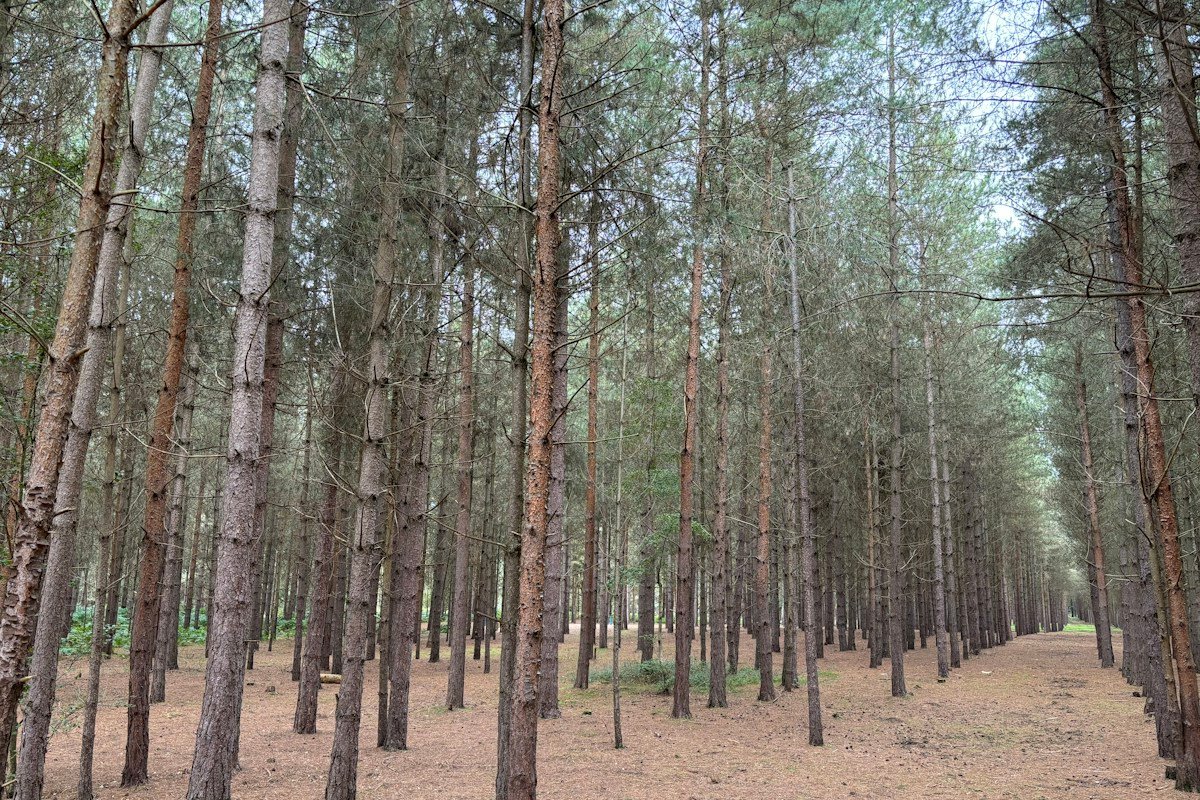

Silvopasture represents the deliberate, ecologically integrated combination of mature timber trees, forage swards, and grazing livestock on the same spatial parcel of agricultural land. Unlike unmanaged forest grazing, which routinely degrades sensitive woodland understories through soil compaction, tree bark stripping, and uncontrolled seedling browsing, commercial silvopasture operates as an intensely managed agroforestry paradigm. By orchestrating the microclimatic interactions between woody perennial canopies, cool-season and warm-season forage grasses, and ruminant livestock herds, silvopasture elevates total land productivity by forty to sixty percent above segregated forestry or open pasture monocultures.
The thermodynamic and ecological foundation of silvopasture lies in multi-tier solar radiation capture and microclimate buffering. Open monocultural pastures subject grazing herds to intense thermal heat stress during midsummer, which suppresses rumination velocity, depresses daily weight gain, and triggers reproductive inefficiency. By establishing strategic tree canopies, silvopastoral systems filter solar radiation, dropping surface ambient temperatures by four to eight degrees Celsius and reducing wind speeds across the forage understory. This microclimatic buffer extends vegetative growth windows for cool-season C3 forages well into hot summer months when adjacent open pastures suffer from moisture-deficit dormancy.
Transitioning commercial farmland into high-performing silvopastoral acreage requires disciplined agronomic engineering across botanical species selection, spatial planting geometries, forage photosynthetic active radiation (PAR) management, and rotational fencing logistics. Land stewards must balance light transmission dynamics with timber sawlog marketability, root competition mitigation, and animal impact management. This engineering manual provides an exhaustive operational blueprint for designing, establishing, and managing multi-tier commercial silvopastoral systems capable of delivering continuous livestock revenues, diversified timber timber yields, and permanent subsoil carbon sequestration.
Furthermore, silvopasture serves as an unshakeable institutional hedge against increasing climate volatility and global commodity price shocks. By coupling long-rotation timber sawlogs or medium-rotation bioenergy coppice with annual livestock sales, land managers construct multiple uncorrelated revenue streams that insulate family farming enterprises from erratic grain prices, extreme weather disasters, and regional economic downturns.
Thermodynamics of Canopy Shading and Animal Thermal Comfort Metrics
Ruminant livestock performance is dictated by the thermal balance between internal metabolic heat production and external environmental heat loads. During hot summer periods, direct solar radiation combined with reflected ground heat causes livestock to cross their upper critical thermal threshold, commonly evaluated through the Temperature-Humidity Index (THI). When the THI exceeds seventy-four in beef and dairy herds, livestock initiate physiological defense mechanisms: respiration rates accelerate into open-mouth panting, ruminal motility drops, dry matter feed intake plunges by twenty to thirty percent, and immune competence weakens.
Silvopasture fundamentally alters this thermodynamic equation by creating an expansive, living microclimatic shield. Mature tree canopies intercept incoming shortwave solar radiation, re-radiating harmless longwave infrared radiation back toward the atmosphere while dissipating heat via foliar evapotranspiration. Under silvopastoral tree canopies, the radiant heat load experienced by grazing cattle or sheep is reduced by thirty to fifty percent compared to open pastures, effectively lowering localized THI values into safe, non-stress zones.
The biological consequence of this thermal buffering is immediately reflected in animal production metrics. Grazing herds sheltered within silvopastoral blocks spend seventy percent more time actively grazing and ruminating during midday heat hours compared to animals in open pastures that congregate tightly around watering troughs. Longitudinal animal science trials demonstrate that beef cattle managed in silvopasture achieve average daily gains (ADG) twenty to twenty-five percent higher than open-pasture counterparts throughout prolonged summer heat waves, converting forage biomass into high-value protein with superior metabolic efficiency.
Winter thermodynamics are equally beneficial. Tree canopies act as thermal windbreaks, dramatically reducing convective wind-chill cooling during severe winter blizzards. By cutting surface wind velocities by sixty to eighty percent, silvopasture prevents hypothermic animal shivering, allowing livestock to allocate dietary net energy toward fetal development, lactation, and internal body condition maintenance rather than burning critical calorie reserves to survive sub-zero winds.
Photosynthetically Active Radiation Dynamics and Understory Forage Quality
A central operational challenge in silvopastoral engineering is managing the competitive light trade-off between the overstory tree canopy and the understory forage sward. Green plants utilize photosynthetically active radiation (PAR) spanning wavelengths between 400 and 700 nanometers to fuel photosynthesis. If tree canopy closure exceeds fifty to sixty percent, light attenuation starves the understory, leading to the thinning of grass swards, weed encroachment, and catastrophic forage yield collapse.
Optimizing PAR transmission requires managing tree canopies to maintain thirty to forty-five percent light interception. At this intermediate shade level, cool-season C3 grasses (such as orchardgrass, meadow fescue, and perennial ryegrass) thrive exceptionally well. Unlike tropical C4 grasses that require full, blazing sunlight, C3 grasses exhibit photosynthetic light saturation at roughly half of full solar intensity; consequently, partial canopy shade does not suppress their primary photosynthetic rate, while significantly reducing evaporative water stress.
Crucially, moderate canopy shade induces profound physiological and biochemical enhancements in understory forage nutritional quality. Under filtered sunlight, grasses produce thinner leaves with higher specific leaf area (SLA) to maximize photon capture. Shaded grasses synthesize significantly lower concentrations of indigestible structural lignin and structural cellulose, while maintaining higher crude protein (CP) percentages and higher non-structural carbohydrate (NSC) concentrations throughout the season.
Laboratory wet chemistry evaluations of forage samples harvested from silvopastoral paddocks consistently show two to three percentage point increases in crude protein and marked reductions in neutral detergent fiber (NDF) compared to sun-baked open-pasture grasses. When consumed by grazing ruminants, these tender, protein-rich forage swards ferment rapidly inside the rumen, yielding elevated volatile fatty acid (VFA) concentrations that drive accelerated milk production, marbling deposition, and animal growth.
Silvicultural Spatial Geometry: Alley Cropping vs Dispersed Parklands
The physical configuration of trees within a silvopastoral layout determines operational machinery efficiency, light distribution uniformity, and long-term timber sawlog form. The two dominant spatial geometries deployed in commercial operations are wide-spaced linear alley layouts and uniformly dispersed savanna parkland configurations, each presenting unique engineering characteristics.
Linear alley silvopasture involves planting trees in single, double, or triple rows running along precise north-to-south orientation lines, separated by wide forage alleys measuring fifteen to thirty meters across. The north-south orientation ensures that solar radiation sweeps dynamically across the entire width of the forage alley throughout the day, providing morning sunlight to the western side of the alley and afternoon sunlight to the eastern side. This continuous solar movement prevents stagnant shade zones, ensuring uniform forage growth across the entire paddock.
Furthermore, wide linear alleys provide unobstructed travel corridors for agricultural machinery. Commercial tractors, disc mowers, round balers, and manure spreaders can operate freely between tree rows during spring forage surplus periods when livestock cannot consume the rapid flush of grass, allowing operators to harvest high-quality wrapped haylage or hay without risking mechanical impacts against tree trunks. Wide alleys also simplify the installation of straight-line temporary electric cross-fencing for intensive rotational grazing.
Conversely, dispersed parkland configurations feature individual trees or clustered mini-groves planted on wide, staggered grid spacings (e.g., twelve meters by twelve meters, yielding approximately seventy trees per hectare). Dispersed layouts are ideal for hilly, undulating terrain where linear tractor access is unfeasible, and for creating aesthetically stunning, multi-functional landscapes that mimic natural oak savanna ecosystems while supporting sheep, cattle, or Iberian pigs grazing seasonal acorn drops.
Botanical Species Pairing: Tree Selection and Compatible Forage Swards
Achieving long-term ecological synergy requires meticulous botanical compatibility between selected tree species and the underlying pasture species. An incompatible pairing, such as shallow-rooted competitive trees paired with drought-sensitive grasses, creates severe root-zone competition that stunting both timber growth and livestock carrying capacity.
Ideal silvopastoral tree species exhibit specific morphological traits: deep, vertical taproots that extract water and nutrients from deep subsoil layers rather than competing with grasses in the top fifteen centimeters; high commercial timber, nut, or forage value; open, fine-textured feathery canopies that cast light, diffuse shade; and rapid early height growth to elevate sensitive crowns beyond the reach of browsing livestock. Premier deciduous choices in temperate zones include black walnut (Juglans nigra), red oak (Quercus rubra), black locust (Robinia pseudoacacia), and hybrid poplars; in subtropical regions, slash pine (Pinus elliottii), loblolly pine (Pinus taeda), and pecan (Carya illinoinensis) dominate.
Nitrogen-fixing tree species provide extraordinary ecological advantages. Black locust, honey locust, and alder species form symbiotic partnerships with Rhizobium and Frankia bacteria, biologically fixing atmospheric nitrogen and enriching the surrounding soil through annual leaf litter drop and root turnover. Black locust foliage contains twenty-two to twenty-six percent crude protein, providing exceptional, drought-resistant “tree fodder” that can be pollarded or browsed directly by sheep and cattle during summer droughts.
Compatible forage mixtures must combine shade-tolerant cool-season grasses with resilient perennial legumes. Multi-species pasture formulations combining orchardgrass (Dactylis glomerata), meadow fescue (Schedonorus pratensis), Kentucky bluegrass (Poa pratensis), white clover (Trifolium repens), and birdsfoot trefoil (Lotus corniculatus) establish dense, long-lasting sods beneath tree canopies. Birdsfoot trefoil is particularly valuable: its condensed tannins bind excess dietary protein in the rumen, preventing frothy bloat in cattle while exerting natural anthelmintic suppression against internal gastrointestinal parasite nematodes.
Silvicultural Management: High-Pruning and Crown Thinning Schedules
Planting trees into open pastures without ongoing silvicultural management produces low-value, heavily branched “wolf trees” that shade out understory grasses while yielding zero marketable timber value. Maximizing the economic return from timber requires disciplined pruning schedules engineered to produce clear, knot-free sawlogs within the lower four to six meters of the tree bole.
High-pruning protocols begin when young trees reach four to five meters in total height, typically in year three to five. Operators utilize pole saws and pneumatic hydraulic pruners to remove lower branch whorls, adhering strictly to the silvicultural rule that living tree crowns must maintain at least forty to fifty percent of total tree height to prevent stunting vegetative diameter growth. Pruning cuts must be made just outside the branch bark collar without leaving protruding stubs or flush-cutting into the trunk, ensuring rapid, clean callous tissue formation that seals the wound against fungal wood rot pathogens.
Progressive pruning cycles continue every two to three years until the bottom four to six meters of the trunk is completely clear of branches. This pristine lower bole commands top-tier veneer and grade-one sawlog timber pricing upon final harvest. Simultaneously, pruning lower branches dramatically improves understory microclimates: elevating the canopy bottom increases horizontal air circulation, dissipates humidity pockets that foster cattle eye diseases (such as infectious bovine keratoconjunctivitis), and allows low-angle morning and late-afternoon solar rays to penetrate deep into the forage sward.
Thinning regimes must also be scheduled dynamically as tree canopies expand. In commercial pine or hardwood silvopasture, initial planting densities of 400 to 600 trees per hectare are systematically thinned in year eight to twelve down to 200 to 250 trees per hectare, and thinned again in year eighteen down to 100 to 120 final crop trees per hectare. Commercial pulpwood or bioenergy sales from early thinning operations provide substantial mid-rotation cash injections while permanently maintaining PAR light transmission to understory forages.
Rotational Grazing Infrastructure and Adaptive Multi-Paddock Protocols
Continuous, unmanaged livestock grazing is completely incompatible with silvopastoral agroforestry. If animals are permitted continuous access to tree paddocks, they will congregate around favorite trees, causing catastrophic localized soil compaction beneath canopies, rubbing and girdling tree bark, and over-grazing preferred grass species while leaving unpalatable weeds to dominate. Silvopasture demands strict Adaptive Multi-Paddock (AMP) rotational grazing management.
AMP grazing divides the silvopastoral landscape into numerous small, temporary paddocks separated by high-tensile perimeter fencing and flexible polywire electric cross-fences. Livestock are stocked at high densities (50,000 to 100,000 kg live weight per hectare) for short durations ranging from twelve hours to two days before being moved to fresh forage. This rapid rotation forces animals to graze non-selectively, consuming both grasses and broadleaf forbs uniformly, while leaving forty to fifty percent of vegetative residual biomass behind to fuel rapid solar photosynthesis and root regeneration.
Managing the post-grazing recovery period is the vital heartbeat of silvopastoral grazing. Depending on seasonal moisture and canopy shade density, grazed paddocks must rest undisturbed for thirty to sixty days before livestock return. This extended recovery window allows forage root systems to replenish deep carbohydrate energy reserves, pushes grass tiller emergence, and guarantees that soil aggregates recover from brief hoof impact.
Livestock behavior must be actively guided through strategically distributed mobile water troughs and portable mineral feeder stations. Rather than placing water troughs directly beneath valuable timber trees where cattle would linger and compact root zones, water infrastructure is positioned in open alley centers or perimeter lanes, encouraging animals to drink and immediately disperse across the forage sward.
Tree Establishment Protection Protocols in Active Grazing Paddocks
The most critical vulnerability in establishing silvopastoral systems occurs during the initial establishment window (years one to four), when tender young tree saplings are intensely vulnerable to being browsed, trampled, or snapped by grazing livestock. Protecting juvenile trees without incurring exorbitant fencing costs requires sophisticated physical and behavioral protection strategies.
Rigid plastic tree shelters (tubex tubes) measuring 1.5 to 1.8 meters in height provide excellent physical protection against sheep browsing, deer damage, and rodent girdling, while creating a warm, humid greenhouse microclimate that accelerates early vertical shoot growth. Shelters are secured to heavy oak or steel stakes driven deep into the ground. However, when grazing heavy mature cattle, standard plastic tubes are insufficient, as cattle will lean against them to rub, bending stakes and crushing young saplings.
For cattle silvopastoral establishment, temporary electric offset fencing provides the most cost-effective commercial barrier. Installing a single or double strand of high-tensile electric wire positioned 1.2 meters to the side of young tree rows keeps heavy animals safely out of reach of sapling branches while allowing them to graze the center of the forage alley freely. Electric fencing lines can be removed in year four or five once tree trunks reach eight to ten centimeters in caliper diameter and branch crowns are elevated safely above cattle reach.
Alternative establishment sequencing involves hay cropping the newly planted tree alleys for the first three seasons. Operators harvest machine-baled hay or silage from the alleys, completely excluding livestock from the parcel until trees have developed thick, woody bark and robust root anchors, after which rotational grazing is introduced with zero risk of sapling mortality.
Soil Hydrology, Infiltration Kinetics, and Deep Nutrient Cycling
Silvopasture re-engineers the vertical hydrology and biogeochemical nutrient dynamics of agricultural landscapes. Conventional open pastures frequently develop dense subsoil compaction layers (plow pans or hoof pans) fifteen to twenty centimeters beneath the surface, created by repeated heavy tractor traffic and millions of animal hoof strikes. These dense hardpans arrest downward water infiltration, causing surface runoff, sheet erosion, and standing mud during wet seasons.
Deep-rooting timber trees function as powerful biological subsoilers. Tree taproots exert hydraulic pressures exceeding 1.5 megapascals, physically penetrating dense subsoil hardpans and opening vertical biological macropores that extend meters deep into the regolith. Infiltration testing consistently demonstrates that established silvopastoral soils absorb rainfall at rates two to four times faster than adjacent open pastures, virtually eliminating surface runoff and recharging deep groundwater aquifers.
Furthermore, tree root networks construct an extensive underground biological “safety net.” In agricultural systems, soluble nitrate and mineral cations (calcium, potassium, magnesium) that leach past shallow grass roots are permanently lost to regional waterways, causing eutrophication and environmental degradation. In silvopasture, deep tree roots intercept these descending leached ions, translocating them upward through xylem sap to synthesize leaves and branches.
In autumn, deciduous trees drop their foliage onto the pasture surface, depositing tons of mineral-rich organic leaf mulch directly into the topsoil. Soil microbes and earthworms decompose this leaf litter, releasing recycled minerals directly into the shallow grass root zone. This continuous nutrient pump reduces synthetic chemical fertilizer requirements to zero, establishing a closed-loop fertility cycle that builds deep, durable soil wealth.
Fodder Tree Pollarding Protocols and Drought-Reserve Nutrition Management
Integrating high-protein fodder trees that can be systematically coppiced or pollarded provides an invaluable biological buffer against severe midsummer drought when grass swards enter dormancy. Tree species such as black locust, white mulberry (Morus alba), willow (Salix alba), and tagasaste (Cytisus proliferus) possess deep root systems that tap into permanent groundwater reserves, continuing to produce dense flushes of succulent, protein-rich green foliage even after months of zero rainfall.
Pollarding involves cutting the central tree trunk at a height of 1.8 to 2.2 meters above the ground, establishing a permanent woody head or bolling above the reach of browsing cattle and sheep. In late summer, when pasture grass growth halts, operators cut the vigorous one-year-old leafy shoots from the pollard head, dropping them directly into the forage alley. Livestock eagerly consume the tender leaves and twigs, which contain seventeen to twenty-four percent crude protein and high concentrations of digestible carbohydrates, rivaling top-tier alfalfa hay in nutritional density.
Furthermore, fodder tree leaves contain beneficial secondary plant metabolites, including condensed tannins, proanthocyanidins, and essential mineral cations (zinc, copper, selenium) naturally extracted from deep subsoil mineral beds. When ingested by ruminants, condensed tannins bind to dietary soluble proteins, preventing their premature degradation into ammonia by rumen microbes and allowing them to pass intact into the abomasum and small intestine as high-value bypass protein. This tannin binding mechanism increases amino acid absorption efficiency by fifteen to twenty percent while exerting natural anthelmintic suppression against internal gastrointestinal roundworms.
Soil Mycorrhizal Networks and Glomalin Dynamics in Woody-Pasture Ecotones
The subterranean interface where deep woody tree roots interlock with fibrous perennial pasture grasses creates an extraordinary hotspot of biological activity known as a woody-pasture ecotone. In conventional monocultural pastures, soil microbial communities are heavily dominated by bacteria, with fungal-to-bacterial biomass ratios rarely exceeding 0.1 to 0.2. In silvopastoral ecosystems, however, the presence of long-lived perennial trees establishes massive, permanent underground networks of both ectomycorrhizal (ECM) and arbuscular mycorrhizal (AMF) fungi.
These dual fungal networks form an interconnected subterranean “wood-wide web” bridging tree root systems with grass roots. Fungal hyphae continuously exude glomalin, an insoluble glycoprotein that acts as biological mortar, binding mineral sand, silt, and clay particles into resilient macro-aggregates. Wet aggregate stability tests demonstrate that silvopastoral soils maintain structural aggregate stability forty to sixty percent higher than open pastures, creating a sponge-like soil profile that resists mechanical hoof compaction while providing continuous aeration for aerobic microbial respiration.
Moreover, mycorrhizal networks facilitate direct inter-plant nutrient sharing. Radioisotope tracer studies confirm that carbon, nitrogen, and phosphorus ions are actively shuttled through common mycorrhizal networks from mature trees to shaded understory grasses during periods of localized nutrient deficiency. This subterranean mutualism enhances total ecosystem nutrient retention, virtually eliminating the environmental leaching of mobile nitrates into regional drinking water aquifers.
Animal Ethology, Herd Gregariousness, and Psychological Stress Mitigation
Beyond quantifiable thermodynamics and nutritional chemistry, silvopasture fundamentally honors the evolutionary behavioral biology (ethology) of grazing ruminants. Cattle and sheep evolved as savanna and woodland edge herbivores whose natural behavioral repertoire includes seeking vertical physical structures for shade, wind shelter, and psychological security against perceived predators.
In wide, featureless open pastures, livestock frequently exhibit elevated cortisol stress hormone levels and anxious herd aggregation, particularly during high-wind storms or extreme midday solar irradiation. In contrast, silvopastoral layouts provide natural physical barriers, visual depth, and spatial territories that disperse herd social tension. Subordinate animals can graze peacefully behind tree rows out of the direct line of sight of dominant herd leaders, drastically reducing aggressive head-butting, mounting, and bullying behaviors.
The reduction in physiological stress directly enhances herd reproductive performance and immune resilience. Commercial silvopastoral herds exhibit significantly higher first-service conception rates, lower incidence of respiratory bovine diseases, and calmer temperaments during handling and veterinary inspections. By constructing agricultural landscapes that align with the innate behavioral instincts of domestic animals, silvopastoral operators achieve superior animal welfare alongside exceptional commercial profitability.
Carbon Sequestration Metrics and Ecological Biodiversity Enhancement
As global agricultural sectors confront mandatory carbon emissions accounting and market-driven net-zero mandates, silvopasture stands as the single most powerful biological carbon removal strategy available on terrestrial farmland. Recognized by the Intergovernmental Panel on Climate Change (IPCC) as a premier climate mitigation methodology, silvopasture sequesters five to ten times more carbon per hectare than open pasture systems.
Carbon drawdown operates simultaneously across two distinct physical pools: above-ground woody biomass and deep recalcitrant soil organic carbon. Over a thirty-year timber rotation, mature trees accumulate between 50 and 150 metric tons of carbon per hectare locked permanently within their trunks, structural limbs, and coarse root systems. Concurrently, continuous root turnover, fungal mycorrhizal hyphal exudation, and high-density rotational grazing stimulate the accumulation of mineral-associated organic matter (MAOM) deep in the soil profile, where carbon remains stable for centuries.
Ecological biodiversity metrics exhibit dramatic recoveries within silvopastoral landscapes. Transforming barren monocultural pastures into structurally complex multi-tier agroforests creates essential habitat niches for beneficial avian species, predatory bats, native insect pollinators, and specialized mycorrhizal fungi. Bird population surveys routinely report three- to five-fold increases in avian diversity within silvopasture compared to open pastures.
These insectivorous birds and bats provide invaluable ecological services to the farm, consuming millions of crop and animal pests (including horseflies, mosquitoes, face flies, and pasture grubs) every season, naturally suppressing livestock disease transmission without requiring chemical pour-on insecticides or toxic environmental parasiticides.
Technological Telemetry in Silvopasture: Drone LiDAR Canopy Mapping and Virtual Fencing
Modern commercial silvopasture operations increasingly integrate cutting-edge telemetry hardware to manage the physical complexity of multi-tier agroforests. Operating physical electric fencing across hundreds of hectares of timber canopies presents real labor and maintenance hurdles: falling branches short out wire fences, and maneuvering tractors around permanent fence posts restricts operational flexibility. The commercial advent of GPS-enabled virtual fencing collars has revolutionized livestock management in agroforestry systems.
Virtual fencing systems utilize solar-powered GPS tracking collars fitted to individual animals. Field managers draw precise polygon paddock boundaries on digital GIS tablet maps. When an animal approaches the virtual perimeter, the collar emits a distinct auditory warning tone, followed by a harmless, mild electrical pulse if the boundary is breached. Cattle learn the associative boundary within forty-eight hours with zero stress. This allows operators to shift grazing paddocks remotely from their smartphones without setting foot in the field, guiding livestock dynamically through complex tree alleys and excluding them from newly thinned or pruned blocks with total precision.
Simultaneously, unmanned aerial vehicles equipped with light detection and ranging (LiDAR) sensors conduct automated volumetric tree canopy audits. Drone LiDAR penetrates the tree canopy, generating high-density three-dimensional point clouds that map both individual tree height, trunk diameter, and the exact spatial distribution of photosynthetically active radiation (PAR) reaching the forest floor. These spatial light maps allow agroforesters to pinpoint localized areas where canopy density exceeds fifty percent, generating prescription thinning maps that target specific trees for removal to restore optimal understory forage illumination.
Economic Portfolio Modeling and Multi-Tier Revenue Diversification
Commercial silvopasture transforms the precarious financial profile of single-commodity farming into an unshakeable, diversified investment portfolio. Conventional livestock operations are inherently vulnerable to cattle market crashes, forage drought shortages, and feed price inflation. By layering annual livestock income with perennial forage seed sales and long-term high-value timber assets, silvopasture operators achieve extraordinary balance sheet resilience.
Financial modeling across twenty-to-thirty-year operating cycles demonstrates superior net present value (NPV) and internal rate of return (IRR) metrics for silvopasture compared to either timber monocultures or cattle-only grazing. In a typical temperate black walnut and beef cattle system, annual cattle sales generate continuous short-term cash flow that covers all annual operational expenses, land taxes, and debt service. Periodic walnut nut harvests in years eight through twenty provide high-value intermediate revenue injections, while final harvest of veneer logs at year thirty to thirty-five delivers massive capital windfalls exceeding 40,000 to 80,000 dollars per hectare.
Furthermore, silvopastoral acreage is uniquely positioned to capitalize on emerging voluntary carbon markets and biodiversity credit exchanges. Validated carbon sequestration rates enable operators to issue certified soil and tree carbon removal offsets, generating recurring annual ecosystem service payments that supplement farm cash flow during early tree establishment years.
Tax incentives and agricultural conservation easements provide additional financial tailwinds. Governments worldwide offer cost-share establishment grants, tree planting subsidies, and preferential agricultural property tax valuations for agroforestry systems, lowering initial capital expenditure and accelerating overall commercial investment returns.
To assist agricultural landowners and forestry investors in evaluating the operational trade-offs across distinct pasture management architectures, agroforestry economists utilize comprehensive comparative matrices. Evaluating structural, biological, and economic indicators across conventional open pasture, monocultural commercial forestry, and fully integrated silvopasture provides operators with an objective decision-making framework.
The following comparative diagnostic matrix illustrates the structural, ecological, and financial parameters governing each land-use paradigm.
Comparative Diagnostic Matrix of Land-Use Management Paradigms
| Operational Parameter | Conventional Open Pasture | Monocultural Timber Plantation | Integrated Silvopasture System |
|---|---|---|---|
| Cash Flow Frequency | Continuous annual livestock sales | Zero for 15+ years until harvest | Continuous annual plus long-term timber |
| Livestock Summer Heat Stress | Severe (THI above 74, low gains) | Not applicable (livestock excluded) | Minimal (canopy shade buffers THI) |
| Deep Subsoil Nitrate Interception | Poor (heavy leaching into aquifers) | High (deep tree root networks) | Exhaustive (dual-layer safety net) |
| Soil Carbon Sequestration Rate | Low to Moderate (0.5 to 1.5 t C/ha/yr) | High above-ground, low subsoil | Maximum (3.5 to 8.0+ t C/ha/yr) |
| Biological Drought Buffering | Very Low (rapid pasture burnout) | Moderate (forest moisture retention) | High (microclimate protects C3 forages) |
| Wildlife & Avian Biodiversity | Depleted monocultural habitat | Low (dense dark monoculture) | Exhaustive (diverse multi-tier niches) |
| Catastrophic Wildfire Hazard | Low (flammable fine fuels) | Extreme (dense fuel ladders) | Very Low (grazing consumes fuel load) |
| Land Equivalent Ratio (LER) | 1.00 (baseline monoculture) | 1.00 (baseline monoculture) | 1.40 to 1.65 (superior yield efficiency) |
Comprehensive agroforestry research conducted by accredited bodies such as the Food and Agriculture Organization Forestry and Agroforestry Branch and technical guidance from the USDA National Agroforestry Center definitively confirm that silvopastoral multi-cropping delivers the highest land-equivalent ratio (LER) among temperate and tropical land-use practices. Academic institutions such as the University of Missouri Center for Agroforestry publish extensive field data on shade-tolerant forage genetics and timber pruning regimes. Furthermore, foundational carbon budget assessments indexed in the Journal of Agroforestry Systems and climate mitigation models in Nature Climate Change demonstrate that silvopasture represents the most durable terrestrial biological carbon sink capable of coexisting with food production. These authoritative findings provide the rigorous scientific basis required to address common implementation questions across diverse commercial agricultural enterprises.
Frequently Asked Questions About Commercial Silvopastoral Systems
How does silvopasture prevent livestock from damaging valuable timber trees?
Livestock damage is prevented by implementing strict rotational grazing where animals occupy paddocks for short durations (one to two days), preventing bored behavior and bark stripping. During early establishment years, saplings are protected by rigid plastic tree tubes or temporary electric offset fencing. Once trees develop mature, thick bark and elevated branch crowns, animals use trunks for shade without causing structural damage.
What is the optimal tree canopy density to maintain forage productivity?
The optimal tree canopy density maintains thirty to forty-five percent light interception. This intermediate level provides sufficient photosynthetically active radiation (PAR) for shade-tolerant cool-season C3 grasses (such as orchardgrass and fescue) to achieve full photosynthetic saturation, while providing critical thermal buffering that reduces evaporative water stress.
Which tree species are most compatible with cattle silvopasture in temperate climates?
In temperate climates, black walnut (Juglans nigra), red oak (Quercus rubra), honey locust (Gleditsia triacanthos), and black locust (Robinia pseudoacacia) are premier choices. Black walnut develops deep taproots that do not compete with surface grasses and yields valuable veneer sawlogs; honey locust and black locust provide nitrogen fixation and high-protein pods that livestock consume in autumn.
How does silvopasture improve cattle weight gains during summer heat waves?
Silvopasture lowers the ambient radiant heat load by thirty to fifty percent and drops canopy surface temperatures by four to eight degrees Celsius. This prevents the Temperature-Humidity Index (THI) from crossing critical stress thresholds, allowing cattle to continue grazing and ruminating during midday heat rather than suffering respiratory panting and reduced dry matter intake.
Can high-value timber sawlogs be produced in active livestock grazing paddocks?
Yes, high-value timber sawlogs are produced through disciplined silvicultural management, including periodic high-pruning of lower branch whorls to a height of four to six meters. This ensures that the primary trunk bole develops clear, knot-free wood that commands top-tier veneer and grade-one lumber pricing upon final harvest.
How does silvopasture mitigate the risk of catastrophic wildfire?
Silvopasture mitigates wildfire hazard because grazing livestock continuously consume and trample fine, dry grasses and brush that otherwise accumulate as flammable fuel ladders in unmanaged forests. Furthermore, mature trees are pruned of lower branches, preventing ground fires from climbing into the crown canopy.
What forage grass and legume species perform best under tree canopies?
Shade-tolerant cool-season grasses, including orchardgrass (Dactylis glomerata), meadow fescue (Schedonorus pratensis), and perennial ryegrass (Lolium perenne), perform exceptionally well under canopies. Compatible legumes include white clover (Trifolium repens) and birdsfoot trefoil (Lotus corniculatus), which fix nitrogen and improve sward crude protein content.
How does silvopastoral agroforestry accelerate biological carbon sequestration?
Silvopasture sequesters carbon simultaneously in above-ground woody timber biomass and deep subterranean soil organic matter. Tree taproots deposit carbon meters deep into the subsoil, while rotational grazing stimulates microbial necromass and glomalin production, sequestering five to ten times more carbon per hectare than open pastures.
What are the primary financial benefits of implementing a silvopastoral system?
Silvopasture creates a diversified multi-tier investment portfolio: annual livestock sales generate continuous cash flow to service debt and operating costs, intermediate nut or seed harvests provide mid-term revenue, and final veneer timber harvests deliver massive long-term capital windfalls, yielding superior net present value compared to single-commodity farming.
Furthermore, automated acoustic sensors deployed throughout silvopastoral acreage monitor biodiversity metrics in real time. Bio-acoustic machine learning algorithms parse continuous soundscape recordings, identifying the distinct vocalizations of dozens of native songbird and bat species. This objective, verifiable ecological data provides rigorous proof of habitat restoration, allowing silvopasture operators to access premium green bond financing and corporate ESG biodiversity stewardship endowments that further reinforce long-term balance sheet stability.
Ultimately, commercial silvopasture demonstrates that biological complexity and financial prosperity are deeply harmonious. When agricultural producers move beyond the limitations of single-crop monocultures to embrace the multi-layered vitality of integrated tree, forage, and livestock systems, they build enduring farming enterprises capable of thriving through the most challenging ecological and economic headwinds of our century.
Agroforestry Synthesis and the Future of Multi-Tier Agricultural Ecosystems
Silvopasture agroforestry represents the mature harmonization of ecological complexity, animal welfare, and commercial profitability. By abandoning the false dichotomy that forces land managers to choose between forestry and agriculture, silvopasture unlocks the extraordinary biological synergies of multi-tier solar capture, microclimatic buffering, deep nutrient cycling, and carbon drawdown. As climate extremes intensify, water resources diminish, and global demand for ethical, carbon-negative agricultural production accelerates, commercial silvopasture stands as an enduring beacon for sustainable, highly profitable twentieth-first-century agroecological stewardship.