
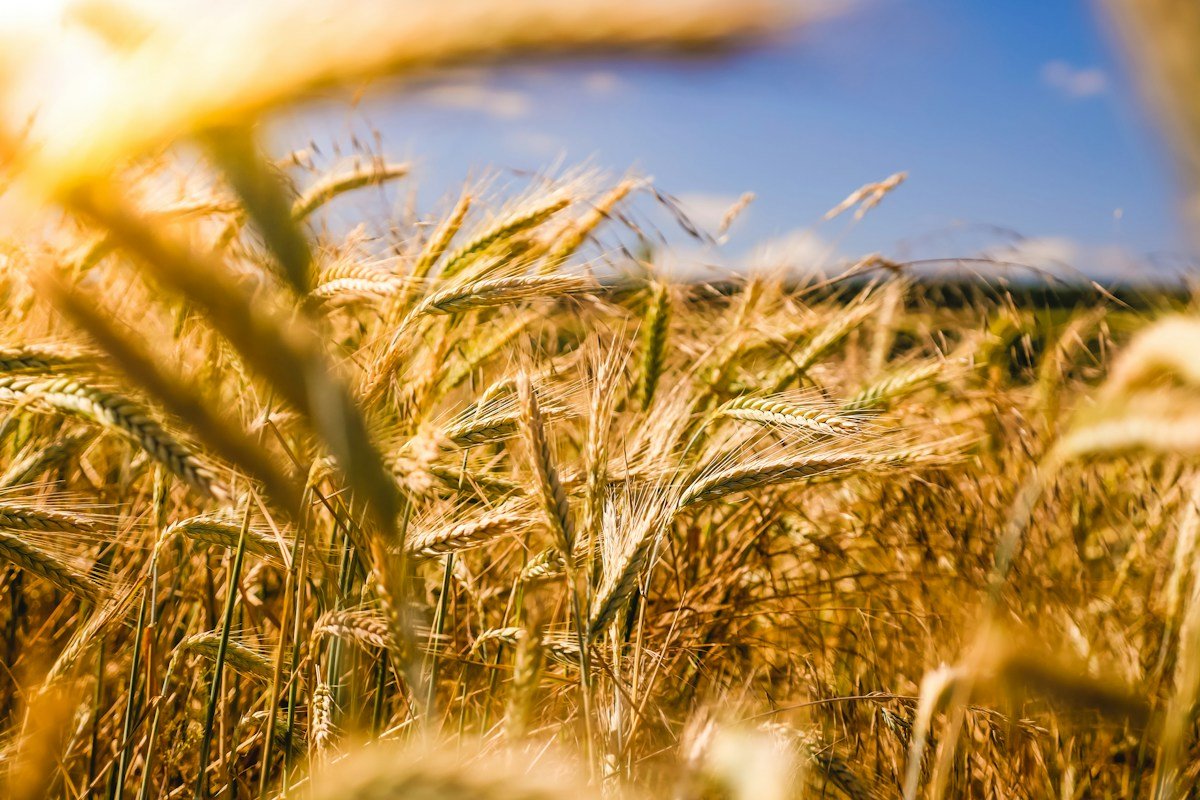

Broadacre commercial grain farming confronts profound structural crises defined by escalating synthetic fertilizer prices, herbicide-resistant superweeds, and chronic topsoil degradation. Decades of continuous monocultural corn, wheat, and soybean production relying on intensive pre-plant synthetic nitrogen and residual chemical herbicides have triggered massive biological resistance, notably in problematic weeds such as Palmer amaranth (Amaranthus palmeri), waterhemp (Amaranthus tuberculatus), and horseweed (Erigeron canadensis). Breaking this unsustainable chemical cycle requires commercial grain operators to integrate multi-species cover crop rotations engineered to maximize biological nitrogen fixation, suppress weed emergence through physical and biochemical mechanisms, and reconstruct degraded soil biology.
Cover crop rotation operates as a dynamic ecological engine that inserts vegetative diversity into the extended fallow periods separating annual cash grain crops. Rather than leaving agricultural fields bare and exposed to wind erosion, sheet wash runoff, and intense solar degradation for six to eight months between harvest and spring planting, cover crops maintain continuous living root systems in the soil profile. These root networks intercept descending nitrate ions, synthesize massive quantities of underground liquid carbon exudates, and stimulate arbuscular mycorrhizal fungi, converting an otherwise inert biological fallow into a highly active ecological revitalization period.
Achieving commercial-scale agronomic success with cover crops requires deep technical mastery of species selection, seeding methodologies, termination timing kinetics, and carbon-to-nitrogen (C:N) ratio management. Farm managers must calibrate multi-species seed mixes that balance biomass longevity with cash crop nutrient release curves, while adjusting planting equipment to slice through high-residue cover crop blankets without hairpinning seed or smearing furrow walls. This comprehensive agronomic manual delivers an exhaustive operational guide for integrating multi-species cover crop rotations into commercial corn, soybean, and small grain production systems.
Furthermore, precision cover cropping generates significant balance sheet advantages. By biologically fixing up to 150 to 200 kilograms of atmospheric nitrogen per hectare and slashing seasonal chemical herbicide applications by sixty to eighty percent, commercial operators achieve substantial input cost reductions that boost net farm operating margins while insulating farm cash flows from global petrochemical market disruptions.
Biological Nitrogen Fixation Kinetics in Legume Cover Crops
Biological nitrogen fixation (BNF) performed by symbiotic leguminous cover crops represents the most cost-effective and ecologically sustainable alternative to fossil fuel-derived Haber-Bosch synthetic nitrogen fertilizers. Specialized soil bacteria belonging to the genera Rhizobium and Bradyrhizobium form intimate intracellular symbioses within the root cortical tissues of host legumes, developing visible, highly vascularized root nodules.
Within these root nodules, the bacterial enzyme nitrogenase breaks the extremely stable chemical triple bond of atmospheric dinitrogen gas (N2), converting it into soluble bioavailable ammonium (NH4+). The host plant delivers photosynthetically derived dicarboxylates (primarily malate and succinate) to fuel the massive metabolic energy demands of the nitrogenase enzyme, which requires sixteen molecules of adenosine triphosphate (ATP) for every molecule of dinitrogen reduced. Concurrently, the plant synthesizes leghemoglobin, an oxygen-binding hemoprotein that creates a low-oxygen micro-environment inside the nodule, protecting the oxygen-sensitive nitrogenase enzyme from irreversible oxidative denaturation.
The total quantity of nitrogen fixed by a legume cover crop depends directly on total biomass accumulation, soil mineral nitrogen status, and the genetic efficacy of the Rhizobium strain. High-performing winter annual legumes, such as hairy vetch (Vicia villosa), crimson clover (Trifolium incarnatum), and Austrian winter peas (Pisum sativum), can accumulate four to seven metric tons of dry matter biomass per hectare, fixing between 120 and 220 kilograms of atmospheric nitrogen per hectare within a single autumn-to-spring growth cycle.
To maximize biological fixation, commercial operators must ensure that seed is properly inoculated with specific, viable bacterial peat or liquid inoculants immediately prior to planting. Utilizing the incorrect Rhizobium strain results in non-functional, parasitic nodules that consume plant carbon without fixing nitrogen. Effective, functional nodules are easily identified in the field: when sliced open with a razor, active nitrogen-fixing nodules exhibit a deep, blood-red or dark-pink internal coloration created by high leghemoglobin concentrations.
Carbon-to-Nitrogen (C:N) Ratio Stoichiometry and Mineralization Dynamics
The decomposition rate of cover crop residue and the subsequent availability of mineral nutrients to the following cash grain crop are governed by the composite carbon-to-nitrogen (C:N) ratio of the terminated biomass. Soil microorganisms (bacteria and fungi) maintain an internal cellular C:N ratio of approximately 8:1; to fuel their metabolism and build cellular structures, they consume organic substrates with an ideal dietary C:N ratio around 24:1.
When a cover crop residue possesses a low C:N ratio (under 20:1), such as pure hairy vetch or crimson clover terminated at the early vegetative stage, soil microbes find an excess of nitrogen relative to carbon. Microorganisms rapidly decompose the succulent plant tissue, assimilating what carbon they need and mineralizing the surplus nitrogen into the soil solution as plant-available ammonium and nitrate within two to four weeks of termination. While this rapid flush of nitrogen is beneficial, if the cash grain crop has not yet established an extensive root system, a significant portion of this mineralized nitrogen is vulnerable to leaching into deep subsoil layers during heavy spring rains.
Conversely, when high-biomass grass cover crops, such as cereal rye (Secale cereale) or Sorghum-sudangrass, are allowed to reach full maturity, their C:N ratio escalates above 40:1 to 60:1 as stems lignify. When these carbon-heavy residues are terminated, soil microbes encounter an acute nitrogen deficit. To decompose the abundant carbon, microbes actively absorb and scavenge all available free mineral nitrogen from the surrounding soil solution, causing biological nitrogen immobilization. Cash corn planted into high C:N grass residue will exhibit severe nitrogen deficiency, stunting, and yield loss unless supplementary starter nitrogen is placed directly in the seed furrow.
Precision cover crop cocktail formulation balances C:N stoichiometry by blending grasses and legumes (e.g., seventy percent cereal rye mixed with thirty percent hairy vetch). This composite mixture produces a balanced C:N ratio between 25:1 and 30:1. The legume component decomposes steadily to feed the developing cash crop, while the durable grass residue persists on the soil surface throughout the summer, providing long-term weed suppression, soil moisture conservation, and erosion control.
Mechanisms of Weed Suppression: Physical Mulch Barriers vs Allelopathy
Cover crops suppress competitive weed populations through a potent combination of physical environmental modification and biochemical allelopathy. In conventional no-till fields lacking cover crops, warm spring sunlight penetrates directly to the bare soil surface, elevating soil temperatures and triggering the germination of photoblastic weed seeds, including pigweeds, waterhemp, and foxtails. Cover crops fundamentally dismantle this weed germination cascade.
Physical suppression is achieved by generating massive surface biomass blankets. When a dense stand of cereal rye producing six to eight metric tons of dry matter per hectare is mechanically rolled and crimped, it forms an impenetrable biological mulch mat measuring five to eight centimeters in thickness. This dense mulch intercepts more than ninety-five percent of incoming solar radiation, creating a dark, cool soil surface environment that prevents light-activated weed seed germination. Furthermore, weed seedlings that do manage to germinate lack sufficient seed carbohydrate reserves to physically push their hypocotyls through the heavy mulch layer, dying of exhaustion beneath the mat.
Concurrently, living cover crops exude potent allelopathic biochemical compounds that chemically inhibit the germination and radicle elongation of neighboring plant species. Cereal rye produces high concentrations of cyclic hydroxamic acids, primarily DIBOA (2,4-dihydroxy-1,4-benzoxazin-3-one), which decompose in the soil into BOA (2-benzoxazolinone). BOA acts as a natural pre-emergence bio-herbicide that selectively suppresses small-seeded dicotyledonous weeds (such as redroot pigweed and common lambsquarters) while leaving large-seeded cash crops (corn and soybeans) completely unharmed.
Brassica cover crops, including Daikon radish (Raphanus sativus) and yellow mustard (Sinapis alba), contribute powerful bio-fumigation properties. Brassica tissues contain high levels of glucosinolates; upon tissue termination and cellular disruption, the plant enzyme myrosinase hydrolyzes glucosinolates into volatile isothiocyanates. These natural sulfur compounds suppress soil-borne fungal pathogens, parasitic nematodes, and broadleaf weed seeds, creating a sanitized biological seedbed for subsequent commercial plantings.
Multi-Species Cocktail Architecture: Four Functional Family Synergies
While single-species cover crops provide basic erosion protection, multi-species cover crop cocktails unlock extraordinary biological synergies that mimic natural prairie ecosystems. Designing a high-performance commercial cocktail requires assembling complementary species drawn from four functional plant families: cool-season grasses, cool-season broadleaves (brassicas), warm-season grasses, and legumes.
Cool-season grasses (such as cereal rye, triticale, and annual ryegrass) contribute massive root fiber, winter cold tolerance, and persistent surface carbon residue. Deep-taproot brassicas (such as Daikon oilseed radish and purple top turnip) drive thick, fleshy taproots down through dense plow pans, creating deep biological channels that aerate the soil and scavenge residual subsoil nutrients. When brassicas winterkill during severe freezes, their fleshy taproots decompose rapidly, leaving open macropores that capture winter snowmelt and allow cash crop roots to penetrate effortlessly into the subsoil.
Leguminous components (hairy vetch, crimson clover, and berseem clover) supply the biological nitrogen engine that enriches the soil solution, while forbs (sunflower and phacelia) provide broad leaf canopies that suppress weeds and display diverse floral structures that attract predatory beneficial insects and native pollinators.
Cocktail formulation must be calibrated to the specific preceding cash crop and regional planting window. Following an early summer wheat harvest, operators deploy a twelve-species warm-season cocktail (sunn hemp, cowpeas, pearl millet, Sorghum-sudangrass, sunflower, Daikon radish) that accumulates massive biomass under hot late-summer sun. Following autumn corn harvest, the mix shifts to cold-hardy winter species (cereal rye, winter triticale, hairy vetch) capable of establishing under chilling temperatures and resuming vigorous growth in early spring.
Seeding Methodologies: Aerial Broadcast, High-Clearance Interseeding, and Direct Drilling
Establishing cover crops in northern and temperate grain belts presents a severe temporal bottleneck: standing cash crops (corn and soybeans) often occupy fields until late October or November, leaving an insufficient post-harvest thermal window for cover crop germination and establishment before winter freezes set in. Commercial grain operations overcome this bottleneck by deploying advanced late-season interseeding technologies.
Aerial broadcasting utilizing fixed-wing agricultural aircraft or heavy-payload agricultural drones allows operators to sow cover crop seeds directly into mature, standing corn and soybean canopies in late August or early September. Seed dropped from the air falls through the canopy, settling on the moist soil surface beneath. As cash crop leaves naturally senesce and drop, they create a protective moisture-retaining mulch over the broadcast seeds, stimulating germination several weeks before commercial cash crop harvest combines enter the field.
High-clearance tractor interseeders represent an increasingly popular terrestrial alternative. Modified self-propelled sprayers equipped with pneumatic granular seed boxes and drop tubes navigate between corn rows at the physiological R4 to R6 stage. High-clearance rigs blow seed directly onto the soil surface beneath the corn canopy without damaging heavy corn ears, ensuring uniform seed placement across wide field swaths.
For post-harvest establishment, direct no-till drilling remains the gold standard for seed-to-soil contact. Modern heavy-duty no-till drills equipped with sharp double-disc openers, cast-iron gauge wheels, and aggressive press wheels slice cleanly through heavy corn stalks, depositing cover crop seeds at precise agronomic depths (1.5 to 2.5 centimeters for small seeds). Direct drilling achieves ninety-five percent germination rates, producing dense, uniform stands even when planting late in the autumn season.
Termination Timing Dynamics: Planting Green vs Early Spring Burndown
Determining the precise operational timing and methodology for terminating cover crops represents the single most critical management decision impacting cash grain yield. Historically, conservative recommendations dictated terminating cover crops chemically two to three weeks prior to cash crop planting to minimize soil moisture depletion and ensure residue breakdown. However, modern commercial regenerative grain farming has decisively embraced the practice of “planting green.”
Planting green involves planting cash grain crops (particularly soybeans and corn) directly into living, actively growing cover crops, delaying termination until the day of planting or several days post-planting. Allowing cereal rye and hairy vetch to grow through late April and early May captures the most explosive phase of biomass accumulation: cover crops double their total dry matter biomass during the two weeks between jointing and anthesis, maximizing nitrogen fixation, carbon deposition, and weed suppression potential.
Furthermore, living cover crops actively transpire excess spring soil moisture. In heavy, wet clay soils that typically delay spring field operations for weeks due to waterlogging, an actively growing cover crop acts as an biological drainage pump, drying the upper five to ten centimeters of the soil profile and allowing heavy planters to enter fields days earlier than on bare, saturated ground. Once the cash crop seed is deposited in the furrow, the cover crop is immediately terminated via roller-crimping or non-selective burndown herbicides.
However, planting green requires meticulous management in arid or drought-prone regions. If spring rainfall is deficient, a living cover crop can deplete critical subsoil moisture reserves needed for cash crop germination. In dryland grain farming, operators monitor soil moisture sensors closely: if spring soil moisture profiles fall below seventy percent of field capacity, cover crops must be terminated early (at thirty to forty centimeters in height) to preserve precious subsoil water for the cash crop.
Mechanical Roller-Crimper Engineering and Non-Chemical Termination
For certified organic grain growers and conventional operators seeking to eliminate synthetic herbicide expenses, the mechanical roller-crimper represents the premier non-chemical termination technology. Designed to crush and crimp the vascular stem tissue of mature cover crops without cutting them off at the soil surface, the roller-crimper lays the biomass flat in a uniform, weed-suppressing biological carpet.
A commercial roller-crimper consists of a heavy steel cylinder fitted with blunt, chevron-patterned steel blades welded in a spiral pattern around the drum. The chevron pattern prevents tractor vibration by ensuring that a portion of the blade is in continuous contact with the ground, while the blunt edges crush the plant’s vascular phloem and xylem vessels at seven-to-ten-centimeter intervals without chopping the stems into loose fragments. The drum is hollow, allowing operators to fill it with water to achieve total downward weights exceeding 1,500 to 2,500 kilograms, providing sufficient pressure to fracture woody stems.
Achieving one hundred percent termination kill without herbicides requires strict synchronization with plant physiological phenology. Cereal rye must be rolled at full anthesis (when yellow pollen anthers are visibly shedding across the field); rolling earlier during vegetative or boot stages merely bends the stems, allowing the grass to stand back up within days. Legumes, such as hairy vetch and crimson clover, must be rolled when fifty to one hundred percent of flowers are in full bloom or early pod set. At these mature reproductive stages, plant energy reserves are depleted, and vascular crimping results in rapid, permanent desiccation.
Front-mounted roller-crimpers paired with rear-mounted no-till planters allow commercial operators to execute cover crop termination and cash crop planting in a single tractor pass. This single-pass configuration cuts diesel fuel consumption and tractor run hours by fifty percent, drastically lowering operational costs while preserving soil structure.
No-Till Planter Modifications for High-Residue High-Biomass Conditions
Standard commercial corn and soybean planters engineered for conventionally tilled, bare seedbeds fail catastrophically when introduced to fields covered in six to eight metric tons of crimped cover crop mulch. Planters suffer from “hairpinning,” where coulters push tough, fibrous residue down into the seed furrow without cutting it, leaving seeds suspended in dry straw rather than in firm contact with moist soil, causing erratic emergence and massive yield loss.
Retrofitting planters for high-residue conditions requires specific hardware adaptations. Leading coulters must be removed or replaced with sharp, smooth, or shallow-fluted discs coupled to high-pressure hydraulic down-force systems. Automated hydraulic down-pressure cylinders (such as Precision Planting DeltaForce) measure furrow resistance hundreds of times per second, dynamically adjusting down-pressure (up to 300 kilograms per row unit) to slice cleanly through thick cover crop residue and maintain consistent seed trench depth across varying soil conditions.
Aggressive floating row cleaners equipped with shark-tooth or swept-back steel fingers are adjusted to skim the very surface of the residue mat, parting loose straw just wide enough for the double-disc openers to pass without moving topsoil. Seed firmers (such as Keeton firmers) are installed behind the seed tube to press each individual kernel firmly into the bottom of the V-trench, guaranteeing complete seed-to-soil contact.
Finally, standard smooth rubber closing wheels must be replaced with aggressive cast-iron spoked or spiked closing wheels (such as Martin or Dawn spoked closers). Spoked closing wheels shatter the seed trench sidewalls, crumbling soil over the seed and locking out air pockets while knitting the cover crop residue back over the furrow, preventing sidewall compaction and ensuring rapid, uniform crop emergence.
Soil Moisture Sensor Telemetry and Cash Crop Water Competition Modeling
A primary concern voiced by conventional grain growers considering cover crop integration is the potential for spring moisture depletion. In rainfed, non-irrigated grain farming regions, soil water stored in the upper meter of the soil profile represents the primary moisture bank required to establish cash corn and soybean seedlings. Deploying real-time capacitance soil moisture telemetry arrays allows operators to monitor hydraulic dynamics continuously throughout the cover crop growth and termination phases.
Multi-depth soil capacitance probes installed across management zones track volumetric water content at ten, twenty, forty, and sixty-centimeter depths. In moist spring environments, the transpiration of a living cover crop actively dries the upper fifteen centimeters of saturated soil, converting muddy fields into firm, trafficable seedbeds that allow planters to operate without compaction. Meanwhile, root-zone tensiometers placed in the deep subsoil monitor whether moisture depletion is approaching critical thresholds.
If sensor telemetry indicates that subsoil moisture reserves are dropping below seventy percent of field capacity during an unusually dry spring, automated alerts trigger immediate cover crop termination. Terminating the cover crop instantly halts transpirative water extraction; the collapsed residue mat immediately switches from being a water consumer into a powerful moisture-preserving barrier, cutting surface soil evaporation by sixty to seventy percent and conserving subsoil moisture for following cash crop roots throughout the summer.
Phosphorus Solubilization Mechanics and Mycorrhizal Inoculation Pathways
In many agricultural soils, total phosphorus reserves are abundant, but more than ninety percent of this phosphorus is chemically locked in insoluble complexes with calcium in alkaline soils, or with iron and aluminum in acidic soils. Cover crops utilize advanced biochemical rhizosphere mechanisms to solubilize and unlock these non-bioavailable mineral reserves.
Cover crop species such as buckwheat (Fagopyrum esculentum) and white lupin (Lupinus albus) exude massive quantities of low-molecular-weight organic carboxylates (citric, malic, and piscidic acids) from specialized cluster roots. These organic acids displace tightly bound phosphate ions from mineral surfaces through ligand exchange and chelate iron and calcium, liberating soluble orthophosphate into the soil solution. Buckwheat accumulates up to twenty-five to thirty kilograms of bioavailable phosphorus per hectare within a rapid six-week growth window.
Furthermore, taprooted cover crops serve as indispensable winter bridge hosts for arbuscular mycorrhizal fungi (AMF). In bare fallow fields, obligate mycorrhizal fungi starve during the long winter absence of living plant roots, leading to significant fungal hyphal die-off. Maintaining living cover crops preserves continuous mycorrhizal colonization across the field; when cash grain crops emerge in spring, their roots are colonized by extensive existing fungal hyphae within days of emergence, dramatically boosting early-season phosphorus and zinc uptake.
Drone Multispectral Crop Canopy Biomass and Carbon Credit Verification
Commercial grain producers participating in voluntary carbon offset markets and corporate sustainable grain supply chains require verifiable, empirical documentation of cover crop biomass production and carbon sequestration. Manual field clipping and oven-drying of biomass samples across thousands of hectares is economically prohibitive; modern operations utilize unmanned aerial vehicles (UAVs) equipped with multispectral sensors to automate biomass quantification.
Drones flying automated grid paths immediately prior to spring termination capture calibrated reflectance in the Green, Red, Red Edge, and Near-Infrared (NIR) light bands. Computer algorithms compute specialized vegetative indices, including the Normalized Difference Red Edge (NDRE) and Soil-Adjusted Vegetation Index (SAVI), which correlate with extraordinary precision to total above-ground dry matter biomass (achieving R-squared values exceeding 0.92). These digital biomass maps allow operators to calculate the exact nitrogen contribution and carbon drawdown of each management zone across the field.
These georeferenced spatial biomass data layers integrate directly with farm enterprise management software, generating third-party verifiable carbon removal certificates. Farmers sell verified carbon removal offsets to corporate buyers while utilizing the spatial nitrogen release maps to execute variable-rate sidedress nitrogen applications in the following cash corn crop, optimizing commercial grain profitability while fulfilling global climate mitigation mandates.
Nutrient Stratification, Biological Subsoiling, and Macropore Engineering
Decades of fertilizer broadcasting in no-till fields often create severe vertical nutrient stratification, where immobile phosphorus and potassium accumulate in the top five centimeters of the soil profile while subsoil layers become depleted. Cover crops function as powerful biological pumps that redistribute stratified nutrients throughout the vertical root zone.
Deep-rooting cover crops, such as Daikon radish, sunflower, and sweetclover, extend their root channels one to two meters into subsoil strata. These taproots actively absorb leached potassium, calcium, magnesium, and deep subsoil phosphorus, translocating these minerals into their above-ground vegetative biomass. When the cover crops are terminated, this biomass decomposes on the soil surface, depositing recycled minerals back into the topsoil in highly bioavailable organic forms that are readily accessible to following cash crop roots.
Concurrently, deep-taproot brassicas perform biological subsoiling that outperforms mechanical deep ripping. Mechanical subsoilers fracture soil temporarily but leave sharp vertical shear zones that collapse during the first heavy rain, reforming hardpans within months. In contrast, Daikon radish roots drill biological macropores measuring two to four centimeters in diameter straight through dense plow pans.
When the radish root winterkills and decomposes during winter freezes, it leaves an open, stable vertical channel lined with organic microbial biofilms. Following cash grain crops (corn and soybeans) utilize these pre-drilled biological channels to drive their own root systems deep into the moisture-rich subsoil, bypassing surface compaction layers and accessing critical deep water tables during summer drought periods.
Biological Seed Coating Technologies and Microbial Inoculant Adhesion
Ensuring the survival and root colonization efficacy of biological inoculants on cover crop seed represents a vital operational link in commercial broadacre establishment. When untreated legume seeds are mixed with dry inoculant powders in tractor grain drills, ambient vibration and air seed distribution tubes cause the dry powder to separate from the smooth seed coats, leaving up to eighty percent of the seed poorly inoculated by the time it reaches the furrow.
Modern commercial seed coating technologies deploy specialized liquid polymer stickers and biological carriers that bond high concentrations of viable Rhizobium bacteria directly to the seed coat. Polymer matrices incorporate food-grade sticking agents (such as methylcellulose or gum arabic) blended with micronutrient catalysts (particularly molybdenum and cobalt) that are essential enzymatic co-factors required for bacterial nitrogenase synthesis. The polymer coating forms a durable, dry shell that resists abrasion in pneumatic air seeders while extending bacterial shelf life for up to six months in storage.
Furthermore, multi-action biological seed treatments co-inoculate legume and grass cover crop seeds with beneficial antagonistic bacteria (such as Bacillus subtilis and Trichoderma virens). When the seed germinates in cool, damp spring soils, these beneficial biocontrol organisms proliferate along the emerging radicle, secreting lipopeptide antibiotics that physically protect fragile seedlings from damping-off pathogens (Pythium and Rhizoctonia), guaranteeing rapid, uniform stand establishment even under adverse weather conditions.
Economic Modeling, Input Cost Reductions, and Net Profit Margins
Commercial grain producers evaluate agricultural practices through the cold reality of enterprise net profit margins per hectare. While establishing cover crops incurs upfront seed and planting costs (typically forty to seventy dollars per hectare), an objective economic accounting across multi-year rotations demonstrates substantial net financial gains.
Primary economic savings stem directly from chemical input displacement. A robust stand of hairy vetch and crimson clover providing 150 kilograms of biological nitrogen replaces commercial synthetic nitrogen fertilizer purchases, saving 120 to 180 dollars per hectare depending on global ammonia pricing. Concurrently, dense cereal rye mulch blankets eliminate the need for expensive secondary post-emergence residual herbicide applications, saving an additional forty to sixty dollars per hectare in chemical and application spray costs.
Long-term economic gains accrue through yield stabilization and drought buffering. During drought years, fields with established cover crop rotations and elevated soil organic matter consistently yield fifteen to twenty-five bushels more corn and five to eight bushels more soybeans per acre than conventional tilled fields, protecting commercial farms from catastrophic financial losses. Furthermore, participating in corporate grain supply chain sustainability premiums (such as low-carbon grain origination contracts with international grain traders) captures additional price premiums per metric ton.
To assist broadacre commercial grain farmers in evaluating cover crop management strategies across distinct operational parameters, agronomic economists utilize comprehensive comparative matrices. Comparing conventional bare fallow systems, single-species covers, and multi-species cocktails establishes an objective framework for capital deployment.
The following comparative diagnostic matrix illustrates the structural, biochemical, and financial parameters governing each grain management system.
Comparative Diagnostic Matrix of Grain Cropping Management Models
| Agronomic Parameter | Conventional Bare Fallow | Single-Species Cereal Rye | Multi-Species Legume/Grass Cocktail |
|---|---|---|---|
| Biological Nitrogen Fixation | Zero (100 percent synthetic dependent) | Zero (scavenges existing N only) | 120 to 220 kg N/ha fixed from air |
| Herbicide-Resistant Weed Control | Poor (multiple chemical applications) | High (physical mulch suppression) | Maximum (mulch plus allelopathy) |
| Residue C:N Ratio Calibration | Not applicable (bare soil) | Very High (45:1 to 60:1, N tie-up risk) | Balanced (24:1 to 28:1, steady release) |
| Subsoil Compaction Fracturing | None (requires mechanical ripping) | Moderate (fibrous surface roots only) | Exhaustive (Daikon taproot macropores) |
| Topsoil Water Infiltration Rate | 15 to 30 mm/hour (surface crusting) | 60 to 90 mm/hour (improved pore space) | 150 to 220+ mm/hour (sponge profile) |
| Soil Erosion Hazard | Severe (wind and sheet wash loss) | Low (fibrous surface root anchor) | Near Zero (complete living canopy armor) |
| Planter Down-Force Requirements | Standard light spring down-pressure | High hydraulic down-force mandatory | High hydraulic down-force with spoked closers |
| Net Enterprise Operating Profit | Narrow and volatile (input exposed) | Moderate (reduced herbicide costs) | Maximum (reduced fertilizer & chemical costs) |
Rigorous empirical agronomic research conducted by the Food and Agriculture Organization Conservation Agriculture Framework and peer-reviewed field publications from the USDA Natural Resources Conservation Service confirm that continuous living cover represents the foundational biological pillar for restoring degraded broadacre farmland. Academic institutions such as the University of Minnesota Soil Management Extension publish comprehensive planting green and species compatibility databases. Furthermore, long-term biological nitrogen fixation dynamics indexed in the Journal of Field Crops Research and allelopathic weed suppression models in Nature Plants Agronomy Section provide definitive scientific validation for multi-species rotation protocols. These authoritative findings provide the rigorous scientific basis required to answer common operational questions across commercial broadacre farming enterprises.
Frequently Asked Questions About Commercial Cover Crop Rotations
How do legume cover crops fix atmospheric nitrogen into plant-available forms?
Legume cover crops form symbiotic partnerships with Rhizobium bacteria inside specialized root nodules. The bacteria produce the enzyme nitrogenase, which breaks the chemical triple bond of atmospheric dinitrogen gas, converting it into bioavailable ammonium. The plant supplies carbohydrates to fuel the bacteria, while leghemoglobin buffers oxygen levels inside the nodule to protect the nitrogenase enzyme.
What causes nitrogen immobilization when planting corn into high-biomass rye?
Nitrogen immobilization occurs when mature grass residue with a high carbon-to-nitrogen ratio (exceeding 40:1) is terminated. Soil microorganisms encounter an acute nitrogen deficit relative to carbon; to decompose the tough, fibrous straw, microbes scavenge and lock up all free mineral nitrogen from the surrounding soil solution, starving the cash corn crop unless starter fertilizer is applied.
What is planting green and why is it superior to early termination?
Planting green involves planting cash grain crops directly into living, actively growing cover crops before terminating them at or shortly after planting. This practice doubles total biomass accumulation, maximizes biological nitrogen fixation, enhances weed suppression through thick residue mats, and transpires excess spring moisture to allow earlier equipment field access.
How do roller-crimpers achieve complete cover crop termination without herbicides?
Roller-crimpers utilize heavy steel drums fitted with blunt, chevron-patterned blades that crush and crimp the vascular stem tissues of mature cover crops at full flowering (anthesis). Crimping ruptures internal xylem and phloem transport vessels without severing roots, causing the plants to desiccate rapidly in place into a permanent biological weed-suppressing mulch.
How does cereal rye suppress herbicide-resistant weeds through allelopathy?
Cereal rye exudes natural allelochemicals, primarily DIBOA and BOA, into the surrounding soil profile. These bioactive compounds act as selective natural pre-emergence bio-herbicides, inhibiting the germination and radicle elongation of small-seeded dicotyledonous weeds (such as Palmer amaranth and waterhemp) while leaving large-seeded cash crops unharmed.
What planter modifications are essential for planting into thick cover crop mulch?
Essential modifications include sharp, smooth double-disc openers, automated hydraulic down-pressure cylinders to maintain consistent furrow depth, floating spoked row cleaners to part surface residue, seed firmers to press seeds firmly into the furrow bottom, and cast-iron spoked closing wheels to crumble trench sidewalls without compacting surface soil.
How do Daikon radish cover crops perform biological subsoiling?
Daikon radishes generate thick, muscular taproots that exert immense hydraulic pressure, drilling vertical channels two to four centimeters in diameter deep through dense plow pans. When radishes winterkill, the taproots decompose, leaving permanent open macropores that following cash crop roots utilize to access deep subsoil moisture.
What are the primary seeding methods for establishing cover crops in standing corn?
Seeding methods include aerial broadcasting using fixed-wing aircraft or agricultural drones in late August, and high-clearance tractor interseeders equipped with drop tubes that blow seed directly onto the soil surface between corn rows at the physiological maturity stage, establishing green cover weeks before harvest combines enter the field.
Can multi-species cover crops reduce cash grain fertilizer and herbicide expenditures?
Yes, balanced multi-species cocktails fix 120 to 220 kilograms of nitrogen per hectare to replace synthetic fertilizer purchases, while dense physical residue mats combined with allelopathic root exudates eliminate the need for secondary post-emergence residual herbicide applications, saving operators substantial seasonal input costs.
Furthermore, advanced digital modeling platforms correlate real-time soil weather station logs with crop phenology algorithms to generate dynamic nutrient mineralization forecasts. These algorithms predict the exact calendar window when legume cover crop residue will release seventy percent of its stored nitrogen, allowing grain producers to adjust commercial sidedress applications to match peak cash crop uptake with sub-daily precision.
Ultimately, commercial grain farming demonstrates that biological diversity and economic profitability are deeply harmonious. When broadacre producers abandon extractive bare fallows and embrace continuous living cover crop rotations, they unlock the extraordinary power of biological nitrogen fixation, natural weed suppression, and soil structural revitalization, building resilient farming enterprises capable of thriving through the most challenging economic and climatic conditions of our time.
Agronomic Synthesis and the Future of Broadacre Grain Production
Multi-species cover crop rotations represent the definitive pathway toward revitalizing broadacre commercial grain agriculture. By shifting from extractive monocultural chemical fallows to continuous biological cover, commercial grain farmers harness the immense power of biological nitrogen fixation, natural allelopathy, and root-zone macropore engineering. As herbicide resistance spreads and global fertilizer markets remain volatile, precision cover cropping stands as an empirically validated, highly profitable agroecological strategy capable of delivering bumper grain yields while restoring the living fertility of the world’s agricultural soils for future generations.