
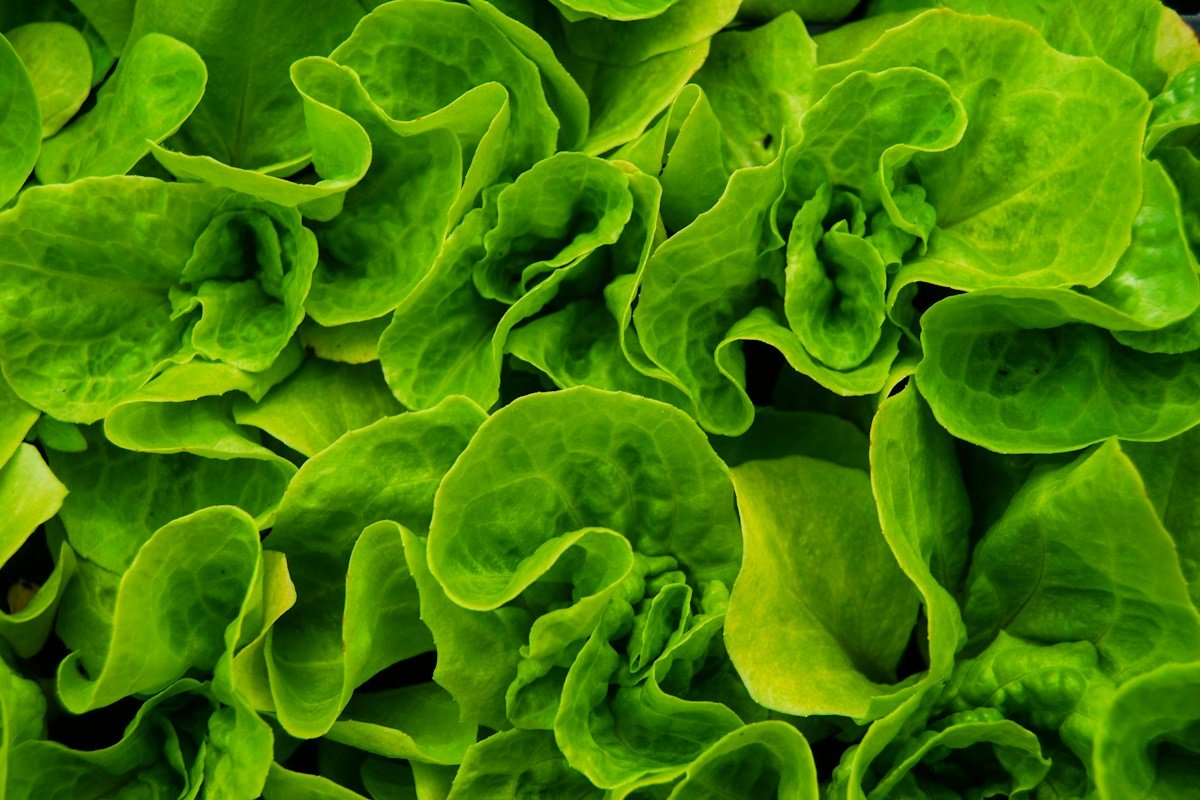

Commercial controlled environment agriculture (CEA) is undergoing an unprecedented technological revolution driven by escalating resource constraints, climatic volatility, and urban food security mandates. Among soil-less horticultural production platforms, the Nutrient Film Technique (NFT) represents the most water-efficient, space-optimized, and chemically controllable methodology for cultivating high-density leafy greens and culinary herbs. By delivering a continuous, micro-thin film of recirculating nutrient solution directly across bare plant root mats, NFT systems eliminate the massive water volumes and heavy physical growing substrates associated with aggregate culture, enabling rapid commercial crop turnover and exceptional yield uniformity.
Operating commercial NFT channels at industrial scales requires an uncompromising understanding of hydrodynamic fluid mechanics, root-zone dissolved oxygen kinetics, and precision inorganic chemistry. The foundational operational premise of NFT rests upon establishing a tri-phasic root environment: the bottom portion of the root mat is submerged in the flowing nutrient stream to absorb dissolved mineral ions; the middle portion absorbs moisture via capillary wick action; and the upper root volume remains permanently exposed to the humid channel atmosphere to absorb atmospheric oxygen. If this delicate tri-phasic equilibrium is disrupted by improper channel grading, excessive flow rates, or biological root clogging, crop yields collapse catastrophically.
Scaling NFT operations across multi-hectare greenhouse installations or multi-tier indoor vertical farms demands rigorous calibration of electrical conductivity (EC), pH buffering kinetics, nutrient solution temperature, and vapor pressure deficit (VPD). Commercial operators must navigate the complex chemical interactions of macronutrient ion antagonism, biological pathogen exclusion, and automated dosing automation to maintain consistent weekly harvest schedules. This engineering manual provides an exhaustive operational blueprint for designing, calibrating, and optimizing commercial NFT facilities for maximum fresh weight biomass and uncompromised commercial crop quality.
Furthermore, precision NFT cultivation unlocks extraordinary economic efficiencies. By eliminating single-use rockwool blocks, peat moss mixtures, and agricultural soils, commercial growers slash hazardous substrate disposal costs and post-harvest washing labor. When coupled with automated robotic planting and harvesting lines, modern NFT facilities achieve labor productivity metrics three to four times higher than conventional field agriculture, establishing durable competitive advantages across metropolitan wholesale produce markets.
Furthermore, commercial NFT operations benefit immensely from the integration of real-time spectral reflectance monitoring. Autonomous optical sensors positioned above finishing benches evaluate Normalized Difference Vegetation Index (NDVI) and photochemical reflectance indices across expanding lettuce heads. This non-destructive sensor feedback detects subtle micro-nutritional deficiencies or chlorophyll degradation twenty-four to forty-eight hours before visible foliage symptoms manifest, providing operators with actionable diagnostic data to adjust fertilizer dosing ratios dynamically.
Fluid Mechanics and Channel Hydrodynamic Design Parameters
The physical transport efficiency of a commercial NFT system is governed by the principles of open-channel fluid mechanics. Unlike pressurized pipe flow, water movement through an NFT channel operates under gravity-driven open-channel flow described by Manning’s equation. Channel slope, channel surface roughness, and volumetric inlet flow rate interact dynamically to determine fluid velocity, laminar boundary layer thickness, and root-zone residence time.
Commercial NFT channels are engineered from food-grade, UV-stabilized rigid polyvinyl chloride (PVC) featuring a flat, broad bottom profile (typically ten to fifteen centimeters wide) with fine longitudinal micro-ribbing. The flat bottom is mandatory: curved or round pipe profiles cause the nutrient stream to channel into a narrow, deep rivulet in the center, leaving roots along the sides dry, while flat profiles distribute the fluid in a uniform, shallow sheet across the entire channel width. The fine internal micro-ribs prevent the thin liquid film from breaking into surface tension rivulets, ensuring uniform moisture coverage even under low flow rates.
Channel slope calibration is critical for maintaining optimal film thickness. Commercial standards dictate a uniform downward slope between 1:30 (3.3 percent) and 1:40 (2.5 percent). If the slope is too gentle (under 1:50), water pools inside the channel, forming deep, stagnant ponds where dissolved oxygen is rapidly depleted, triggering root suffocation. Conversely, if the slope is too steep (greater than 1:20), fluid velocity becomes excessive, stripping the delicate root hair boundary layer and causing nutrient solution to bypass the root mat without adequate ionic contact.
Volumetric inlet flow rates must be calibrated to deliver between 1.0 and 2.0 liters per minute per channel. Extensive hydrodynamic modeling demonstrates that flow rates within this window maintain a true “nutrient film” measuring merely one to two millimeters in depth. Delivering flow rates exceeding 2.5 liters per minute converts the system from a true nutrient film into deep water channel flow, submerging the entire root volume, starving upper roots of oxygen, and drastically increasing the operational power requirements of main circulation pumps.
Root-Zone Dissolved Oxygen Kinetics and Anoxia Prevention
Dissolved oxygen (DO) availability in the root zone is the single most critical physiological rate-limiting factor governing nutrient uptake in high-density NFT systems. Plant roots are obligate aerobic organs that require continuous molecular oxygen to fuel mitochondrial respiration. Oxygen drives the production of adenosine triphosphate (ATP), which powers the active metabolic proton-ATPase transport enzymes embedded in root cell membranes responsible for importing nitrate, potassium, and phosphate ions against steep electrochemical gradients.
In long NFT channels (exceeding twelve to fifteen meters in length), a severe biological phenomenon known as the “longitudinal oxygen depletion gradient” frequently develops. As the thin nutrient film enters the top of the channel, dissolved oxygen is at saturation (typically 8.0 to 9.0 milligrams per liter at twenty degrees Celsius). However, as the water traverses down the channel, the cumulative respiration of hundreds of densely packed plant roots continuously strips dissolved oxygen from the moving film. By the time the solution reaches the bottom third of the channel, dissolved oxygen levels can plummet below 3.0 milligrams per liter, inducing severe cellular anoxia.
Plants suffering from root-zone anoxia exhibit immediate physiological collapse: active nutrient uptake halts, cell membranes become leaky, roots turn glassy brown, and the plant synthesizes stress ethylene that triggers lower leaf chlorosis and premature senescence. To prevent longitudinal anoxia, commercial NFT channel runs should be limited to a maximum length of nine to twelve meters. For longer greenhouse spans, engineers install secondary split-injection manifolds at the midpoint of the channel, injecting fresh, oxygen-saturated nutrient solution directly into the lower half of the run.
Furthermore, primary nutrient reservoir tanks must be equipped with active aeration systems, including venturi oxygen injectors or micro-pore ceramic diffuser grids fed by industrial regenerative blowers. Maintaining dissolved oxygen levels at or near supersaturation (between 9.0 and 12.0 milligrams per liter) throughout the recirculating loop ensures that even the furthest downstream plants maintain robust cellular respiration and peak nutrient assimilation kinetics.
Inorganic Nutrient Solution Chemistry and Stoichiometric Balancing
Formulating nutrient solutions for commercial leafy green production requires precise stoichiometric balancing of twelve essential inorganic mineral elements. Unlike fruiting crops that demand high potassium and phosphorus ratios to support floral development, vegetative leafy greens require balanced nitrogen-heavy profiles that maximize leaf surface expansion while preventing tip-burn, marginal necrosis, and excessive nitrate accumulation in edible tissues.
The ionic composition of an optimized leafy green solution is formulated around specific elemental target ranges: Nitrogen (150 to 180 ppm, with eighty-five to ninety percent supplied as nitrate-N and ten to fifteen percent as ammonium-N), Phosphorus (30 to 45 ppm), Potassium (180 to 220 ppm), Calcium (140 to 180 ppm), Magnesium (40 to 55 ppm), and Sulfur (50 to 70 ppm). Micronutrient targets are maintained with surgical precision: Iron (2.5 to 3.5 ppm as Fe-DTPA chelate), Manganese (0.5 ppm), Boron (0.45 ppm), Zinc (0.2 ppm), Copper (0.05 ppm), and Molybdenum (0.03 ppm).
Managing the nitrate-to-ammonium ratio (NO3-:NH4+) is a foundational chemical lever for controlling both plant tissue morphology and root-zone pH stability. Supplying one hundred percent of nitrogen as nitrate causes plant roots to exude hydroxyl (OH-) and bicarbonate (HCO3-) ions to maintain intracellular electrical neutrality, causing nutrient solution pH to drift steadily upward. By formulating ten to fifteen percent of the total nitrogen as cation ammonium (NH4+), roots absorb positively charged ammonium ions and exude hydrogen ions (H+), biologically counteracting the upward pH drift and stabilizing solution chemistry.
However, ammonium concentrations must never exceed twenty percent of total nitrogen in warm greenhouse conditions. In warm water, excess ammonium is toxic to leafy green roots, suppressing calcium and magnesium uptake, causing severe root vascular browning, and inducing inner leaf tip-burn in butterhead and romaine lettuce cultivars.
Calcium Mobility, Transpiration Dynamics, and Tip-Burn Mitigation
Physiological tip-burn represents the single most prevalent and economically devastating blemish encountered in commercial hydroponic leafy green production. Tip-burn manifests as necrotic, blackened margins along the edges of rapidly developing inner leaves. This disorder is not caused by an absence of calcium in the nutrient reservoir, but by an acute localized failure of calcium transport to rapidly expanding meristematic tissues.
Calcium is an immobile plant nutrient that moves exclusively through the xylem vascular stream driven by transpirative water loss. Outer, mature leaves possessing large surface areas and direct exposure to greenhouse airflow transpire aggressively, pulling the vast majority of calcium ions into their tissues. In contrast, young, tightly cupped inner leaves enclosed within the central plant heart transpire very weakly; consequently, they receive insufficient calcium to synthesize calcium pectate, the foundational biochemical mortar required to build stable cell walls. Under rapid vegetative growth, cell walls rupture, causing cellular collapse and necrotic tip-burn.
Eliminating tip-burn requires mechanical airflow manipulation rather than increasing fertilizer calcium concentrations. Commercial NFT greenhouses deploy vertical down-draft circulation fans or dedicated under-bench ducting systems that blow horizontal air jets directly downward into the center of expanding lettuce heads. Maintaining an air velocity of 0.3 to 0.5 meters per second directly across the plant heart strips the humid microclimatic boundary layer, stimulating localized transpiration from inner leaves and pulling vital calcium ions directly into rapidly expanding margins.
Nighttime root pressure management provides an additional, highly effective mitigation strategy. During dark periods when greenhouse lights are extinguished, relative humidity is allowed to rise to ninety to ninety-five percent while circulation pumps continue pulsing. Under near-zero atmospheric transpiration, healthy plant roots continue pumping mineral ions into the xylem, creating positive hydraulic root pressure (guttation) that pushes water and dissolved calcium to the very tips of non-transpiring inner leaves, completely preventing tip-burn development.
Electrical Conductivity (EC) Calibration and Osmotic Water Potential
Electrical conductivity (EC), measured in milliSiemens per centimeter (mS/cm) or microSiemens per centimeter (uS/cm), quantifies the total concentration of dissolved mineral salts within the hydroponic nutrient solution. Managing EC is critical because it dictates the external osmotic potential of the root zone, directly influencing the thermodynamic ease with which plant roots extract water and dissolved nutrients.
For commercial leafy greens, operational EC targets range between 1.2 and 1.8 mS/cm. In warm summer months characterized by high solar radiation and elevated ambient temperatures, plant transpirative water loss outpaces nutrient ion consumption. Under these conditions, agronomists depress the target EC to 1.1 to 1.4 mS/cm. Depressing EC reduces osmotic back-pressure, allowing plants to drink freely and hydrate rapidly without absorbing excess mineral salts that could cause leaf margin salt burn.
Conversely, during dark, cold winter production cycles with low ambient solar radiation, transpirative demand drops sharply while plants require concentrated mineral nutrition to sustain cellular expansion. Elevating the target EC to 1.8 to 2.2 mS/cm increases osmotic tension, preventing watery, fragile leaf tissue development, improving leaf thickness, and deepening green pigmentation, which enhances commercial culinary shelf life.
Automated multi-channel dosing skids continuously monitor return EC via toroidal electromagnetic conductivity sensors. When sensor readings drift below the programmed set-point due to plant ion absorption, high-precision peristaltic dosing pumps inject concentrated stock solutions (Stock A containing calcium nitrate and iron, Stock B containing potassium phosphate and sulfates) in equal ratios, restoring target conductivity within seconds.
pH Buffering Kinetics and Mineral Bioavailability Equilibria
The pH of the recirculating nutrient solution governs the chemical speciation and solubility of all dissolved mineral ions. In aqueous hydroponic environments, operating outside the optimal pH window of 5.6 to 6.2 triggers catastrophic chemical precipitation, rendering essential nutrients completely unavailable to plant roots regardless of total fertilizer concentration in the tank.
If solution pH drifts above 6.5, phosphate ions (PO4^3-) bond with dissolved calcium and magnesium ions, precipitating as insoluble calcium phosphate and magnesium phosphate precipitate. Concurrently, micro-nutrients, particularly iron, zinc, copper, and manganese, oxidize into insoluble hydroxide precipitates, causing rapid interveinal chlorosis across young expanding foliage. Conversely, if pH drops below 5.2, hydrogen ion toxicity burns root cap cells, while aluminum and manganese availability spikes to phytotoxic levels, and calcium and magnesium absorption stalls.
Commercial facilities utilize automated acid and base dosing loops to maintain solution pH within a narrow dead-band (5.7 to 5.9). Food-grade phosphoric acid (H3PO4) or nitric acid (HNO3) is dosed to counteract alkaline municipal water supplies and upward biological pH drift. When water supplies possess high carbonate alkalinity (greater than 100 ppm CaCO3 equivalent), installing an automated sulfuric acid injection skid or reverse osmosis pretreatment station is mandatory to strip raw carbonates before water enters the primary recirculating reservoir.
Incorporating specialized chemical chelates further shields trace minerals from pH-induced precipitation. Utilizing diethylenetriaminepentaacetic acid (Fe-DTPA) or ethylenediamine-N,N’-bis(2-hydroxyphenylacetic acid) (Fe-EDDHA) ensures that iron ions remain chemically sequestered inside protective organic rings, preserving complete bioavailability even if temporary system anomalies cause solution pH to spike to 7.0 or higher.
Water Temperature Regulation and Root-Zone Thermal Management
Because NFT channels possess minimal physical water volume and zero insulating substrate, the temperature of the recirculating nutrient film equilibrates rapidly with ambient greenhouse air temperatures. Managing root-zone water temperature independently from aerial greenhouse temperatures represents one of the most effective agronomic levers for maximizing year-round leafy green yields.
The optimal physiological temperature for leafy green root systems is strictly bounded between eighteen and twenty-one degrees Celsius. If water temperatures climb above twenty-three to twenty-four degrees Celsius, the physical solubility of oxygen in water drops sharply according to Henry’s Law. Concurrently, plant root cellular metabolic respiration accelerates exponentially, doubling root oxygen consumption. This lethal divergence creates an acute oxygen deficit that triggers rapid root death and explosive outbreaks of waterborne Pythium root rot.
To maintain optimal root temperatures during hot summer months, commercial facilities install titanium plate-and-frame water chillers coupled to closed-loop geothermal cooling wells or evaporative cooling towers. Chilling the recirculating nutrient film to nineteen degrees Celsius keeps the root zone physiologically comfortable even when aerial greenhouse temperatures reach thirty degrees Celsius, preventing bolting (premature flowering), bitter latex accumulation, and tip-burn in heat-sensitive lettuce varieties.
During winter production, titanium immersion heating coils or gas-fired heat exchangers warm the nutrient solution to eighteen degrees Celsius. Warming the root zone accelerates cellular division and nutrient absorption, allowing operators to run cooler greenhouse night air temperatures (saving massive heating fuel expenses) without sacrificing crop growth velocity.
Vapor Pressure Deficit (VPD) Optimization and Stomatal Conductance
Greenhouse climate control must be coordinated with hydroponic root-zone management through the precise regulation of Vapor Pressure Deficit (VPD). VPD measures the difference between the moisture pressure inside the saturated leaf internal air spaces and the drying capacity of the ambient greenhouse atmosphere, expressed in kilopascals (kPa).
VPD governs the driving force for plant transpiration. For commercial leafy green production, the target VPD window is maintained between 0.8 and 1.2 kilopascals. If greenhouse air is excessively humid (VPD below 0.5 kPa), the atmosphere is saturated, transpiration grinds to a halt, and nutrient transport (especially calcium) stalls, triggering severe tip-burn and fungal foliar diseases. Conversely, if greenhouse air is excessively dry (VPD above 1.5 kPa), transpirative demand exceeds the hydraulic transport capacity of the xylem, forcing guard cells to close leaf stomata, arresting carbon dioxide uptake and halting photosynthesis.
Modern climate computers integrate aspirated psychrometer boxes or infrared leaf temperature sensors to calculate real-time VPD continuously. When VPD climbs during midday solar peaks, the climate computer activates high-pressure fogging systems (operating at seventy bar to generate ten-micron water droplets) to humidify the air without wetting leaf surfaces, suppressing VPD back into the optimal 0.9 to 1.1 kPa zone and keeping plant stomata wide open for maximum photosynthetic carbohydrate synthesis.
Water Sanitization Technologies: UV Sterilization, Ozone, and Ultrafiltration
Recirculating hydroponic systems represent closed-loop epidemiological ecosystems. If a single plant root becomes infected with waterborne zoospores of Pythium ultimum, Phytophthora, or Xanthomonas campestris, the recirculating water loop will transport infectious propagules to every channel in the greenhouse within hours, destroying entire production blocks. Maintaining absolute biological purity requires continuous in-line water sanitization.
Ultraviolet (UV) radiation disinfection is the premier physical sterilization technology deployed in modern commercial NFT facilities. Return water from the channels passes through high-efficiency mechanical sediment filters to remove root hairs and suspended particulates before entering stainless steel UV contact chambers. Low-pressure or medium-pressure mercury vapor lamps emit intense germicidal radiation at the precise wavelength of 254 nanometers. This UV-C photon energy penetrates microbial cell walls, shattering the thymine base pairs in pathogen DNA and RNA, rendering bacteria, fungi, and viruses completely sterile and incapable of replication.
To achieve complete eradication of resistant fungal zoospores, UV systems must deliver a minimum germicidal dosage of 100 to 250 millijoules per square centimeter (mJ/cm2). Sizing UV reactors requires accounting for the UV-transmittance (UV-T) of the nutrient solution: because dissolved iron chelates and humic substances absorb UV light, UV-T is frequently reduced to seventy-five to eighty percent, requiring higher-output lamps to guarantee complete pathogen kill.
Alternative sanitization platforms integrate high-frequency ozone (O3) contact injection loops or ceramic ultrafiltration membranes (0.01 to 0.05 micron pore size). Ultrafiltration provides complete physical exclusion of all fungal and bacterial organisms without altering dissolved nutrient ion concentrations or decomposing sensitive organic iron chelates, delivering an unshakeable biosecurity shield for commercial recirculating loops.
Spectral Lighting Recipes: PAR Photoperiod and Daily Light Integral (DLI) Calculations
In commercial controlled environment NFT facilities, natural solar radiation is frequently supplemented or entirely replaced by solid-state horticultural light-emitting diode (LED) fixtures. Maximizing commercial fresh weight accumulation while preventing premature physiological senescence requires the precise engineering of photosynthetic photon flux density (PPFD), spectral wavelengths, and cumulative Daily Light Integral (DLI).
Daily Light Integral, quantified as moles of photosynthetically active photons per square meter per day (mol/m2/d), represents the foundational photobiological currency governing leafy green biomass accumulation. Commercial butterhead and romaine lettuce cultivars exhibit an optimal DLI window between fourteen and seventeen moles per square meter per day. If the cumulative DLI drops below twelve mol/m2/d due to winter cloud cover, plant development slows dramatically, requiring extended crop cycles. Conversely, delivering a DLI exceeding eighteen mol/m2/d under high PPFD can saturate the photosynthetic electron transport chain, causing localized photoinhibition, reactive oxygen species accumulation, and acute inner leaf tip-burn.
Horticultural LED spectrums are tailored through targeted spectral recipes. While plants appear green to the human eye because chloroplasts reflect green light, green photons (500 to 600 nanometers) penetrate significantly deeper into dense leafy crop canopies than red or blue light, driving photosynthesis in shaded lower leaf layers. Commercial NFT lighting arrays deploy broad-spectrum white LEDs enriched with deep red (660 nm) and far-red (730 nm) diodes. Adding ten to fifteen percent far-red photons stimulates phytochrome photo-equilibrium (Pfr/Ptotal), inducing controlled shade-avoidance leaf expansion that increases total canopy light interception without causing excessive, unmarketable stem stretching.
Automated Robotic Channel Spacing and Harvesting Automation Integration
Labor costs associated with manual channel handling, bench maneuvering, and individual head harvesting represent the largest ongoing operational expenditure in conventional hydroponic greenhouses. Modern industrial-scale NFT facilities eliminate manual bench handling by integrating fully automated dynamic channel spacing and robotic harvesting infrastructure.
Automated spacing benches utilize mechanical chain conveyors and servo-driven indexing arms that automatically advance channels along the greenhouse floor. During the initial week following transplanting, channels are indexed tightly together at a density of sixty plants per square meter. As canopies expand, automated gantries space the channels progressively further apart in four distinct mechanical stages until final harvest density (twenty to twenty-five plants per square meter) is reached. This automated spatial expansion boosts annual greenhouse biomass output by up to forty percent per square meter of enclosed building footprint.
At the finishing stage, channels advance automatically onto a central harvesting conveyor. High-speed multi-axis robotic delta arms equipped with machine vision cameras and pneumatic soft-touch end-effectors grip each lettuce head by its base. Ultrasonic cutting blades sever the root mass with sub-millimeter precision, depositing the roots into an organic compost stream while transferring the intact leafy head directly into an automated weighing and flow-wrapping packaging line. The empty PVC channel continues into an automated high-pressure sanitizing wash bay, where rotating spray nozzles blast hot water and peracetic acid through the channel interior, returning clean, sterile channels back to the automated seeding line in a continuous, zero-labor circular production loop.
Nursery Propagation Kinetics and Rockwool-Free Transplanting Mechanics
Commercial NFT success depends upon the production of uniform, disease-free nursery seedlings capable of immediate rapid vegetative expansion upon channel transplanting. Traditional hydroponic nurseries utilize synthetic rockwool or phenolic foam plugs, which present substantial annual input costs and leave non-biodegradable mineral waste that fouls post-harvest composting streams.
Advanced commercial NFT operations deploy modern substrate-free or minimal-substrate propagation platforms. High-precision automated needle seeders deposit pelleted seeds into reusable, food-grade polypropylene nursery grids or biodegradable stabilized peat-polymer plugs (such as pre-formed organic sponge plugs). Seeds are germinated in dedicated dark germination chambers maintaining ninety-five percent relative humidity and twenty degrees Celsius for forty-eight hours until radicle emergence.
Upon germination, seedlings are moved to automated ebb-and-flow nursery benches or high-density micro-NFT nursery channels illuminated by specialized LED propagation spectrums delivering 180 to 220 micromoles per square meter per second (umol/m2/s) of photosynthetically active radiation with a balanced 4:1 red-to-blue photon ratio. Seedlings are cultivated in the nursery at high spatial densities (up to 1,000 plants per square meter) for ten to fourteen days until roots form a cohesive, compact root ball.
Automated robotic gantry systems pick juvenile plugs from high-density nursery benches and transfer them into finishing NFT channels spaced at commercial densities (twenty to twenty-five plants per square meter). Transplanting seedlings with robust, uninjured root systems eliminates transplant shock, allowing plants to achieve commercial harvest weight (180 to 250 grams fresh head weight) within eighteen to twenty-four days of finishing channel placement.
Economic Modeling, Capital Expenditure, and Operational Profitability
Constructing a commercial NFT production facility requires substantial upfront capital expenditure (CapEx) for insulated Venlo-style glass or polycarbonate greenhouse structures, automated horizontal aluminum benching, food-grade PVC channels, computerized dosing skids, UV sterilizers, and automated climate computers. Developing a sound investment thesis requires detailed financial modeling that maximizes annual crop turns and space utilization efficiency.
In commercial leafy green production, space utilization is optimized by utilizing movable, automated dynamic spacing bench systems. Dynamic benches start newly transplanted channels close together (fifty plants per square meter), automatically expanding the spacing between channels every seven days as plant canopies expand. Dynamic spacing increases greenhouse spatial yield capacity by thirty-five to forty percent compared to static bench layouts, allowing operators to achieve sixteen to eighteen crop turns per year.
Operational expenditure (OpEx) is heavily influenced by electrical lighting, heating fuels, and packaging labor. Sourcing high-efficacy horticultural LED fixtures delivering 2.8 to 3.2 micromoles of photons per joule of electricity reduces lighting utility overhead by forty percent compared to legacy high-pressure sodium (HPS) fixtures. Automated optical harvesting lines that cut, weigh, and sleeve lettuce heads directly into modified atmosphere packaging (MAP) bags cut post-harvest labor by sixty percent.
With premium culinary herbs (such as Italian sweet basil) generating wholesale prices of twenty to thirty dollars per kilogram, and gourmet butterhead lettuce commanding 1.50 to 2.20 dollars per head, a well-managed one-hectare commercial NFT facility produces between 800,000 and 1,200,000 heads annually, generating gross revenues exceeding 1.8 to 2.4 million dollars and delivering EBITDA margins of thirty to forty percent at full operational maturity.
To assist commercial greenhouse designers and CEA operators in evaluating the engineering trade-offs across different soil-less production platforms, horticultural engineers utilize comprehensive comparative matrices. Comparing technical parameters across Nutrient Film Technique, Deep Water Culture, and Dutch Bucket systems provides an objective decision-making framework for capital allocation.
The following comparative diagnostic matrix illustrates the structural, hydrodynamic, and operational characteristics governing each commercial hydroponic cultivation platform.
Comparative Diagnostic Matrix of Commercial Hydroponic Cultivation Platforms
| Hydroponic System Parameter | Nutrient Film Technique (NFT) | Deep Water Culture (DWC) | Dutch Bucket Aggregate |
|---|---|---|---|
| Target Crop Suitability | Leafy greens, culinary herbs, brassicas | Head lettuce, heavy brassicas | Vine crops (tomatoes, cucumbers, peppers) |
| Volumetric Water Volume Ratio | Extremely Low (1 to 2 mm film) | Massive (30 to 40 cm deep water) | Medium (drip irrigation into media) |
| Thermal Root Buffering Capacity | Low (requires active water chilling) | High (massive thermal inertia) | Moderate (insulated perlite media) |
| Pumping Interruption Tolerance | Critical (desiccation within 1 to 2 hours) | Very High (survives days of pump failure) | Moderate (media holds moisture for hours) |
| Substrate Disposal Requirements | Zero (bare root in reusable channels) | Minimal (net pots on polystyrene rafts) | High (annual perlite/coir replacement) |
| Multi-Tier Vertical Farm Stacking | Ideal (lightweight modular channels) | Difficult (excessive structural weight) | Unsuitable (heavy vertical vine growth) |
| Root-Zone Oxygenation Mechanism | Direct atmospheric gas exchange & DO | Heavy pressurized air diffusers only | Porous media interstitial air spaces |
| Post-Harvest Cleaning Labor | Very Low (automated channel sanitizing) | High (manual raft scrubbing & tank drains) | High (bucket sterilization & media prep) |
Rigorous scientific literature published by accredited agricultural organizations, including the Food and Agriculture Organization Plant Production Division and controlled environment engineering guidelines from the USDA Agricultural Research Service, confirm the unparalleled water and nutrient productivity of precision NFT systems. Academic horticultural centers such as the University of Arizona Controlled Environment Agriculture Center publish verified chemical dosing equations for hydroponic cultivars. Furthermore, root-zone dissolved oxygen dynamics indexed in the Journal of Scientia Horticulturae and nutrient transport models in Nature Scientific Reports Plant Biology provide the empirical validation required for optimizing closed-loop commercial systems. These authoritative findings deliver the rigorous scientific foundation necessary to resolve complex production challenges across commercial horticultural enterprises.
Frequently Asked Questions About Commercial NFT Hydroponics
What is the optimal channel slope required for commercial NFT channels?
The optimal channel slope is calibrated between 1:30 (3.3 percent) and 1:40 (2.5 percent). This slope ensures that gravity pulls the nutrient solution down the channel at a velocity that maintains a thin, uniform liquid film measuring one to two millimeters in depth, preventing stagnant deep water pooling that would suffocate plant root hairs.
How does the Nutrient Film Technique prevent root-zone oxygen starvation?
NFT prevents oxygen starvation by maintaining a tri-phasic root environment: only the bottom one to two millimeters of the root mat is submerged in the flowing nutrient stream to absorb water and dissolved minerals, while the upper root volume remains permanently exposed to the humid channel atmosphere, absorbing molecular oxygen directly from the air.
Why is inner leaf tip-burn caused by transpiration failure rather than calcium deficiency?
Calcium is an immobile plant nutrient transported exclusively through the xylem stream driven by transpirative water loss. Expanding inner leaves enclosed in the plant heart transpire very weakly compared to mature outer leaves; consequently, they receive insufficient calcium to build cell walls. Blowing horizontal air jets (0.3 to 0.5 m/s) directly into the plant heart stimulates inner leaf transpiration, pulling calcium directly to leaf margins.
What is the ideal electrical conductivity (EC) range for commercial lettuce production?
The optimal EC range for commercial lettuce is between 1.2 and 1.8 mS/cm. During hot summer months with high evaporative demand, EC is depressed to 1.1 to 1.4 mS/cm to allow rapid water uptake; during dark winter months with low solar radiation, EC is elevated to 1.8 to 2.2 mS/cm to maintain compact, high-quality leaf texture and shelf life.
Why must nutrient solution pH be maintained strictly between 5.6 and 6.2?
Maintaining solution pH between 5.6 and 6.2 ensures that all twelve essential mineral elements remain fully dissolved in bioavailable ionic forms. If pH rises above 6.5, phosphate precipitates with calcium, and trace minerals (especially iron) precipitate out of solution; if pH drops below 5.2, hydrogen ion toxicity damages root cells and cation absorption stalls.
How does ultraviolet (UV) sterilization protect recirculating NFT loops?
In-line ultraviolet sterilizers expose the return nutrient stream to germicidal UV-C light at 254 nanometers, delivering a minimum dosage of 100 to 250 mJ/cm2. This photonic energy penetrates microbial cell walls, destroying pathogen DNA and RNA, rendering waterborne Pythium zoospores and bacterial blights completely sterile without adding chemical residues.
What is the maximum recommended channel length in commercial NFT installations?
The maximum recommended continuous channel length is nine to twelve meters. Beyond twelve meters, cumulative root respiration strips dissolved oxygen from the moving film, creating a longitudinal oxygen depletion gradient where downstream plants suffer from chronic anoxia, stunted growth, and root browning.
Why is water temperature chilling critical in summer hydroponic greenhouse operations?
Water chilling is critical because warm water (above twenty-four degrees Celsius) holds significantly less dissolved oxygen while simultaneously doubling root metabolic respiration, triggering rapid root suffocation and Pythium outbreaks. Chilling nutrient solutions to nineteen degrees Celsius preserves high dissolved oxygen saturation and prevents premature lettuce bolting.
What are the primary operational advantages of NFT over deep water culture (DWC)?
NFT channels contain minimal water volume, making them exceptionally lightweight and ideal for multi-tier vertical farming or mobile automated benching. Furthermore, NFT eliminates single-use floating rafts, requires ninety percent less total system water volume, and enables automated post-harvest channel cleaning that slashes commercial labor overhead.
Furthermore, advanced digital twin modeling platforms continuously simulate the chemical and physical dynamics of the recirculating water loop. By coupling real-time telemetry from thousands of in-line sensors with computational fluid dynamics (CFD) algorithms, digital twins forecast nutrient depletion rates, trace mineral imbalances, and potential Pythium infection vectors twenty-four to forty-eight hours before physical symptoms could manifest in plant foliage, allowing facility agronomists to execute corrective dosing with surgical precision.
Ultimately, commercial NFT hydroponics proves that agricultural production can be decoupled from environmental degradation and arable soil depletion. When controlled environment facilities combine fluid mechanics, automated stoichiometry, precision photobiology, and robotic handling, they establish a high-yield, climate-independent food production paradigm capable of nourishing urban populations with pristine, nutrient-dense produce while preserving the living ecosystems of our planet.
Controlled Environment Synthesis and the Future of Soil-Less Agriculture
The Nutrient Film Technique represents the high-water mark of resource-efficient precision agriculture. By stripping away non-productive soil mediums and engineering closed-loop fluid hydrodynamics, NFT enables commercial growers to deliver pristine, pesticide-free leafy greens to metropolitan consumer markets with unmatched water efficiency and land productivity. As sensor automation, computerized microclimate regulation, and high-efficacy LED lighting converge, commercial NFT facilities stand ready to anchor global urban food systems, ensuring a continuous, resilient supply of fresh culinary nutrition across a climate-stressed world.