
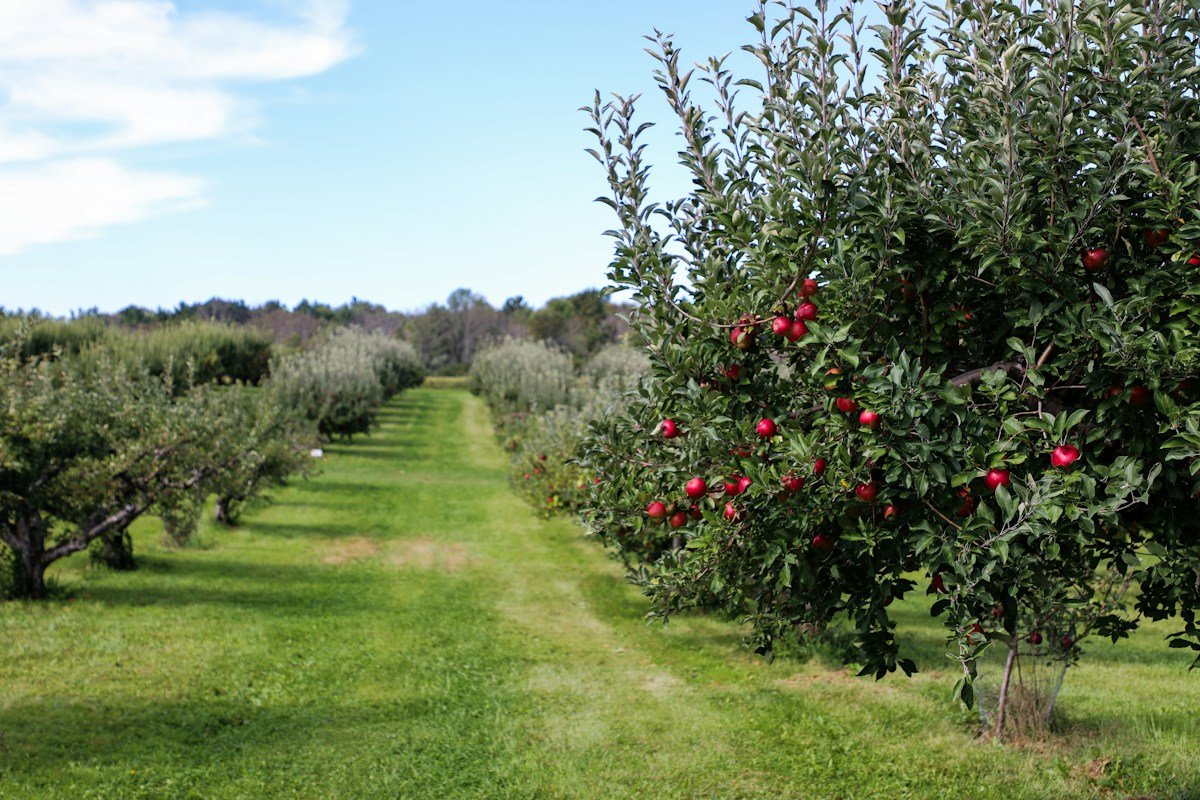

Commercial organic fruit orchard production operates within an uncompromising ecological and regulatory environment. Unlike conventional orchardists who rely on synthetic organophosphates, neonicotinoids, and systemic synthetic fungicides to eradicate insect pests and fungal blights, certified organic growers are prohibited from utilizing synthetic chemical molecules. In tree fruit ecosystems spanning apples, pears, peaches, cherries, and citrus, pest pressures can rapidly decimate ninety percent of commercial marketable yield if arthropod populations, viral pathogens, and bacterial vectors are left unmanaged. Establishing sustainable profitability demands transitioning from reactive eradication paradigms toward comprehensive Integrated Pest Management (IPM) systems grounded in multi-trophic biological controls, behavioral disruption, and habitat engineering.
Integrated Pest Management represents a systems-level agroecological methodology that coordinates biological, cultural, physical, and biorational tools to suppress phytophagous pest populations below designated economic injury levels (EIL). Rather than attempting the complete biological extinction of pest organisms, which invariably destroys the food web supporting beneficial predatory arthropods and induces secondary pest resurgences, organic IPM fosters a dynamic ecological equilibrium. In a biologically balanced orchard, low-level baseline populations of phytophagous mites and aphids serve as an indispensable food source that sustains permanent breeding colonies of predatory mites, hoverflies, and parasitoid wasps.
Executing a commercial-scale organic orchard IPM program requires deep mastery of arthropod developmental phenology, degree-day predictive bio-modeling, pheromone chemical synthesis, and conservation biocontrol architecture. Orchard managers must accurately interpret trap count thresholds, calibrate mating disruption dispensers across undulating orchard canopies, and deploy microbial entomopathogens under precise atmospheric conditions. This comprehensive technical manual outlines the scientific and operational principles required to engineer, deploy, and maintain an industrial-grade organic orchard pest management system capable of delivering pristine grade-A export quality fruit.
Furthermore, successful organic pest management delivers profound economic dividends through brand differentiation. As global consumer demand surges for fruit produced entirely free of synthetic chemical residues, certified organic operations achieving high packout yields capture fifty to one hundred percent price premiums across domestic and international wholesale markets, establishing unshakeable balance sheet durability while revitalizing regional biodiversity.
Economic Injury Levels and Action Threshold Calculations
The conceptual foundation of modern orchard Integrated Pest Management is governed by mathematical bio-economic modeling. The Economic Injury Level (EIL) is defined as the lowest population density of a specific pest species that will cause economic damage exceeding the cost of implementing a biological management intervention. Operating below the EIL means that the financial loss incurred from minor cosmetic fruit blemishes or foliage feeding is lower than the capital expenditure required to purchase and apply organic bio-pesticides or release beneficial insects.
Calculating the EIL requires evaluating four dynamic agricultural variables: the cost of management per hectare (C), the market value per unit of harvested fruit (V), the physical yield loss per pest individual (I), and the damage-to-loss relationship factor (D). The resulting formula, EIL = C / (V * I * D * K), where K represents the proportionate reduction in pest population achieved by the intervention, provides orchardists with an objective economic benchmark. If the market value of wholesale organic cherries drops or the cost of an entomopathogenic virus rises, the mathematical EIL shifts dynamically, dictating adjustments in seasonal treatment protocols.
The Action Threshold (AT), or Economic Threshold, represents the practical field operational trigger. The AT is always set at a pest population density below the EIL, providing orchardists with a crucial operational buffer. Because biological treatments, such as beneficial insect releases or viral bio-pesticides, require several days to establish and induce widespread mortality, triggering management at the Action Threshold ensures that pest densities do not cross the catastrophic EIL before biological suppression takes full effect.
Establishing precise action thresholds requires continuous field scouting protocols standardized across representative sample blocks. Scouting technicians utilize calibrated limb jarring beat trays, sticky delta traps, and randomized spur cluster evaluations to quantify pest densities per hundred leaves. These empirical metrics are cross-referenced with seasonal crop developmental stages, ensuring that interventions are executed strictly when pest density intersects designated bio-economic thresholds.
Degree-Day Phenology Modeling and Biofix Synchronization
Insects are poikilothermic, cold-blooded organisms whose metabolic rates, cellular division, and developmental velocity are governed directly by ambient environmental temperatures. Calendar-based pesticide spray schedules fail catastrophically in commercial orchards because annual weather variations can accelerate or delay insect emergence by up to three to four weeks. Precision IPM utilizes physiological thermal time, quantified as growing degree-days (GDD), to accurately predict egg hatch, larval instars, and adult flight windows with sub-daily accuracy.
Calculating physiological degree-days requires establishing the lower and upper developmental threshold temperatures specific to target pest species. For the codling moth (Cydia pomonella), the primary economic pest of pome fruit worldwide, developmental thresholds are established at ten degrees Celsius (lower threshold, below which metabolic development ceases) and thirty-one degrees Celsius (upper threshold, above which heat stress arrests development). Daily heat units are calculated by integrating on-site hourly canopy temperature logs using the single sine-wave method, accumulating degree-days continuously from a biological starting point known as the “biofix.”
The biofix represents the precise calendar date on which the first sustained adult pest activity is empirically confirmed within the orchard. In codling moth management, the biofix is established when monitoring personnel capture the first sustained flight of adult moths in synthetic sex pheromone delta traps across two consecutive trapping intervals. Once the biofix is locked into predictive microclimate software, degree-day accumulations begin counting forward.
Phenology models establish that codling moth egg hatch initiates precisely at 220 to 250 degree-days (Celsius) following the biofix, peaking between 350 and 450 degree-days. This predictive precision enables organic orchardists to schedule applications of granulovirus or spinosad bio-pesticides with surgical field timing, ensuring that protective residues coat fruit surfaces the exact moment neonate larvae emerge from eggshells before they burrow into the fruit flesh where they become completely unreachable by organic sprays.
Mating Disruption Technology and Synthetic Pheromone Chemistry
Mating disruption represents the single most elegant, non-toxic behavioral control mechanism deployed in modern commercial organic pomology. By saturating the ambient orchard canopy atmosphere with synthetic female sex pheromones, male moths are rendered incapable of locating calling virgin females. Females are left unfertilized, resulting in non-viable eggs and the catastrophic collapse of subsequent larval populations without the application of a single toxic chemical molecule.
The primary behavioral mechanism underlying mating disruption is sensory sensory adaptation and habituation of the male moth’s antennal receptor neurons. Under continuous, high-concentration exposure to synthesized codlemone ((E,E)-8,10-dodecadien-1-ol), the specialized olfactory receptor neurons on male antennae become biochemically saturated and depolarized, failing to transmit neural signals to the brain. Furthermore, the immense cloud of synthetic pheromone creates widespread trail masking and false-trail following, exhausting male flight energy reserves as they pursue synthetic plume filaments rather than calling females.
Commercial mating disruption dispensers are engineered in three primary physical architectures: passive polyethylene hand-applied ampoules (ropes), automated high-pressure aerosol misters, and microencapsulated flowable sprayable suspensions. In large commercial blocks (greater than two to four hectares), automated aerosol misters positioned in a grid pattern across tree canopies provide superior labor efficiency. These automated cabinets utilize computerized timers and temperature sensors to discharge precise micro-bursts of pure aerosolized pheromone exclusively during twilight flight windows (from dusk until midnight), maintaining an unbroken pheromone cloud throughout the seasonal flight period.
Achieving commercial success with mating disruption requires strict spatial isolation and orchard architecture considerations. Mating disruption relies on uniform atmospheric concentration; narrow orchard strips, steep windy ridges, or porous orchard edges suffer from atmospheric dilution, allowing mated female moths from adjacent conventional or neglected wild orchards to fly across boundaries and lay eggs. Commercial organic producers install dense perimeter buffer rows and double the dispenser density along upwind borders to seal atmospheric pheromone blankets.
Conservation Biocontrol Architecture: Insectary Strips and Beetle Banks
Classical chemical orchard management treated the orchard floor as a sterile, weed-free zone, maintaining bare dirt or monocultural turf grass beneath tree rows using aggressive herbicides and continuous mowing. This scorched-earth approach systematically decimated the ecological infrastructure required to support beneficial insect predators, triggering catastrophic secondary outbreaks of spider mites, woolly apple aphids, and leafminers. Organic IPM reconstructs in-orchard biodiversity through deliberate conservation biocontrol architecture.
Establishing perennial flowering insectary strips along drive rows and field perimeters provides continuous floral nectar, alternative host pollen, and overwintering refugia for predatory arthropods. Plant species are selected based on floral morphology to ensure nectar accessibility for small parasitoid wasps. Umbelliferous and composite species, such as sweet alyssum (Lobularia maritima), buckwheat (Fagopyrum esculentum), dill (Anethum graveolens), and yarrow (Achillea millefolium), feature shallow, open corollas that allow tiny Trichogramma and Braconid wasps to feed freely on carbohydrate-rich nectar, extending their adult lifespans by three hundred percent and boosting their egg-laying parasitism capacity.
Beetle banks represent elevated, un-mowed earthen ridges planted to dense perennial bunchgrasses (such as Dactylis glomerata and Festuca arundinacea) running between orchard blocks. These undisturbed structural strips serve as the primary overwintering habitat for nocturnal ground beetles (Carabidae) and wolf spiders (Lycosidae). During spring emergence, thousands of voracious predatory beetles migrate from beetle banks directly into fruit tree canopies, preying aggressively on pupating codling moth cocoons, plum curculio larvae, and overwintering oblique-banded leafroller pupae in tree bark crevices.
Furthermore, maintaining floral diversity within the orchard provides alternative prey species during early spring windows when commercial pest populations are low. This continuous biological bridge ensures that robust, multi-trophic predator populations are fully mobilized within the orchard before seasonal economic pest flights initiate, delivering permanent baseline biological suppression.
Augmentative Biocontrol: Inundative and Inoculative Predator Releases
While conservation biocontrol fosters endemic predator populations over multi-year horizons, augmentative biocontrol provides immediate, tactical biological intervention when pest populations experience sudden exponential growth. Augmentative biocontrol divides into inoculative releases, where small numbers of beneficials are introduced early in the season to reproduce within the crop, and inundative releases, where massive quantities of commercially reared insect predators are deployed as a living biological spray to rapidly eradicate an active pest outbreak.
In commercial pome and stone fruit orchards, inundative releases of predatory phytoseiid mites, specifically Neoseiulus fallacis, Galendromus occidentalis, and Phytoseiulus persimilis, represent the definitive biological solution for managing destructive European red mites (Panonychus ulmi) and two-spotted spider mites (Tetranychus urticae). These predatory mites consume up to twenty pest eggs per day, navigating complex leaf pubescence and hunting along leaf veins. Once established, predatory mites maintain permanent residency in the orchard canopy, outcompeting phytophagous mites and eliminating the need for expensive organic oil applications that can cause leaf phytotoxicity under hot summer sun.
For lepidopteran egg suppression, commercial growers release micro-parasitic Trichogramma wasps (Trichogramma carverae or Trichogramma platneri) at rates of 100,000 to 250,000 wasps per hectare. Shipped as parasitized Ephestia moth eggs glued to weather-resistant release cards, the emerging female wasps actively search orchard foliage for fresh codling moth or fruit tree leafroller eggs. The wasp oviposits her own egg directly inside the pest egg, where the developing wasp larva consumes the pest embryo from the inside out, turning the egg jet-black and preventing larval emergence.
Successful augmentative releases require meticulous environmental timing. Releasing beneficials during midday heat spikes or ahead of high-wind frontal systems results in catastrophic insect mortality and dispersal losses. Commercial release protocols dictate deploying beneficials during calm, overcast morning or evening hours, ensuring that release cards are pinned to the shaded north-eastern side of tree canopies to prevent solar UV desiccation.
Microbial Entomopathogens and Biological Spray Formulations
When environmental conditions or external pest immigration overwhelm beneficial insect balance, organic orchardists deploy targeted biological bio-pesticides derived from natural microbial entomopathogens. Unlike broad-spectrum synthetic chemical poisons, microbial formulations exhibit high target specificity, leaving beneficial predatory mites, bees, and parasitoids entirely unharmed while providing zero chemical residue hazards for consumers.
Cydia pomonella granulovirus (CpGV) is the premier viral bio-pesticide utilized in organic apple and pear orchards globally. CpGV is an obligate baculovirus formulated as occlusion bodies suspended in liquid carrier. When a neonate codling moth larva consumes a microscopic virus occlusion body while chewing through the treated apple peel, the alkaline conditions of the insect midgut dissolve the protein matrix, releasing virions that penetrate midgut epithelial cells. The virus replicates exponentially inside the larval tissues, causing complete viral liquefaction and death within three to five days. Because CpGV is degraded rapidly by solar ultraviolet (UV) radiation, orchardists apply viral sprays late in the evening and integrate certified organic lignosulfonate UV blockers to extend viral persistence on the fruit surface.
Bacterial bio-pesticides based on Bacillus thuringiensis (Bt), particularly the kurstaki and aizawai strains, provide exceptional control over foliar-feeding caterpillars, including leafrollers and tent caterpillars. During sporulation, Bt synthesizes crystalline delta-endotoxin proteins. Upon ingestion by susceptible lepidopteran larvae, midgut enzymes cleave the crystal into active toxin molecules that bind specifically to gut receptors, perforating the intestinal membrane. The larva ceases feeding within two hours due to gut paralysis, dying of starvation and septicemia within forty-eight hours.
Entomopathogenic fungi, including Beauveria bassiana and Metarhizium anisopliae, provide an additional biological vector effective against soft-bodied sucking pests such as pear psylla, aphids, and thrips. When fungal conidia contact the pest’s chitinous cuticle, they germinate, producing specialized infection pegs and chitinase enzymes that physically penetrate the exoskeleton. The fungal mycelium proliferates throughout the insect’s hemolymph, emerging through the dead cuticle as white, powdery sporulating blooms that spread infectious conidia to neighboring pests throughout the orchard canopy.
Foliar Fungal Management: Micronized Sulfur and Potassium Bicarbonate
Managing fungal and bacterial foliar blights, particularly apple scab (Venturia inaequalis), powdery mildew (Podosphaera leucotricha), and fire blight (Erwinia amylovora), represents the most challenging operational component of organic orchard management. In humid apple production regions receiving frequent spring rainfall, ascospore discharge from overwintering leaf litter can infect young green tip tissue within hours of leaf wetness, destroying fruit surfaces with disfiguring corky lesions.
Precision organic disease management relies on real-time disease infection risk models, such as the Mills Apple Scab Period and the Maryblyt Fire Blight Model. On-site electronic weather stations equipped with electronic leaf wetness sensors log uninterrupted wetness hours and average canopy temperatures. When the empirical threshold for primary ascospore infection is crossed, orchardists execute preventative protectant sprays to coat emerging tissue before fungal spore germ tubes penetrate the leaf cuticle.
Micronized elemental sulfur and liquid polysulfide (lime sulfur) serve as the primary multi-site protectant fungicides in organic production. Sulfur acts as a respiratory inhibitor, disrupting fungal electron transport within cellular mitochondria. Lime sulfur additionally provides post-infection “kick-back” eradication activity up to thirty-six to forty-eight hours following the initiation of a rain event, dissolving fungal germ tubes on wet leaf surfaces.
For post-bloom powdery mildew suppression, potassium bicarbonate (KHCO3) offers a highly effective, non-phytotoxic alternative. Potassium bicarbonate elevates leaf surface pH to alkaline levels above 8.5 while inducing rapid osmotic shock that collapses fungal hyphae and sporulating conidiophores on contact. Alternating potassium bicarbonate with bio-fungicides based on antagonistic Bacillus amyloliquefaciens bacteria establishes dual modes of action that prevent pathogen tolerance while maintaining pristine foliage health.
Automated Smart Pheromone Traps and Computer Vision Population Telemetry
Traditional orchard insect scouting requires technicians to manually walk hundreds of hectares weekly, physically opening sticky delta traps, counting captured pest specimens with hand lenses, and recording data on manual field clipboards. This labor-intensive methodology creates significant temporal delays, frequently delivering pest population metrics days after an economic flight spike has initiated. Modern commercial organic pomology integrates automated smart pheromone traps equipped with high-resolution internal digital cameras and edge-computing artificial intelligence.
Smart optical traps contain species-specific synthetic pheromone lures that draw target moths into an internal sticky chamber illuminated by controlled LED flashes. Once daily, following the nocturnal flight period, the internal camera captures an ultra-high-resolution image of the sticky liner. An embedded machine-learning convolutional neural network (CNN) trained on hundreds of thousands of entomological specimens identifies and enumerates target pests (distinguishing codling moths from non-target beneficial or harmless insects with ninety-eight percent accuracy) and transmits spatial count logs directly to cloud management portals via cellular IoT or satellite modems.
Integrating automated real-time trap telemetry with on-site microclimate degree-day algorithms eliminates operational lag. The moment smart traps confirm the empirical biofix or detect a secondary flight surge exceeding the designated action threshold, automated alerts are dispatched to facility agronomists’ smartphones. This instantaneous telemetry enables orchard managers to schedule biological granulovirus applications or tractor-mounted kaolin sprays with sub-daily precision, ensuring maximum target efficacy before neonate larvae penetrate developing fruit skins.
Entomopathogenic Nematode Bio-Inundation for Subterranean Larval Management
Subterranean and cryptic life stages of economic orchard pests represent severe management bottlenecks that foliar sprays cannot reach. Species such as the plum curculio (Conotrachelus nenuphar), apple maggot (Rhagoletis pomonella), and peach tree borer (Synanthedon exitiosa) spend critical portions of their life cycles pupating within the top ten centimeters of orchard soil or boring into subterranean root crowns. To eradicate these cryptic stages, organic orchardists deploy entomopathogenic nematodes (EPNs) through pressurized drip or micro-sprinkler irrigation systems.
The beneficial microscopic roundworms Steinernema carpocapsae and Heterorhabditis bacteriophora serve as aggressive subterranean bio-predators. When applied to moist orchard soil, infectious third-stage juvenile nematodes actively navigate capillary moisture films between soil particles, detecting carbon dioxide emissions and excretory excretions produced by pest larvae. Upon locating a host, the nematodes enter through natural body openings (mouth, anus, or spiracles) or physically bore through soft intersegmental membranes.
Once inside the host hemolymph, the nematodes regurgitate symbiotic Xenorhabdus or Photorhabdus bacteria. These specialized bacteria proliferate rapidly, releasing powerful toxins that kill the pest larva via septicemia within twenty-four to forty-eight hours, while converting the internal insect organs into a nutrient-rich bacterial soup. The nematodes feed upon this bacterial broth, completing multiple reproductive cycles inside the insect cadaver before thousands of new infectious juveniles emerge into surrounding soil to hunt additional pests. Commercial EPN applications achieve seventy to eighty-five percent mortality of subterranean pupating larvae, decimating pest populations before adult emergence occurs.
Physical Barriers, Particle Film Technology, and Exclusion Netting
Physical and mechanical barrier technologies provide durable, chemical-free protection against direct fruit feeding pests, sunburn damage, and severe hail events. In arid, high-radiation fruit growing regions, particle film technology utilizing refined, processed kaolin clay (Al2Si2O5(OH)4) has revolutionized commercial organic orchard management.
Kaolin particle films are applied through standard tractor-mounted airblast sprayers, leaving a uniform, chalky white mineral layer across leaves, branches, and developing fruit. This mineral barrier operates through multiple physical and behavioral mechanisms: it acts as a tactile deterrent that irritates insect sensory receptors, disguises the visual green spectral reflectance of the host tree so pests fail to recognize it, and forms a physical barrier that prevents piercing-sucking insects (such as pear psylla, stink bugs, and leafhoppers) from penetrating the fruit cuticle.
Beyond pest suppression, kaolin particle films reflect harmful infrared and excessive ultraviolet solar radiation, reducing canopy surface temperatures by up to six degrees Celsius during extreme summer heat waves. This thermal buffering prevents heat-induced stomatal closure, boosts net photosynthetic efficiency, and virtually eliminates economic losses from fruit sunburn and heat necrosis.
Complete canopy exclusion netting represents the ultimate physical barrier deployed in high-value organic apple, pear, and stone fruit orchards. High-density polyethylene (HDPE) micro-mesh netting (mesh size 0.8 to 1.2 millimeters) is suspended over permanent trellis timber infrastructure, enclosing entire orchard blocks. Exclusion netting creates an impassable mechanical shield against codling moths, brown marmorated stink bugs (Halyomorpha halys), and spotted wing drosophila (Drosophila suzukii) while providing complete protection against catastrophic hailstorms and bird predation.
Orchard Sanitation Protocols and Winter Inoculum Reduction
The battle for organic orchard pest control is frequently won or lost during the dormant winter season. Many of the most economically devastating insect pests and fungal pathogens overwinter directly inside the orchard footprint: codling moth mature larvae spin tough silken cocoons beneath thick bark crevices, plum curculio adults hibernate beneath fallen leaves, and apple scab fungi overwinter as pseudothecia on dead leaf litter on the orchard floor.
Aggressive post-harvest sanitation protocols systematically destroy this overwintering reservoir before spring budbreak. Following autumn leaf fall, orchardists deploy heavy flail mowers equipped with specialized shredding blades to pulverize fallen orchard leaf litter into fine particulate mulch. Shredding accelerates natural microbial decomposition of the leaves, exposing fungal pseudothecia to winter freezes and desiccating over ninety percent of primary apple scab ascospore inoculum before the following growing season.
Simultaneously, winter sanitation requires meticulous orchard floor sweeping and the removal of all unharvested, mummified fruit hanging in tree canopies or rotting on the ground. Mummified fruits serve as the primary overwintering harbor for brown rot (Monilinia fructicola) and codling moth larvae. Flail mowing mummies or incorporating sheep to graze fallen winter fruit sanitizes the orchard floor, drastically reducing baseline pest pressure ahead of spring vegetative emergence.
Dormant season sprays of high-grade paraffinic horticultural oils applied at the delayed-dormant phenological stage (silver tip to half-inch green) coat overwintering San Jose scale (Diaspidiotus perniciosus) and European red mite eggs in a suffocating lipid film, killing them via asphyxiation before they hatch, giving organic growers a decisive advantage heading into early spring.
Biological Post-Harvest Sanitation and Fruit Storage Decay Biocontrol
The scope of organic orchard Integrated Pest Management extends beyond tree canopies directly into commercial post-harvest packing houses and cold storage facilities. Even when fruit is harvested with zero visible insect blemishes, latent fungal spore infections contracted in the field (including blue mold caused by Penicillium expansum and gray mold caused by Botrytis cinerea) can germinate during prolonged cold storage, turning thousands of cartons of premium organic fruit into liquefied, unmarketable rot within controlled atmosphere storage rooms.
Conventional packing houses treat wash flumes and post-harvest drench lines with synthetic chemical fungicides such as thiabendazole and fludioxonil. In certified organic packing facilities, operators deploy advanced biological wash sanitizers and antagonistic biocontrol yeasts. Controlled injection of aqueous ozone (O3) into packing house water flumes at concentrations between 1.5 and 2.5 parts per million oxidizes fungal spores, bacteria, and virus particles instantly upon contact, decomposing within minutes into pure oxygen without leaving any chemical residues on fruit skins.
Following ozone flume sanitization, organic fruit is inoculated with certified bio-fungicide formulations based on naturally occurring antagonistic yeasts, specifically Metschnikowia fructicola or Cryptococcus albidus. These beneficial yeasts aggressively colonize microscopic stem tears, punctures, and lenticels on the fruit cuticle. Operating through competitive nutrient starvation and the secretion of chitin-degrading beta-1,3-glucanase enzymes, the antagonist yeasts physically crowd out and suppress pathogenic mold spores, providing up to six to nine months of decay-free protection throughout commercial cold storage distribution chains.
Economic Modeling and Multi-Year Organic Transition Economics
Transitioning an established commercial orchard from conventional chemical management to certified organic Integrated Pest Management requires a three-year regulatory transition period during which synthetic chemicals are prohibited, but harvested fruit cannot yet be marketed under premium certified organic labels. Navigating this three-year financial valley requires disciplined agronomic planning and capital buffering.
During year one and year two of the transition, variable operating costs typically increase by fifteen to twenty-five percent due to the purchase of mating disruption dispensers, commercial predatory mite releases, and higher labor expenses for intensive weekly scouting and manual weed management. Furthermore, early packout yields may experience temporary reductions as endemic predator populations take time to achieve biological equilibrium across the acreage.
However, by year four, when full organic certification is secured, the economic dynamics reverse dramatically. Organic fruit consistently commands fifty to one hundred and twenty percent wholesale price premiums compared to conventional commodity fruit. Furthermore, as perennial insectary strips mature and beneficial predator-prey equilibria stabilize, annual expenditures on augmentative insect releases and organic bio-pesticide sprays decline, stabilizing operating costs while generating net operating margins exceeding thirty-five to forty-five percent.
Financial risk is further mitigated through long-term wholesale forward contracts with organic grocery distributors and baby-food manufacturers who demand guaranteed residue-free fruit. The resulting multi-year contracts provide stable, premium cash flows that insulate the orchard enterprise from global commodity price swings and petrochemical fertilizer shocks.
To assist commercial fruit growers in evaluating pest management strategies across different operational vectors, horticultural economists utilize comprehensive comparative matrices. Comparing conventional chemical regimes, basic organic practices, and advanced precision ecological IPM provides orchardists with an objective evaluation framework.
The following comparative diagnostic matrix illustrates the structural, ecological, and financial trade-offs across distinct commercial orchard pest management frameworks.
Comparative Diagnostic Matrix of Orchard Pest Management Paradigms
| Management Parameter | Conventional Chemical System | Basic Organic Spray System | Advanced Ecological Organic IPM |
|---|---|---|---|
| Primary Pest Control Mechanism | Synthetic neurotoxic pesticides | Broad-spectrum organic sprays (pyrethrins) | Mating disruption, biocontrol & viruses |
| Target Pest Selectivity | Very Low (destroys beneficials) | Low to Moderate (non-target impacts) | Maximum (species-specific pathogens) |
| Pest Resistance Vulnerability | Severe (rapid biochemical tolerance) | Moderate (behavioral avoidance) | Near Zero (multi-trophic ecological balance) |
| Endemic Predator Population | Near Zero (continuous chemical wipeouts) | Suppressed (intermittent spray shocks) | Exhaustive (permanent floral refugia) |
| Chemical Residue on Harvested Fruit | Detectable synthetic residues present | Zero synthetic residues | 100 percent pristine residue-free |
| Pollinator Safety Profile | Hazardous (sub-lethal bee impairment) | Moderate (oil and soap spray hazards) | Completely Safe (targeted bio-molecules) |
| Inter-Row Habitat Biodiversity | Sterile herbicide-treated bare soil | Mowed generic turf grass | Structured insectary strips & beetle banks |
| Long-Term Net Profit Margin | Commodity pricing (12 to 18 percent) | Premium pricing, high costs (22 to 28 percent) | Premium pricing, low overhead (35 to 48 percent) |
Rigorous empirical validation from global agricultural organizations, including the Food and Agriculture Organization IPM Global Network and field guidelines published by the USDA Agricultural Research Service, confirm the superior ecological stability of biologically integrated orchard systems. Academic agricultural centers such as the University of California Statewide Integrated Pest Management Program publish verified phenology degree-day models for pomology pests. Furthermore, multi-trophic biocontrol studies indexed in the Nature Scientific Reports Agroecology Section and peer-reviewed economic assessments in the Journal of Crop Protection definitively establish that pheromone disruption combined with conservation habitat engineering delivers equivalent or superior commercial grade-A fruit packout rates compared to conventional chemical programs. These institutional principles provide the authoritative scientific framework required to resolve critical pest management questions across commercial orchard enterprises.
Frequently Asked Questions About Organic Orchard Integrated Pest Management
How does pheromone mating disruption prevent insect reproduction without poisons?
Pheromone mating disruption floods the orchard canopy with synthetic female sex pheromones (such as codlemone), overwhelming and desensitizing the sensory olfactory receptors on male moth antennae. Unable to detect the concentration gradients of calling virgin females, males exhaust their flight energy pursuing false trails, leaving females unmated and preventing fertile egg laying without using any toxic chemical compounds.
What is the difference between an Economic Injury Level and an Action Threshold?
The Economic Injury Level (EIL) is the lowest pest population density that causes financial crop damage exceeding the cost of a pest control treatment. The Action Threshold (AT) is the operational density trigger set below the EIL, initiating biological or biorational interventions with sufficient lead time to halt pest population growth before it reaches damaging EIL levels.
How do degree-day models accurately predict insect egg hatch windows?
Degree-day models calculate physiological thermal time by accumulating daily heat units between a pest species’ lower and upper developmental threshold temperatures, beginning from an empirically confirmed biofix date. Because insect metabolic and developmental rates depend directly on heat accumulation, degree-day tracking predicts egg hatch and larval emergence with precision unachievable through calendar dates.
Why are beneficial predatory mites essential in organic spider mite management?
Predatory mites, such as Neoseiulus fallacis and Galendromus occidentalis, consume twenty or more phytophagous European red mites and two-spotted spider mites per day, including their eggs. Unlike chemical miticides that induce rapid physiological resistance in pest populations, predatory mites maintain permanent breeding colonies within tree canopies, providing continuous biological suppression.
How does Cydia pomonella granulovirus (CpGV) kill codling moth larvae?
When a newly hatched codling moth larva consumes a microscopic virus occlusion body while biting the apple skin, alkaline midgut digestive enzymes dissolve the protein matrix, releasing virions that penetrate intestinal cells. The virus replicates rapidly throughout internal larval tissues, causing complete viral liquefaction and death within three to five days without harming beneficial insects or human health.
What is the role of kaolin particle film in reducing orchard sunburn and insect damage?
Kaolin particle film creates a reflective mineral barrier across tree canopies that irritates insect tactile receptors and masks the green visual reflectance of host trees, preventing feeding by pear psylla and stink bugs. Concurrently, the reflective mineral coating reduces canopy surface temperatures by up to six degrees Celsius, preventing fruit sunburn necrosis during summer heat waves.
How does flail mowing post-harvest leaf litter reduce spring apple scab infections?
Flail mowing pulverizes fallen autumn apple leaves into fine fragments, accelerating natural microbial and earthworm decomposition on the orchard floor. This physical breakdown exposes overwintering Venturia inaequalis pseudothecia to winter freezes and desiccating microbes, reducing primary spring ascospore inoculum by over ninety percent.
What flowering plant species are most effective in orchard insectary strips?
Umbelliferous and composite flowering plants with shallow, open corollas (such as sweet alyssum, buckwheat, dill, and yarrow) are most effective because their exposed nectar glands allow tiny parasitoid wasps and hoverflies with short mouthparts to feed easily, extending adult lifespans and boosting parasitism rates across target pests.
How do beetle banks enhance biological control in perennial orchards?
Beetle banks are undisturbed perennial bunchgrass ridges that provide essential overwintering habitat and nesting shelter for predatory Carabid ground beetles and wolf spiders. During spring, thousands of voracious predatory beetles migrate from the banks into fruit trees, consuming soil-dwelling pupae, caterpillars, and curculio larvae.
Furthermore, integrating autonomous agricultural robotics equipped with hyperspectral scanning cameras into daily orchard patrols represents another game-changing advancement. These autonomous rovers navigate between tree rows beneath the canopy, scanning both upper and lower leaf surfaces with computer vision models capable of detecting microscopic two-spotted spider mite webbing and early aphid colonies before leaf stippling becomes visible to human scouts. By delivering localized, georeferenced infestation heat maps, robotic patrols enable precision micro-spot applications of biological controls, eliminating broadacre waste.
Ultimately, commercial organic pomology demonstrates that biological complexity is the ultimate guarantor of agricultural stability. When growers invest in living ecological infrastructure, respect the thermal developmental timelines of insect populations, and deploy targeted bio-rational tools with scientific discipline, fruit orchards become self-regulating productive ecosystems capable of delivering extraordinary commercial profitability and ecological resilience.
Agroecological Synthesis and the Future of Commercial Pomology
Integrated Pest Management represents the scientific coming-of-age of commercial organic fruit production. By discarding simplistic chemical eradication models in favor of sophisticated multi-trophic biological controls, behavioral mating disruption, thermal phenology forecasting, and intentional habitat manipulation, commercial orchardists achieve uncompromising cosmetic packout standards while nurturing resilient, self-regulating agroecosystems. As regulatory restrictions eliminate hazardous synthetic pesticides worldwide and consumer demand for verified residue-free produce accelerates, ecological organic IPM stands as the premier, highly profitable model for twenty-first-century sustainable pomology.