

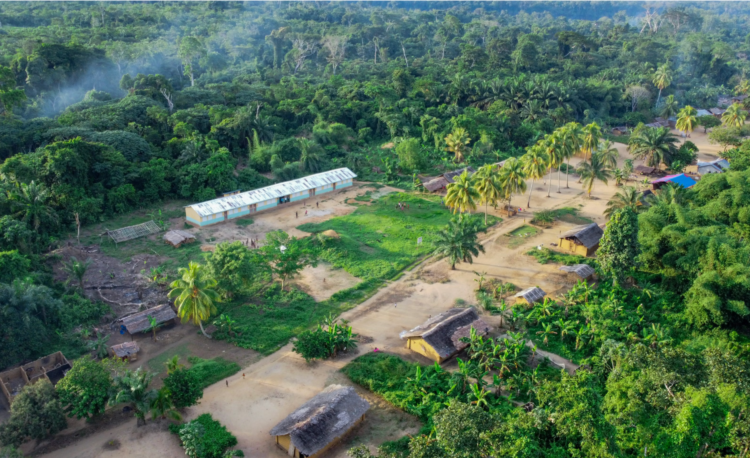
The global agricultural landscape is undergoing a seismic shift, driven by the dual pressures of a growing population and a changing climate. At the heart of this transformation are smallholder farmers, who currently produce roughly one-third of the world’s food supply despite managing less than 25% of the available farmland. For these producers, the future is not merely about adopting new gadgets; it is about integrating time-tested ecological principles with cutting-edge technology to create resilient, profitable, and sustainable systems. The trajectory of small-scale agriculture points toward a hybrid model where precision meets tradition, ensuring food security while regenerating the natural resources upon which all life depends.
The Imperative for Regenerative Practices
The conventional model of industrial agriculture, heavily reliant on synthetic inputs and monocultures, has increasingly shown its limitations, particularly for smallholders with limited capital and land. Soil degradation, water scarcity, and biodiversity loss threaten the very foundation of farming viability. In response, the future of small-scale farming is firmly rooted in regenerative agriculture. This approach goes beyond sustainability; it aims to actively improve the health of the ecosystem. By focusing on soil organic matter, farmers can increase water retention, reduce erosion, and sequester carbon, turning their fields into carbon sinks rather than sources of emissions.
Cover cropping stands out as a foundational technique in this regenerative shift. Unlike traditional fallowing, where land is left bare, cover crops such as legumes, rye, or clover are planted during off-seasons to protect the soil surface. These plants prevent nutrient leaching, suppress weeds, and fix atmospheric nitrogen, reducing the need for expensive synthetic fertilizers. Research from institutions like the Food and Agriculture Organization (FAO) highlights how cover cropping systems in sub-Saharan Africa and Southeast Asia have significantly boosted yields for maize and rice farmers while improving long-term soil fertility. The adoption of these practices requires an initial investment of labor and seeds, but the return on investment manifests through reduced input costs and higher resilience against drought.
No-till or low-till farming represents another critical pillar of this movement. Traditional plowing disrupts soil structure, destroys fungal networks, and accelerates oxidation of organic matter. By minimizing soil disturbance, farmers preserve the complex web of life beneath the surface. Earthworms, mycorrhizal fungi, and beneficial bacteria thrive in undisturbed soil, creating natural aeration and nutrient cycling systems. Data from the Rodale Institute demonstrates that no-till systems can match or exceed conventional yields over time, particularly during extreme weather events, due to improved water infiltration. For smallholders, transitioning to no-till often involves using specialized planters or adapting existing equipment, a change that is increasingly supported by local agricultural extension services.
Agroforestry integrates trees and shrubs into crop and animal farming systems, offering a multi-layered approach to land use. This practice mimics natural forest ecosystems, providing shade, windbreaks, and additional income streams through fruit, timber, or fodder production. In tropical regions, systems like “alley cropping,” where rows of trees are planted between annual crops, have proven effective in maintaining soil moisture and reducing temperature stress on sensitive plants. The World Agroforestry Centre (ICRAF) documents numerous cases where agroforestry has diversified farmer incomes, buffering them against market fluctuations in single commodity prices. The strategic placement of nitrogen-fixing trees like Gliricidia or Leucaena further enhances soil fertility, reducing dependency on external inputs.
Precision Agriculture at a Small Scale
A common misconception is that precision agriculture—the use of data and technology to optimize field-level management—is exclusive to large corporate farms with vast budgets. However, the democratization of technology is reshaping this narrative, making high-tech tools accessible and affordable for smallholders worldwide. The future of small-scale farming involves leveraging smartphones, low-cost sensors, and satellite imagery to make informed decisions that maximize efficiency and minimize waste.
Mobile applications have become the primary interface for digital extension services in many developing regions. These apps provide real-time information on weather patterns, pest outbreaks, and market prices, allowing farmers to plan planting schedules and harvest times with greater accuracy. Platforms supported by organizations like the International Fund for Agricultural Development (IFAD) connect farmers directly with agronomists and buyers, bypassing traditional middlemen who often capture a significant portion of the profit margin. In India and Kenya, mobile-based advisory services have helped millions of smallholders optimize irrigation schedules and fertilizer application, leading to measurable increases in productivity and income.
Drones, once considered a luxury, are increasingly being deployed by cooperatives and service providers to assist small farmers. Equipped with multispectral cameras, drones can capture detailed images of crop health, identifying areas of stress caused by water deficiency, nutrient lack, or disease before they are visible to the naked eye. This targeted approach allows for variable rate application of inputs, meaning farmers only treat the specific areas that need attention rather than blanketing the entire field. The Consultative Group on International Agricultural Research (CGIAR) has piloted drone programs in various countries, demonstrating how aerial monitoring can reduce pesticide use by up to 30% while improving crop yields.
Soil sensors and Internet of Things (IoT) devices are also becoming more prevalent in smallholder contexts. These low-power devices measure soil moisture, temperature, and electrical conductivity, transmitting data to a central hub or a farmer’s smartphone. By understanding the precise moisture status of their soil, farmers can implement deficit irrigation strategies, applying water only when and where it is needed. This is particularly crucial in water-scarce regions where every drop counts. Initiatives by the International Water Management Institute (IWMI) showcase how sensor-based irrigation systems have enabled vegetable farmers in arid zones to double their water productivity, ensuring crop survival during prolonged dry spells.
Satellite imagery, now freely available through programs like Copernicus and Landsat, offers another layer of insight. Farmers and cooperatives can access historical and current data to analyze vegetation indices, track land use changes, and predict yield potentials. This macro-level view helps in planning crop rotations and managing landscape-level risks. When combined with local ground truthing, satellite data empowers smallholders to participate in carbon markets and sustainability certification schemes, opening up new revenue streams that reward ecological stewardship.
Water Stewardship and Efficient Irrigation
Water remains the most critical input for agriculture, yet it is becoming increasingly unpredictable due to climate change. The future of sustainable farming for smallholders hinges on the adoption of water-smart technologies and management practices that maximize every unit of water available. Moving away from flood irrigation, which is highly inefficient and prone to evaporation and runoff, towards precision irrigation systems is essential for long-term viability.
Drip irrigation systems have revolutionized water use efficiency, delivering water directly to the root zone of plants through a network of tubes and emitters. This method reduces water usage by 30-60% compared to traditional methods while simultaneously increasing yields by maintaining optimal soil moisture levels. For smallholders, the challenge has historically been the upfront cost, but modular, low-pressure drip kits designed specifically for small plots have made this technology accessible. Organizations like the International Crops Research Institute for the Semi-Arid Tropics (ICRISAT) have promoted affordable drip systems in India and Africa, showing that even marginal farmers can afford these setups through microfinance models or government subsidies.
Rainwater harvesting is another vital component of water stewardship. By capturing and storing rainwater during the wet season, farmers can secure a water supply for the dry months, extending the growing season and enabling multiple cropping cycles. Techniques range from simple rooftop collection systems to larger community ponds and underground tanks. In semi-arid regions of Latin America and Africa, the construction of small-scale check dams and contour bunds has helped recharge groundwater tables and reduce surface runoff. The United Nations Convention to Combat Desertification (UNCCD) emphasizes the role of these landscape-level interventions in building resilience against drought and desertification.
Mulching serves as a low-tech yet highly effective method for conserving soil moisture. By covering the soil surface with organic materials like straw, leaves, or plastic films, farmers can significantly reduce evaporation rates, suppress weed growth, and regulate soil temperature. Organic mulches also decompose over time, adding valuable organic matter to the soil. In vegetable production systems across Asia and Europe, mulching has been shown to reduce irrigation frequency by half while improving crop quality and uniformity. This practice aligns perfectly with the principles of circular agriculture, utilizing farm residues to enhance system productivity.
Deficit irrigation strategies involve intentionally applying water below the full crop requirement during non-critical growth stages to save water without significantly impacting yield. This requires a deep understanding of crop physiology and precise monitoring of soil water status. When implemented correctly, deficit irrigation can improve water use efficiency and even enhance the quality of certain crops, such as grapes and olives, by concentrating flavors and sugars. Research supported by the International Commission on Irrigation and Drainage (ICID) provides guidelines for smallholders to adopt these strategies safely, ensuring that water savings do not come at the expense of long-term soil health or crop viability.
Biodiversity as a Production Asset
Monocultures, while efficient for mechanization, are inherently vulnerable to pests, diseases, and market shocks. The future of small-scale farming lies in embracing biodiversity as a core production asset rather than viewing it as a constraint. Diverse farming systems mimic natural ecosystems, creating biological checks and balances that reduce the need for chemical interventions and enhance overall system stability.
Polyculture, the practice of growing two or more crops together, is gaining renewed attention for its ability to optimize resource use. By pairing crops with different root depths, light requirements, and nutrient needs, farmers can maximize the productivity of a given plot. Classic examples include the “Three Sisters” system of maize, beans, and squash used by indigenous peoples in the Americas, where each plant supports the others. Modern adaptations of intercropping have shown similar benefits in Asia and Africa, where mixing cereals with legumes increases total land equivalent ratios and improves soil nitrogen status. The Bioversity International organization works extensively to catalog and promote diverse crop varieties that are well-suited for polyculture systems, helping farmers access seeds that are resilient to local conditions.
Integrated Pest Management (IPM) relies on biodiversity to control pest populations naturally. Instead of relying solely on pesticides, IPM combines biological control agents, cultural practices, and resistant crop varieties to keep pest levels below economic thresholds. Encouraging beneficial insects like ladybugs, lacewings, and parasitic wasps by planting flower strips or maintaining hedgerows around fields creates a habitat for natural predators. This approach not only reduces chemical costs but also protects human health and the environment. Case studies documented by the United Nations Environment Programme (UNEP) illustrate how IPM programs in rice paddies across Southeast Asia have drastically reduced pesticide use while maintaining high yields, proving that ecological balance is compatible with commercial success.
Preserving heirloom and indigenous crop varieties is crucial for maintaining genetic diversity. These local varieties often possess unique traits such as drought tolerance, pest resistance, or specific nutritional profiles that modern hybrids may lack. By cultivating a wide range of genetic material, smallholders act as guardians of agricultural heritage, ensuring that future breeding programs have the genetic raw material needed to adapt to changing climates. Seed banks and community seed sharing networks play a vital role in this effort, facilitating the exchange of diverse germplasm among farmers. The Global Crop Diversity Trust supports these initiatives, recognizing that crop diversity is the foundation of global food security.
Livestock integration within crop systems further enhances biodiversity and nutrient cycling. Animals provide manure for fertilizer, consume crop residues, and help control weeds, while crops provide feed and shelter. Silvo-pastoral systems, which combine trees, forage, and livestock, are particularly effective in tropical regions, offering shade for animals and improving soil structure. This holistic approach ensures that waste from one part of the system becomes input for another, closing nutrient loops and reducing external dependencies.
Economic Viability and Market Access
Sustainability is not just an ecological goal; it must be economically viable for farmers to adopt and maintain these practices. The future of smallholder farming depends on creating value chains that reward sustainable production and provide fair returns to producers. Without economic incentives, even the most ecologically sound techniques will fail to gain widespread traction.
Direct market access is transforming the economic landscape for small farmers. By shortening the supply chain and selling directly to consumers, restaurants, or local retailers, farmers can capture a larger share of the final price. Farmers’ markets, community-supported agriculture (CSA) schemes, and online platforms facilitate these direct connections, allowing producers to tell their story and build loyal customer bases. The United States Department of Agriculture (USDA) and similar bodies globally have developed programs to support local food systems, recognizing their role in rural economic development and community resilience.
Certification schemes for organic, fair trade, and regenerative products offer premium prices that can offset the higher labor costs associated with sustainable practices. While certification can be costly and bureaucratic, group certification models allow smallholders to organize into cooperatives and share the costs and administrative burden. These certifications signal to consumers that the product meets specific environmental and social standards, opening up access to niche markets in urban centers and export destinations. The Research Institute of Organic Agriculture (FiBL) provides extensive data on the growth of organic markets and the economic benefits for certified smallholders, showing a consistent trend of higher profitability over time.
Value addition is another strategy for increasing income. Instead of selling raw commodities, farmers can process their produce into jams, dried fruits, oils, or flours, capturing more value within the local economy. Small-scale processing units, often powered by renewable energy, enable farmers to extend the shelf life of perishable goods and sell products year-round. This diversification reduces risk and stabilizes income flows. Development agencies and NGOs frequently support capacity-building programs to help farmers acquire the skills and equipment needed for value addition, fostering local entrepreneurship.
Access to finance remains a critical bottleneck for smallholders looking to invest in sustainable technologies. Traditional banks often view small farmers as high-risk borrowers due to lack of collateral and unpredictable yields. Innovative financial products, such as index-based insurance and green loans, are emerging to address these challenges. Index insurance pays out based on weather triggers rather than individual loss assessments, making it faster and cheaper to administer. Green loans offer favorable terms for investments in solar pumps, drip irrigation, or organic conversion. The Green Climate Fund (GCF) and other climate finance mechanisms are increasingly directing resources toward smallholder agriculture, recognizing its potential for climate mitigation and adaptation.
Comparison of Traditional vs. Future Sustainable Techniques
To visualize the shift occurring in smallholder agriculture, the following table contrasts traditional methods with emerging sustainable techniques, highlighting the differences in resource use, environmental impact, and economic outcomes.
| Feature | Traditional Conventional Farming | Future Sustainable Farming |
|---|---|---|
| Soil Management | Frequent tillage, heavy synthetic fertilizer use, bare fallow periods. | No-till/low-till, cover cropping, compost application, continuous soil cover. |
| Water Usage | Flood irrigation, fixed schedules, high evaporation losses. | Drip/micro-sprinkler irrigation, sensor-based scheduling, rainwater harvesting. |
| Pest Control | Prophylactic chemical pesticide application, monoculture reliance. | Integrated Pest Management (IPM), biological controls, crop diversity, trap crops. |
| Crop Diversity | Monocultures focused on single high-yield varieties. | Polycultures, intercropping, agroforestry, preservation of indigenous varieties. |
| Energy Source | Fossil fuel-dependent machinery and inputs. | Solar-powered pumps, manual/bio-mechanized tools, renewable energy integration. |
| Data Utilization | Intuition-based decisions, limited record keeping. | Mobile apps, satellite imagery, soil sensors, data-driven precision management. |
| Market Linkage | Long supply chains, reliance on intermediaries, commodity pricing. | Direct-to-consumer sales, cooperatives, value-added products, premium certifications. |
| Resilience | High vulnerability to climate shocks and market volatility. | Enhanced buffer against drought/floods, diversified income streams, adaptive capacity. |
| Carbon Footprint | Net emitter due to tillage, synthetic inputs, and transport. | Net sequesterer through soil carbon buildup, reduced inputs, and local markets. |
| Biodiversity | Low on-farm biodiversity, habitat fragmentation. | High biodiversity, habitat corridors, integration of wildlife and beneficials. |
Frequently Asked Questions
What are the biggest barriers for small farmers adopting sustainable techniques?
The primary barriers include lack of access to capital for initial investments, limited knowledge or training on new methods, and insecure land tenure which discourages long-term soil improvements. Additionally, fragmented supply chains and lack of market incentives for sustainable products can make the transition financially risky. Addressing these requires coordinated efforts from governments, NGOs, and the private sector to provide financing, extension services, and fair market access.
How can small farmers afford expensive technologies like drip irrigation or sensors?
While upfront costs can be high, the long-term savings in water, fertilizer, and labor often result in a positive return on investment. To bridge the initial gap, farmers can utilize microfinance institutions, cooperative purchasing groups to buy in bulk, or government subsidy programs specifically designed for sustainable technology adoption. Pay-as-you-go models, often facilitated by mobile money platforms, are also making solar pumps and irrigation kits more accessible by spreading costs over time.
Is organic farming less productive than conventional farming for smallholders?
Not necessarily. While organic yields can be slightly lower in the initial transition years as soil health rebuilds, long-term studies show that organic systems can match or even exceed conventional yields, especially under drought conditions or in developing regions where access to synthetic inputs is limited. Furthermore, the reduction in input costs and the potential for premium prices often make organic farming more profitable overall.
How does climate change specifically impact smallholder sustainability strategies?
Climate change increases the frequency of extreme weather events like droughts, floods, and heatwaves, making traditional farming calendars unreliable. Sustainable strategies such as agroforestry, water harvesting, and diverse crop portfolios are specifically designed to build resilience against these shocks. By improving soil water retention and diversifying income sources, smallholders can better withstand climate variability compared to those relying on rigid monocultures.
What role do women play in the future of sustainable smallholder farming?
Women constitute a significant portion of the agricultural workforce in many developing countries and are often the primary managers of food crops and household nutrition. Empowering women with access to land, credit, training, and decision-making power is critical for the success of sustainable farming initiatives. Studies consistently show that when women have equal resources, farm productivity increases, and families invest more in health and education, creating a multiplier effect for community development.
Can sustainable farming really help mitigate climate change?
Yes, agriculture has the potential to be a major solution to climate change. Practices like no-till farming, cover cropping, and agroforestry sequester carbon in the soil and biomass, effectively removing CO2 from the atmosphere. Additionally, reducing the use of synthetic fertilizers lowers nitrous oxide emissions, a potent greenhouse gas. If adopted globally, these regenerative practices could sequester a significant percentage of annual global emissions, making smallholders key players in climate mitigation.
How do farmers verify their sustainable practices for certifications?
Verification typically involves third-party audits where inspectors visit farms to check compliance with specific standards regarding soil management, pesticide use, and labor conditions. For smallholders, group certification schemes allow cooperatives to be certified as a single entity, reducing costs and administrative burdens. Digital tools are also emerging to streamline record-keeping and traceability, making the verification process more transparent and efficient.
What is the role of local governments in supporting this transition?
Local governments play a pivotal role by creating enabling policies, investing in rural infrastructure like roads and storage facilities, and funding agricultural extension services. They can also implement zoning laws that protect agricultural land from urban sprawl and offer tax incentives for sustainable practices. Public procurement programs that prioritize buying from local sustainable farmers can create a stable market demand, encouraging wider adoption.
The Path Forward
The future of sustainable farming for smallholders is not a distant utopia but an unfolding reality shaped by innovation, resilience, and a deep respect for ecological limits. As the global community grapples with the challenges of feeding a growing population within planetary boundaries, the smallholder farmer emerges as a central figure in this narrative. Their ability to adapt, innovate, and steward the land offers a blueprint for a food system that is not only productive but also restorative.
Transitioning to these sustainable models requires a concerted effort from all stakeholders. Policymakers must create environments that incentivize long-term stewardship over short-term extraction. Researchers and technologists must continue to develop affordable, context-specific solutions that empower rather than displace. Consumers, too, play a crucial role by demanding transparency and supporting brands that value ethical and ecological production. When these forces align, smallholder farming transforms from a struggle for survival into a thriving engine of rural prosperity and environmental health.
The journey ahead is complex, filled with both obstacles and opportunities. Yet, the evidence is clear: the integration of traditional wisdom with modern science offers the most promising path forward. By nurturing the soil, conserving water, and celebrating biodiversity, small farmers worldwide are cultivating more than just crops; they are growing the foundations of a sustainable future for all. The seeds of this future are already sown; what remains is to nurture them with the commitment and resources they deserve.