
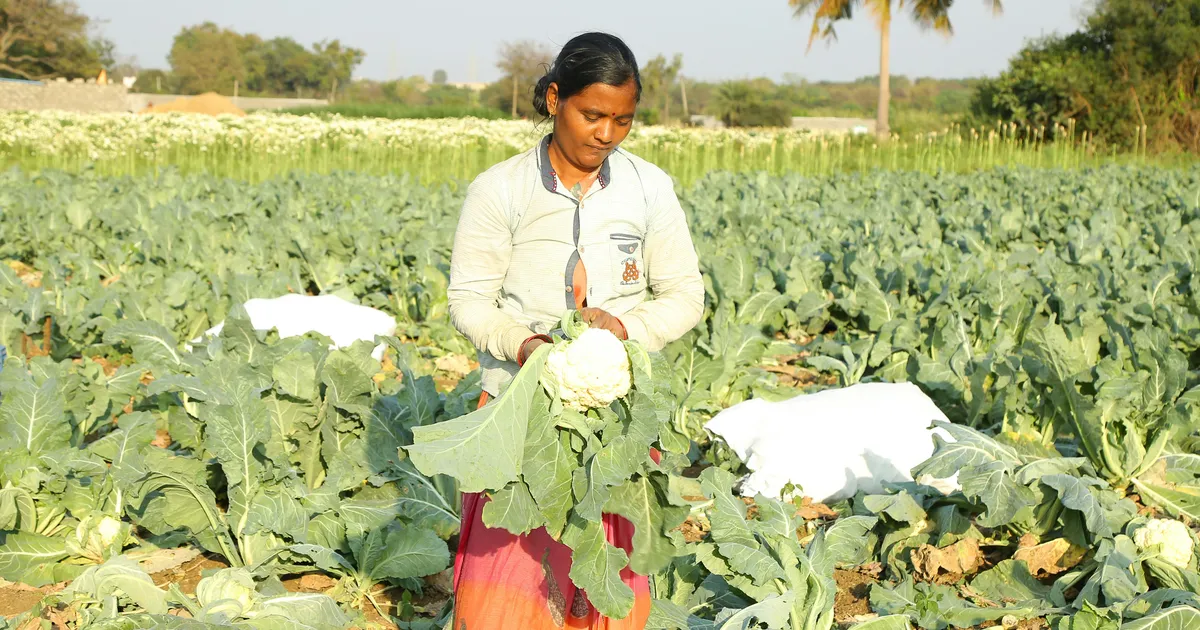

The imperative for sustainable agriculture has never been clearer, driving a significant evolution in how we approach crop health. Focusing on chemical free crop disease prevention represents a paradigm shift from reactive chemical treatments to proactive, ecological management strategies that foster resilient plant systems. This expert guide delves into the foundational principles and advanced techniques that empower growers to protect their crops from pathogens without relying on synthetic fungicides or bactericides. By understanding and implementing a holistic suite of non-chemical interventions, farmers can cultivate healthier soil, stronger plants, and more robust ecosystems, ensuring both environmental stewardship and long-term agricultural productivity in an increasingly health-conscious global market.
Building Soil Health for Resilience
At the core of effective chemical-free crop disease prevention lies a profound understanding and cultivation of soil health. A vibrant, biologically diverse soil ecosystem is the first and most critical line of defense against plant pathogens. Healthy soil teems with beneficial microorganisms, including bacteria, fungi, protozoa, and nematodes, which compete with, antagonize, or even consume disease-causing organisms. These beneficial microbes also play a crucial role in nutrient cycling, making essential elements more available to plants, thereby strengthening their natural immune responses. Practices such as composting, cover cropping, and minimal tillage enhance organic matter content, creating an optimal environment for this beneficial microbial community to flourish and suppress disease outbreaks naturally.
Furthermore, robust soil structure, improved through organic matter, ensures proper drainage and aeration, mitigating conditions favorable for many root-rotting pathogens that thrive in waterlogged, anaerobic environments. Plants growing in nutrient-rich, well-structured soil are inherently more vigorous and less susceptible to stress, which often precedes disease susceptibility. By focusing on feeding the soil life rather than just the plant, growers establish a self-regulating system where pathogenic pressures are naturally attenuated. This foundational approach reduces the reliance on external inputs and fosters a truly sustainable agricultural model, underpinning all other chemical-free prevention strategies.
Strategic Cultural Practices
Implementing strategic cultural practices is paramount in preventing crop diseases without chemical inputs. These practices involve meticulous planning and management throughout the growing season, aiming to create an environment that is unfavorable for pathogens while optimizing conditions for crop growth. Key strategies include meticulous crop rotation, which breaks disease cycles by altering host availability for specific pathogens. For instance, rotating non-host crops for several seasons can significantly reduce the inoculum of soil-borne diseases. Proper plant spacing is equally vital, ensuring adequate air circulation around plants, which reduces humidity and discourages the development of foliar diseases like powdery mildew and blight.
Sanitation plays a critical role, involving the removal of diseased plant debris, weeds that can harbor pests and diseases, and thorough cleaning of tools and equipment. Using disease-free seeds and transplants is a foundational preventive measure, preventing the introduction of pathogens from the outset. Strategic irrigation techniques, such as drip irrigation or watering in the morning, minimize leaf wetness duration, which is crucial for preventing fungal and bacterial infections. By consistently employing these thoughtful cultural practices, growers can significantly lower disease pressure across their fields, making their crops far more resilient without any chemical intervention. For more insights on sustainable practices, the USDA Organic Agriculture Program offers comprehensive resources.
Optimizing Crop Rotation Benefits
Optimizing crop rotation specifically targets the disruption of pathogen life cycles and the enhancement of soil health, making it an indispensable tool in chemical-free disease prevention. A well-designed rotation plan involves sequencing different plant families, each with varying susceptibility to specific diseases and nutrient requirements, over several growing seasons. This strategy starves host-specific pathogens by removing their food source, effectively reducing their populations in the soil. For example, following a susceptible crop with a non-host cover crop can drastically diminish inoculum levels for diseases like Verticillium wilt or clubroot. Additionally, incorporating legumes into a rotation enhances nitrogen fixation, reducing the need for synthetic fertilizers and promoting overall plant vigor, which in turn boosts natural resistance.
Harnessing Genetic Resistance and Biodiversity
Leveraging genetic resistance is a cornerstone of chemical-free crop disease prevention, offering an intrinsic defense mechanism built directly into the plant. Plant breeders continually develop new varieties that exhibit natural resistance or tolerance to specific pathogens, often through conventional breeding techniques that select for desirable traits. Utilizing these resistant varieties significantly reduces the likelihood and severity of disease outbreaks, as the plant’s own biological mechanisms can fend off infection. Growers should prioritize sourcing seeds and plant material from reputable suppliers known for their commitment to disease-resistant cultivars tailored to their specific regional challenges. This proactive selection minimizes the need for external interventions throughout the growing season.
Furthermore, promoting biodiversity within and around agricultural fields enhances natural disease suppression. Planting a variety of crops, rather than monocultures, can create a more complex ecosystem that discourages the rapid spread of specialized pathogens. Diverse ecosystems often host a wider array of beneficial insects and microorganisms, some of which may act as natural enemies to disease vectors or directly compete with plant pathogens. Intercropping, companion planting, and establishing pollinator habitats are all strategies that increase biodiversity, contributing to a more balanced and resilient agroecosystem. This multifaceted approach strengthens the entire farm’s ability to withstand disease pressure, making it a critical component of sustainable agriculture for 2026 and beyond.
Biological Controls and Biopesticides
Biological controls and biopesticides represent a dynamic frontier in chemical-free crop disease prevention, utilizing living organisms or their natural byproducts to manage pathogens. This category includes beneficial microorganisms such as specific strains of fungi (e.g., Trichoderma spp.) and bacteria (e.g., Bacillus subtilis), which can colonize plant roots or leaves, competing with pathogens for resources, producing antimicrobial compounds, or inducing systemic resistance in the plant. These microbial solutions can be applied as seed treatments, soil drench, or foliar sprays, offering targeted protection against a range of diseases without harming beneficial insects or the environment. The efficacy of these products is continuously improving, making them increasingly viable alternatives to synthetic chemicals.
Beyond microbial agents, certain botanical extracts and naturally derived compounds also fall under the umbrella of biopesticides. Examples include neem oil, garlic extract, or essential oils, which possess fungicidal or bactericidal properties. These substances often work through multiple modes of action, making it harder for pathogens to develop resistance. The strategic application of these biological agents, often integrated into a broader pest and disease management plan, can significantly reduce disease incidence and severity. As research advances, the range and effectiveness of biological controls are expanding, providing growers with more sophisticated and environmentally sound options for protecting their crops. For detailed research on biological controls, explore resources from institutions like the Cornell University College of Agriculture and Life Sciences.
Integrated Holistic Disease Management
Integrated Holistic Disease Management (IHDM) synthesizes all chemical-free strategies into a cohesive, adaptive plan, moving beyond individual tactics to consider the entire agroecosystem. This approach emphasizes constant observation and monitoring of crop health and environmental conditions to identify potential disease threats early. By combining robust soil health practices, strategic cultural controls, genetically resistant varieties, and targeted biological interventions, IHDM aims to build a resilient system where diseases are naturally suppressed before they can cause significant damage. It’s a proactive, knowledge-intensive strategy that requires understanding the life cycles of both crops and pathogens, as well as the intricate interactions within the farm environment.
The success of IHDM lies in its flexibility and the grower’s ability to adapt strategies based on real-time data and predictive models. For instance, if weather conditions become conducive to a specific fungal disease, an IHDM plan might involve increasing air circulation, applying a beneficial microbial spray, and adjusting irrigation schedules, rather than resorting to a broad-spectrum fungicide. This integrated approach not only prevents disease effectively but also minimizes environmental impact, supports biodiversity, and promotes long-term farm sustainability. It represents the pinnacle of chemical-free crop disease prevention, offering a comprehensive pathway to healthy, productive crops.
Advanced Monitoring and Predictive Analytics
The future of chemical-free crop disease prevention is increasingly intertwined with advanced monitoring and predictive analytics, offering growers unprecedented capabilities for early detection and targeted intervention. Technologies such as remote sensing, drone imagery, and ground-based sensors provide real-time data on plant health, soil moisture, and microclimates. This data, when analyzed with artificial intelligence and machine learning algorithms, can identify subtle changes indicative of disease onset even before visible symptoms appear. This early warning system allows for precise, localized interventions, such as applying specific biological control agents only where and when they are needed, significantly reducing overall resource use and labor.
Furthermore, sophisticated predictive models integrate weather forecasts, historical disease patterns, and crop susceptibility data to anticipate disease outbreaks before they occur. By understanding the probability of a disease developing, growers can implement preventive measures proactively, such as adjusting planting dates, selecting more resilient varieties for the upcoming season, or strategically deploying beneficial microbes. In 2026, these tools are becoming more accessible and user-friendly, empowering farmers to make data-driven decisions that enhance the effectiveness of their chemical-free strategies. This shift towards precision agriculture without synthetic chemicals represents a significant leap forward in sustainable crop protection. The Food and Agriculture Organization (FAO) offers valuable insights into such future agricultural technologies and practices on their website.
Key Takeaways
- Prioritize soil health through organic matter and diverse microbial populations as the primary defense against pathogens.
- Implement robust cultural practices like crop rotation, sanitation, and proper spacing to disrupt disease cycles.
- Utilize disease-resistant crop varieties developed through conventional breeding to enhance intrinsic plant immunity.
- Integrate biological controls and biopesticides, including beneficial microbes and botanical extracts, for targeted disease management.
- Adopt an Integrated Holistic Disease Management (IHDM) approach, combining all strategies for a resilient agroecosystem.
- Leverage advanced monitoring and predictive analytics for early detection and proactive, data-driven chemical-free interventions.
Frequently Asked Questions
Is chemical-free disease prevention as effective as chemical treatments?
When implemented comprehensively and proactively, chemical-free disease prevention can be highly effective, often surpassing the long-term sustainability of chemical treatments. It focuses on building systemic resilience rather than merely suppressing symptoms, leading to healthier plants and reduced disease pressure over time. While individual chemical treatments might offer rapid knockdown, they often fail to address root causes and can lead to resistance development.
What are the biggest challenges in transitioning to chemical-free prevention?
Key challenges include the initial learning curve, the need for increased planning and observation, potential yield fluctuations during the transition phase, and the availability of suitable resistant varieties or biological control agents for all crops and regions. It often requires a shift in mindset from reactive treatment to proactive ecological management.
Can chemical-free methods work for all types of crops and diseases?
While chemical-free methods are broadly applicable, their effectiveness can vary depending on the specific crop, disease pressure, and environmental conditions. Research and development continue to expand the range of effective non-chemical solutions. For some highly susceptible crops or aggressive pathogens, a combination of multiple chemical-free strategies is crucial for success.
What role do cover crops play in chemical-free disease prevention?
Cover crops are instrumental in chemical-free disease prevention by improving soil health, increasing organic matter, suppressing weeds that can harbor pathogens, and sometimes even releasing biofumigant compounds that deter soil-borne diseases. They also enhance microbial diversity, creating a more competitive environment for disease-causing organisms.
How long does it take to see results from chemical-free prevention strategies?
The timeline for seeing significant results can vary. Some benefits, like improved soil structure or reduced foliar disease incidence from better air circulation, can be observed within a single growing season. However, building robust soil health and significantly reducing soil-borne pathogen populations might take several seasons of consistent application of chemical-free practices.
Conclusion
The journey towards chemical free crop disease prevention is not merely about removing synthetic inputs; it is about embracing a deeper understanding of ecological principles and fostering inherent resilience within agricultural systems. By prioritizing soil health, implementing strategic cultural practices, harnessing genetic resistance, and leveraging innovative biological controls, growers can cultivate robust, disease-resistant crops. The integration of advanced monitoring and predictive analytics further empowers this shift, making data-driven, proactive management the norm for 2026 and beyond. This holistic approach not only safeguards crop productivity but also ensures environmental integrity and supports the long-term sustainability of our food systems, offering a promising future for agriculture worldwide.