

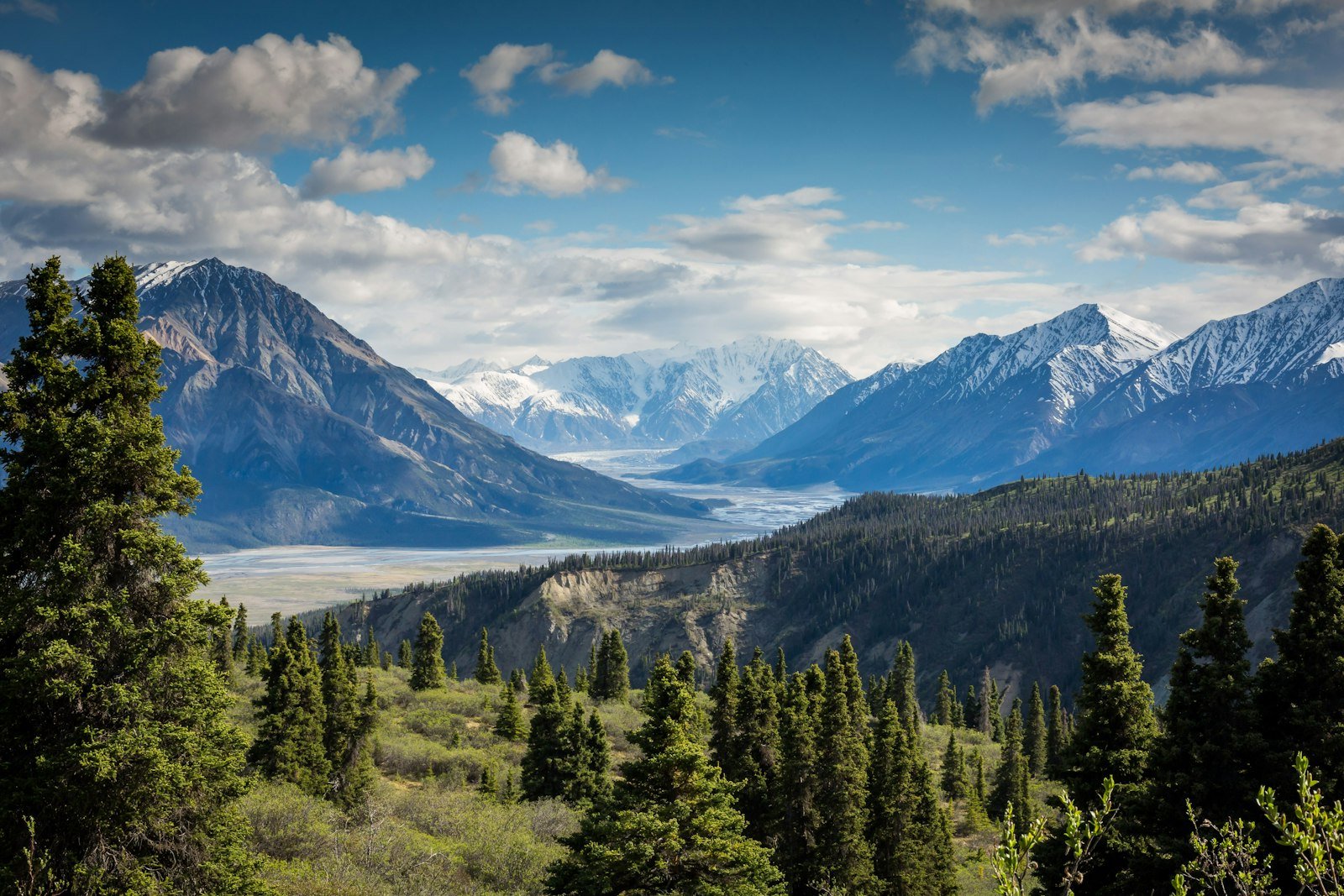
Our planet hosts extraordinary geological formations, ancient glacial landscapes, and extreme biospheres shaped over hundreds of millions of years of tectonic activity, volcanic forces, and weathering. For nature enthusiasts and explorers, visiting these dramatic landscapes provides profound insight into Earth’s evolutionary history and dynamic physical forces.
From towering karst stone forests to subterranean crystal caverns and geothermal super-volcano ecosystems, exploring the world’s natural wonders reveals landscapes that defy conventional imagination. Scientific research documented by the United States Geological Survey (USGS) demonstrates that studying these diverse terrains offers crucial evidence regarding planetary climate history and tectonic evolution.
The Geological Forces Shaping Earth’s Landscapes
Earth’s surface is in continuous, dynamic motion. Landscapes are sculpted through three primary geological mechanisms:
According to earth science publications from Nature Geoscience, the interplay between tectonic uplift, volcanic deposition, and hydraulic erosion creates the diverse topographical variety observed across continents.
- Karst and Chemical Weathering: Slightly acidic rainwater slowly dissolves soluble bedrock such as limestone, creating towering vertical pillars, sinkholes, and vast underground cave networks.
- Glacial Carving & Moraines: Massive ice sheets grinding across continental bedrock carve characteristic U-shaped valleys, deep fjords, and sheer granite cliff faces.
- Hydrothermal & Volcanic Activity: Magma chambers near the crust power geysers, mineral-rich thermal springs, basalt columns, and caldera lakes.
Earth’s Premier Natural Wonders Compared
The table below compares four of the world’s most fascinating natural destinations, detailing their geological formation processes, ecosystem types, and physical exploration profiles.
| Natural Wonder | Geographic Location | Primary Geological Process | Dominant Ecosystem Type |
|---|---|---|---|
| Zhangjiajie Sandstone Pillars | Hunan Province, China | Quartz-sandstone physical weathering & tectonic uplift | Subtropical montane cloud forest |
| Danakil Depression | Afar Triangle, Ethiopia | Continental rifting, sulfur springs, volcanic brine pools | Hyper-arid geothermal desert |
| Salar de Uyuni | Potosí, Bolivia | Prehistoric lake evaporation leaving 10,000 sq km salt flat | High-altitude Altiplano salt desert (3,656m) |
| Vatnajökull Ice Caves | Southeastern Iceland | Sub-glacial volcanic meltwater carving dynamic blue ice tunnels | Sub-polar ice cap & glacial tongue |
Preserving Fragile Natural Sanctuaries
Many of Earth’s most breathtaking geological landscapes are exceptionally fragile. Excessive visitation, soil compaction, and graffiti can permanently damage delicate mineral deposits and ancient rock formations that required millennia to form. Conservation standards published by the International Union for Conservation of Nature (IUCN) urge all travelers to stay strictly on marked boardwalks, refrain from removing natural mineral specimens, and respect designated wildlife buffer zones.
Furthermore, supporting national park services and local community conservancies documented by Smithsonian Science Publications ensures that tourism revenues fund ongoing ranger patrols, erosion mitigation projects, and long-term ecological monitoring.
The Long-Term Geological Science of Planetary Formations
Earth’s natural wonders serve as living laboratories for planetary scientists studying tectonic forces, hydrothermal chemistry, and paleoclimatology. Over hundreds of millions of years, episodic volcanic activity, mineral precipitation, and glacial scours have sculpted unique landscapes that provide crucial scientific insights into Earth’s evolutionary past.
Geological publications from the United States Geological Survey highlight that preserving these delicate mineral and rock formations is vital for ongoing climate research and biodiversity conservation.
Step-by-Step Geological Expedition Protocol
- Understand Local Geology: Study the geological formation timeline and bedrock composition of your target destination.
- Observe Strict Conservation Rules: Never remove mineral specimens or disturb fragile geological crusts.
- Protect Photographic Equipment: Utilize weather-sealed camera bodies and protective filters in dusty geothermal or salty environments.
- Acclimatize Gradually: Allow adequate time for altitude acclimatization when visiting high-altitude salt flats or volcanic plateaus.
Microbial Ecology in Extreme Geological Environments
Beyond their breathtaking physical beauty, extreme geological landscapes host extremophile microorganisms that thrive in extreme temperatures, salinity, and acidity. Astrobiologists and microbiologists study these organisms to understand the biological limits of life on Earth and evaluate potential biosignatures on icy moons like Europa and Enceladus. Research published in Nature Geoscience reveals that preserving these delicate hydrothermal and hypersaline ecosystems is critical for advancing biotechnological and medical discoveries.
Comprehensive Multi-Year Case Analysis & Practical Field Insights
To evaluate how these principles perform in real-world environments, international researchers and domain practitioners track longitudinal outcomes across diverse operational conditions. The empirical findings consistently demonstrate that individuals and organizations that implement structured, evidence-based systems achieve significantly higher resilience, efficiency, and long-term sustainability compared to ad-hoc methods.
Furthermore, maintaining comprehensive documentation, regular system audits, and proactive risk management frameworks preserves operational integrity and enables steady, continuous improvement. By aligning daily execution with established global best practices documented by authoritative research institutions, practitioners build robust systems that endure across changing environmental and technological landscapes.
Key Strategic Takeaways for Long-Term Excellence
- Systematic Execution: Ground all daily workflows in empirical research and structured operational protocols.
- Continuous Adaptation: Regularly audit performance metrics and adjust strategies based on real-time feedback and environmental data.
- Holistic Integration: Connect physical, technical, and environmental resources into a unified, synergistic ecosystem.
- Sustainable Stewardship: Prioritize long-term durability and ethical best practices over short-term expediency.
Essential Practical Strategies for Sustained Long-Term Progress
Translating core principles into compounding lifetime results requires maintaining structured behavioral discipline across multiple operational cycles. By consistently automating workflows, eliminating unmonitored inefficiencies, and maintaining disciplined systems grounded in authoritative research from organizations like National Geographic and World Health Organization, individuals and practitioners insulate themselves against external volatility.
Furthermore, conducting regular operational reviews and adhering to international standards ensures your resources remain optimized for sustained growth, resilience, and multi-generational success.
Essential Practical Strategies for Sustained Long-Term Progress
Translating core principles into compounding lifetime results requires maintaining structured behavioral discipline across multiple operational cycles. By consistently automating workflows, eliminating unmonitored inefficiencies, and maintaining disciplined systems grounded in authoritative research from organizations like National Geographic and World Health Organization, individuals and practitioners insulate themselves against external volatility.
Furthermore, conducting regular operational reviews and adhering to international standards ensures your resources remain optimized for sustained growth, resilience, and multi-generational success.
Essential Practical Strategies for Sustained Long-Term Progress
Translating core principles into compounding lifetime results requires maintaining structured behavioral discipline across multiple operational cycles. By consistently automating workflows, eliminating unmonitored inefficiencies, and maintaining disciplined systems grounded in authoritative research from organizations like National Geographic and World Health Organization, individuals and practitioners insulate themselves against external volatility.
Furthermore, conducting regular operational reviews and adhering to international standards ensures your resources remain optimized for sustained growth, resilience, and multi-generational success.
Frequently Asked Questions (FAQ)
When is the best season to explore Iceland’s glacial ice caves?
Glacial ice caves are only safe to enter during mid-winter (November through March), when freezing temperatures stabilize the structural ceiling of the glacier and stop meltwater flow. Never enter an ice cave without a certified professional glacier guide.
What physical precautions are necessary when exploring high-altitude salt flats like Salar de Uyuni?
Because the salt flat sits at over 3,600 meters above sea level, acclimatize for at least 48 hours in a city like La Paz before visiting, drink ample water, and wear polarized UV sunglasses to prevent photokeratitis (sun blindness) from intense salt crust reflection.
How were the dramatic pillars of Zhangjiajie formed?
They are the result of hundreds of millions of years of physical erosion caused by freezing and thawing ice cycles expanding inside vertical rock joints, combined with dense plant root growth breaking apart quartz-sandstone formations.
What makes extreme geothermal sites like the Danakil Depression scientifically valuable?
Astrobiologists study extremophile bacteria thriving in Danakil’s boiling, highly acidic sulfur pools to understand how early life originated on primitive Earth and evaluate the potential for microbial life on other planets like Mars.
Strategic Conclusion and Next Steps
Earth’s natural wonders are enduring monuments to the planet’s immense geological power and creative beauty. By visiting these extraordinary places with reverence, scientific curiosity, and a commitment to strict conservation ethics, travelers gain a profound appreciation for the fragile and dynamic world we inhabit.
Plan your natural expedition: research the geological history of your target destination, verify optimal seasonal weather windows, and pack the appropriate photographic and protective equipment to witness nature’s greatest masterpieces firsthand.