

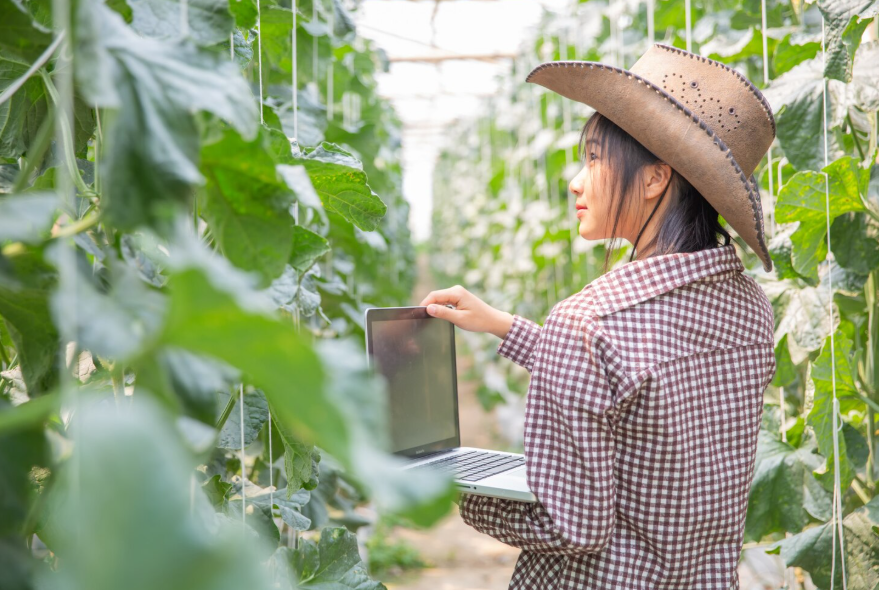
For centuries, farmers have waged a relentless battle against crop pests—beetles, aphids, moths, fungi, and weeds that threaten yields, compromise food quality, and undermine livelihoods. Traditional methods like broad-spectrum chemical pesticides once offered a quick fix, but their long-term consequences—environmental degradation, pest resistance, and harm to beneficial insects—have spurred a global search for smarter alternatives. Today, a suite of technology-driven solutions is transforming pest management from a reactive chore into a proactive, data-informed science. From satellite imagery to AI-powered traps, these innovations are not only more effective but also more sustainable.
The Limits of Conventional Pest Control
Chemical pesticides have played a pivotal role in boosting agricultural productivity since the mid-20th century. However, overreliance on these tools has led to diminishing returns. According to the Food and Agriculture Organization (FAO), pests still destroy an estimated 20–40% of global crop production annually, despite widespread pesticide use. One major reason is the rapid evolution of resistance; over 600 arthropod species are now resistant to at least one pesticide, as documented by the Insecticide Resistance Action Committee (IRAC).
Moreover, non-target effects are a growing concern. Broad-spectrum insecticides often kill pollinators like bees and natural predators such as ladybugs and parasitic wasps, disrupting ecological balance. Regulatory bodies like the U.S. Environmental Protection Agency (EPA) have tightened restrictions on several active ingredients due to environmental and health risks, pushing growers toward integrated approaches that minimize chemical inputs.
This shift has created fertile ground for technological innovation—solutions that detect, deter, and manage pests with precision, efficiency, and minimal collateral damage.
Precision Monitoring: Seeing Pests Before They Strike
Early detection is the cornerstone of effective pest control. Waiting until visible damage appears often means the infestation is already advanced. Modern monitoring technologies enable farmers to identify threats before they escalate.
Remote sensing via drones and satellites now provides high-resolution field data that can reveal subtle changes in plant health. Multispectral cameras capture wavelengths beyond the visible spectrum, detecting stress indicators like reduced chlorophyll content or altered leaf temperature—often early signs of pest activity. Platforms like Planet Labs offer daily satellite imagery, allowing growers to monitor large acreages in near real time.
On the ground, smart traps equipped with cameras, sensors, and connectivity are revolutionizing surveillance. These devices automatically capture images of trapped insects, use onboard AI to classify species, and transmit data to cloud dashboards. For example, the FAO’s Pest Monitoring Platform integrates trap data with weather and crop models to forecast outbreaks. In citrus groves battling the Asian citrus psyllid—a vector for devastating greening disease—such systems have reduced scouting labor by up to 70% while improving response times.
AI and Machine Learning: Turning Data into Decisions
Collecting data is only half the battle; interpreting it accurately is where artificial intelligence (AI) shines. Machine learning algorithms trained on thousands of pest images can now identify species with accuracy rivaling human entomologists. Apps like Plantix allow farmers to snap a photo of a damaged leaf and receive instant diagnoses along with treatment recommendations.
More advanced systems go beyond identification. By analyzing historical pest records, weather patterns, soil conditions, and crop growth stages, AI models predict when and where outbreaks are likely to occur. The International Rice Research Institute (IRRI) has developed predictive models for rice pests like the brown planthopper, enabling preemptive interventions that cut pesticide use by 30–50% in pilot regions across Southeast Asia.
These tools don’t replace agronomists—they amplify their expertise. Digital advisory platforms now integrate AI insights with local knowledge, delivering tailored alerts via SMS or mobile apps to even smallholder farmers with limited internet access.
Biological Control, Enhanced by Technology
Biological pest control—using natural enemies like predators, parasitoids, or pathogens—has long been a pillar of sustainable agriculture. Technology is now making it more scalable and reliable.
Automated release systems deploy beneficial insects precisely where needed. For instance, drones can disperse encapsulated Trichogramma wasps—tiny parasitoids that target moth eggs—over vast fields with pinpoint accuracy. Companies like BioBee have partnered with drone manufacturers to streamline this process, reducing labor costs and ensuring uniform distribution.
Meanwhile, genetic tools are refining biocontrol agents. CRISPR-based gene editing is being explored to enhance the efficacy or environmental resilience of beneficial microbes. The U.S. Department of Agriculture (USDA) supports research into engineered strains of Bacillus thuringiensis (Bt), a naturally occurring bacterium used in organic farming, to broaden its target spectrum while maintaining safety.
Physical and Behavioral Interventions: Disrupting Pest Life Cycles
Not all tech solutions involve chemicals or biology. Physical and behavioral methods leverage engineering and ecology to outmaneuver pests.
One standout example is mating disruption, which uses synthetic pheromones to confuse male insects and prevent reproduction. Traditionally applied via manual dispensers, this method is now enhanced by automated aerosol emitters that release precise pheromone doses at optimal times. In California vineyards, such systems have reduced codling moth populations by over 90% without harming bees or birds, as noted by the University of California Statewide IPM Program.
Another innovation is laser-guided weeding. Autonomous robots like those from Carbon Robotics use computer vision to distinguish crops from weeds, then zap unwanted plants with thermal lasers. This eliminates herbicide use entirely in row crops like lettuce and carrots, addressing both weed resistance and consumer demand for chemical-free produce.
Even light itself is being weaponized. UV-C light treatments, applied at night when plants are less sensitive, can suppress powdery mildew and other fungal diseases. Research from Cornell University shows that timed UV exposure disrupts pathogen DNA without damaging crops, offering a non-chemical alternative for greenhouse and high-value field production.
Integrated Systems: The Power of Convergence
The most effective pest management strategies don’t rely on a single tool but integrate multiple technologies into cohesive systems. This approach, known as digital integrated pest management (IPM), combines monitoring, prediction, biological control, and targeted intervention into a unified workflow.
Farm management software platforms like Granular or CropX serve as central hubs, pulling data from soil sensors, weather stations, drone flights, and trap networks. Agronomists and growers can visualize pest risk maps, simulate intervention scenarios, and document compliance with organic or export standards—all from a tablet in the field.
Such integration also enables variable-rate application (VRA) of inputs. Instead of blanket spraying, sprayers equipped with GPS and real-time sensors apply pesticides only where pests are detected, reducing chemical use by 50–90%. The European Commission’s Sustainable Use of Pesticides Directive actively promotes VRA as a key measure for reducing environmental impact.
Comparing Key Technology-Based Pest Control Methods
| Technology | Best For | Effectiveness | Cost | Environmental Impact | Scalability |
|---|---|---|---|---|---|
| Smart Traps + AI Monitoring | Early detection, scouting reduction | High | Medium | Very Low | High (all farm sizes) |
| Drone-Based Biocontrol | Large fields, hard-to-reach areas | Moderate–High | High upfront | Very Low | Medium–High |
| Mating Disruption Systems | Moth pests (e.g., codling moth) | High (with coverage) | Medium | None | High |
| Laser Weeding Robots | Row crops, organic farms | High for weeds | Very High | None | Low–Medium (cost-limited) |
| Predictive AI Models | Forecasting outbreaks | High (with data) | Low–Medium | Very Low | Very High |
| UV-C Light Treatment | Fungal diseases in controlled env. | Moderate–High | Medium | None | Medium (greenhouses) |
Note: Effectiveness and cost vary based on region, crop type, and implementation quality.
Overcoming Barriers to Adoption
Despite their promise, technology-based pest control solutions face adoption hurdles. High initial costs, lack of digital literacy, unreliable rural connectivity, and fragmented supply chains can limit access—especially for small-scale farmers who produce much of the world’s food.
Public-private partnerships are helping bridge this gap. In India, the Digital Green initiative uses localized video content to train farmers on using smartphone-based pest ID tools. Similarly, the World Bank’s Climate-Smart Agriculture Investment Plans include funding for sensor networks and decision-support tools in developing economies.
Policy support is equally critical. Subsidies for precision equipment, tax incentives for sustainable practices, and updated extension services can accelerate uptake. Countries like the Netherlands have demonstrated that coordinated national strategies—backed by research institutions like Wageningen University & Research—can drive rapid innovation while maintaining high yields and low environmental footprints.
The Road Ahead: Smarter, Greener, and More Resilient
As climate change alters pest migration patterns and intensifies outbreaks, the need for adaptive, tech-enabled solutions will only grow. Emerging frontiers include:
- Gene editing for pest-resistant crops: Techniques like CRISPR could develop varieties that naturally repel or tolerate specific insects, reducing reliance on external controls.
- Blockchain for traceability: Linking pest management records to supply chains ensures transparency and meets consumer demand for sustainably grown food.
- Autonomous pest-killing robots: Prototypes using machine learning and micro-sprayers are being tested to eliminate pests mechanically or with micro-doses of biopesticides.
Critically, these technologies must be deployed within ethical and ecological frameworks. Over-automation should not displace farm labor without creating new opportunities. Data privacy, algorithmic bias, and equitable access must remain central to development efforts.
Frequently Asked Questions (FAQ)
Q1: Are technology-based pest control methods suitable for small farms?
Yes. Many solutions, such as smartphone apps for pest identification or solar-powered pheromone dispensers, are designed with affordability and simplicity in mind. Organizations like FAO and CGIAR offer open-access tools tailored to smallholder contexts.
Q2: Do AI pest detection tools work accurately in diverse environments?
Accuracy depends on training data. Leading platforms continuously update their models using global datasets. However, performance may vary in regions with underrepresented pest species. Local validation is recommended before full-scale reliance.
Q3: Can drones really replace manual scouting?
Drones complement—but don’t fully replace—human scouts. They excel at covering large areas quickly and detecting canopy-level issues, but ground truthing by trained personnel remains essential for root-zone pests or complex symptoms.
Q4: Are biocontrol-enhancing technologies safe for ecosystems?
When properly regulated, yes. Agencies like the EPA and EFSA rigorously assess non-target effects before approving biocontrol agents or delivery systems. Most modern approaches are highly species-specific.
Q5: How much can farmers reduce pesticide use with these technologies?
Studies show reductions of 30–90%, depending on the crop, pest pressure, and integration level. A meta-analysis by the University of California found that digital IPM systems consistently cut chemical inputs while maintaining or improving yields.
Q6: What’s the biggest challenge in adopting these tools?
Connectivity and cost are primary barriers. However, pay-per-use models, cooperative ownership, and government subsidies are making advanced tools increasingly accessible.
Q7: Do these technologies require special training?
Basic digital literacy is helpful, but user interfaces are becoming more intuitive. Many vendors offer onboarding support, and agricultural extension services are increasingly incorporating tech training into their programs.
Q8: Can predictive models account for sudden pest invasions (e.g., invasive species)?
Standard models may not predict novel invasions, but real-time monitoring networks can trigger rapid alerts. Platforms linked to national pest surveillance systems—like the European and Mediterranean Plant Protection Organization (EPPO)—help contain emerging threats.
Conclusion: Cultivating a Future Free from Pest Panic
The era of blanket pesticide applications is giving way to a more nuanced, intelligent paradigm—one where technology empowers farmers to protect crops with surgical precision and ecological mindfulness. From AI that anticipates an aphid surge to drones that release nature’s own assassins, these tools are not just about killing pests; they’re about restoring balance, conserving resources, and future-proofing food systems.
Success won’t come from any single gadget but from weaving these innovations into holistic strategies that respect both agronomy and ecology. As research advances and costs decline, what once seemed like science fiction is becoming standard practice on forward-thinking farms worldwide.
For growers, the message is clear: staying informed, experimenting cautiously, and collaborating with agronomic experts can unlock significant gains in sustainability and profitability. For consumers and policymakers, supporting investment in agricultural R&D and equitable tech access ensures that these benefits reach every corner of the global food landscape. In the quiet hum of a smart trap or the silent flight of a biocontrol drone, the future of pest control is already taking root.