
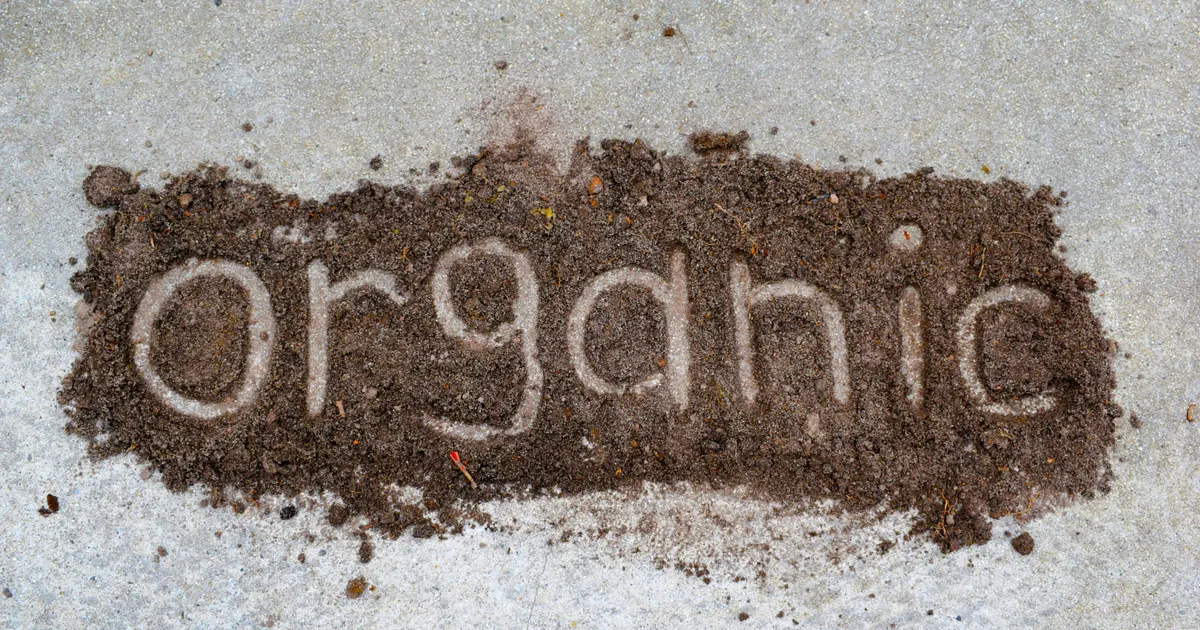

Modern organic soil restoration techniques are becoming increasingly vital as global agricultural lands face unprecedented degradation. Decades of conventional farming practices, characterized by heavy tillage, synthetic chemical inputs, and monoculture, have severely depleted soil organic matter, diminished biodiversity, and compromised water retention capabilities. Restoring soil health is not merely an ecological imperative but an economic necessity for sustainable food production and climate resilience. This article delves into the cutting-edge, organic approaches that are revitalizing our planet’s most precious resource, empowering farmers and land stewards to rebuild thriving ecosystems from the ground up.
Understanding Soil Degradation and Its Impact
Soil degradation is a pervasive global challenge, manifesting as erosion, compaction, nutrient depletion, and salinization. Industrial agricultural practices often accelerate these processes by disrupting the soil’s intricate structure and microbial communities. Heavy machinery compacts soil, reducing pore space essential for air and water movement, while repeated tillage breaks down aggregates, leaving soil vulnerable to wind and water erosion. The widespread use of synthetic fertilizers can lead to nutrient imbalances and runoff, further polluting waterways and contributing to dead zones, highlighting the urgent need for a paradigm shift in land management practices.
The long-term consequences of soil degradation extend far beyond reduced crop yields. Diminished soil health impairs the ecosystem services that healthy soils provide, such as carbon sequestration, water filtration, and biodiversity support. Degraded soils are less resilient to extreme weather events, making agricultural systems more vulnerable to droughts and floods. Furthermore, the loss of micronutrients in soil directly impacts the nutritional quality of food, contributing to hidden hunger and public health concerns. Recognizing these interconnected impacts underscores why modern organic soil restoration techniques are foundational to a sustainable future.
The Soil Microbiome: Foundation of Soil Health
The soil microbiome, an extraordinarily diverse community of bacteria, fungi, protozoa, and other microorganisms, is the unsung hero of soil health. These microscopic workers drive nutrient cycling, decompose organic matter, suppress plant pathogens, and enhance plant nutrient uptake. A healthy, diverse microbiome creates a “living soil” that is more resilient, productive, and less dependent on external inputs. Modern organic restoration focuses intensely on nurturing this intricate web of life, understanding that robust microbial activity is the cornerstone of ecological balance and agricultural productivity.
Strategies for fostering a vibrant soil microbiome include minimizing soil disturbance through no-till practices, increasing organic matter content, and diversifying plant species. Each plant species releases unique exudates that feed specific microbial populations, creating a rich and varied ecosystem. Avoiding synthetic pesticides and herbicides is crucial, as these chemicals can indiscriminately harm beneficial microorganisms, disrupting the delicate balance of the soil food web. By prioritizing microbial health, practitioners of modern organic soil restoration techniques are essentially cultivating the very engine of soil regeneration.
Composting and Humus Enrichment
Composting is a cornerstone of organic soil restoration, transforming organic waste into a stable, nutrient-rich soil amendment called compost. This process involves controlled decomposition by microorganisms under aerobic conditions, resulting in a dark, crumbly material that significantly enhances soil structure, water retention, and nutrient availability. Adding compost replenishes vital organic matter, which acts like a sponge, holding moisture and nutrients while improving aeration. It also introduces a diverse array of beneficial microbes, kickstarting the soil’s natural regenerative processes.
The consistent application of high-quality compost builds humus, the stable end-product of organic matter decomposition. Humus is critical for long-term soil fertility, contributing to cation exchange capacity (CEC), which is the soil’s ability to hold onto positively charged nutrients and make them available to plants. Regular humus enrichment not only improves immediate crop performance but also fosters a robust soil structure that resists erosion and compaction, creating a resilient foundation for future growth. The widespread adoption of these practices is vital for agricultural sustainability in 2026 and beyond.
Advanced Composting Methods
Beyond traditional hot composting, advanced methods like vermicomposting and thermophilic composting offer specialized benefits. Vermicomposting utilizes earthworms to break down organic material, producing nutrient-dense worm castings that are exceptionally rich in beneficial microbes and plant-available nutrients. This method is particularly efficient for smaller-scale operations and can process a wide range of organic wastes. Thermophilic composting, on the other hand, achieves high temperatures that sterilize weed seeds and pathogens, ensuring a clean and safe end product, ideal for larger agricultural applications.
Another innovative approach is static aerated pile composting, which uses passive or active aeration systems to maintain optimal oxygen levels without turning, reducing labor and energy inputs. Inoculants containing specific microbial strains can also be added to accelerate decomposition and enhance the biological activity of the finished compost. These sophisticated techniques ensure that the compost produced is of the highest quality, maximizing its restorative impact on degraded soils and contributing significantly to modern organic soil restoration techniques.
Cover Cropping and Crop Rotation
Cover cropping is a powerful regenerative practice where non-cash crops are planted primarily to improve soil health, rather than for harvest. These “living mulches” protect the soil surface from erosion, suppress weeds, add organic matter, and cycle nutrients. Leguminous cover crops, such as clover or vetch, fix atmospheric nitrogen, reducing the need for synthetic nitrogen fertilizers. Non-legumes like rye or oats scavenge excess nutrients, preventing leaching, and contribute substantial biomass to the soil when terminated and incorporated, either by tillage or rolling.
Crop rotation, the practice of growing different types of crops in the same area in sequential seasons, complements cover cropping by breaking pest and disease cycles, improving nutrient cycling, and enhancing soil structure. A well-designed rotation might include a nitrogen-fixing legume, a deep-rooted taproot crop to break up compaction, and a high-biomass grass. This diversity above ground translates to diversity below ground, fostering a healthier soil microbiome and reducing reliance on chemical interventions. These practices are indispensable for long-term soil fertility and resilience.
No-Till and Reduced Tillage Systems
No-till agriculture, or zero tillage, is a cornerstone of modern organic soil restoration techniques, minimizing soil disturbance by planting crops directly into the residues of previous crops without plowing or disking. This approach dramatically reduces soil erosion, conserves soil moisture, and protects the delicate soil structure and microbial networks that thrive in undisturbed environments. By leaving crop residues on the surface, no-till acts as a natural mulch, moderating soil temperature, suppressing weeds, and slowly releasing nutrients back into the soil, fostering a continuous cycle of organic matter accumulation.
Reduced tillage, a less intensive form of soil disturbance, still offers significant benefits compared to conventional plowing. It involves shallower or less frequent cultivation, aiming to strike a balance between preparing a seedbed and preserving soil health. Both no-till and reduced tillage systems lead to increased soil organic carbon sequestration, improved water infiltration, and greater biodiversity, making soils more resilient to climate variability. The adoption of these practices is paramount for rebuilding healthy agricultural soils globally, a key focus for agricultural innovation in 2026.
Biochar and Mycorrhizal Fungi Application
Biochar, a highly porous, stable form of carbon produced from biomass through pyrolysis, is gaining recognition as a potent soil amendment. When incorporated into soil, biochar enhances water retention, improves nutrient availability by increasing cation exchange capacity, and provides an ideal habitat for beneficial microorganisms. Its long-term stability means that biochar can sequester carbon for centuries, offering a dual benefit of soil improvement and climate change mitigation. Research continues to explore optimal application rates and feedstock types for various soil and crop systems. For more detailed information on biochar, consult resources from the International Biochar Initiative.
Mycorrhizal fungi form symbiotic relationships with plant roots, extending the plant’s root system dramatically and enhancing its ability to access water and nutrients, particularly phosphorus. These fungal networks, often referred to as the “wood wide web,” are crucial for nutrient cycling and plant resilience. Applying mycorrhizal inoculants can significantly boost plant health and vigor, especially in degraded soils where natural fungal populations may be depleted. Combined with other organic practices, biochar and mycorrhizal fungi represent advanced tools in the arsenal of modern organic soil restoration techniques, offering powerful solutions for revitalizing tired landscapes.
Key Takeaways
- Modern organic soil restoration prioritizes ecological balance and long-term sustainability over short-term yields.
- Nurturing the soil microbiome through diverse organic matter inputs and minimal disturbance is fundamental.
- Composting and humus enrichment are essential for improving soil structure, water retention, and nutrient availability.
- Cover cropping and strategic crop rotations build soil organic matter, suppress weeds, and break pest cycles.
- No-till and reduced tillage practices protect soil structure, prevent erosion, and enhance carbon sequestration.
- Advanced amendments like biochar and mycorrhizal fungi offer targeted solutions for improving soil fertility and plant resilience.
Frequently Asked Questions
What is the primary goal of modern organic soil restoration?
The primary goal is to rebuild and enhance soil health, fertility, and ecological function using natural, organic methods. This includes increasing organic matter, fostering a diverse soil microbiome, improving water infiltration, and reducing reliance on synthetic inputs, leading to more resilient and productive agricultural systems.
How long does it take to restore degraded soil using organic methods?
The timeline for soil restoration varies significantly depending on the initial level of degradation, the specific techniques employed, and climatic conditions. While some improvements can be observed within a growing season, substantial rebuilding of soil organic matter and microbial communities typically takes several years (3-5 years or more) of consistent application of modern organic soil restoration techniques.
Can these techniques be applied in large-scale agriculture?
Absolutely. Many modern organic soil restoration techniques, such as no-till, cover cropping, and large-scale composting, are successfully implemented in large-scale conventional and organic agricultural operations worldwide. Integrating these practices requires careful planning and often specialized equipment, but the long-term benefits in terms of soil health and sustainability are significant. The Rodale Institute offers extensive research on this.
What role does biodiversity play in soil restoration?
Biodiversity is crucial both above and below ground. Diverse plant species feed a wider array of soil microorganisms, creating a more robust and resilient soil food web. A diverse microbial community ensures efficient nutrient cycling, disease suppression, and organic matter decomposition, all vital for healthy soil function. Minimizing chemical inputs also protects this essential biodiversity.
Are organic restoration techniques more expensive than conventional methods?
Initial investments in new equipment (e.g., no-till planters) or materials (e.g., compost, cover crop seeds) can sometimes be higher. However, over the long term, organic restoration techniques often lead to reduced input costs for synthetic fertilizers, pesticides, and irrigation due to improved soil health, water retention, and natural pest suppression. The enhanced resilience and productivity of the land also provide significant economic returns, especially by 2026.
Conclusion
Modern organic soil restoration techniques represent a critical shift towards a more sustainable and regenerative approach to land management. By prioritizing the health of the soil microbiome, enhancing organic matter content through composting and cover cropping, and minimizing disturbance with no-till practices, we can reverse decades of degradation. These innovative methods not only improve agricultural productivity and resilience but also play a vital role in climate change mitigation and biodiversity conservation. Embracing these organic pathways is essential for securing a fertile future, ensuring that our soils can continue to support life for generations to come, fostering a healthier planet one handful of soil at a time.