
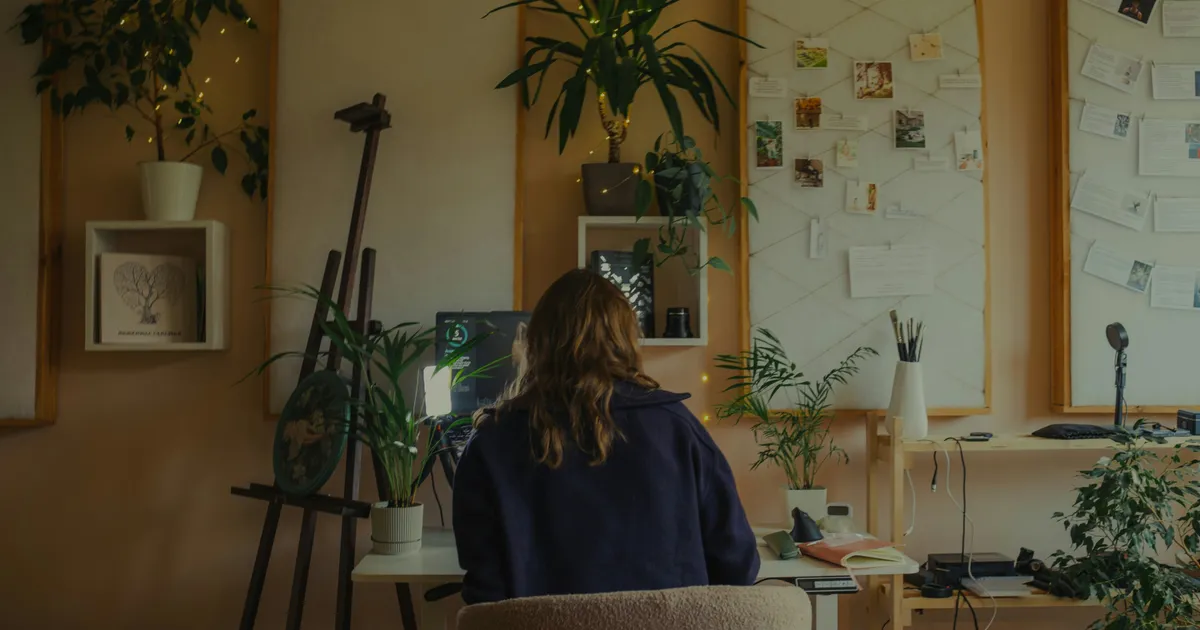

I remember a time when my desk was a chaotic graveyard of half-empty coffee cups, scattered notes, and forgotten gadgets. My mind felt just as cluttered, struggling to focus amidst the visual noise. It wasn’t until I intentionally set out to understand how to create a calm workspace for maximum productivity that my entire approach to work, and indeed my daily well-being, transformed. This isn’t just about tidiness; it’s about strategically designing an environment that nurtures focus, reduces stress, and allows your best work to flourish. If you’re tired of feeling overwhelmed by your surroundings and yearn for a sanctuary of efficiency, you’re in the right place. Let’s delve into the actionable steps that can make your workspace a beacon of calm and a catalyst for incredible output, setting you up for success in 2026 and beyond.
Declutter for Clarity and Focus
The first, and arguably most impactful, step in cultivating a calm workspace is relentless decluttering. Think of every item on your desk or in your immediate vicinity as demanding a fraction of your mental energy. A messy physical space often mirrors a messy mental state, making it incredibly difficult to concentrate on complex tasks. Start with the obvious: remove anything that doesn’t serve a direct purpose for your current work or bring you genuine joy. This isn’t just about aesthetics; it’s about reducing visual distractions that constantly pull your attention away, even subconsciously, fostering an environment where deep work can thrive.
Beyond the physical, digital clutter is an insidious productivity killer. How many tabs do you have open right now? Is your desktop a mosaic of unsorted files and screenshots? Take time to organize your digital files, close unnecessary applications, and silence non-essential notifications. Consider a dedicated “focus mode” on your devices. This proactive digital decluttering frees up significant mental bandwidth, allowing your brain to allocate its full capacity to the task at hand rather than constantly processing background noise. A clean digital slate is just as vital as a tidy desk for achieving true tranquility and peak performance.
Embrace Ergonomics and Comfort
Your physical comfort directly impacts your ability to sustain focus without distraction. Investing in proper ergonomics isn’t a luxury; it’s a fundamental requirement for long-term health and productivity. A good ergonomic chair that supports your spine, a desk at the correct height, and a monitor positioned at eye level can prevent discomfort, pain, and fatigue that would otherwise derail your concentration. These elements create a foundational sense of physical ease, allowing your mind to fully engage with your work rather than constantly nudging you about a crick in your neck or a numb leg. Prioritizing your body allows your mind to soar.
Beyond the primary setup, consider the subtle comforts that contribute to an overall sense of calm. Optimal lighting, for instance, can drastically reduce eye strain and improve mood. Natural light is always best, but if unavailable, choose warm, diffused artificial light over harsh fluorescents. Maintain a comfortable room temperature; being too hot or too cold is an instant distraction. Furthermore, managing ambient noise with noise-canceling headphones or even a white noise machine can create a cocoon of concentration, shielding you from environmental disturbances and allowing for uninterrupted deep work. These small adjustments collectively elevate your workspace experience.
Harness the Power of Nature
Integrating natural elements into your workspace is a powerful, yet often overlooked, strategy for enhancing calm and boosting productivity. Research consistently shows that exposure to nature, even in small doses, can reduce stress, improve mood, and enhance cognitive function. Consider placing a few live plants on your desk or nearby shelving. Position your workspace to maximize natural light exposure, or at least ensure you have a view of the outdoors if possible. This biophilic design approach connects us to the natural world, subtly reminding our primal selves of tranquility and vitality, leading to a more grounded and focused work experience.
The Green Advantage
Indoor plants are more than just decorative accents; they are living tools for well-being. Specific plants like snake plants, peace lilies, and ZZ plants are known for their air-purifying qualities, removing toxins and improving indoor air quality. Beyond that, the simple act of having greenery in your peripheral vision has been shown to lower blood pressure, reduce stress hormones, and even improve memory retention. They introduce a soft, organic texture to an otherwise sterile environment, fostering a sense of peace and vibrancy. Caring for them can also serve as a mindful micro-break, grounding you before returning to your tasks.
Strategic Use of Color and Scent
The colors surrounding you have a profound psychological impact, influencing your mood, energy levels, and cognitive state. For a calm and productive workspace, lean towards hues that promote tranquility and focus. Soft blues and greens are excellent choices, as they are often associated with nature and evoke feelings of serenity and balance. Neutrals like light grays, creams, and whites provide a clean, uncluttered backdrop, allowing your mind to remain sharp without visual overstimulation. A splash of a warm, stimulating color like orange or yellow can be used sparingly for an accent, but the primary palette should lean towards soothing tones to maintain an atmosphere of calm focus.
Scent is another potent, often underestimated, tool for shaping your workspace atmosphere. Certain aromas have been scientifically linked to improved concentration, reduced anxiety, and enhanced memory. Diffusing essential oils like lavender can promote relaxation, while peppermint or lemon can sharpen focus and boost energy. Ensure any scents are subtle and pleasant, as overpowering fragrances can be counterproductive. Experiment with different aromas to find what resonates best with your personal physiology, creating an olfactory backdrop that subtly supports your productivity goals without becoming a distraction in itself. A thoughtful aroma can transform your desk into a truly immersive calm zone.
Establish Boundaries and Routines
A calm workspace isn’t just about physical elements; it’s also about the mental and temporal boundaries you set. If possible, designate a specific area solely for work, even if it’s just a corner of a room. This physical boundary signals to your brain that when you’re in this space, it’s time to focus. Equally important are time boundaries. Establish clear start and end times for your workday, and stick to them. Avoid blurring the lines between work and personal life, which can lead to burnout and a constant feeling of being “on.” This discipline creates a predictable structure that reduces anxiety and enhances mental clarity.
Incorporating simple routines can further solidify the calm and productive nature of your workspace. Begin your day with a short “pre-work ritual”—perhaps making a cup of tea, reviewing your top three priorities, or a few minutes of meditation. This transition helps you mentally “arrive” at your workspace ready to engage. Similarly, at the end of the day, have a “wind-down” routine: tidy your desk, plan for the next day, and then physically and mentally detach. These consistent practices build a sense of control and predictability, diminishing chaos and fostering a sustainable rhythm of focused work, making 2026 your most productive year yet.
Key Takeaways
- Declutter Relentlessly: Both your physical desk and digital desktop contribute to mental clutter. Regularly remove unnecessary items and organize files to reduce visual and cognitive distractions, creating a clear pathway for focus.
- Prioritize Ergonomics and Comfort: Invest in a supportive chair, proper desk height, and optimal monitor placement to prevent physical discomfort. Control lighting, temperature, and noise to minimize bodily distractions and sustain concentration.
- Integrate Natural Elements: Introduce live plants and maximize natural light to leverage the stress-reducing and mood-enhancing benefits of biophilic design. Plants improve air quality and provide a calming, organic presence.
- Utilize Color and Scent Strategically: Opt for calming colors like blues, greens, and neutrals for your workspace palette. Employ subtle aromatherapy with essential oils like lavender for relaxation or peppermint for focus, creating a multi-sensory environment that supports productivity.
Frequently Asked Questions
How quickly can I expect to see results from these changes?
You’ll likely notice an immediate shift in your mood and focus simply by decluttering and organizing your space. More profound, sustained improvements in productivity and stress reduction typically emerge within a few weeks as you consistently apply these principles and establish new routines. It’s a journey, not a sprint, but the initial benefits are often quite motivating.
What if I don’t have much space for a dedicated workspace?
Even a small corner or a designated spot at a dining table can be transformed. The key is establishing a clear boundary, both physically and mentally. Use a portable storage caddy to clear away work items at the end of the day, or use a room divider to visually separate your work zone. Focus on vertical storage and minimalist design to maximize limited square footage.
Are there specific plants recommended for a workspace?
Absolutely! Low-maintenance options like the Snake Plant (Sansevieria trifasciata), ZZ Plant (Zamioculcas zamiifolia), Pothos (Epipremnum aureum), and Peace Lily (Spathiphyllum) are excellent choices. They tolerate various light conditions, require minimal watering, and are known for their air-purifying qualities, contributing to a healthier and calmer environment. For more information on plant benefits, consider sources like the NASA Clean Air Study.
How do I deal with distractions from others in a shared workspace?
In a shared environment, clear communication is paramount. Establish “do not disturb” signals with colleagues or family members, such as wearing headphones or a specific sign. Utilize noise-canceling headphones, create a visual barrier if possible, and schedule your most demanding tasks during quieter periods. Regular breaks away from your desk can also help reset your focus.
Conclusion
Creating a calm workspace for maximum productivity is an ongoing investment in your well-being and output. It’s a holistic endeavor that transcends simple aesthetics, touching on ergonomics, psychology, and mindful routines. By thoughtfully curating your environment, from decluttering to embracing natural elements and setting clear boundaries, you transform your workspace from a potential source of stress into a powerful ally for focus and creativity. These intentional choices empower you to perform at your peak, fostering a sustainable rhythm of work that will undoubtedly lead to exceptional achievements in 2026 and beyond. Embrace the calm, unlock your potential.