
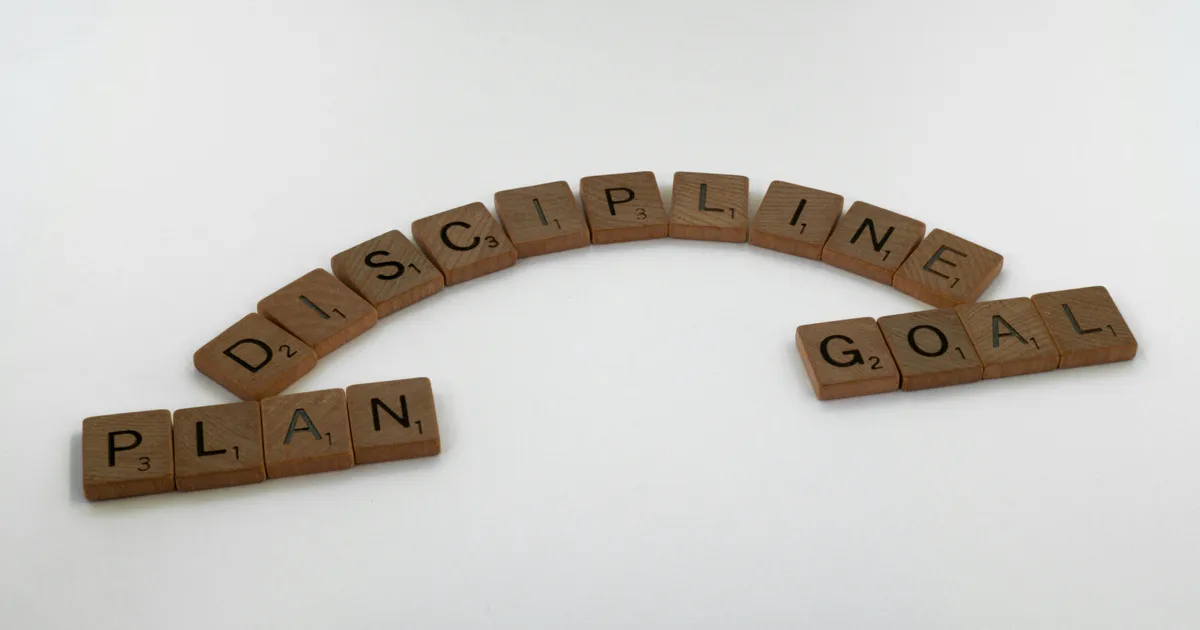

For years, I believed self-discipline meant grinding through tasks I hated, waking at 5 AM no matter what, and adhering to an ironclad schedule. My attempts often ended in burnout and frustration, leaving me feeling like a failure. It wasn’t until I started questioning the conventional wisdom that I discovered a profoundly more effective, and dare I say, gentler approach. This isn’t about willpower alone; it’s about understanding human nature and designing a life that naturally fosters consistent action. If you’ve struggled with rigid systems, you’re in the right place to learn how to improve self-discipline without strict routines, building resilience and momentum that lasts well into 2026 and beyond.
Identify Your Core Motivations
Before you even think about “doing” more, take a deep dive into your “why.” True, sustainable self-discipline isn’t born from a desire to impress others or meet arbitrary societal expectations. It emerges from a genuine connection to your deepest values and aspirations. Ask yourself: What truly matters to me? What kind of person do I want to be? What legacy do I wish to leave? These profound questions unlock an intrinsic drive that external pressures can never match.
When your actions are aligned with your core purpose, the need for brute-force willpower diminishes significantly. Instead of feeling like a chore, activities that serve your deeper goals become opportunities for growth and fulfillment. This internal compass acts as a powerful motivator, guiding your choices even when the path gets challenging. Understanding your fundamental motivations transforms discipline from a burden into a meaningful pursuit, making it far easier to stick with your commitments.
Cultivate Tiny, Intentional Habits
The biggest myth about self-discipline is that it requires monumental effort from day one. In reality, consistent progress comes from making incredibly small, almost trivial, changes that are easy to start and maintain. Think micro-habits: reading one page of a book, doing one push-up, or spending two minutes tidying a single surface. The goal isn’t to achieve greatness immediately, but to build a streak of success that reinforces your identity as someone who follows through.
These tiny habits reduce the mental friction associated with starting. When a task feels too big, our brain often defaults to procrastination. By shrinking the effort required, you trick your brain into initiating action. Over time, these small, consistent actions accumulate, leading to significant results. It’s about showing up consistently, not about the intensity of each individual effort. This gentle approach fosters a sense of accomplishment without overwhelming your system.
The Art of Habit Stacking
One of the most effective strategies for embedding new behaviors is habit stacking. This technique involves attaching a new desired habit to an existing, already established habit. For example, if you want to start meditating, you might decide, “After I brew my morning coffee, I will meditate for two minutes.” Or, “After I brush my teeth at night, I will read one page of a book.” The existing habit acts as a reliable trigger for the new one.
This method leverages the power of association, making it easier for your brain to adopt the new behavior without relying on conscious willpower each time. It creates a natural flow, seamlessly integrating positive changes into your daily rhythm. The key is to be specific and consistent with your stacks, ensuring the trigger habit is something you do reliably every day. For more on this, you might explore resources on behavioral psychology, such as articles found on sites like Psychology Today.
Embrace Flexibility and Self-Compassion
Life is unpredictable, and rigid routines are often the first casualty of unexpected events. A more sustainable approach to self-discipline involves building flexibility into your plans and practicing self-compassion when things don’t go perfectly. Instead of viewing a missed day as a complete failure, see it as a temporary detour. The goal isn’t perfection, but consistent recommitment. This means having backup plans and being willing to adjust your expectations without abandoning your ultimate objective.
Treat yourself with the same kindness and understanding you would offer a friend. Berating yourself for a setback only makes it harder to get back on track. Acknowledge the slip, learn from it, and gently guide yourself forward. This compassionate approach fosters resilience, allowing you to bounce back more quickly and consistently than a harsh, self-critical stance. Remember, self-discipline is a marathon, not a sprint, and sustainable progress requires self-kindness, especially in 2026’s fast-paced world.
Design Your Environment for Success
Your environment plays a far greater role in your self-discipline than you might realize. We are creatures of our surroundings, and making small, strategic adjustments to your physical and digital spaces can significantly reduce the need for willpower. Want to eat healthier? Keep nutritious snacks visible and unhealthy ones out of sight. Want to work out more? Lay out your gym clothes the night before. This proactive approach “future-proofs” your intentions.
Conversely, identify and eliminate environmental triggers that lead to undesirable behaviors. If social media is a distraction, move your phone out of reach or utilize app blockers during focused work periods. Think of your environment as a silent partner in your self-discipline journey. By making good choices easy and bad choices difficult, you create an automatic pathway to success. This strategy is often more effective than battling temptations purely through mental effort.
Practice Mindful Awareness and Reflection
Self-discipline isn’t just about doing; it’s also about observing. Cultivating mindful awareness allows you to notice your impulses, triggers, and patterns of behavior without judgment. Before automatically reaching for your phone or procrastinating on a task, pause. Simply observe the urge. This momentary gap between stimulus and response creates an opportunity to choose a different path, rather than reacting on autopilot. It’s a powerful tool for conscious decision-making.
Regular reflection is equally crucial. At the end of each day or week, take a few minutes to review your progress. What went well? Where did you struggle? What can you learn for tomorrow? This isn’t about self-criticism, but about gaining insights into your own psychology. Understanding your personal operating system—what motivates you, what derails you—is the ultimate key to developing self-discipline that feels natural and sustainable, helping you stay on track well into 2026.
Key Takeaways
- Align with Your Values: Discovering your intrinsic “why” provides a deeper, more sustainable motivation for self-discipline than relying on external pressures or sheer willpower.
- Start Small, Build Momentum: Implement tiny, easy-to-do habits that reduce friction and build a consistent track record of success, leveraging habit stacking for seamless integration into your daily life.
- Embrace Flexibility and Self-Compassion: Recognize that setbacks are inevitable; instead of rigid adherence, cultivate adaptability and treat yourself kindly, allowing for recovery and recommitment without self-condemnation.
- Optimize Your Environment: Strategically design your physical and digital spaces to make desired behaviors easier and undesirable ones harder, minimizing the need for constant willpower.
Frequently Asked Questions
Is self-discipline solely about willpower?
Absolutely not. While willpower plays a role, relying on it exclusively is a recipe for burnout. Sustainable self-discipline is more about strategic planning, understanding your motivations, designing your environment, and building consistent, small habits. It’s about making good choices the easier default, rather than constantly fighting against your impulses.
How long does it take to improve self-discipline?
Improving self-discipline is an ongoing journey, not a destination. You’ll likely see initial improvements within weeks as you implement tiny habits and environmental changes. However, truly embedding these principles into your lifestyle for lasting change, such as through 2026 and beyond, requires continuous practice, reflection, and adaptation. It’s a skill that strengthens over time.
What if I keep falling off track despite my best efforts?
Falling off track is a normal part of the process. The key isn’t to never stumble, but to develop the resilience to get back on track quickly. Practice self-compassion, analyze what went wrong without judgment, and make a small, actionable plan to restart. Perhaps your habit was too big, or your environment wasn’t supportive. Adjust and try again.
Can I be disciplined without being a morning person or having a strict schedule?
Definitely! Self-discipline is highly personal. It doesn’t mean conforming to a specific template like waking at dawn. It means consistently taking actions that align with your goals, whatever your natural rhythms or preferred schedule. The methods discussed here, like tiny habits and environmental design, are adaptable to any lifestyle, allowing for genuine flexibility.
Conclusion
Letting go of the myth of rigid self-discipline opens the door to a more authentic and sustainable path. By understanding your intrinsic motivations, embracing the power of tiny, flexible habits, and consciously designing your environment, you can cultivate a profound sense of self-mastery. This isn’t about becoming a robot; it’s about becoming more human, more aligned with your true self, and more capable of achieving your aspirations with grace and consistency. Start small, be kind to yourself, and watch your discipline flourish.