
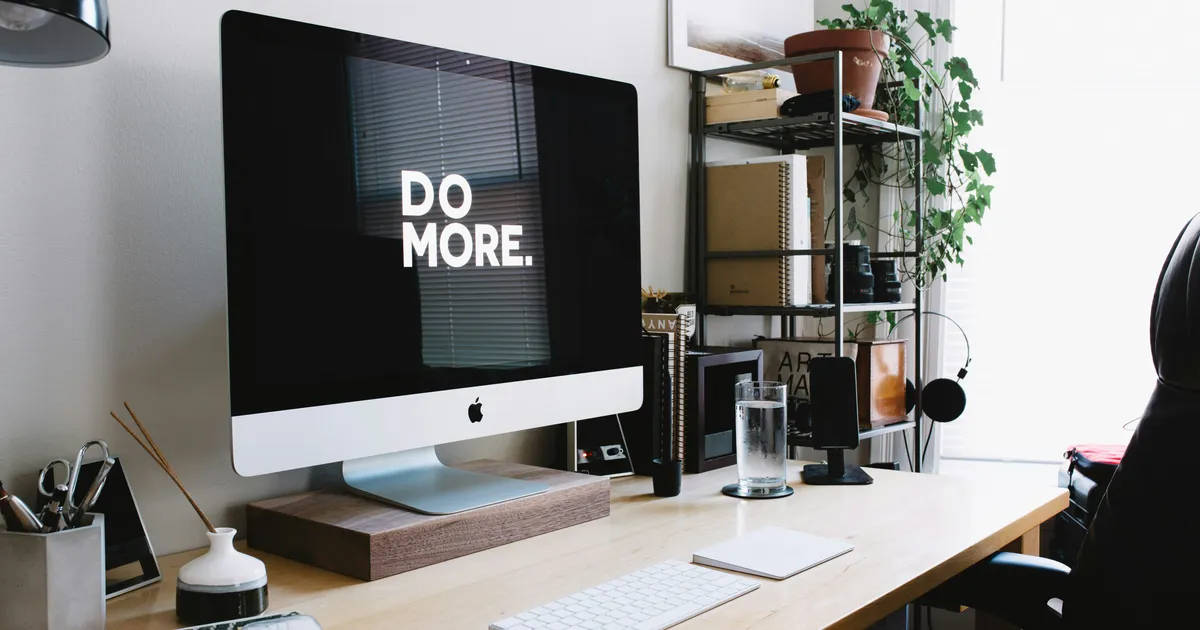

I remember a time when my entire “office” consisted of a cramped corner in a studio apartment, a space so tiny I could literally touch my desk, bed, and kitchen counter without taking a step. It felt like living in a productivity pressure cooker, and for a while, staying productive while working from small spaces seemed like an impossible dream. Yet, that period taught me invaluable lessons about resilience, resourcefulness, and the profound impact of intentional design and mindset. It’s not about the square footage you have, but how smartly and thoughtfully you utilize every inch, transforming limitations into opportunities for focused, efficient work.
Transform Your Physical Workspace
Working efficiently in a confined area begins with a ruthless assessment of your physical environment. Every item in your workspace must earn its place. Start by decluttering aggressively, removing anything that doesn’t directly contribute to your work or well-being. Think vertically: wall-mounted shelves, pegboards, and stackable drawers can free up precious desk surface. Consider a slim, ergonomic desk that fits snugly into a corner, or even a fold-down desk that disappears when not in use. The goal isn’t just neatness; it’s about creating a visual calm that allows your mind to focus without distraction from clutter.
Ergonomics become even more critical in a small space where movement is limited. Invest in a comfortable, supportive chair that fits your body and your space. Position your monitor at eye level to prevent neck strain, and ensure your keyboard and mouse are within easy reach. Even small adjustments, like adding a footrest or using an external monitor on an arm, can make a significant difference in your comfort and ability to sustain long periods of work. Remember, your body is your most important tool, and preventing discomfort is key to maintaining productivity throughout your workday.
Embrace Multi-Functional Furniture
When space is at a premium, every piece of furniture should ideally serve more than one purpose. Think beyond the obvious. A stylish ottoman can double as extra seating, a footrest, and hidden storage for documents or office supplies. A console table might serve as your desk during the day and a dining surface in the evening. Consider a sofa bed that transforms your living area into a bedroom, or a wall-mounted desk that folds away neatly. These intelligent design choices not only save space but also encourage a mental separation between work and leisure, a crucial element for maintaining sanity and productivity in a small home.
Master Your Digital Domain
Just as physical clutter can derail your focus, a messy digital workspace can be equally detrimental. In a small physical space, digital organization becomes paramount. Adopt a robust cloud storage system for all your files, reducing reliance on local storage and allowing you to access your work from any device, anywhere. Implement a consistent file naming convention and regularly purge old documents and downloads. A clean desktop, organized folders, and a streamlined digital workflow mirror the uncluttered physical space you’re striving for, fostering a sense of control and reducing cognitive load.
Beyond file organization, take control of your digital notifications and open tabs. Multitasking is often a myth, especially when your environment already demands extra mental management. Use browser extensions to manage tabs, close unnecessary applications, and schedule specific times to check emails and messages. This disciplined approach to your digital life ensures that your attention remains on the task at hand, preventing the digital overwhelm that can quickly erode productivity, particularly when there are few physical escapes from your workspace.
Cultivate a Productive Mindset
The biggest challenge of working in a small space isn’t always physical; it’s psychological. It requires a significant mindset shift to prevent feelings of confinement or burnout. One powerful technique is to actively create mental boundaries. When you finish work, physically put away your laptop or cover your workspace. This symbolic act signals to your brain that the workday is over, helping you transition into personal time. Even a tiny ritual, like lighting a candle or playing a specific song, can help define the start and end of your work period.
Regular breaks are non-negotiable, even when you can’t “leave” your office. Step away from your desk completely. Go for a short walk, stretch, do a quick chore, or simply look out a window. Changing your visual perspective, even if just for a few minutes, can refresh your mind and prevent the feeling of being “stuck.” Remember, sustained focus isn’t about working longer, but smarter, and brief mental resets are crucial for maintaining cognitive energy and creativity throughout the day, especially in a compact environment. A fresh perspective can truly make a difference, as highlighted by experts at Harvard Business Review.
Implement Strategic Routines
Structure becomes your best friend when working from a small space. Establishing clear daily routines creates a sense of predictability and control, combating the potential chaos of a merged living and working environment. Start your day with a non-work ritual, like meditation, exercise, or a mindful breakfast, to mentally prepare for work. Similarly, create an end-of-day routine that signals the transition out of work mode. This might involve planning your next day, tidying your workspace, or reviewing your accomplishments.
These routines are more than just habits; they are psychological anchors that help delineate your day and prevent work from bleeding into personal life, a common pitfall in small spaces. By the year 2026, many remote workers will have perfected these transitions. Consider implementing a “fake commute” by walking around the block before starting work, or using a specific playlist to signal focus time. Such rituals, however small, provide a much-needed sense of separation and purpose, enhancing your overall well-being and productivity.
Leverage Technology Smartly
Technology can be a powerful ally in making small spaces feel larger and more productive. Noise-canceling headphones are an absolute game-changer, creating an auditory bubble that shields you from household distractions or street sounds. Smart home devices can automate lighting, temperature, and even background music, creating an optimal ambiance for focus. Consider a portable monitor that can be easily set up and packed away, offering the benefits of dual screens without the permanent footprint.
Utilize productivity apps for time management, task tracking, and digital note-taking. These tools help centralize your workflow and minimize the need for physical notebooks or whiteboards, further decluttering your space. The right tech stack, chosen thoughtfully for your specific needs, can dramatically enhance your efficiency and comfort, transforming your small workspace into a highly functional command center. Looking ahead to 2026, we’ll likely see even more integrated solutions to support flexible work arrangements, making thoughtful tech choices more important than ever. For more insights on digital tools, check out resources like Forbes Advisor.
Key Takeaways
- Declutter Ruthlessly and Optimize Vertically: Every item in your small workspace must have a purpose. Utilize wall space and multi-functional furniture to maximize storage and create a visually calm environment, reducing mental clutter and improving focus.
- Master Your Digital Workspace: A clean digital environment is as crucial as a clean physical one. Use cloud storage, organize files meticulously, and manage notifications to prevent digital overwhelm, ensuring your focus remains on tasks.
- Cultivate a Productive Mindset with Boundaries: Establish clear mental and physical boundaries between work and personal life. Use rituals to start and end your workday, and take frequent, complete breaks to prevent burnout and maintain mental clarity in confined spaces.
- Implement Strategic Routines and Smart Tech: Daily routines provide structure and predictability, while noise-canceling headphones, smart devices, and productivity apps create an optimal, distraction-free work environment, enhancing efficiency and comfort.
Frequently Asked Questions
How do I deal with distractions from family members in a small space?
Communication is key. Establish clear “work hours” with your family and explain the need for uninterrupted focus. Use visual cues, like a “do not disturb” sign, and invest in noise-canceling headphones. If possible, schedule your most demanding tasks during quieter times or when others are out of the house.
What’s the best way to separate work and personal life when working from a tiny apartment?
Create distinct rituals for starting and ending your workday. This could be changing clothes, taking a short walk, or physically packing away your work tools. Even a symbolic act, like turning off your computer and dimming the lights, can help your brain transition out of work mode. Maintaining these boundaries is critical for mental well-being.
Are standing desks effective in small spaces?
Yes, standing desks can be highly effective, especially compact or converter models. They allow you to change posture, improve circulation, and reduce sedentary time, all of which contribute to better productivity and health. Look for models that are easily adjustable and don’t take up excessive floor space, or even small desktop converters that sit on your existing surface.
How can I stay motivated when my workspace feels uninspiring?
Inject personality and inspiration through small details. Add a plant, a piece of art, or a photo that brings you joy. Ensure good lighting, ideally natural light. Regularly declutter to maintain freshness. Most importantly, focus on the purpose and impact of your work, rather than the physical confines, to fuel your motivation. You can also explore different virtual backgrounds for video calls to add visual variety for yourself.
Conclusion
Working productively from small spaces is less about having ample room and more about cultivating intentional habits and a resilient mindset. By meticulously organizing your physical and digital environments, establishing clear routines, and leveraging technology wisely, you can transform even the most confined area into a highly effective personal workspace. Embrace the challenge as an opportunity for creativity and discipline, and you’ll find that true productivity isn’t bound by square footage, but by your ability to adapt, focus, and thrive, regardless of your surroundings.