
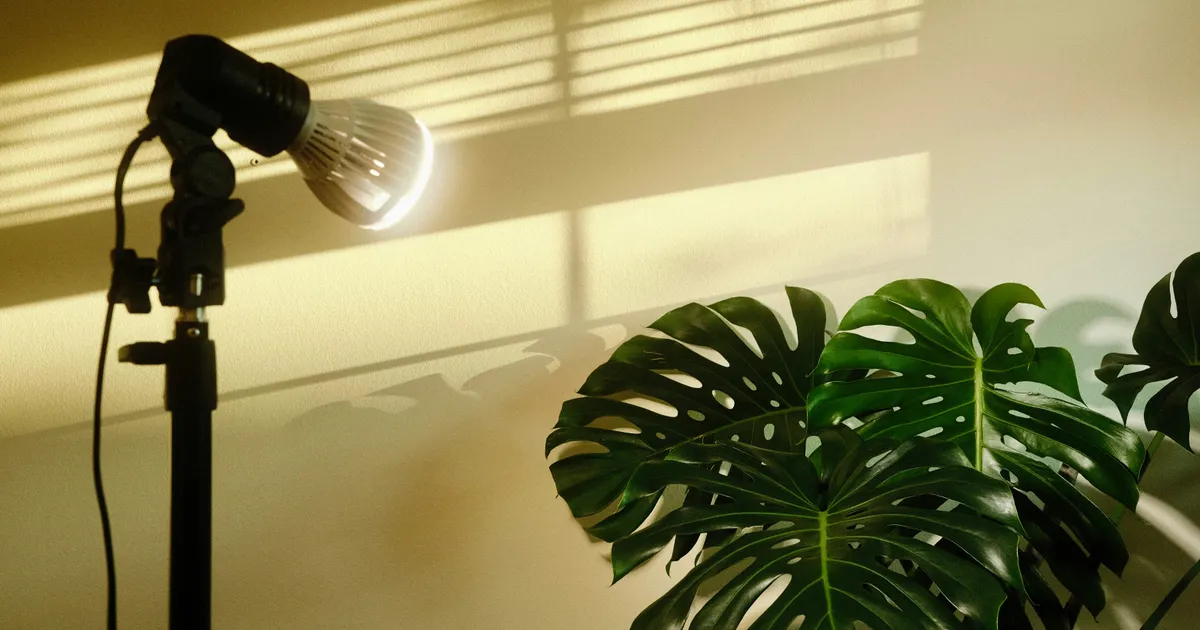

I remember a time when my focus felt like a leaky sieve, constantly draining away amidst the glow of artificial screens and the dull hum of fluorescent lights. It wasn’t until I started deeply researching the profound impact of our environment on cognitive function that I began to understand how to truly improve focus using natural light and environment setup. This isn’t just about opening a window; it’s about a deliberate, nuanced approach to crafting a space that actively supports your brain’s natural rhythms and enhances your ability to concentrate, leading to more productive and fulfilling work days. The transformation in my own productivity and mental clarity was so significant, it felt like unlocking a secret cheat code for my brain.
Aligning with Your Circadian Rhythm
Our bodies operate on an intricate internal clock, the circadian rhythm, which dictates everything from sleep-wake cycles to hormone release. This rhythm is profoundly influenced by light exposure, particularly natural light. When we spend most of our time under consistent, artificial lighting, especially first thing in the morning, we disrupt this delicate balance. This misalignment can lead to fatigue, irritability, and a significant decrease in our ability to sustain attention, making focused work feel like an uphill battle against our own biology.
Exposure to natural light, particularly bright morning light, is crucial for synchronizing this internal clock. It signals to our brain that it’s daytime, suppressing melatonin production and boosting cortisol levels in a healthy way, preparing us for alertness and activity. Ignoring this fundamental biological need is like trying to drive a car with misaligned wheels; you’ll get somewhere, but it will be a struggle. By intentionally seeking out natural light, especially early in the day, we lay the groundwork for a day of enhanced cognitive function, a practice that remains vital even in 2026.
Harnessing Morning Light for Peak Productivity
The first hour of your day is a golden opportunity to prime your brain for optimal focus. Instead of immediately diving into emails under dim indoor lights, make it a priority to expose yourself to natural light. This doesn’t necessarily mean staring directly at the sun; simply being near a window, taking your coffee outside, or even a short walk can make a tremendous difference. This early light exposure kickstarts your brain’s wakefulness, setting a strong foundation for concentration that will pay dividends throughout your workday, preventing that midday slump before it even begins.
Consider the orientation of your workspace. If possible, position your desk so that you receive ample natural light, especially from an east-facing window, during the initial hours of your workday. This consistent, gentle flood of morning light helps to solidify your circadian rhythm, fostering sustained alertness and reducing eye strain often associated with prolonged screen time in poorly lit environments. It’s a simple, yet profoundly effective, environmental tweak that can significantly impact your mental clarity and ability to tackle complex tasks.
Optimizing Your Workspace with Natural Elements
Beyond direct light exposure, integrating natural elements into your immediate environment can dramatically improve focus. This concept, known as biophilic design, recognizes our innate human connection to nature and its positive effects on well-being and cognitive performance. A workspace devoid of natural elements can feel sterile and uninspiring, contributing to mental fatigue and a wandering mind. Introducing even small touches can make a significant difference, transforming a mundane desk into a sanctuary of concentration.
Consider adding houseplants, particularly those known for air purification and low maintenance, like snake plants or ZZ plants. Beyond their aesthetic appeal, studies have shown that greenery in the workspace can reduce stress, increase productivity, and improve attention span. Furthermore, if you have access to a window with a view of nature, even a small patch of sky or trees, capitalize on it. Taking short, mindful breaks to simply gaze out the window can serve as a micro-reset for your brain, helping to restore focus and reduce mental fatigue. For more on biophilic design’s impact, see Terrapin Bright Green’s 14 Patterns of Biophilic Design.
Strategic Use of Light Throughout the Day
Maintaining optimal focus isn’t just about morning light; it’s about managing light exposure throughout the entire day. As the day progresses, the intensity and color temperature of natural light shift, and our indoor lighting should ideally mimic these changes. Avoid harsh, overhead fluorescent lights that create glare and can contribute to headaches and eye strain. Instead, opt for ambient lighting that complements the natural light entering your space, using task lighting for specific activities to minimize unnecessary brightness.
Midday breaks that involve stepping outside, even for just 10-15 minutes, can be incredibly restorative. This allows your eyes to adjust to different distances and light levels, combating the tunnel vision that often accompanies intense screen work. Think of it as a light hygiene practice – just as you brush your teeth, you should “cleanse” your eyes and brain with varied natural light exposure. This practice is increasingly important in our digital-first world of 2026, helping us maintain cognitive resilience.
Minimizing Evening Blue Light
As evening approaches, our bodies naturally prepare for sleep, and the presence of bright, blue-spectrum light can severely disrupt this process. Blue light emitted from screens (phones, tablets, computers) and many artificial light sources signals “daytime” to our brains, suppressing melatonin production and making it harder to wind down and achieve restful sleep. Poor sleep is a direct enemy of focus, leading to impaired cognitive function the following day. Implementing strategies to minimize evening blue light is paramount for consistent, high-quality focus.
To combat this, start dimming your indoor lights an hour or two before bed, opting for warmer, lower-intensity light sources. Utilize blue light filters on your devices or switch to night mode settings, which shift screen colors to a warmer spectrum. Ideally, avoid screens altogether in the hour leading up to sleep. Creating a dark, cool, and quiet sleep environment will significantly enhance sleep quality, directly translating to improved focus and sustained attention the next day, making these practices non-negotiable for peak performance.
The Power of Outdoor Breaks and Green Spaces
Sometimes, the best way to improve focus isn’t to try harder at your desk, but to step away from it entirely. Taking regular breaks outdoors, especially in green spaces, offers a powerful cognitive reset. This isn’t just about physical movement; it’s about engaging different parts of your brain and allowing your directed attention to rest while engaging in “soft fascination” – observing clouds, trees, or the sounds of nature. This concept is central to Attention Restoration Theory (ART), suggesting that natural environments can restore our capacity for directed attention. For a deeper dive into ART, explore Frontiers in Psychology research on nature’s cognitive benefits.
Even a short walk in a park or a few minutes spent in a garden can significantly reduce mental fatigue, decrease stress, and notably improve mood. These positive emotional shifts directly contribute to better cognitive function and an enhanced ability to concentrate upon returning to your tasks. Make it a non-negotiable part of your routine to step outside, breathe fresh air, and consciously engage with the natural world. It’s a small investment of time that yields substantial returns in terms of sustained focus and overall mental well-being, a strategy that will remain timeless even in 2026.
Key Takeaways
- Synchronize Your Circadian Rhythm: Prioritize bright, natural light exposure, especially in the first hour of your day, to align your internal clock and boost alertness.
- Optimize Your Workspace: Position your desk for natural light, integrate houseplants, and ensure you have access to views of nature to enhance cognitive function and reduce stress.
- Manage Light Throughout the Day: Avoid harsh artificial lights, take midday outdoor breaks to reset your eyes and brain, and actively minimize blue light exposure in the evenings for better sleep and next-day focus.
- Embrace Outdoor Green Spaces: Regularly step away from your desk for walks in nature to restore directed attention, reduce mental fatigue, and improve overall cognitive performance.
Frequently Asked Questions
How quickly can I expect to see improvements in my focus?
While individual results vary, many people report noticing subtle improvements in mood and alertness within a few days of consistently incorporating more natural light and outdoor breaks. Significant, sustained improvements in focus and cognitive stamina typically become apparent over several weeks as your circadian rhythm re-calibrates and your body adapts to the new environmental inputs.
What if I don’t have access to much natural light in my workspace?
Even if your immediate workspace lacks ample natural light, you can still make a difference. Prioritize getting outside for 10-20 minutes first thing in the morning and again during lunch. Consider using full-spectrum “daylight” lamps or light therapy boxes in your office, especially during darker months, to supplement natural light exposure. Even a small plant on your desk can contribute to a more biophilic environment.
Can artificial light mimic natural light well enough?
While advancements in artificial lighting, such as tunable LED lights, can simulate aspects of natural light’s changing color temperature, they cannot fully replicate the broad spectrum, intensity, and dynamic variability of true sunlight. Natural light provides a complex array of benefits that artificial sources struggle to match, particularly its ability to deeply entrain our circadian rhythms. It should be seen as a supplement, not a replacement.
Is there a specific type of plant that is best for improving focus?
While many plants offer benefits, specific types like Snake Plants (Sansevieria), ZZ Plants (Zamioculcas zamiifolia), Pothos, and Peace Lilies are excellent choices. They are low-maintenance, known for air purification qualities, and their presence contributes to a calming, natural aesthetic. The key is to introduce any form of greenery that you can easily care for and enjoy.
Conclusion
Improving focus isn’t about willpower alone; it’s about intelligently designing your environment to support your brain’s natural capabilities. By consciously integrating natural light, embracing biophilic elements, and strategically managing your light exposure throughout the day, you’re not just making aesthetic changes – you’re making profound biological and psychological investments. Embrace these simple yet powerful strategies, and you’ll unlock a level of sustained attention and mental clarity that feels both effortless and deeply rewarding, transforming your productivity and overall well-being.