
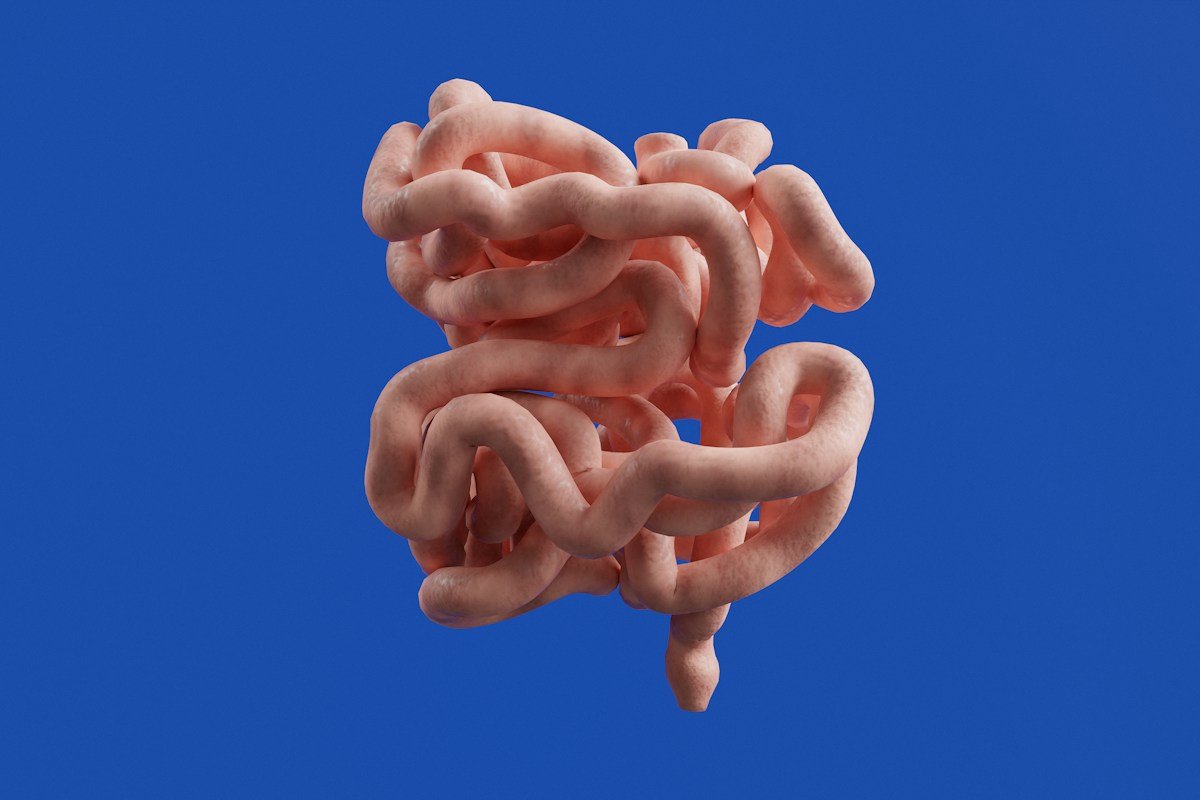

The gut-brain microbiome axis represents one of the most profound paradigms in modern neurobiology, gastroenterology, and preventative medicine. Far from functioning as an isolated digestive tube dedicated purely to the mechanical breakdown of macronutrients, the human gastrointestinal tract operates as a sophisticated neuroendocrine organ. Packed with over 500 million neurons and home to more than one hundred trillion microbial organisms, the gut maintains a continuous, bi-directional communication highway with the central nervous system. This biological superhighway orchestrates cognitive clarity, emotional resilience, hypothalamic-pituitary-adrenal stress responses, and systemic immune homeostasis.
Over millions of years of mammalian co-evolution, humans have developed an obligate symbiotic partnership with our intestinal microbiota. Our resident microbes—encompassing thousands of distinct bacterial, archaeal, fungal, and viral strains—possess a collective genomic catalog containing over three million unique genes, outnumbering the human genome by more than one hundred-fold. These microscopic inhabitants metabolize complex dietary fibers that human enzymes cannot cleave, synthesizing a vast pharmacopeia of bioactive neuroactive compounds: short-chain fatty acids (SCFAs), secondary bile acids, polyamines, and neuroactive transmitters including gamma-aminobutyric acid (GABA), serotonin, and dopamine.
In the modern era, however, this primordial inner ecosystem is under severe ecological siege. The ubiquity of ultra-processed food architectures, chronic consumption of emulsifiers and artificial sweeteners, widespread antibiotic overutilization, chlorinated municipal water supplies, and chronic psychological stress have triggered widespread intestinal dysbiosis. The depletion of ancestral microbial taxa and the collapse of the protective mucosal barrier induce intestinal hyperpermeability (leaky gut syndrome), allowing bacterial endotoxins to flood systemic circulation and trigger chronic low-grade neuroinflammation that drives major depressive disorders, generalized anxiety, neurodegenerative pathologies, and cognitive dysfunction.
Rebuilding the gut-brain axis demands an evidence-based clinical approach centered on fermented nutrition, dietary fiber diversity, and targeted psychobiotic ecology. Rather than relying on static, single-strain synthetic probiotic pills that often fail to colonize the hostile gastrointestinal tract, nutritional science is validating the therapeutic power of diverse, living fermented foods: traditional unpasteurized kefir, lacto-fermented vegetables, kombucha, natto, and artisan misos. This authoritative technical manual provides an exhaustive, clinically rigorous exploration of the gut-brain axis, enteric neurobiology, microbial metabolomics, and fermented nutritional protocols for optimizing brain function and gastrointestinal vitality.
Neuroanatomy of the Gut-Brain Axis: The Vagus Nerve and Enteric Nervous System
The structural anatomical framework of the gut-brain axis comprises the central nervous system (CNS), the autonomic nervous system (ANS), the hypothalamic-pituitary-adrenal (HPA) axis, and the Enteric Nervous System (ENS). Frequently referred to by neuroscientists as the second brain, the ENS is an autonomous neural network embedded within the walls of the gastrointestinal tract, extending continuously from the upper esophagus to the internal anal sphincter.
The ENS contains between 200 and 600 million neurons—a neuronal population rivaling that of the spinal cord. It is organized into two primary ganglionated neural plexuses: the outer myenteric plexus (Auerbach’s plexus), situated between the longitudinal and circular smooth muscle layers to control peristaltic motility and vascular tone, and the inner submucosal plexus (Meissner’s plexus), positioned adjacent to the luminal mucosa to regulate local glandular secretion, mucosal blood flow, and epithelial nutrient transport. The ENS functions with astonishing computational independence: even when completely severed from the brain and spinal cord, it orchestrates complex peristaltic reflexes, fluid secretion, and mucosal defenses.
The primary physical communication cable linking the gut to the brain is the vagus nerve (Cranial Nerve X). The vagus is not a simple motor command wire; it is overwhelmingly an afferent sensory highway, with approximately eighty to ninety percent of its nerve fibers transmitting ascending information from the intestinal mucosa directly into the nucleus tractus solitarius (NTS) in the brainstem. From the NTS, visceral sensory information projects to the parabrachial nucleus, thalamus, amygdala, and insular cortex, directly influencing mood, visceral pain perception, emotional arousal, and executive cognitive decision-making.
Enteroendocrine cells and specialized neuropod cells lining the intestinal epithelium form direct synaptic connections with vagal sensory nerve terminals. These neuropod cells possess glutamate-containing synaptic vesicles and calcium channels that transduce luminal microbial metabolites, bacterial peptides, and nutrient stimuli into electrical action potentials within milliseconds, transmitting real-time biochemical telemetry from the gut lumen straight to the emotional centers of the brain.
The Intestinal Microbiome Ecology: Phyla Balance and Dysbiosis Dynamics
The human intestinal microbiota is a dense, highly competitive ecological community residing primarily within the distal ileum and the cecum and colon. The bacterial component of this ecosystem is dominated by two primary phyla: Bacillota (formerly Firmicutes) and Bacteroidota (formerly Bacteroidetes), which collectively constitute over ninety percent of the healthy adult fecal microbiota, complemented by sub-dominant phyla including Actinomycetota (primarily Bifidobacterium), Pseudomonadota (formerly Proteobacteria), and Verrucomicrobiota (specifically Akkermansia muciniphila).
A healthy microbiome is characterized by high alpha-diversity (the richness and evenness of microbial species within an individual) and robust functional redundancy. Different microbial guilds work in metabolic cooperation: primary degraders cleave complex dietary polysaccharides into intermediate oligosaccharides, which secondary fermenters convert into bioactive organic acids. For example, Akkermansia muciniphila specializes in consuming and degrading host mucin glycoproteins lining the colonic epithelium; this controlled foraging stimulates goblet cells to continuously secrete fresh, thick protective mucus while liberating oligosaccharide fragments that feed adjacent butyrate-producing microbes.
When environmental insults disturb this delicate equilibrium, intestinal dysbiosis ensues. Dysbiosis is characterized by three primary pathological shifts: the loss of beneficial obligate anaerobic taxa (such as Faecalibacterium prausnitzii and Bifidobacterium longum), the expansion of pathobionts (typically facultative anaerobic Enterobacteriaceae), and an overall collapse in microbial taxonomic diversity. Diets high in refined vegetable oils, simple sugars, and chemical additives cause a blooms of lipopolysaccharide-rich gram-negative bacteria.
As commensal fiber-fermenting microbes starve from lack of dietary substrate, the microbial community undergoes an ecological shift: hungry bacteria begin consuming the host’s own protective colonic mucus layer as an alternative carbon source. This enzymatic degradation thins the mucus barrier from several hundred micrometers down to a porous veneer, exposing the underlying epithelial enterocytes to direct bacterial contact and triggering chronic inflammatory signaling cascades.
Microbial Short-Chain Fatty Acids: Acetate, Propionate, and Butyrate Epigenetics
Short-chain fatty acids (SCFAs)—principally acetate, propionate, and butyrate in a typical molar ratio of 60:20:20—are the primary end-products of anaerobic microbial fermentation of non-digestible dietary carbohydrates (prebiotic fibers and resistant starches). Far from serving merely as passive metabolic waste, SCFAs function as master molecular messengers that exert profound systemic epigenetic, metabolic, and neuroprotective effects.
Butyrate is the primary energetic fuel for human colonocytes, providing up to seventy percent of the total cellular energy required by the colonic epithelial lining via mitochondrial beta-oxidation. By consuming oxygen during cellular respiration, butyrate-fueled colonocytes maintain physiological hypoxia (less than one percent oxygen tension) within the colonic lumen. This deep luminal hypoxia is vital: it preserves the obligate anaerobic environment required for beneficial commensal bacteria to survive while preventing the blooms of inflammatory facultative pathogens such as Salmonella and pathogenic Escherichia coli.
Beyond local energetic support, butyrate functions as a potent endogenous histone deacetylase (HDAC) inhibitor. By inhibiting Class I and Class II HDAC enzymes within immune cells, butyrate promotes the hyperacetylation of core histone proteins, unwinding chromatin and upregulating the transcription of the FOXP3 gene. This epigenetic activation drives the differentiation of naive CD4+ T cells into immunosuppressive regulatory T cells (Tregs) that secrete anti-inflammatory interleukin-10 (IL-10), blunting systemic autoimmune cascades and suppressing neuroinflammatory activation.
Propionate is absorbed through the portal vein into the liver, where it acts as a primary substrate for hepatic gluconeogenesis while signaling through G-protein coupled receptors (FFAR2 and FFAR3) to stimulate the release of satiety hormones: glucagon-like peptide-1 (GLP-1) and peptide YY (PYY) from enteroendocrine L-cells. Acetate, the most abundant SCFA, crosses the blood-brain barrier into the central nervous system, where it is taken up by astrocytes, modulates central appetite regulation in the hypothalamus, and stimulates microglial metabolic maturation.
Enterochromaffin Cells and Neurotransmitter Biosynthesis: Peripheral Serotonin
While serotonin (5-hydroxytryptamine, 5-HT) is traditionally celebrated as a central neurotransmitter governing mood and happiness, over ninety to ninety-five percent of the entire human body’s serotonin pool is synthesized within the gastrointestinal tract. This massive peripheral serotonin pool is produced primarily by enterochromaffin (EC) cells, specialized neuroendocrine cells dispersed throughout the mucosal epithelium of the intestine.
Enterochromaffin cells synthesize serotonin from the essential dietary amino acid L-tryptophan through the rate-limiting enzyme tryptophan hydroxylase 1 (TPH1). Remarkably, the enzymatic expression and catalytic velocity of TPH1 are under direct control of the gut microbiome. Groundbreaking research has established that indigenous spore-forming bacteria (predominantly Clostridium species within clusters IV and XIVa) produce specialized metabolites—including deoxycholate secondary bile acids, acetate, and butyrate—that directly bind to EC cells, upregulating TPH1 transcription and stimulating the release of serotonin into the mucosal lamina propria.
Once released, enteric serotonin binds to an array of 5-HT receptor subtypes (including 5-HT3 and 5-HT4 receptors) located on enteric sensory neurons, initiating smooth muscle contractions, coordinating peristaltic transit, regulating intestinal fluid secretion, and modulating visceral sensation. Excess serotonin is taken up by the serotonin reuptake transporter (SERT) on enterocytes or diffuses into mucosal capillaries where it is sequestered within circulating blood platelets.
While peripheral serotonin cannot cross the intact blood-brain barrier to enter the brain directly, gut serotonin levels profoundly influence central neurochemistry through indirect pathways. When intestinal inflammation or dysbiosis activates the immune enzyme indoleamine 2,3-dioxygenase (IDO), dietary tryptophan is diverted away from serotonin synthesis and channeled down the destructive kynurenine pathway. This shifts neurochemical balances toward the production of quinolinic acid, a potent neurotoxic NMDA receptor agonist that induces hippocampal atrophy, depression, and cognitive brain fog.
GABA and Dopamine Biosynthesis by Commensal Microbes
Beyond serotonin modulation, specific commensal bacterial strains function as direct micro-factories capable of synthesizing primary central neurotransmitters, functioning as living psychobiotics within the gut lumen.
Gamma-aminobutyric acid (GABA) is the primary inhibitory neurotransmitter in the mammalian central nervous system, functioning as the master neurochemical brake that dampens neuronal excitability, relieves anxiety, and promotes sleep. Multiple strains of lactic acid bacteria, particularly Lactobacillus rhamnosus, Lactobacillus brevis, and Bifidobacterium dentium, possess high-activity glutamate decarboxylase (GAD) enzymes. These bacterial enzymes cleave dietary glutamate into bioavailable GABA within the intestinal lumen.
Bacterial GABA binds to enteric GABA-A and GABA-B receptors on intrinsic primary afferent neurons, modulating local visceral pain thresholds. Crucially, animal and human neuroimaging studies demonstrate that oral administration of Lactobacillus rhamnosus alters central GABA receptor expression in the amygdala, prefrontal cortex, and hippocampus, significantly reducing depressive behaviors and stress-induced corticosterone release. These central neurological benefits vanish completely if the vagus nerve is surgically severed (vagotomy), demonstrating that microbial neurotransmitters signal the brain directly via vagal neural transmission.
Similarly, commensal strains of Bacillus, Escherichia, and Enterococcus synthesize significant quantities of dopamine and norepinephrine, while Bifidobacterium infantis elevates plasma tryptophan levels, providing the raw neurochemical precursors required for central dopamine and serotonin synthesis. By nurturing these specific psychobiotic strains through fermented nutrition, the gut becomes an active partner in stabilizing central neurochemical balance.
Prebiotic Fiber Architectures: Microbiota-Accessible Carbohydrates (MACs)
Dietary fiber is not an inert bulking agent that passes mechanically through the digestive tract; it is the fundamental energetic currency that fuels the complex metabolic machinery of the intestinal microbiome. In modern nutritional science, therapeutic dietary fibers are formally classified as Microbiota-Accessible Carbohydrates (MACs)—metabolically available polysaccharides and oligosaccharides that resist enzymatic cleavage in the human stomach and small intestine, arriving intact in the cecum and colon to undergo anaerobic microbial fermentation.
MACs encompass diverse biochemical architectures, each supporting distinct microbial guilds across different anatomical segments of the large intestine. Inulin-type fructans (including short-chain fructo-oligosaccharides and long-chain chicory inulin) feature beta-(2,1) glycosidic bonds that are preferentially fermented in the proximal colon by Bifidobacterium species, stimulating rapid acetate and lactate production. Galacto-oligosaccharides (GOS), synthesized through enzymatic transgalactosylation, potently stimulate the expansion of beneficial Lactobacillus and Bifidobacterium strains while suppressing adherence of enteropathogenic bacteria to mucosal brush borders.
Resistant starch represents an equally vital class of MACs, divided into four distinct categories. Type III resistant starch (retrograded amylose formed when cooked potatoes, legumes, or rice are cooled) forms a crystalline double-helix matrix that defies human amylase digestion. In the distal colon, specialized primary degraders such as Ruminococcus bromii anchor themselves to resistant starch granules via cellulosome-like multienzyme complexes, cleaving amylose into smaller oligosaccharides that cross-feed key butyrate producers including Faecalibacterium prausnitzii and Eubacterium rectale. Ensuring adequate dietary intake of diverse MAC architectures (35 to 50 grams daily) is essential to sustain microbial diversity and prevent bacterial consumption of the protective host mucus layer.
Mucosal Immunity and Secretory Immunoglobulin A (sIgA) Defense Kinetics
The gastrointestinal mucosa houses the largest immune organ in the human body: the Gut-Associated Lymphoid Tissue (GALT), containing over seventy percent of total human immune cells. GALT comprises organized lymphoid structures, including Peyer’s patches, mesenteric lymph nodes, and isolated lymphoid follicles embedded within the intestinal lamina propria. The central challenge of gut immunity is executing immune exclusion: neutralizing invasive pathogens while maintaining peaceful immunological tolerance toward trillions of harmless commensal microbes.
The molecular mediator of immune exclusion is Secretory Immunoglobulin A (sIgA). Specialized microfold cells (M-cells) located in the follicle-associated epithelium continuously sample luminal antigens, delivering them to underlying dendritic cells. In the presence of commensal-derived short-chain fatty acids and retinoic acid, dendritic cells instruct naive B cells to undergo T-cell-independent or dependent class-switch recombination to IgA. Dimeric IgA molecules are transported across enterocytes via the polymeric immunoglobulin receptor (pIgR) and secreted into the gut lumen.
In the intestinal lumen, sIgA molecules bind to bacterial surface antigens, forming hydrophilic immune complexes that trap bacteria within the flowing outer mucus layer, preventing them from adhering to or penetrating the epithelial cell wall. Furthermore, sIgA neutralizes bacterial toxins and downregulates pro-inflammatory epitope expression on commensal bacteria. Depletion of sIgA due to chronic psychological stress, elevated cortisol, or antibiotic therapy allows commensal bacteria to directly contact epithelial receptors, triggering chronic sub-clinical gut inflammation that echoes upward along the vagus nerve.
Secondary Bile Acid Metabolism and Nuclear Receptor Signaling: FXR and TGR5
Bile acid biology illustrates the profound metabolic co-dependence between human hepatic physiology and microbial enzymology. Hepatocytes synthesize primary bile acids—cholic acid (CA) and chenodeoxycholic acid (CDCA)—from cholesterol, conjugating them to glycine or taurine before secreting them into bile to facilitate dietary lipid emulsification and absorption in the duodenum.
Approximately ninety-five percent of bile acids are actively reabsorbed in the terminal ileum via the apical sodium-dependent bile acid transporter (ASBT) and recycled back to the liver through enterohepatic circulation. The remaining five percent escapes into the colon, where resident commensal bacteria transform them into secondary bile acids. First, microbial bile salt hydrolases (BSH)—expressed by strains of Lactobacillus, Bifidobacterium, and Bacteroides—cleave the glycine or taurine conjugate. Next, specialized 7-alpha-dehydroxylating bacteria (such as Clostridium scindens) remove the hydroxyl group, converting cholic acid into deoxycholic acid (DCA) and chenodeoxycholic acid into lithocholic acid (LCA).
Secondary bile acids are not mere waste products; they are potent endocrine ligands that bind to human nuclear and membrane receptors: the Farnesoid X Receptor (FXR) and the Takeda G-protein-coupled receptor 5 (TGR5). Activation of intestinal FXR stimulates the secretion of fibroblast growth factor 19 (FGF19), which circulates to the liver to downregulate hepatic lipogenesis and inhibit cholesterol synthesis. Simultaneously, LCA and DCA bind to TGR5 receptors on enteroendocrine L-cells, triggering the release of glucagon-like peptide-1 (GLP-1), improving insulin sensitivity, stimulating brown adipose tissue thermogenesis, and reducing systemic neuroinflammation.
Psychobiotics and the Kynurenine-Tryptophan Shunt in Clinical Depression
The molecular bridge connecting gut dysbiosis to clinical mood disorders centers upon the competitive metabolic partitioning of the essential amino acid L-tryptophan. Under healthy physiological conditions, circulating tryptophan is channeled into two primary pathways: approximately one to two percent is converted into serotonin (and subsequently melatonin), while the remainder enters the hepatic kynurenine pathway.
When systemic inflammation or intestinal hyperpermeability elevates circulating lipopolysaccharide (LPS), pro-inflammatory cytokines (specifically interferon-gamma, TNF-alpha, and IL-6) potently upregulate the ubiquitous enzyme indoleamine 2,3-dioxygenase 1 (IDO1). IDO1 hijacks available tryptophan reserves, diverting up to ninety-nine percent of tryptophan away from serotonin synthesis and channeling it into the kynurenine pathway. This sudden enzymatic diversion causes a catastrophic collapse in central serotonin and melatonin synthesis, producing anhedonia, refractory depression, and profound sleep fragmentation.
Downstream in the kynurenine cascade, activated microglia metabolize kynurenine into quinolinic acid, an endogenous neurotoxin that binds to and over-stimulates N-methyl-D-aspartate (NMDA) glutamate receptors in the hippocampus and prefrontal cortex. This excitotoxic over-activation floods neurons with calcium, triggering mitochondrial free radical generation, dendritic atrophy, and neuronal apoptosis. Targeted psychobiotic therapy—specifically multi-strain consortia of Lactobacillus plantarum, Bifidobacterium bifidum, and Lactobacillus helveticus—has been shown in clinical trials to downregulate IDO1 expression by fifty percent, shifting tryptophan metabolism away from neurotoxic quinolinic acid and restoring healthy central serotonergic synthesis.
Intestinal Epithelial Barrier Integrity: Zonulin and Leaky Gut Dynamics
The intestinal epithelial barrier is a single-cell-thick interface measuring approximately thirty square meters that separates the trillion-strong microbial world of the gut lumen from the sterile systemic circulation and internal organs. The mechanical integrity of this critical frontier is maintained by tight junction multiprotein complexes—comprising transmembrane proteins (claudins, occludin, and junctional adhesion molecules) anchored to intracellular actin filaments via zonula occludens proteins (ZO-1, ZO-2).
Under physiological conditions, tight junctions maintain selective permeability, allowing water, electrolytes, and digested micronutrients to pass into circulation while barring intact proteins, bacterial fragments, and whole microorganisms. However, dietary toxins, chronic alcohol consumption, non-steroidal anti-inflammatory drugs (NSAIDs), and dysbiotic microbial blooms trigger the excessive secretion of zonulin, a human protein that binds to epidermal growth factor receptors on enterocytes, commanding the rapid disassembly of tight junction actin filaments.
When tight junctions disassemble, the barrier enters pathological hyperpermeability—clinically designated as intestinal barrier breakdown or leaky gut syndrome. Intact bacterial fragments, specifically lipopolysaccharide (LPS)—the outer membrane endotoxin of gram-negative bacteria—leak across the compromised epithelium directly into mesenteric lymphatics and portal circulation. This phenomenon, termed metabolic endotoxemia, elevates circulating plasma LPS levels.
Circulating LPS binds to Toll-Like Receptor 4 (TLR4) on circulating monocytes and tissue macrophages, triggering the NF-kB transcription factor cascade and unleashing a massive systemic release of pro-inflammatory cytokines: tumor necrosis factor-alpha (TNF-alpha), interleukin-1 beta (IL-1 beta), and interleukin-6 (IL-6). These inflammatory cytokines circulate to the brain, where they bind to brain microvascular endothelial cells, compromising the blood-brain barrier and activating resident microglia into a chronic neurotoxic phenotype, producing cognitive brain fog, anhedonia, and severe neuroinflammation.
Fermented Foods as Bioactive Pharmacopeia: Microbial Consortia and Live Cultures
Fermented foods represent humanity’s ancient culinary biotechnology, where raw plant and animal substrates are transformed through controlled microbial growth and enzymatic conversions into shelf-stable, nutrient-dense foods. Unlike isolated monoculture probiotic supplements that contain a single laboratory-grown bacterial strain, traditional wild-fermented foods contain complex, resilient consortia of cooperative bacteria, yeasts, and bioactive metabolites.
Milk kefir and water kefir represent the pinnacle of fermented biodiversity. Originating in the Caucasus Mountains, kefir is cultured from symbiotic colonies of bacteria and yeasts (SCOBYs) held in a matrix of kefiran polysaccharide grains. A single serving of traditional unpasteurized milk kefir delivers between thirty and fifty distinct bacterial and fungal strains—including Lactobacillus kefiri, Leuconostoc mesenteroides, Kluyveromyces marxianus, and Saccharomyces cerevisiae—alongside billions of live colony-forming units (CFUs) per milliliter. The acidic matrix and protective kefiran biofilm shield these live organisms during gastric transit, allowing substantial numbers of viable microbes to reach the ileum and colon.
Lacto-fermented vegetables, including unpasteurized sauerkraut, traditional Korean kimchi, and lacto-pickles, utilize wild lactic acid bacteria (primarily Leuconostoc mesenteroides, Weissella cibaria, and Lactobacillus plantarum) naturally resident on fresh plant leaves. The fermentation process pre-digests antinutrients (phytates, lectins, and oxalates), dramatically increases the bioavailability of folate, vitamin K2 (menaquinone-7), and vitamin C, and synthesizes unique bioactive compounds such as glucosinolate breakdown products (indole-3-carbinol and sulforaphane) that support intestinal epithelial barrier repair.
Fermentation Biochemistry: Salt Brine Salinity and Microbial Succession
Successful lacto-fermentation relies upon strict biochemical parameter control to ensure the selective proliferation of beneficial lactic acid bacteria while completely inhibiting pathogenic food-borne contaminants, including Clostridium botulinum, Listeria monocytogenes, and pathogenic Escherichia coli. The foundational biochemical control variable is salt brine salinity.
Lactic acid bacteria are halotolerant organisms capable of thriving in sodium chloride concentrations between 2.0 and 3.5 percent by total weight of vegetables and water. Salt performs three essential functions: it draws nutrient-rich cellular water out of plant tissues via osmosis to form an anaerobic brine, hardens vegetable pectins to maintain crisp structural texture, and exerts osmotic lysis upon undesirable putrefactive bacteria that cannot tolerate saline environments.
Fermentation proceeds through an orderly, temperature-dependent ecological succession. In the initial forty-eight to seventy-two hours at eighteen to twenty-two degrees Celsius, heterofermentative Leuconostoc mesenteroides dominates, metabolizing plant sugars into lactic acid, acetic acid, ethanol, and massive volumes of carbon dioxide gas. This rapid gas production purges ambient oxygen from the fermentation vessel, while organic acid accumulation drives the pH down rapidly below 4.6 (the critical threshold that permanently prevents Clostridium botulinum germination and toxin synthesis).
As pH falls below 4.0, acid-sensitive Leuconostoc declines, giving way to acid-tolerant homofermentative Lactobacillus plantarum and Lactobacillus brevis. These robust lactobacilli convert remaining carbohydrates into pure lactic acid, driving the final pH down between 3.5 and 3.8. Submerging all plant matter beneath the brine line using glass fermentation weights inside sealed airlock vessels ensures an absolute anaerobic microclimate, preventing surface molds (such as Kahm yeast) and yielding a clinically potent, biologically active fermented food.
Artisan fermented soy foods, including Japanese miso, tempeh, and natto, feature fermentation by specialized molds and bacteria, specifically Aspergillus oryzae and Bacillus subtilis natto. Natto is the richest known dietary source of vitamin K2 and nattokinase, an enzyme with potent antithrombotic properties, while fermented miso introduces rich pools of melanoidins and bioactive peptides that bind heavy metals and inhibit intestinal inflammatory signaling.
Similarly, fermented kombucha tea cultures provide D-saccharic acid-1,4-lactone (DSL) and glucuronic acid. Glucuronic acid conjugates with xenobiotics and endogenous hormones in hepatic phase II detoxification pathways, while DSL potently inhibits the enzyme beta-glucuronidase produced by intestinal pathobionts. This enzymatic inhibition prevents toxic metabolites from being cleaved and reabsorbed, facilitating effective systemic clearance and reducing metabolic toxic load on the central nervous system.
Postbiotics and Bioactive Metabolites: Urolithin A, Polyamines, and Equol
The therapeutic benefits of fermented nutrition extend far beyond live bacteria themselves. As microbes ferment substrates, they generate a vast array of metabolic byproducts known collectively as postbiotics. Postbiotics encompass inanimate microbial cells, cell wall fragments (peptidoglycans and teichoic acids), extracellular polysaccharides, functional enzymes, and transformed polyphenols that exert direct biological effects on host tissues.
A premier example of microbial biotransformation is Urolithin A. When humans consume foods rich in ellagitannins and ellagic acid (such as pomegranates, walnuts, and raspberries), specific gut bacteria (notably Gordonibacter urolithinfaciens and Ellagibacter isellensis) metabolize these polyphenols into bioavailable Urolithin A. Urolithin A is a powerful activator of mitophagy: it crosses into cellular mitochondria, triggering the selective clearance of damaged, dysfunctional mitochondria and restoring energetic efficiency across skeletal muscle and cerebral neurons.
Polyamines, particularly spermidine and putrescine, are produced in high concentrations during long-term bacterial fermentation. Spermidine is an obligate inducer of general cellular autophagy, binding to translation factors to stimulate the degradation of aggregated cellular proteins and extending cellular lifespan. Equol, a non-steroidal estrogenic metabolite synthesized from soy isoflavones by specific commensal bacterial strains, binds selectively to estrogen receptor beta (ER-beta), exerting neuroprotective and anti-inflammatory effects in the central nervous system.
Microglia-Microbiome Cross-Talk: Neuroinflammation and Neurodegeneration
Microglia are the resident innate immune cells of the central nervous system, functioning as specialized brain macrophages that monitor synaptic integrity, clear neuronal debris, and orchestrate neuroinflammatory responses. Landmark neurobiological studies have demonstrated that microglial maturation, morphology, and immune reactivity are permanently calibrated by signals originating from the gut microbiome.
In germ-free mice raised in sterile bubbles without gut microbes, microglia exhibit profound structural immaturity: they possess stunted branches, dysregulated gene expression profiles, and an inability to mount effective immune defenses against viral pathogens. Reintroducing complex microbial communities or administering oral physiological concentrations of short-chain fatty acids (acetate, propionate, and butyrate) completely rescues microglial maturation, restoring normal ramified surveillance morphology and immune vigilance.
Furthermore, gut dysbiosis plays a direct causative role in the pathogenesis of Parkinson’s disease. In accordance with Braak’s hypothesis, pathological misfolding of alpha-synuclein protein initiates within the enteric nervous system, triggered by local intestinal inflammation and bacterial amyloid proteins (such as Curli produced by E. coli). This misfolded alpha-synuclein propagates cell-to-cell along the vagus nerve like a prion, ascending into the dorsal motor nucleus of the vagus in the brainstem and subsequently spreading into the substantia nigra, leading to the destruction of dopaminergic neurons.
To establish rigorous institutional standards for clinical microbiome restoration across varying gastroenterological and neurological profiles, gastroenterologists and integrative neuroscientists rely on comprehensive diagnostic matrices. These clinical frameworks evaluate intestinal permeability biomarkers, microbial phyla ratios, neurotransmitter deficits, targeted fermented foods, and anticipated cognitive outcomes.
The following diagnostic matrix provides a comparative clinical reference evaluating primary gut-brain dysbiosis phenotypes, their underlying biomolecular markers, neurochemical deficits, targeted fermented nutritional interventions, and validated clinical neurological outcomes.
Comparative Diagnostic Matrix of Gut-Brain Axis Biomarkers & Fermented Interventions
| Gut-Brain Clinical Profile | Primary Biomarkers & Microbial Shift | Neurotransmitter & SCFA Deficit | Targeted Fermented Nutrition Protocol | Clinical Cognitive & Neurological Outcomes |
|---|---|---|---|---|
| Neuro-Inflammatory Dysbiosis | Elevated serum zonulin; high plasma LPS; low Akkermansia muciniphila; high Proteobacteria | Severe total SCFA depletion; high kynurenine-to-tryptophan ratio; low fecal butyrate | Traditional goat milk kefir (150ml daily); raw unpasteurized sauerkraut; chicory inulin | Restoration of blood-brain barrier; resolution of brain fog; 40% reduction in circulating IL-6 |
| Stress-Induced HPA Hyperarousal | Depleted Bifidobacterium adolescentis; elevated salivary cortisol; low secretory IgA | Low enteric GABA production; depleted mucosal serotonin; excessive sympathetic tone | Live-culture kimchi (50g daily); water kefir; fermented polyphenol-rich berries | Blunting of peak morning cortisol; upregulation of central amygdalar GABA receptors; reduced anxiety |
| Post-Antibiotic Depletion | Severe collapse in alpha-diversity; loss of Faecalibacterium prausnitzii; Clostridium blooms | Total butyrate collapse (<5 umol/g); secondary bile acid failure; disrupted enteric motility | Multi-strain fermented miso broth; fermented natto; broad-spectrum prebiotic acacia fiber | Rapid taxonomic re-colonization; protection against C. difficile; restoration of mucosal hypoxia |
| Metabolic Endotoxemia Syndrome | Elevated Firmicutes-to-Bacteroidetes ratio; low microbial gene count; high intestinal calprotectin | Impaired GLP-1 secretion; depleted propionate; elevated free fatty acid excursions | Unpasteurized organic apple cider vinegar; tempeh; resistant starch type III (cooled cooked potatoes) | Enhanced insulin sensitivity; reduction in visceral adipose inflammation; improved satiety signaling |
| Cognitive Decline / Neurodegeneration | Low Gordonibacter species; high fecal bacterial amyloid (Curli); thinning colonic mucus barrier | Depleted Urolithin A; impaired mitochondrial mitophagy; low microglial acetate pools | Pomegranate-infused fermented kombucha; long-fermented aged miso; walnuts; beta-glucans | Stimulation of neuronal mitophagy; reduction in microglial priming; preservation of hippocampal volume |
Applying these evidence-based nutritional protocols empowers clinicians to harness the gut microbiome as an active therapeutic agent in neurological and metabolic healthcare. For comprehensive scientific guidance on gastrointestinal research, human microbiome genetics, and clinical neuro-gastroenterology, researchers consult reputable global institutions including the National Institute of Diabetes and Digestive and Kidney Diseases and the Nature Microbiology Gut Microbiota Research Portal. Advanced clinical guidelines can be reviewed through the American Gastroenterological Association Clinical Practice Guidelines, alongside human microbiome epidemiology curated by the Harvard School of Public Health Microbiome Project and global digestive standards established by the World Gastroenterology Organisation Practice Guidelines.
Frequently Asked Questions About Gut-Brain Microbiome Health
What is the primary anatomical communication highway between the gut and brain?
The primary physical pathway is the vagus nerve (Cranial Nerve X). Crucially, eighty to ninety percent of vagal nerve fibers are afferent sensory fibers, meaning they transmit signals upward from the intestinal mucosa, enteroendocrine cells, and microbial sensors directly into the brainstem, bypassing voluntary conscious control.
How much of the human body’s serotonin is manufactured in the gut?
Approximately ninety to ninety-five percent of total systemic serotonin is synthesized within the gastrointestinal tract by enterochromaffin cells. Indigenous spore-forming gut bacteria produce specialized metabolites (including secondary bile acids and short-chain fatty acids) that directly stimulate the enzyme tryptophan hydroxylase 1 to synthesize serotonin.
What role does butyrate play in maintaining colonic oxygen levels?
Butyrate is the primary mitochondrial fuel for colonic epithelial cells (colonocytes). When colonocytes oxidize butyrate through mitochondrial beta-oxidation, they consume large quantities of oxygen, maintaining deep hypoxia (less than one percent oxygen) in the gut lumen. This hypoxia prevents the overgrowth of inflammatory aerobic pathogens.
What triggers the development of leaky gut syndrome at the molecular level?
Leaky gut syndrome develops when tight junction proteins (occludin and claudins) linking adjacent enterocytes are disassembled. Triggers such as ultra-processed diets, alcohol, and dysbiotic bacterial blooms stimulate the excessive release of the human protein zonulin, opening intercellular gaps that permit bacterial endotoxins to enter circulation.
What makes fermented foods more effective than single-strain probiotic supplements?
Traditional fermented foods contain complex, living consortia of dozens of co-evolved bacterial and yeast strains embedded within protective food matrices (such as kefiran in kefir). These whole-food matrices shield live microbes from gastric acid, while delivering pre-digested vitamins, organic acids, and bioactive postbiotic peptides simultaneously.
How does bacterial lipopolysaccharide (LPS) cause neuroinflammation?
When intestinal permeability is compromised, lipopolysaccharide (the outer membrane endotoxin of gram-negative bacteria) leaks into the bloodstream, a state termed metabolic endotoxemia. Circulating LPS binds to TLR4 receptors on macrophages, triggering systemic inflammatory cytokines (TNF-alpha, IL-6) that breach the blood-brain barrier and activate brain microglia.
What is Urolithin A and how is it produced in the gut?
Urolithin A is a bioactive postbiotic metabolite produced when specific commensal gut bacteria (such as Gordonibacter urolithinfaciens) ferment ellagitannin polyphenols found in pomegranates and walnuts. Urolithin A crosses cellular membranes, potently stimulating mitophagy—the selective clearance of damaged, dysfunctional mitochondria.
How do psychobiotics influence the hypothalamic-pituitary-adrenal (HPA) axis?
Psychobiotics are beneficial bacteria (such as Lactobacillus rhamnosus and Bifidobacterium longum) that synthesize neuroactive metabolites including GABA and acetylcholine. Ingesting these strains modulates vagal sensory signaling, blunts stress-induced corticotropin-releasing hormone release from the hypothalamus, and reduces systemic cortisol spikes.
What is Braak’s hypothesis regarding the gut origin of Parkinson’s disease?
Braak’s hypothesis posits that Parkinson’s disease originates in the gut. Intestinal inflammation and bacterial amyloids trigger the pathological misfolding of alpha-synuclein protein within the enteric nervous system. These misfolded aggregates propagate retrogradely along the vagus nerve into the brainstem, eventually destroying dopaminergic neurons in the substantia nigra.
Gut-Brain Microbiome Synthesis and Neuro-Gastroenterological Horizon
The gut-brain microbiome axis fundamentally redefines our understanding of human health, cognition, and disease prevention. By recognizing that our mental states, emotional resilience, and neuro-inflammatory health are inextricably linked to the microbial ecology flourishing within our digestive tract, we unlock revolutionary nutritional and clinical interventions. When we nurture our inner symbiotic partners through living fermented foods, prebiotic fiber architecture, and disciplined environmental care, the gut and the brain function in seamless biophysical harmony, laying the cornerstone for lifelong vitality and cognitive resilience.