
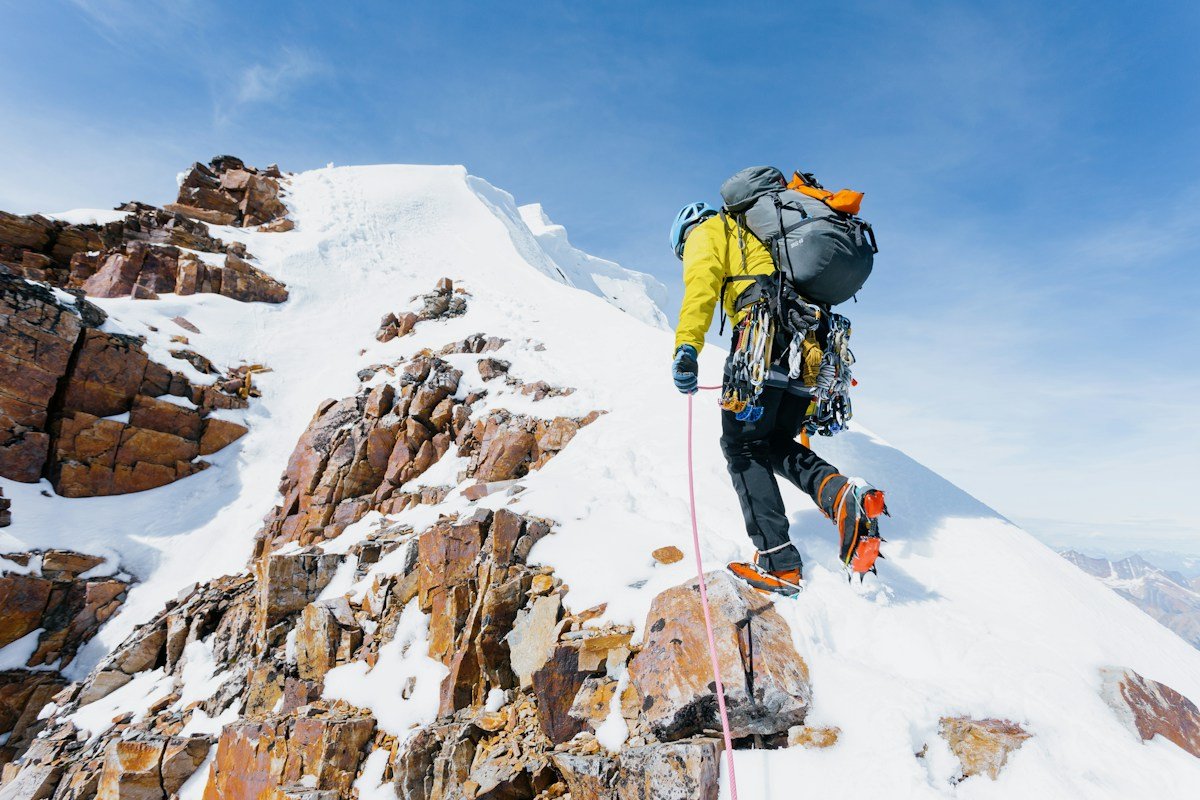

High-altitude mountaineering represents the ultimate test of human physiological resilience, environmental adaptation, and calculated risk management. As an alpinist ascends above 2,500 meters into the sub-alpine, alpine, and extreme high-altitude zones, the human body confronts a relentless decline in barometric pressure, resulting in hypobaric hypoxia. In the upper reaches of the world’s highest mountain ranges (the Himalayas, the Karakoram, the Andes, and the Alaska Range), atmospheric oxygen availability plummets to levels that push cellular metabolism to the absolute limits of survivability. Without disciplined, scientifically grounded acclimatization protocols, rapid ascent into high altitude precipitates catastrophic clinical crises, including acute mountain sickness, high-altitude pulmonary edema, and fatal high-altitude cerebral edema.
Human adaptation to high altitude is not a matter of willpower or physical fitness; it is a complex, time-dependent cascade of biophysical and biochemical adjustments. From the initial carotid body sensing of low arterial oxygen tension to renal bicarbonate excretion, erythropoietin-stimulated hematopoiesis, and microvascular capillary remodeling, the human organism systematically re-engineers its internal physiology to survive in an oxygen-depleted atmosphere. Understanding these intricate physiological mechanisms enables expedition leaders and high-altitude climbers to design rational staging profiles, balance metabolic energy expenditures, identify early prodromal symptoms of altitude illness, and deploy life-saving medical countermeasures.
Planning an expedition to major peaks requires seamless integration of respiratory physiology, thermal physics, clinical pharmacology, and mountain logistics. Climbers must navigate profound fluid losses driven by cold-induced diuresis and hyperventilation, manage daily caloric deficits exceeding 4,000 kilocalories, and maintain rigorous cognitive clarity despite frontal lobe hypoxia. When operating above 8,000 meters in the Death Zone, human physiology enters an unsustainable state of rapid physical degradation where survival is measured in hours rather than days, demanding flawless operational execution and unyielding turnaround discipline.
Furthermore, modern high-altitude mountaineering has evolved from an era of trial-and-error endurance into an evidence-based discipline guided by wilderness medicine research and high-altitude exercise physiology. Today, expedition planning combines pulse oximetry tracking, Lake Louise consensus diagnostic scoring, hyperbaric chamber deployment, and targeted pharmacopylaxis. This comprehensive technical guide delivers an authoritative, in-depth analysis of high-altitude physiology, hypobaric adaptation mechanisms, clinical emergency protocols, and expedition acclimatization architecture for mountaineers, wilderness physicians, and alpine expedition leaders.
Atmospheric Barometric Pressure and the Oxygen Cascade
The fundamental driver of high-altitude pathology is hypobaric hypoxia, a condition caused not by a decrease in the percentage of atmospheric oxygen, but by the exponential drop in barometric pressure with increasing elevation. Standard ambient air consistently contains approximately 20.95 percent oxygen, 78.08 percent nitrogen, and 0.93 percent argon at all terrestrial elevations up to the mesosphere. However, in accordance with Dalton’s Law of partial pressures, the total pressure exerted by the gas mixture declines as the weight of the overlying atmospheric air column decreases.
At sea level, the standard barometric pressure is 760 millimeters of mercury (mmHg), yielding an ambient partial pressure of oxygen (PO2) of approximately 159 mmHg. At the summit of Mont Blanc (4,810 meters), barometric pressure drops to roughly 420 mmHg, cutting available ambient oxygen pressure nearly in half. At the summit of Mount Everest (8,848 meters), barometric pressure plummets to approximately 253 mmHg, generating an ambient oxygen partial pressure of only 53 mmHg. This dramatic reduction compresses the driving pressure required to move oxygen molecules across the alveolar-capillary membrane in the human lungs.
The oxygen transport pathway, traditionally modeled as the oxygen cascade, illustrates the progressive fall in oxygen partial pressure from ambient air through the respiratory tract, alveolar spaces, arterial blood, capillary beds, and ultimately into the cellular mitochondria. At sea level, moist tracheal air is diluted by water vapor (47 mmHg at 37 degrees Celsius), reducing tracheal PO2 to 149 mmHg, which drops to an alveolar PO2 (PAO2) of approximately 100 mmHg due to the continuous presence of carbon dioxide. At extreme altitudes, this physiological pressure gradient collapses: on the summit of Everest, alveolar PO2 drops to an astonishingly low 30 to 35 mmHg, leaving an extraordinarily narrow margin to drive oxygen diffusion across pulmonary capillary walls into circulating erythrocytes.
Because diffusion across the alveolar-capillary barrier requires a finite transit time (typically 0.75 seconds at rest and dropping to 0.25 seconds during heavy physical exertion), severe hypobaric pressure induces diffusion limitation. Circulating red blood cells rush through pulmonary capillaries too rapidly to achieve full oxygen saturation, resulting in precipitous arterial desaturation during mountain movement and severely limiting aerobic physical output.
Hypoxic Ventilatory Response and Respiratory Alkalosis
The initial and most immediate physiological defense against high-altitude hypoxia is the Hypoxic Ventilatory Response (HVR). Within minutes of arriving at an elevated altitude, specialized chemoreceptor cells located within the carotid bodies (situated at the bifurcation of the common carotid arteries) detect the drop in arterial partial pressure of oxygen (PaO2). These glomus cells depolarize, firing action potentials along the glossopharyngeal nerve to the medullary respiratory center in the brainstem, commanding an immediate increase in both minute ventilation volume and breathing frequency.
While this rapid hyperventilation elevates alveolar oxygen tension by pulling larger volumes of fresh air into the lungs, it simultaneously drives an accelerated exhalation of carbon dioxide (CO2). As arterial partial pressure of carbon dioxide (PaCO2) plummets below the normal sea-level baseline of 40 mmHg to levels often below 20 mmHg at extreme altitude, the carbonic acid-bicarbonate equilibrium shifts rapidly to the left. This massive loss of blood carbonic acid induces acute respiratory alkalosis, driving arterial blood pH upward from its tightly regulated baseline of 7.40 to 7.55 or higher.
Respiratory alkalosis acts as a physiological brake on the hypoxic ventilatory response. Central chemoreceptors located on the ventrolateral surface of the medulla oblongata are exquisitely sensitive to hydrogen ion concentrations in the cerebrospinal fluid. As blood alkalosis diffuses into central fluid compartments, central chemoreceptors register the rising pH and send inhibitory feedback to the respiratory center, effectively suppressing the drive to breathe despite severe ongoing arterial hypoxia. This physiological conflict generates Cheyne-Stokes periodic breathing during sleep at high altitude, characterized by repeating cycles of hyperventilation followed by central apnea, leading to frequent nocturnal awakenings and profound sleep fragmentation.
The magnitude of the hypoxic ventilatory response varies widely among individuals due to genetic variability in carotid body sensitivity. Mountaineers possessing a robust, brisk HVR maintain higher arterial oxygen saturation and lower incidence of acute mountain sickness, though they experience more pronounced dyspnea during exertion and more intense respiratory alkalosis that requires prolonged metabolic compensation.
Renal Bicarbonate Excretion and Acid-Base Compensation
To resolve the physiological gridlock caused by respiratory alkalosis and allow the hypoxic ventilatory response to operate unhindered, the human renal system initiates a slower, highly sophisticated metabolic compensation. Within twenty-four to forty-eight hours of exposure to high altitude, the proximal convoluted tubules of the kidneys begin selectively excreting large quantities of bicarbonate ions (HCO3-) into the urine while retaining hydrogen ions.
This renal mechanism is regulated primarily by the enzyme carbonic anhydrase within renal tubular epithelial cells. Under conditions of systemic alkalosis, renal tubular bicarbonate reabsorption is markedly down-regulated. As alkaline bicarbonate is purged through the urinary tract, systemic blood buffer capacity contracts, steadily pulling arterial pH back toward the normal physiological range of 7.40. This metabolic acid-base compensation restores cerebrospinal fluid pH, relieving the central chemoreceptor inhibition on the respiratory center and permitting sustained, elevated hyperventilation throughout the remainder of the mountain expedition.
Renal bicarbonate excretion carries profound physiological consequences for mountaineers. The excretion of negatively charged bicarbonate anions obligates the simultaneous excretion of positively charged cations, primarily sodium and potassium, alongside substantial volumes of osmotic water. This phenomenon, termed high-altitude diuresis, causes an immediate reduction in total body water and a contraction of circulating plasma volume by ten to twenty percent within the first week of acclimatization.
Climbers who fail to mount an effective diuretic response frequently experience fluid retention, peripheral facial and extremity edema, and heightened vulnerability to acute mountain sickness. Conversely, successful renal compensation produces clear, frequent urination, indicating that the kidneys are actively stabilizing systemic acid-base equilibrium and optimizing the respiratory drive.
Hematological Adaptations: Erythropoietin and Polycythemia Kinetics
While ventilatory and renal adjustments occur within the first hours and days of high-altitude exposure, the hematological system initiates a longer-term structural adaptation designed to expand the oxygen-carrying capacity of the blood. In the presence of reduced cellular oxygen tension, interstitial peritubular capillary cells within the renal cortex activate the hypoxia-inducible factor (HIF-1 alpha) transcription cascade, stimulating a massive surge in erythropoietin (EPO) synthesis.
Within ninety minutes to two hours of arriving at high altitude, serum erythropoietin concentrations rise exponentially, reaching peak levels between twenty-four and forty-eight hours before gradually plateauing. Erythropoietin circulates through the bloodstream to the red bone marrow, where it binds to erythroid progenitor receptors, preventing erythroblast apoptosis and accelerating the proliferation, differentiation, and maturation of new erythrocytes (red blood cells). Immature reticulocytes begin pouring into systemic circulation within five to seven days, leading to a measurable increase in total circulating erythrocyte mass over subsequent weeks.
At sea level, an adult human possesses a normal hemoglobin concentration of 13 to 16 grams per deciliter (g/dL) and a hematocrit (the percentage of whole blood volume occupied by red blood cells) of approximately 40 to 45 percent. After prolonged acclimatization at elevations between 4,500 and 6,500 meters, total hemoglobin levels frequently climb to 18 to 22 g/dL, with hematocrit values reaching 55 to 60 percent. This secondary polycythemia dramatically increases arterial oxygen content (CaO2), allowing the blood to carry near-normal quantities of oxygen per deciliter despite substantially lower arterial oxygen saturation.
However, this hematological advantage comes at a severe rheological cost. In accordance with the Hagen-Poiseuille law of fluid dynamics, whole blood viscosity rises exponentially once hematocrit exceeds 55 percent. Thick, hyper-viscous blood increases systemic vascular resistance, elevates cardiac afterload, and severely impairs microvascular capillary perfusion. In extreme cases, severe polycythemia combined with dehydration and environmental freezing temperatures precipitates catastrophic thromboembolic events, including deep vein thrombosis, pulmonary embolism, cerebral venous sinus thrombosis, and peripheral frostbite.
Microvascular and Cellular Remodeling: Angiogenesis and Mitochondrial Density
Beyond circulating blood volume and lung ventilation, true chronic acclimatization occurs at the microscopic level of peripheral tissues and cellular organelles. Skeletal muscle, cardiac tissue, and cerebral parenchyma undergo extensive structural remodeling to shorten the diffusion distance between microvascular capillaries and cellular mitochondria, ensuring that scarce oxygen molecules reach metabolic targets efficiently.
Under the sustained influence of hypoxia-inducible factor 1 (HIF-1), ischemic tissues upregulate vascular endothelial growth factor (VEGF) and basic fibroblast growth factor (bFGF). These angiogenic signaling molecules stimulate the budding and elongation of endothelial cells, creating an expanded network of peripheral capillaries around muscle fibers. This marked increase in the capillary-to-fiber ratio reduces the radial diffusion distance that oxygen must travel through interstitial fluid to reach intracellular myoglobin and mitochondrial cristae.
Simultaneously, cellular bioenergetics undergo a fundamental metabolic realignment. Inside mitochondria, high altitude triggers a down-regulation of beta-oxidation of fatty acids in favor of carbohydrate glycolysis. Fatty acid oxidation requires approximately ten to twelve percent more oxygen molecules per mole of ATP generated compared to glucose oxidation. By shifting substrate preference toward carbohydrate metabolism, acclimatized cells maximize biochemical energy yield per unit of consumed oxygen.
Furthermore, intracellular myoglobin concentrations increase by fifteen to twenty percent in chronic high-altitude residents and long-term expeditioners. Myoglobin acts as a cytoplasmic oxygen reservoir and high-efficiency intracellular shuttle, buffering brief periods of severe muscular hypoxia and facilitating continuous oxygen transfer to cytochrome c oxidase within the mitochondrial respiratory chain.
Acute Mountain Sickness (AMS): Etiology, Lake Louise Scoring, and Prophylaxis
Acute Mountain Sickness is the most common neurological syndrome encountered by unacclimatized individuals ascending above 2,500 meters. Affecting between twenty-five and seventy-five percent of travelers ascending rapidly to high altitude, AMS represents a spectrum disorder ranging from mild malaise to debilitating incapacitation. The pathophysiology of AMS centers on mild vasogenic cerebral edema resulting from hypoxemia-induced cerebral vasodilation combined with altered blood-brain barrier permeability and impaired cerebrospinal fluid auto-regulation.
The clinical diagnosis of AMS is formalized through the Lake Louise Consensus Scoring System. A definitive diagnosis requires the presence of a headache in an individual who has ascended to altitude within the preceding several days, accompanied by at least one of the following four primary symptoms scored on a severity scale from 0 (none) to 3 (severe): gastrointestinal distress (anorexia, nausea, or vomiting), fatigue or generalized weakness, dizziness or lightheadedness, and sleep difficulty. A cumulative symptom score of 3 or higher confirms mild to moderate AMS, while scores exceeding 6 indicate severe, incapacitating illness.
Pharmacological prophylaxis for AMS is anchored by acetazolamide (Diamox), a potent carbonic anhydrase inhibitor. By inhibiting carbonic anhydrase within the renal proximal tubules, acetazolamide forces the rapid excretion of bicarbonate ions into the urine, artificially inducing a mild metabolic acidosis within hours of ingestion. This metabolic acidosis counteracts respiratory alkalosis, stimulating the medullary respiratory center to accelerate breathing depth and frequency both during waking hours and throughout sleep. Clinical dosing protocols recommend 125 milligrams orally twice daily, initiated twenty-four hours prior to ascent and continued until acclimatization is established at the target altitude.
In individuals with documented sulfa allergies or intolerance to acetazolamide (which induces benign peripheral paresthesia, altered taste sensations, and polyuria), dexamethasone serves as an alternative prophylactic agent. Dexamethasone, a potent synthetic glucocorticoid administered at doses of 2 to 4 milligrams every twelve hours, reduces capillary permeability and suppresses inflammatory cytokine cascades, effectively preventing the onset of cerebral swelling without altering underlying ventilatory physiology.
High-Altitude Cerebral Edema (HACE): Neurovascular Breakdown and Emergency Interventions
High-Altitude Cerebral Edema represents the end-stage, life-threatening progression of neurological hypoxia. Occurring in approximately one percent of individuals ascending above 3,500 meters, HACE is a medical emergency characterized by progressive cerebral ischemia, intracranial hypertension, and impending brainstem herniation. The fundamental mechanism involves severe hypoxemic disruption of the microvascular blood-brain barrier, triggering massive fluid extravasation into the cerebral white matter, particularly within the corpus callosum and basal ganglia.
The clinical hallmark of transitioning from severe AMS to frank HACE is the development of truncal and gait ataxia, paired with marked cognitive changes. An affected climber demonstrates uncoordinated foot placement, inability to perform tandem gait (walking heel-to-toe along a straight line), emotional lability, irrational decision-making, profound lethargy, and progressive obtundation. As intracranial pressure mounts, papilledema, cranial nerve palsies (most frequently third and sixth nerve paresis), urinary incontinence, and stupor develop rapidly, culminating in coma and fatal uncal herniation if left untreated.
The gold-standard, non-negotiable emergency intervention for HACE is immediate, aggressive descent. Descending as little as 500 to 1,000 meters can dramatically elevate ambient barometric pressure and arterial oxygen tension, halting neurovascular extravasation. If physical descent is delayed by nightfall, blizzard conditions, or technical rope terrain, medical teams must immediately administer a loading dose of 8 milligrams of dexamethasone intramuscularly or orally, followed by 4 milligrams every six hours.
Simultaneously, high-flow supplemental oxygen (4 to 8 liters per minute via a non-rebreather mask) must be initiated alongside placement of the victim inside a portable hyperbaric chamber (such as a Gamow bag or Certec chamber). Inflating a Gamow bag to 2 pounds per square inch (psi) above ambient pressure simulates an immediate descent of 1,500 to 2,000 meters, providing rapid symptomatic relief and stabilizing the patient for descent at first light.
High-Altitude Pulmonary Edema (HAPE): Capillary Leakage and Hemodynamic Remodeling
High-Altitude Pulmonary Edema is the leading cause of mortality among all altitude-related illnesses. Characterized by non-cardiogenic pulmonary edema, HAPE typically strikes unacclimatized climbers within two to four days of arriving above 3,000 meters, often following intense physical exertion in cold conditions. Unlike cardiogenic pulmonary edema, which results from left ventricular failure and elevated left atrial pressure, HAPE is driven by pathological, non-uniform pulmonary vasoconstriction.
Under generalized alveolar hypoxia, pulmonary arterial smooth muscle cells contract, a physiological reflex known as hypoxic pulmonary vasoconstriction (HPV). In susceptible individuals, this vasoconstrictive response is intensely exaggerated and heterogeneously distributed across the pulmonary vascular bed. Unconstricted regional capillary beds receive the entire cardiac output under massive hydraulic pressure. This extreme capillary hypertension causes mechanical stress failure of the delicate alveolar-capillary endothelial membranes, opening large structural gaps that permit red blood cells, high-molecular-weight proteins, and fluid to flood the alveolar air sacs.
The clinical onset of HAPE is insidious. Early symptoms include disproportionate physical exhaustion during moderate exercise, an abnormally prolonged recovery time after resting, tachycardia, and a dry, persistent hacking cough. As alveolar flooding progresses, the patient develops profound dyspnea at rest, central cyanosis, orthopnea, and coarse pulmonary rales (crackles) audible with a stethoscope, initially over the right middle lobe and rapidly spreading bilaterally. In late stages, the climber coughs up copious pink, frothy sputum, indicating massive alveolar hemorrhage, followed by severe hypoxemia, confusion, and death.
Emergency management mandates immediate descent with minimal physical exertion by the patient; carrying the victim on a litter or sled prevents muscular exertion that elevates pulmonary artery pressures. Medical therapy focuses on reducing pulmonary arterial pressure. Nifedipine, a calcium channel blocker administered as a 20 to 30 milligram sustained-release formulation every twelve hours, effectively relaxes pulmonary vascular smooth muscle. Phosphodiesterase-5 (PDE-5) inhibitors (such as tadalafil 20 milligrams twice daily or sildenafil 50 milligrams three times daily) enhance nitric oxide-mediated pulmonary vasodilation, providing rapid hemodynamic relief while high-flow oxygen and portable hyperbaric therapy are administered.
Acclimatization Strategies: The “Climb High, Sleep Low” Paradigm and Staging Rotations
Preventing high-altitude illness and unlocking optimal human physiological performance requires the systematic application of staged acclimatization profiles. The foundational doctrine of modern mountaineering is the climb high, sleep low rule, which dictates that climbers should ascend to higher elevations during daylight hours to stimulate hypoxic physiological adaptations, but descend to lower elevations to sleep, allowing the body to recover in an environment with higher ambient barometric pressure and greater oxygen availability.
Standard expedition guidelines established by the Wilderness Medical Society recommend that once above 3,000 meters, the sleeping altitude should not increase by more than 300 to 500 meters per twenty-four-hour period. Furthermore, for every 1,000 meters of cumulative elevation gained, an expedition team should incorporate an obligatory rest day (two consecutive nights at the same elevation) with zero upward progression. This pacing profile gives renal and ventilatory mechanisms adequate time to stabilize systemic acid-base equilibrium and blunt pulmonary vasoconstrictive reflexes.
On major Himalayan and Karakoram peaks exceeding 7,000 and 8,000 meters, expedition logistics rely on rotational acclimatization cycles. Climbers establish a semi-permanent Base Camp (typically located between 4,500 and 5,400 meters) and execute progressive multi-day rotations into higher camps. In the first rotation, climbers carry equipment to Camp 1, sleep one or two nights, and return to Base Camp for comprehensive physical recovery. Subsequent rotations push higher to Camp 2 and Camp 3, often touching 7,000 meters before returning to Base Camp for several days of deep nutritional recovery and rest prior to the final summit push.
These rotational pulses expose the hematopoietic, pulmonary, and muscular systems to transient hypoxic stress without forcing climbers to remain permanently at elevations where catabolic tissue degradation outpaces recovery. Base Camp serves as the physiological sanctuary where erythrocyte mass expands, glycogen stores are replenished, and muscular microtrauma heals.
Supplemental Oxygen Delivery Systems: Regulators, Masks, and Flow Rates
Above 7,500 meters, human survival becomes physiologically unsustainable over prolonged timeframes without supplemental oxygen. In this zone, ambient barometric pressure drops below 300 mmHg, rendering even maximum hyperventilation incapable of maintaining resting arterial oxygen saturation above fifty to sixty percent. Supplemental oxygen delivery systems bridge this physiological gap by enriching inhaled air with pure gaseous oxygen, artificially restoring the effective physiological altitude to manageable parameters.
Modern alpine oxygen systems consist of three primary components: ultra-lightweight carbon-fiber composite cylinders holding 300 to 400 liters of compressed oxygen at 300 bar pressure, precision pressure-reducing regulators, and silicone high-altitude masks equipped with one-way silicon demand valves and ambient air reservoir bags. The regulator steps down cylinder pressure to ambient levels, metering gas at continuous flow rates typically calibrated between 0.5 and 4.0 liters per minute (L/min).
The physiological impact of supplemental oxygen is profound. Administering supplemental oxygen at a continuous flow rate of 2.0 L/min to a climber ascending the South Col of Everest (7,900 meters) effectively reduces their physiological altitude by approximately 1,500 meters, elevating arterial oxygen saturation from forty-five percent to over eighty percent. On the summit ridge at 8,848 meters, increasing flow rates to 3.0 or 4.0 L/min elevates VO2 max, prevents lethal cerebral hypoxia, and provides the muscular endurance required to negotiate technical rock and ice steps under sub-zero conditions.
However, reliance on supplemental oxygen introduces severe mechanical vulnerability. If an oxygen regulator freezes due to condensed moisture, a cylinder exhausts prematurely, or a mask dislodges during high winds, the climber’s arterial oxygen saturation plummets within ninety seconds to ambient hypoxic levels. This sudden, violent hypoxic crash can induce instantaneous incapacitation, mental disorientation, and fatal loss of balance, underscoring the vital importance of carry-weight management, redundant regulators, and continuous flow monitoring.
High-Altitude Nutrition, Hydration, and Basal Metabolic Hyperdrive
Operating in extreme high-altitude environments places extraordinary energetic and hydrological demands on the human body. At elevations above 5,000 meters, basal metabolic rate (BMR) accelerates by ten to twenty-five percent above sea-level baselines, driven by the increased work of breathing (hyperventilation can consume up to twenty percent of total resting energy), non-shivering thermogenesis, and elevated sympathetic nervous system tone characterized by chronic epinephrine and norepinephrine secretion.
Climbers navigating glaciated high-altitude terrain frequently expend between 5,000 and 7,500 kilocalories per day. Paradoxically, this massive caloric requirement coincides with profound hypobaric anorexia. Hypoxia alters peripheral hunger-regulating hormones, upregulating circulating satiety peptides (such as cholecystokinin and leptin) while suppressing the orexigenic hunger hormone ghrelin. Climbers experience complete loss of appetite, early satiety, and nausea, resulting in chronic daily caloric deficits of 2,000 to 3,000 kilocalories and severe catabolic wasting of skeletal muscle mass and adipose tissue reserves.
Nutritional strategy must prioritize high-glycemic carbohydrates over fats and proteins. Carbohydrates represent the most oxygen-efficient metabolic fuel, yielding the maximum number of ATP molecules per liter of consumed oxygen. Liquid nutrition, energy gels, freeze-dried carbohydrate meals, and warm sweetened teas provide rapidly absorbable calories that bypass compromised gastrointestinal motility.
Hydration management is equally critical. In the cold, hyper-arid air of high altitude, respiratory water loss increases four-fold due to continuous hyperventilation of dry air that must be fully humidified within the respiratory tract. Combined with cold-induced diuresis, climbers lose between 4.0 and 5.5 liters of water daily. Dehydration elevates blood viscosity, impairs thermoregulation, and drastically increases the risk of cold injuries. Expedition teams must dedicate three to four hours every evening to melting snow and glacier ice using high-output liquid fuel or isobutane stoves, ensuring that every climber consumes a minimum of four to five liters of electrolyte-fortified fluids daily.
Thermal Regulation, Frostbite Pathology, and Extremity Protection
High altitude and extreme cold form a lethal synergy. Ambient air temperatures decline at an environmental lapse rate of roughly 6.5 degrees Celsius per 1,000 meters of elevation gain, meaning that summit ridge temperatures on 8,000-meter peaks frequently hover between minus twenty and minus forty degrees Celsius, with hurricane-force winds driving wind chill values below minus sixty degrees Celsius.
Under conditions of systemic hypoxia and hypothermia, the human central nervous system prioritizes core perfusion to the brain, heart, and lungs above all else. Sympathetic peripheral vasoconstriction shuts down capillary blood flow to the fingers, toes, nose, and ears. When peripheral tissue temperatures fall below minus 0.5 degrees Celsius, extracellular ice crystallization occurs, initiating the destructive pathology of frostbite. Ice crystals withdraw water from cells, causing severe intracellular hyperosmolality, cell membrane dehydration, and structural lysis.
Upon thawing, reperfusion injury ensues: damaged vascular endothelial cells swell and shed, platelet aggregates form microthrombi within digital arterioles, and inflammatory arachidonic acid metabolites trigger intense vasospasm, sealing off blood flow and causing ischemic necrosis and gangrene. Field management mandates that frozen extremities must never be thawed if there is any risk of refreezing during subsequent evacuation, as refreezing produces catastrophic, irreversible tissue destruction.
Prevention relies on advanced textile engineering and thermal management. Climbers wear 8,000-meter triple boots featuring closed-cell foam insulation, aerogel footbeds, aluminized reflective heat barriers, and integrated Cordura gaiters. Hand protection incorporates modular systems consisting of thin merino wool liners, heavy Primaloft insulation gloves, and waterproof down-filled expedition mittens. Modern expeditions frequently integrate rechargeable lithium-powered heating elements within boot insoles and mitts, maintaining microvascular circulation in vulnerable digits throughout twenty-hour summit pushes.
Cognitive Impairment, Decision Fatigue, and the Death Zone Psychology
Above 7,500 meters, mountaineers enter the Death Zone, an environmental threshold where human life cannot be sustained indefinitely. In this extreme arena, chronic cerebral hypoxemia exerts profound, debilitating effects on the cerebral cortex, particularly the prefrontal cortex responsible for executive cognitive function, spatial orientation, hazard calculation, and emotional regulation.
Climbers navigating the Death Zone suffer from severe cognitive slowing, short-term memory deficits, visual hallucinations, and decision fatigue. Reaction times double or triple, while simple motor tasks (such as clipping a safety carabiner to a fixed rope or adjusting crampons) require immense conscious concentration. This cognitive degradation is compounded by summit fever, an intense psychological tunnel vision where the singular obsession with reaching the mountain summit overrides all rational hazard perception and survival instincts.
To counteract cognitive collapse, professional expedition protocols enforce rigid, non-negotiable turnaround times. Regardless of weather conditions or distance to the summit, every climber must turn around at a predetermined hour (typically 1:00 PM or 2:00 PM) to ensure adequate daylight, remaining oxygen supply, and physical energy to negotiate the treacherous descent back to high camp. Historical mountaineering analyses demonstrate that more than eighty percent of all high-altitude climbing fatalities occur during the descent, when physical exhaustion, hypoxia, dark, and depleted oxygen reserves align catastrophically.
To establish rigorous institutional standards for mountaineering safety across varying high-altitude environments, expedition physicians and alpine leaders rely on comprehensive diagnostic matrices. These clinical frameworks allow mountain rescue coordinators to rapidly evaluate symptom profiles, physiological mechanisms, pharmacotherapy, and evacuation urgency across the full spectrum of high-altitude illnesses.
The following diagnostic matrix provides a comparative clinical reference evaluating the primary high-altitude pathologies, their underlying pathophysiological triggers, physical diagnostic criteria, field pharmacotherapy, and mandatory evacuation protocols.
Comparative Diagnostic Matrix of High-Altitude Illness Syndromes
| Syndrome | Physiological Mechanism | Primary Diagnostic Thresholds | Target Pharmacotherapy | Evacuation & Descent Protocol |
|---|---|---|---|---|
| Acute Mountain Sickness (AMS) | Hypoxemic cerebral vasodilation, mild vasogenic brain swelling, impaired CSF auto-regulation | Headache plus nausea, fatigue, dizziness, or insomnia; Lake Louise score 3 to 6 | Acetazolamide 125-250mg BID; Ibuprofen 600mg TID; Dexamethasone 4mg q12h | Halt ascent immediately; rest at current altitude; descend 500m if symptoms worsen |
| High-Altitude Cerebral Edema (HACE) | Blood-brain barrier breakdown, massive vasogenic cerebral edema, elevated ICP | Truncal ataxia, heel-to-toe gait failure, confusion, lethargy, stupor, coma | Dexamethasone 8mg PO/IM stat, then 4mg q6h; high-flow O2 (4-8 L/min) | Mandatory emergency descent (>1,000m); portable hyperbaric chamber (Gamow bag) |
| High-Altitude Pulmonary Edema (HAPE) | Exaggerated uneven hypoxic pulmonary vasoconstriction, capillary stress failure | Dyspnea at rest, pulmonary rales, tachycardia, cyanosis, pink frothy hemoptysis | Nifedipine 30mg SR q12h; Tadalafil 20mg BID; supplemental high-flow O2 | Immediate passive descent (>1,000m); avoid physical exertion; hyperbaric therapy |
| High-Altitude Periodic Breathing | Cheyne-Stokes respiratory oscillations driven by hypoxic drive vs hypocapnic inhibition | Repeated nocturnal apnea, suffocating awakenings, extreme morning exhaustion | Acetazolamide 125mg at bedtime; nocturnal low-flow supplemental oxygen (0.5-1 L/min) | No immediate descent required if isolated; monitor closely for AMS progression |
| High-Altitude Retinal Hemorrhage (HARH) | Retinal microvascular hyper-perfusion, elevated retinal venous pressure | Flame-shaped intraretinal hemorrhages on fundoscopy; central scotoma if macular | No specific pharmacotherapy; avoid strenuous Valsalva straining; rest | Immediate descent indicated only if central vision or macula is compromised |
Understanding these medical thresholds ensures that expedition leaders make life-saving interventions before minor physiological symptoms deteriorate into fatal emergencies. For comprehensive guidelines on wilderness clinical medicine, high-altitude pharmacology, and alpine expedition protocols, mountaineers consult authoritative resources including the Wilderness Medical Society Clinical Practice Guidelines and the International Climbing and Mountaineering Federation Medical Commission. Detailed epidemiological and travel health recommendations can be reviewed via the CDC Yellow Book on High Altitude Travel, with specialized research provided by the Altitude Physiology Research Expedition Network and the Himalayan Rescue Association Mountain Clinics.
Frequently Asked Questions About High-Altitude Physiology
What is the exact atmospheric trigger of high-altitude hypoxia?
High-altitude hypoxia is triggered by the reduction in barometric pressure rather than a change in atmospheric gas percentages. Because air density decreases with elevation, the ambient partial pressure of oxygen drops exponentially, shrinking the pressure gradient required to drive oxygen diffusion across the alveolar-capillary barrier into the bloodstream.
How does acetazolamide accelerate human acclimatization to altitude?
Acetazolamide inhibits the enzyme carbonic anhydrase within the renal proximal tubules, forcing the kidneys to excrete bicarbonate ions into the urine. This induces a mild metabolic acidosis that counteracts the respiratory alkalosis caused by hyperventilation, stimulating the brainstem respiratory center to maintain deeper and more frequent breathing throughout the night.
What is the physiological difference between HACE and HAPE?
High-Altitude Cerebral Edema (HACE) is a neurological crisis caused by blood-brain barrier disruption and vasogenic fluid accumulation in cerebral tissues, producing ataxia, confusion, and coma. High-Altitude Pulmonary Edema (HAPE) is a respiratory crisis caused by excessive, non-uniform pulmonary vasoconstriction and capillary stress failure, flooding the alveoli with fluid and blood.
What is the classic clinical test for identifying early HACE in the field?
The tandem gait test (walking heel-to-toe along a straight line) is the most sensitive field diagnostic tool for detecting early HACE. A climber developing cerebral edema loses cerebellar motor coordination, resulting in truncal ataxia and an inability to maintain balance without stepping off line, indicating mandatory emergency descent.
What rate of ascent is considered medically safe above 3,000 meters?
Standard medical guidelines recommend limiting the increase in sleeping altitude to 300 to 500 meters per twenty-four-hour period above 3,000 meters. Additionally, climbers should incorporate an obligatory rest day (two nights at the same elevation) every 1,000 meters of cumulative elevation gain to allow renal and ventilatory acclimatization to stabilize.
How does extreme altitude alter cellular energy metabolism?
Under chronic hypoxia, cells down-regulate fatty acid beta-oxidation and upregulate carbohydrate glycolysis. Glucose metabolism produces roughly ten to twelve percent more ATP molecules per mole of oxygen consumed compared to fatty acid oxidation, maximizing cellular energetic efficiency when oxygen availability is severely constrained.
What makes the Gamow bag an effective emergency rescue tool?
A Gamow bag is an inflatable hyperbaric nylon chamber pressurized with a foot pump to two pounds per square inch above ambient atmospheric pressure. This mechanical pressurization simulates an immediate descent of 1,500 to 2,000 meters, rapidly increasing arterial oxygen saturation and stabilizing patients suffering from HACE or HAPE until physical descent is possible.
What causes Cheyne-Stokes breathing at high altitude?
Cheyne-Stokes breathing is caused by a physiological conflict between carotid body hypoxia sensing and central chemoreceptor carbon dioxide sensing. Hypoxia triggers hyperventilation, which drives blood carbon dioxide levels down so low that central chemoreceptors temporarily shut off the breathing drive during sleep, creating alternating cycles of rapid panting and suffocating apnea.
How does whole blood viscosity affect acclimatized mountaineers?
While elevated hematocrit increases oxygen-carrying capacity, hematocrit levels above 55 percent exponentially increase whole blood viscosity. Sluggish, viscous blood elevates cardiac workload and impairs microvascular circulation, substantially elevating the risk of deep vein thrombosis, pulmonary embolism, and severe peripheral frostbite.
High-Altitude Expedition Synthesis and Strategic Horizon
High-altitude mountaineering stands as a profound testament to the human body’s capacity to adjust to extreme terrestrial environments. Through the coordinated choreography of carotid chemoreception, renal acid-base compensation, bone marrow hematopoiesis, and microvascular angiogenesis, human physiology transforms hypobaric hypoxia from a lethal barrier into an operational theater of exploration. When underpinned by evidence-based acclimatization pacing, conservative staging profiles, rigorous hydration discipline, and uncompromising turnaround standards, mountaineers can reach the highest points on Earth with scientific precision, physical resilience, and unyielding safety.