

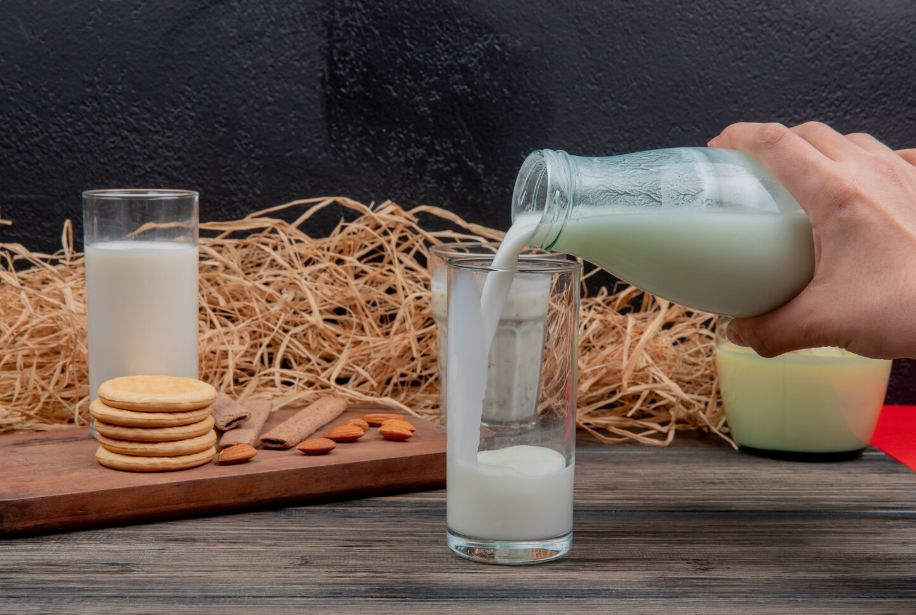
The beverage aisles of modern supermarkets have undergone a radical transformation over the past decade. What was once a simple choice between whole, skim, or two-percent milk has evolved into a complex matrix of nutritional decisions. For years, traditional plant-based milks—derived from almonds, oats, soy, and peas—dominated the dairy alternative market. However, a groundbreaking food technology is rapidly changing the landscape: lab-grown dairy, created through a process known as precision fermentation.
As consumers increasingly seek alternatives that align with health goals, environmental concerns, and dietary restrictions, understanding the actual nutritional science behind these beverages is critical. This comprehensive guide strips away the marketing jargon to objectively analyze the nutritional differences between lab-grown dairy and traditional plant-based milks. By examining protein profiles, micronutrient bioavailability, lipid compositions, and digestive impacts, consumers can make informed, health-focused decisions.
Decoding the Science: How Are These Beverages Made?
Before diving into the nutritional metrics, it is essential to understand how these two categories of milk alternatives are brought to life, as their manufacturing processes directly dictate their nutritional value.
Traditional Plant-Based Milk: Extraction and Fortification
Traditional plant-based milks are created by soaking, blending, and straining legumes, nuts, or grains. While the base ingredient—whether it be raw almonds or whole soybeans—contains intrinsic nutritional value, the liquid extraction process often removes the fibrous bulk. To mimic the nutritional profile of cow’s milk, manufacturers heavily rely on fortification. This involves adding synthetic vitamins and minerals, alongside stabilizers and emulsifiers, to achieve a milk-like texture. The nutritional quality heavily depends on the standards of food fortification and dietary guidelines recognized by public health institutions.
Lab-Grown Dairy: The Precision Fermentation Revolution
Lab-grown dairy, often marketed as “animal-free dairy,” does not come from a cow, nor does it come from a plant. It is produced using precision fermentation. Scientists introduce specific DNA sequences responsible for producing cow’s milk proteins (whey and casein) into microflora, such as yeast or fungi. These microorganisms are fed plant sugars in large fermentation tanks, prompting them to produce bio-identical milk proteins.
Once the desired amount of protein is produced, it is filtered out, resulting in a pure, animal-free whey or casein isolate. Because this process involves advanced biotechnology, it is heavily monitored, with regulatory bodies assessing the safety of food ingredients derived from biotechnology to ensure they are safe for public consumption.
The Protein Predicament: Quality, Quantity, and Amino Acids
The most significant nutritional battleground between lab-grown dairy and plant-based milk lies in protein content and quality. Human bodies require amino acids—the building blocks of protein—for muscle repair, immune function, and enzyme production.
Amino Acid Profiles and the PDCAAS Score
Protein quality is often measured using the Protein Digestibility-Corrected Amino Acid Score (PDCAAS), which evaluates a protein based on both the amino acid requirements of humans and their ability to digest it.
Lab-grown dairy scores exceptionally high in this metric. Because the precision fermentation process creates bio-identical bovine whey and casein, the resulting protein is “complete.” It contains all nine essential amino acids in the exact proportions required by human biology. Research on dietary protein quality evaluation consistently demonstrates that whey protein possesses one of the highest biological values of any edible protein.
Conversely, traditional plant-based milks exhibit a wide variance in protein quality:
- Soy Milk: The gold standard among plant milks for protein. Soy contains a complete amino acid profile, and fortified soy milk is often nutritionally comparable to cow’s milk in terms of protein density (typically 7-8 grams per cup).
- Pea Milk: Derived from yellow split peas, this alternative also offers a robust, near-complete amino acid profile, usually yielding around 8 grams of protein per serving.
- Almond and Oat Milk: These popular options are notoriously deficient in protein. Almond milk often contains merely 1 gram of protein per cup, while oat milk hovers around 3 grams. Furthermore, the proteins present in almonds and oats are incomplete, lacking adequate levels of essential amino acids like lysine and methionine.
For individuals relying on liquid nutrition for muscle recovery or baseline protein intake, lab-grown dairy and soy/pea milks offer distinct, measurable advantages over almond or oat varieties.
Micronutrient Bioavailability: The Calcium Conundrum
Cow’s milk has long been championed for its role in bone health, primarily due to its calcium and vitamin D content. When evaluating dairy alternatives, it is crucial to look beyond the raw numbers on a nutrition label and consider bioavailability—the proportion of a nutrient that is digested, absorbed, and utilized by the body.
Inherent vs. Fortified Nutrients
In traditional cow’s milk, calcium is naturally packaged within casein micelles, making it highly bioavailable. Because lab-grown dairy products utilize bio-identical casein, developers have the potential to replicate this highly efficient delivery system. However, it is important to note that many current lab-grown dairy products on the market focus primarily on producing animal-free whey. Since whey does not carry calcium in the same way casein does, these specific beverages must still be fortified with external calcium sources.
Plant-based milks universally rely on fortification. Manufacturers typically add calcium carbonate or calcium phosphate. While these forms of calcium are effective, they present unique challenges. Fortified calcium is not bound to the liquid in the same way natural milk calcium is; it is suspended. Consequently, it frequently settles at the bottom of the carton. If a consumer fails to shake a carton of almond or oat milk vigorously before pouring, they may consume significantly less calcium than the label suggests. The exact nutritional compositions and fortification levels of various alternative milks can be verified through robust nutritional databases, such as the agricultural nutrient data platforms maintained by government agricultural departments.
Vitamins B12 and D
Vitamin B12 is essential for neurological function and is naturally found almost exclusively in animal products. Traditional plant-based milks must be heavily fortified with B12 to support individuals on strict vegan diets. Lab-grown dairy liquids, despite containing animal-identical proteins, do not naturally contain B12, as the precision fermentation process currently targets protein creation, not complex vitamin synthesis. Therefore, both lab-grown and plant-based milks rely on the exact same fortification methods to deliver vitamins D and B12 to consumers.
Fats and Sugars: The Caloric Equation
The lipid (fat) and carbohydrate profiles of lab-grown and plant-based milks differ drastically, influencing everything from cardiovascular health to blood glucose management.
Lipid Profiles: Saturated vs. Unsaturated Fats
The precision fermentation process creates pure protein, completely devoid of animal fat. This is a massive nutritional advantage for lab-grown dairy from a cardiovascular perspective. To create a creamy texture, lab-grown dairy manufacturers blend their animal-free proteins with plant-based oils, typically sunflower oil, coconut oil, or a blend of both. This allows scientists to customize the fat profile, potentially creating a beverage with the mouthfeel of whole cow’s milk but with higher levels of heart-healthy unsaturated fats and zero cholesterol.
Plant-based milks naturally inherit the fat profiles of their base ingredients:
- Almond and Macadamia Milk: High in monounsaturated fats, which are excellent for cardiovascular health.
- Oat Milk: Generally low in fat but often supplemented with rapeseed (canola) oil to improve frothing capabilities for coffee.
- Coconut Milk: Uniquely high in saturated fats (medium-chain triglycerides), which may raise LDL cholesterol levels in some individuals if consumed in large quantities.
The Hidden Sugar Dilemma
Carbohydrate structures in these beverages heavily influence glycemic responses. Unsweetened plant-based milks, like almond or soy, have a very low glycemic index. However, many commercial plant milks contain substantial amounts of added cane sugar or syrups to improve palatability. Furthermore, the enzymatic process used to create oat milk breaks down complex starches into maltose, a simple sugar with a high glycemic index that can cause rapid spikes in blood glucose, even in “unsweetened” varieties.
Lab-grown dairy beverages are completely lactose-free. Lactose is the natural sugar found in cow’s milk, but the microflora used in precision fermentation do not produce it. Therefore, lab-grown dairy offers a unique proposition: the nutritional benefits of dairy protein without the lactose. However, consumers must still be vigilant, as manufacturers may add cane sugar or artificial sweeteners to flavor the final lab-grown product. Maintaining awareness of hidden sugars aligns with global health recommendations regarding the reduction of free sugars in daily diets to mitigate the risks of metabolic diseases.
Digestibility and Allergens: A Critical Distinction
Perhaps the most crucial distinction between lab-grown dairy and plant-based milk involves immunology and gastrointestinal health.
Lactose Intolerance vs. Dairy Allergies
It is vital to distinguish between an intolerance and an allergy. Lactose intolerance is a digestive issue caused by a lack of the enzyme lactase, leading to bloating, gas, and discomfort. Because both plant-based milks and lab-grown dairy are lactose-free, they are both safe for individuals managing lactose malabsorption and gastrointestinal distress.
However, a dairy allergy is an immune system response to milk proteins (whey and casein). Because precision fermentation creates exact molecular replicas of bovine whey and casein, lab-grown dairy will trigger milk allergies. Individuals with diagnosed dairy allergies must avoid lab-grown dairy just as strictly as they avoid traditional cow’s milk. The severe immunological responses associated with these proteins are thoroughly documented by institutions studying food allergens and immunological reactions.
Plant-Based Allergens
Traditional plant-based milks come with their own set of allergenic considerations. Tree nut allergies (almonds, cashews) and soy allergies are among the most common food allergens globally. For individuals suffering from these specific immune responses, lab-grown dairy (provided they do not also have a milk protein allergy) or oat/pea milks offer safe, nutritious alternatives.
Environmental and Ethical Nutrition Context
While not strictly a biological nutrient, the environmental footprint of food is increasingly categorized under the umbrella of “holistic nutrition.” Consumers actively choose beverages based on land use, water consumption, and greenhouse gas emissions.
Traditional dairy production is resource-intensive, requiring vast amounts of water and land, while generating significant methane emissions. Plant-based milks broadly represent a massive reduction in environmental impact, though water usage for almond cultivation remains a point of ecological friction.
Lab-grown dairy sits uniquely in the middle, functioning as a highly efficient protein factory. Precision fermentation uses a fraction of the land and water compared to traditional animal agriculture and significantly reduces greenhouse gas emissions. For consumers who view their nutritional choices through the lens of planetary health—a concept heavily researched in global studies on agricultural sustainability and food production systems—lab-grown dairy provides the macro-nutritional benefits of animal agriculture without the associated environmental degradation.
Attractive Comparison: Nutritional Showdown at a Glance
The following table synthesizes the general nutritional characteristics of an 8-ounce (1 cup) serving of unsweetened beverages. Note: Exact values fluctuate heavily based on the brand and fortification processes.
| Nutritional Metric | Lab-Grown Dairy (Whey-based) | Soy Milk | Oat Milk | Almond Milk | Pea Milk |
| Protein Quality | Complete (All 9 Essential AAs) | Complete | Incomplete | Incomplete | Near-Complete |
| Protein Quantity | High (Varies by formulation, 8g+) | High (7-8g) | Low (3g) | Very Low (1g) | High (8g) |
| Lactose-Free? | Yes | Yes | Yes | Yes | Yes |
| Cholesterol | Zero | Zero | Zero | Zero | Zero |
| Allergen Risk | High (Dairy Proteins) | High (Soy) | Low (Gluten risk if uncertified) | High (Tree Nuts) | Low (Legume cross-reactivity) |
| Glycemic Impact | Low (if unsweetened) | Low | Moderate to High | Low | Low |
| Calcium Source | Fortified (Plant-based fats added) | Fortified | Fortified | Fortified | Fortified |
The Role of Fiber and Phytochemicals
When evaluating plant-based milks, one must consider the nutritional elements inherent to plants that do not exist in the animal kingdom. Phytochemicals (plant compounds with antioxidant properties) and dietary fiber are unique to plant-derived foods.
While the straining process of commercial plant milk removes the vast majority of dietary fiber, some milks, particularly oat milk, retain small amounts of soluble fiber, such as beta-glucan. Beta-glucan is renowned for its ability to lower cholesterol and support heart health. Furthermore, soy milk contains isoflavones, plant compounds that act as phytoestrogens. Extensive epidemiological research indicates that moderate consumption of soy isoflavones is associated with beneficial health outcomes, contradicting older myths regarding soy and hormone disruption.
Lab-grown dairy, being a pure synthesized protein combined with isolated fats and water, contains zero dietary fiber and zero phytochemicals. For individuals relying heavily on liquid nutrition, it is imperative to source dietary fiber from whole foods, vegetables, and whole grains, adhering strictly to the guidelines established by dietetic organizations regarding plant-based dietary patterns and nutrient adequacy.
Exploring the Future: Advanced Fermentation Techniques
The nutritional science behind lab-grown dairy is not static. The current iteration predominantly focuses on isolating whey protein due to its solubility and ease of synthesis. However, the frontier of precision fermentation is targeting casein micelle reproduction.
Casein is the protein responsible for the melting, stretching, and structural integrity of dairy products. When food scientists successfully scale bio-identical casein production, the nutritional profile of lab-grown milks will leap forward, allowing for natural calcium binding and slower protein digestion rates. This slow digestion is particularly beneficial for sustained amino acid release into the bloodstream, a factor heavily scrutinized in sports nutrition and recovery sciences published in advanced journals of food science and bioprocessing.
Until then, consumers must navigate the current market by meticulously reading ingredient labels, recognizing that a lab-grown beverage is a carefully constructed matrix of synthesized protein, added plant fats, and essential micronutrients.
Frequently Asked Questions
Is lab-grown dairy considered vegan?
Yes, from an ethical and environmental standpoint, it is considered vegan because no animals are exploited or used in the production process. However, from an allergy standpoint, it is identical to cow’s milk protein. Individuals following a vegan diet for ethical reasons can safely consume it, but those following a dairy-free diet for medical reasons cannot.
How does the calcium in plant-based milk compare to lab-grown dairy?
Currently, both traditional plant-based milks and lab-grown milks generally rely on external fortification for calcium (like calcium carbonate). Because the added calcium can settle at the bottom of the container, it is vital to shake both types of beverages thoroughly before consuming to ensure proper micronutrient intake.
Which option is better for blood sugar management?
Unsweetened soy, almond, and pea milks have minimal impact on blood sugar. Unsweetened lab-grown dairy also has a very low glycemic index due to the absence of lactose and added sugars. Oat milk, however, naturally contains maltose due to its enzymatic processing, which can cause higher spikes in blood glucose levels even without added sweeteners.
Can children drink lab-grown dairy instead of cow’s milk?
Lab-grown dairy provides high-quality protein, but children require a complex matrix of fats, calories, vitamins, and minerals for neurological and physical development. While lab-grown dairy can be part of a child’s diet, parents should consult a pediatrician or registered dietitian to ensure the specific brand is adequately fortified to meet the rigorous nutritional demands of growing children, similar to how they would evaluate soy or pea milk.
Is precision fermentation a safe process?
Yes. Precision fermentation has been used safely for decades in the food and medical industries. For example, the majority of vegetarian rennet used in global cheese production, as well as human insulin used by diabetics, are produced using this exact same technological process.
Conclusion
The evolution of the dairy aisle represents a triumph of modern food science, offering consumers unprecedented control over their nutritional intake. The choice between lab-grown dairy and traditional plant-based milk is not a simple matter of identifying a singular “healthiest” option; rather, it requires aligning a beverage’s specific nutritional profile with individual health goals, dietary restrictions, and metabolic needs.
Lab-grown dairy stands out as an exceptional scientific achievement for those seeking the high-quality, complete amino acid profile of traditional dairy without the lactose, cholesterol, or environmental footprint of animal agriculture. Its ability to deliver bio-identical whey and casein makes it a powerhouse for muscle synthesis and biological repair. However, the presence of actual milk proteins means it remains strictly off-limits for anyone with a diagnosed dairy allergy.
On the other hand, traditional plant-based milks remain vital cornerstones of alternative nutrition. Soy and pea milks continue to offer excellent, allergen-friendly protein density, while almond and oat milks provide low-calorie, heart-healthy fat profiles—provided consumers remain vigilant about added sugars and meticulous about shaking the carton to maximize fortified calcium intake.
Ultimately, the actual nutritional differences boil down to protein architecture and the presence of specific allergens. By understanding the biochemistry behind precision fermentation and the extraction methods of plant milks, consumers are empowered to look past front-of-package marketing. Whether reaching for a glass of fortified soy milk or pouring a splash of animal-free lab dairy into morning coffee, the most nutritionally sound decision is an informed one.