
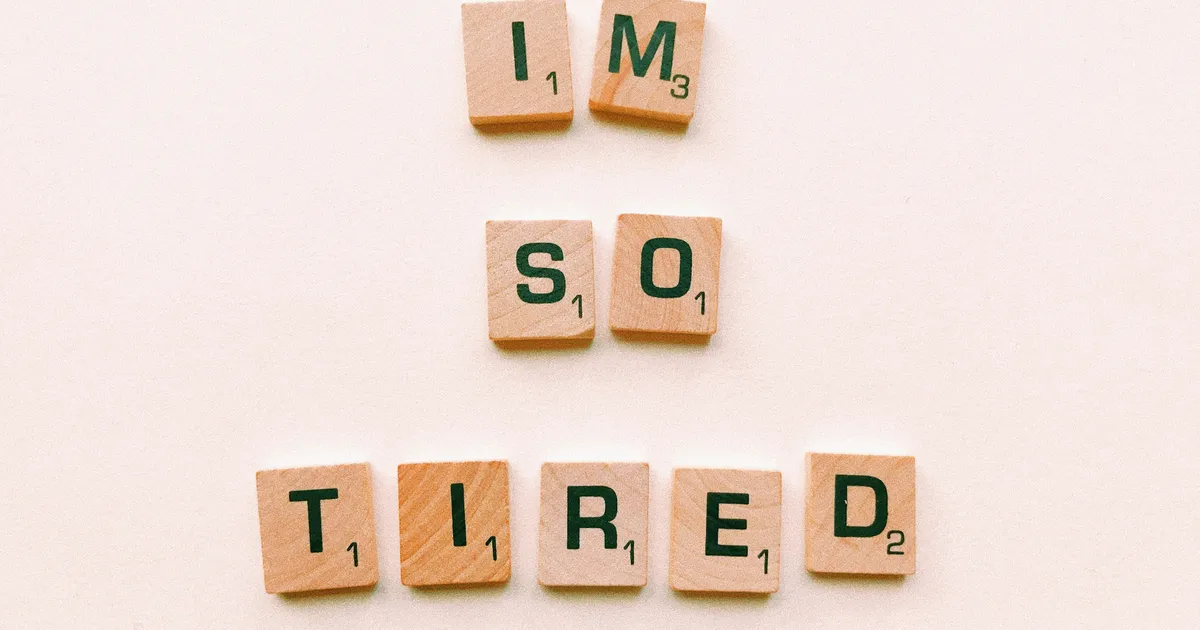

For years, I chased the fleeting high of motivation, convinced it was the secret sauce to building lasting habits. I’d start strong, fueled by inspiration, only to crash and burn when the initial fervor inevitably faded. It was a cycle of enthusiastic beginnings and disheartening relapses, leaving me feeling like a failure. But what if I told you that relying on motivation to build consistent habits without motivation burnout is fundamentally flawed? The truth is, consistency isn’t born from a surge of willpower; it’s forged through strategic systems, thoughtful design, and a deep understanding of human psychology. This isn’t just about trying harder; it’s about building smarter, creating an environment where your desired actions become almost inevitable, even on the days you feel absolutely nothing.
Deconstructing the Motivation Myth
Many of us fall into the trap of believing that a lack of motivation is the primary reason we struggle to stick to our goals. We wait for that spark, that surge of energy, before we even begin. However, motivation is an emotion, and like all emotions, it fluctuates wildly. It’s an unreliable foundation for anything requiring long-term commitment. Think of it less as the fuel and more as a pleasant tailwind; it helps, but you can still sail without it if your boat is well-built and you know how to navigate the waters. Building habits on motivation alone is like trying to cross an ocean in a sailboat entirely dependent on a single, unpredictable gust of wind.
The real secret isn’t to conjure more motivation, but to design a life where motivation becomes largely irrelevant to your daily actions. This paradigm shift can be incredibly liberating. Instead of chastising yourself for not feeling “up to it,” you can focus on creating structures that propel you forward regardless of your emotional state. This involves understanding the mechanics of habit formation, recognizing triggers, and automating processes wherever possible. It’s about empowering your future self by making the right choices easier today, ensuring your trajectory remains consistent through thick and thin, well into 2026 and beyond.
The Undeniable Power of Tiny Habits
One of the most profound shifts in my understanding of habit formation came from embracing the concept of “tiny habits.” We often set ambitious goals, like “exercise for an hour every day” or “write 1000 words,” which require significant motivational energy. When that energy inevitably wanes, the sheer size of the task feels insurmountable, leading to abandonment. Instead, focus on making your habits so small, so ridiculously easy, that they almost feel silly not to do. The goal is not to achieve a grand outcome immediately, but to consistently perform the action, thereby reinforcing the identity of someone who does that thing.
For example, if your goal is to read more, start with “read one sentence.” If you want to exercise, try “do one push-up.” The action itself is trivial, but the act of doing it every single day builds momentum and mental pathways. Once you’ve completed the tiny habit, you’ll often find yourself naturally wanting to do more. The key is to never force the “more”; celebrate the tiny completion and let natural momentum take over. This approach drastically reduces the activation energy required, bypassing the need for high motivation and making consistency the default.
Strategically Design Your Environment
Your environment is a powerful, often overlooked, architect of your habits. We tend to believe our choices are purely internal, but the cues and friction points in our surroundings profoundly influence our behavior. Want to eat healthier? Don’t rely on willpower when a bag of chips is staring you down from the counter. Make the healthy choice the obvious, easiest choice. This means decluttering, organizing, and strategically placing items to either prompt desired actions or create barriers to undesired ones. It’s about making your environment work for you, not against you.
Consider the “friction” involved in your habits. To make a good habit easier, reduce friction. If you want to go for a run, lay out your clothes the night before, place your shoes by the door. If you want to practice guitar, leave it on a stand in a visible spot. Conversely, to make a bad habit harder, increase friction. If you find yourself mindlessly scrolling social media, delete the apps from your home screen or move them to a folder deep within your phone. This proactive environmental design is a cornerstone of how to build consistent habits without motivation burnout, creating a default path towards your goals.
Cultivate Non-Negotiable Rituals
Routines are powerful, but “rituals” elevate them by imbuing them with intention and a sense of sacredness. Creating non-negotiable slots in your day for key habits transforms them from optional tasks into essential components of your identity. This isn’t about rigid adherence that breeds anxiety, but about establishing a baseline rhythm that supports your well-being and progress. Schedule your habit like an important meeting that cannot be moved, and respect that appointment with yourself. This commitment helps to externalize the decision-making, reducing the mental load each day.
Habit stacking is an incredibly effective technique within this framework. Identify an existing, solid habit you already perform daily (e.g., brushing your teeth, making coffee). Then, “stack” your new desired habit immediately before or after it. The existing habit acts as a reliable trigger for the new one, leveraging established neural pathways. For example, “After I brush my teeth, I will meditate for two minutes.” This technique bypasses the need for motivation by linking the new action to an already automatic behavior, making it feel less like a new effort and more like an extension of your existing routine.
Embrace Self-Compassion and Recovery
Despite our best intentions and meticulously crafted systems, life happens. There will be days when you miss a habit, when you feel overwhelmed, or when external circumstances simply get in the way. This is where many people falter, allowing a single missed day to derail weeks or months of progress. The key is not perfection, but resilience. Instead of viewing a missed day as a failure, see it as an opportunity to practice self-compassion and recommit. Be kind to yourself; judgment and guilt are far more detrimental to long-term consistency than a missed session.
Embrace the “Two-Day Rule”
One of the most powerful strategies to combat the “all or nothing” mindset is the “Two-Day Rule.” This rule is elegantly simple: never miss your habit two days in a row. If you miss a day, that’s okay. Life happens. But make it an absolute non-negotiable to get back on track the very next day, even if you only perform the tiniest version of your habit. This rule prevents a single slip-up from spiraling into a complete abandonment of your progress. It builds a mental safety net, reminding you that consistency is about showing up again and again, not about flawless execution. It’s an indispensable tool for building consistent habits without motivation burnout, especially when navigating the inevitable bumps of 2026.
Key Takeaways
- Motivation is Fleeting; Systems are Forever: Relying on emotional highs for consistency is a recipe for burnout. Focus instead on building robust systems and designing an environment that makes desired habits the path of least resistance.
- Start Incredibly Small to Build Momentum: Break down your habits into “tiny”, almost trivial actions. The goal is to consistently perform the action, not to achieve a grand outcome immediately. This reduces activation energy and reinforces the habit identity.
- Strategic Environmental Design is Crucial: Manipulate your surroundings to make good habits obvious and easy, and bad habits invisible and difficult. Reduce friction for desired actions and increase friction for undesired ones.
- Prioritize Self-Compassion and the “Two-Day Rule”: Recognize that perfection is unattainable and unnecessary. When you miss a habit, practice kindness towards yourself and commit to getting back on track the very next day. Never miss twice in a row.
Frequently Asked Questions
What if I genuinely have no energy to do even a tiny habit?
Even on days with zero energy, the goal is to reinforce the habit loop, not necessarily the output. If your tiny habit is “one push-up” and you can’t do it, try “get into push-up position.” If you can’t do that, try “think about getting into push-up position.” The idea is to maintain the streak, no matter how small the action, to prevent the “zero-day” mentality from taking root. This psychological win is more important than the physical output in the long run.
How long does it typically take to form a consistent habit?
The widely cited “21 days” is a myth. Research suggests it varies wildly, from 18 days to 254 days, depending on the person, the habit’s complexity, and consistency. A 2009 study published in the European Journal of Social Psychology found the average was 66 days. Instead of focusing on a specific number, focus on continuous, incremental progress and celebrating small wins to maintain momentum.
Can I build multiple habits at once, or should I focus on one?
While it’s tempting to tackle several habits simultaneously, focusing on one new habit at a time significantly increases your chances of success. Once that habit feels automatic and integrated into your routine, then you can introduce the next one. This prevents overwhelm and allows you to dedicate your limited willpower and attention to solidifying one positive change before moving on to the next, ensuring sustainable growth throughout 2026.
What’s the difference between discipline and motivation?
Motivation is a feeling, an urge, or a desire to act. Discipline, on the other hand, is the ability to act in accordance with your goals and values, regardless of how you feel. Discipline is what allows you to show up and do the work even when motivation is absent. It’s a skill that can be cultivated through consistent practice and by building systems that make the desired action the default. For more on this, articles on behavioral psychology from institutions like the American Psychological Association can be insightful.
Conclusion
Building consistent habits without motivation burnout is not about finding an endless wellspring of willpower; it’s about strategic design, self-awareness, and a compassionate approach to personal growth. By de-emphasizing motivation, embracing tiny actions, designing your environment, cultivating non-negotiable rituals, and practicing self-compassion, you can create a robust framework that supports your aspirations. Remember, consistency isn’t about never failing; it’s about always getting back up. This understanding empowers you to build lasting change, transforming your life one intentional, gentle step at a time, ensuring your progress is sustained and genuinely fulfilling.