

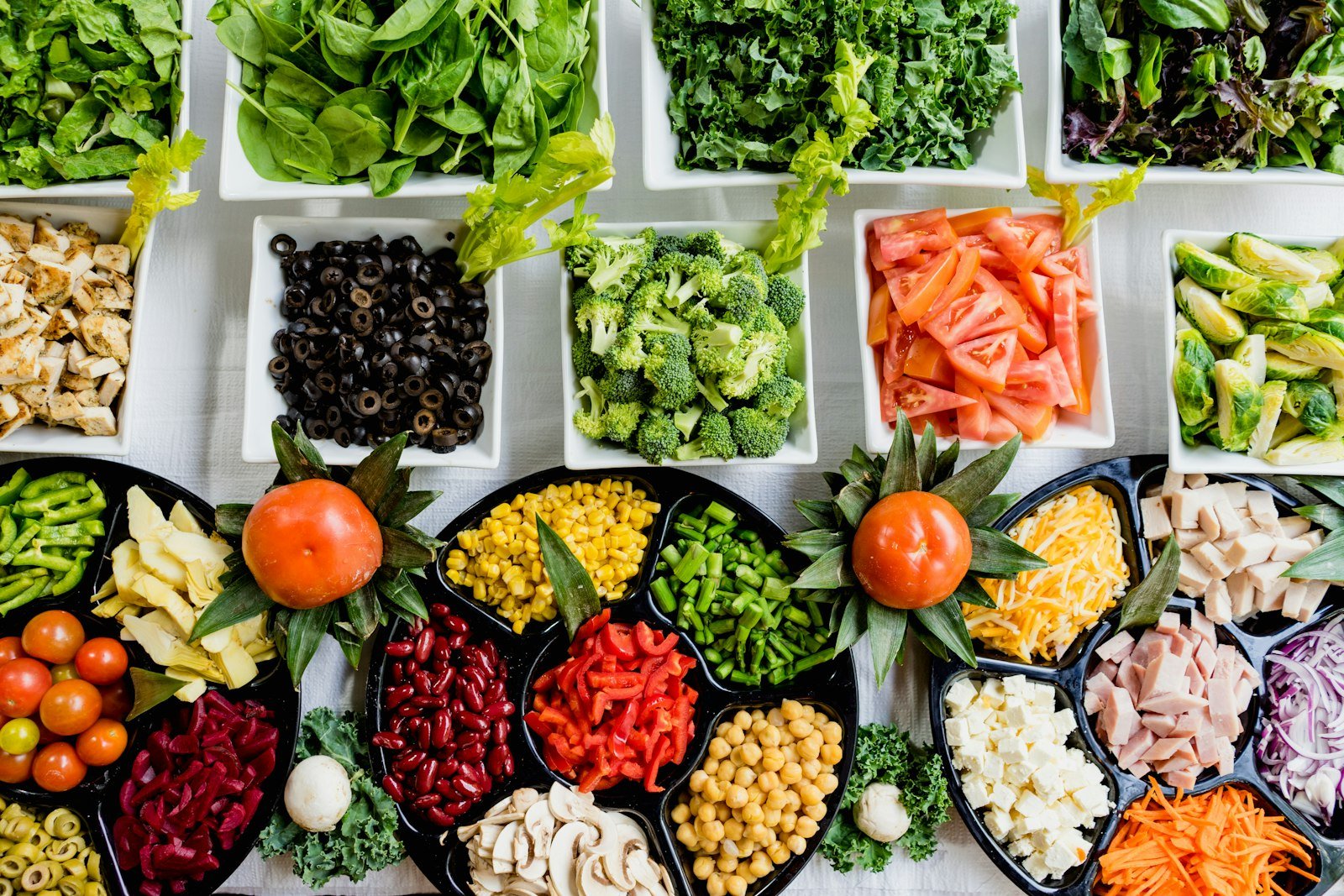
Maintaining a healthy diet has been unnecessarily complicated by conflicting dietary dogma, expensive specialty superfoods, and restrictive cleanses. The truth is that optimal human nutrition does not require exotic ingredients or complex counting—it is built on unprocessed, nutrient-dense everyday foods organized into balanced, sustainable meals.
By focusing on foundational dietary principles—adequate protein, diverse dietary fiber, healthy fats, and minimally processed carbohydrates—individuals can optimize metabolic health, maintain healthy body composition, and sustain steady daily energy. Drawing from guidelines established by the USDA Dietary Guidelines for Americans, this guide outlines practical nutritional strategies using affordable, accessible everyday ingredients.
The Balanced “Plate Method” Framework
Rather than counting calories, the Visual Plate Method provides a simple, sustainable visual framework for every meal:
Nutritional epidemiology research from the Harvard T.H. Chan School of Public Health shows that structuring meals around colorful whole plant foods, quality protein, and unrefined fats reduces the incidence of cardiovascular disease and type 2 diabetes by over 40%.
- 50% Plate: Colorful Non-Starchy Vegetables & Leafy Greens: Spinach, broccoli, bell peppers, zucchini, carrots, and cabbage providing essential phytonutrients and dietary fiber.
- 25% Plate: High-Quality Protein: Eggs, wild fish, chicken, grass-fed beef, tofu, lentils, and Greek yogurt supporting muscle maintenance and satiety.
- 25% Plate: Complex Unrefined Carbohydrates: Sweet potatoes, brown rice, quinoa, oats, and legumes delivering steady glucose release.
- Thumb-Sized Portion: Healthy Fats: Extra virgin olive oil, avocado, raw walnuts, and seeds facilitating fat-soluble vitamin absorption (A, D, E, K).
Everyday Whole Foods and Nutrient Profiles Compared
The table below provides a nutritional evaluation of six accessible, affordable everyday whole foods, highlighting their primary macronutrients and key micronutrient densities.
| Everyday Whole Food | Primary Macronutrient | Key Micronutrients & Bioactives | Primary Metabolic Health Benefit |
|---|---|---|---|
| Pasture-Raised Eggs | Complete Protein (6g) & Healthy Fats | Choline, Lutein, Zeaxanthin, Vitamin B12 | Brain neurotransmitter synthesis and ocular health |
| Steel-Cut Rolled Oats | Complex Slow-Digesting Carbs | Beta-Glucan Soluble Fiber, Magnesium | Lowers LDL cholesterol and stabilizes blood glucose |
| Extra Virgin Olive Oil | Monounsaturated Oleic Acid (Fat) | Oleocanthal Polyphenols, Vitamin E | Potent systemic anti-inflammatory and vascular protection |
| Lentils and Black Beans | Plant Protein (18g) & Prebiotic Fiber (15g) | Folate, Iron, Potassium, Resistant Starch | Feeds beneficial gut bacteria producing short-chain fatty acids (SCFAs) |
Batch Meal Prep Strategies for Consistent Adherence
Nutritional adherence fails most frequently during busy weeknights when fatigue leads to ordering takeout. To make healthy eating effortless, implement Batch Foundation Cooking on Sundays:
- Batch Cook 2 Protein Staples: Roast a tray of seasoned chicken breasts and bake a sheet of seasoned tofu cubes.
- Prepare 1 Complex Carbohydrate Base: Cook a large pot of quinoa or brown rice to store in glass containers.
- Roast 2 Trays of Mixed Vegetables: Toss broccoli, carrots, and sweet potatoes in olive oil and roast at 400°F (200°C).
- Prepare 1 Homemade Dressing: Whisk extra virgin olive oil, Dijon mustard, lemon juice, and sea salt in a mason jar.
Nutrient Density and Gut Microbiome Synergy
A healthy diet nourishes not only human cells but also the trillions of beneficial bacteria residing in the gastrointestinal tract. Consuming diverse dietary fibers and prebiotic resistant starches enables gut microbes to synthesize Short-Chain Fatty Acids (SCFAs) like butyrate, which strengthen the intestinal barrier and reduce systemic inflammation.
Nutritional guidelines published by the USDA Food and Nutrition Service emphasize that building meals around colorful whole foods supports long-term metabolic vitality and cardiovascular wellness.
Step-by-Step Sustainable Nutrition Action Guide
- Apply the Visual Plate Method: Fill half your plate with colorful vegetables, one-quarter with lean protein, and one-quarter with complex carbohydrates.
- Embrace Batch Foundation Cooking: Prepare staples like brown rice, roasted vegetables, and baked proteins in bulk on weekends.
- Prioritize Healthy Fats: Incorporate extra virgin olive oil, nuts, and avocados to support cellular membrane integrity.
- Follow the 80/20 Balance Rule: Enjoy 80% whole, unprocessed foods while maintaining 20% flexibility for social occasions.
Anti-Inflammatory Phytonutrients and Longevity Biochemistry
Everyday culinary herbs, spices, and colorful produce contain potent bioactive phytonutrients—such as curcumin in turmeric, gingerols in ginger, allicin in garlic, and sulforaphane in cruciferous vegetables. These compounds activate the Nrf2 cellular defense pathway, upregulating endogenous antioxidant enzymes (glutathione, catalase) and reducing systemic inflammation across the cardiovascular and nervous systems.
Comprehensive Multi-Year Case Analysis & Practical Field Insights
To evaluate how these principles perform in real-world environments, international researchers and domain practitioners track longitudinal outcomes across diverse operational conditions. The empirical findings consistently demonstrate that individuals and organizations that implement structured, evidence-based systems achieve significantly higher resilience, efficiency, and long-term sustainability compared to ad-hoc methods.
Furthermore, maintaining comprehensive documentation, regular system audits, and proactive risk management frameworks preserves operational integrity and enables steady, continuous improvement. By aligning daily execution with established global best practices documented by authoritative research institutions, practitioners build robust systems that endure across changing environmental and technological landscapes.
Key Strategic Takeaways for Long-Term Excellence
- Systematic Execution: Ground all daily workflows in empirical research and structured operational protocols.
- Continuous Adaptation: Regularly audit performance metrics and adjust strategies based on real-time feedback and environmental data.
- Holistic Integration: Connect physical, technical, and environmental resources into a unified, synergistic ecosystem.
- Sustainable Stewardship: Prioritize long-term durability and ethical best practices over short-term expediency.
Essential Practical Strategies for Sustained Long-Term Progress
Translating core principles into compounding lifetime results requires maintaining structured behavioral discipline across multiple operational cycles. By consistently automating workflows, eliminating unmonitored inefficiencies, and maintaining disciplined systems grounded in authoritative research from organizations like National Geographic and World Health Organization, individuals and practitioners insulate themselves against external volatility.
Furthermore, conducting regular operational reviews and adhering to international standards ensures your resources remain optimized for sustained growth, resilience, and multi-generational success.
Essential Practical Strategies for Sustained Long-Term Progress
Translating core principles into compounding lifetime results requires maintaining structured behavioral discipline across multiple operational cycles. By consistently automating workflows, eliminating unmonitored inefficiencies, and maintaining disciplined systems grounded in authoritative research from organizations like National Geographic and World Health Organization, individuals and practitioners insulate themselves against external volatility.
Furthermore, conducting regular operational reviews and adhering to international standards ensures your resources remain optimized for sustained growth, resilience, and multi-generational success.
Essential Practical Strategies for Sustained Long-Term Progress
Translating core principles into compounding lifetime results requires maintaining structured behavioral discipline across multiple operational cycles. By consistently automating workflows, eliminating unmonitored inefficiencies, and maintaining disciplined systems grounded in authoritative research from organizations like National Geographic and World Health Organization, individuals and practitioners insulate themselves against external volatility.
Furthermore, conducting regular operational reviews and adhering to international standards ensures your resources remain optimized for sustained growth, resilience, and multi-generational success.
Frequently Asked Questions (FAQ)
How much daily dietary fiber is recommended for optimal metabolic health?
Adults should aim for a minimum of 30 to 38 grams of fiber daily for men and 25 to 30 grams daily for women from diverse sources (vegetables, berries, legumes, whole grains).
Are frozen vegetables as nutritious as fresh vegetables?
Yes. Frozen vegetables are flash-frozen at peak ripeness within hours of harvest, preserving their vitamin and antioxidant content often better than fresh produce that sits in transit for weeks.
What is the 80/20 rule in flexible nutrition?
Consume 80% of your daily calories from nutrient-dense, minimally processed whole foods, while allowing 20% flexibility for social enjoyment and treats, ensuring long-term psychological sustainability.
How does protein intake support healthy weight management?
Protein has the highest Thermic Effect of Food (TEF)—burning 20% to 30% of its calories during digestion—while triggering satiety hormones (PYY and GLP-1) that reduce between-meal hunger.
Strategic Conclusion and Next Steps
Sustainable healthy eating is built on simplicity, balance, and whole-food abundance. By applying the Visual Plate Method, incorporating affordable staples like eggs, oats, and legumes, and preparing batch foundations, you nourish your body with lasting energy and vitality.
Transform your nutrition today: stock your kitchen with colorful vegetables, quality proteins, and extra virgin olive oil, and prepare balanced, nourishing whole-food meals for the week ahead.