

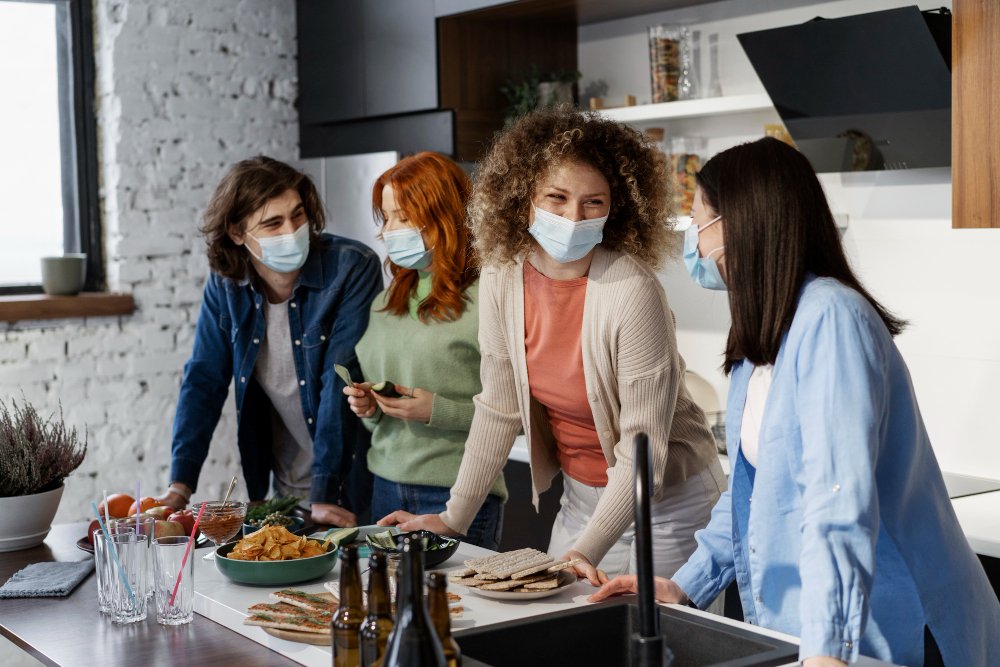
Food poisoning affects millions of people every year. In the United States alone, the Centers for Disease Control and Prevention (CDC) estimates that roughly 1 in 6 Americans—about 48 million people—get sick from foodborne illnesses annually, resulting in 128,000 hospitalizations and 3,000 deaths. While individual kitchen hygiene is crucial, many outbreaks originate from shared environments like community kitchens, farmers’ markets, school cafeterias, and neighborhood events. This reality underscores a critical truth: preventing food poisoning isn’t just a personal responsibility—it’s a collective one.
Communities that adopt proactive, coordinated strategies can significantly reduce the risk of foodborne illness. These efforts range from education campaigns and policy changes to infrastructure improvements and collaborative monitoring systems. By working together, neighbors, local leaders, and public health officials can create environments where safe food handling becomes the norm rather than the exception.
Why Community-Level Action Matters
Individual actions matter, but they have limits. A single person washing hands thoroughly won’t prevent an outbreak if a local food vendor stores meat at unsafe temperatures or if a communal potluck lacks refrigeration. Food safety is a chain—and any weak link can compromise the whole system.
Community-level interventions address these systemic vulnerabilities. For example, after a 2015 norovirus outbreak linked to a church picnic in Ohio, local health officials partnered with faith-based groups to implement food handler training for volunteers. The result? No similar outbreaks reported in the following five years. Such outcomes demonstrate how localized, culturally attuned strategies can yield measurable public health benefits.
The World Health Organization (WHO) emphasizes that community engagement is essential for sustainable food safety improvements, particularly in settings where formal regulation is limited or inconsistently enforced. When residents understand the “why” behind food safety rules—not just the “what”—they’re more likely to adopt and enforce them organically.
Building a Culture of Food Safety Through Education
One of the most effective community strategies is widespread, accessible education. Knowledge empowers people to make informed choices and hold others accountable. However, information must be delivered in ways that resonate with local norms, languages, and literacy levels.
Many successful programs use peer educators—trusted community members trained in basic food safety principles. In rural areas of Kenya, for instance, the Ministry of Health collaborated with agricultural extension workers to teach safe water and food handling practices during market days. These efforts led to a 30% reduction in diarrheal diseases among children under five over two years, according to a study published by the World Health Organization.
In the U.S., the FDA’s Food Code provides a model for regulating retail and food service establishments, but it also serves as a foundation for community training. Local health departments often adapt its guidelines into simplified workshops for school staff, event organizers, and small food vendors. Topics typically include the “four Cs”: Clean, Cook, Chill, and Combat Cross-Contamination.
Digital tools are also expanding reach. Mobile apps like SafeEats, developed by the U.S. Department of Agriculture (USDA), offer real-time alerts about recalls and safe storage times. Communities can promote such resources through libraries, community centers, and social media channels to ensure broad access.
Empowering Local Food Systems with Safe Practices
Farmers’ markets, community gardens, and food cooperatives are vital sources of fresh produce—but they also present unique food safety challenges. Unlike commercial grocery stores, many small-scale vendors operate without formal food safety certifications. Yet, with proper support, they can implement low-cost, high-impact safeguards.
For example, requiring vendors to use potable water for washing produce, store perishables in insulated coolers with ice packs, and display clear signage about handling instructions can drastically reduce contamination risks. The National Farmers Market Association recommends that market managers establish written food safety policies and provide on-site handwashing stations—a simple but often overlooked measure.
Community gardens benefit from similar protocols. Gardeners should be trained to compost safely (keeping raw manure away from edible crops), use clean harvesting tools, and avoid using contaminated irrigation water. The Environmental Protection Agency (EPA) offers guidance on safe water use in agriculture, which applies equally to backyard plots and urban farms.
Schools and faith-based organizations that host meal programs also play a pivotal role. The USDA’s Team Nutrition initiative provides free toolkits for schools to teach students about food safety while reinforcing best practices in cafeterias. When children learn these habits early, they carry them into adulthood and share them with their families.
Policy and Infrastructure: The Backbone of Prevention
Education alone isn’t enough without supportive policies and infrastructure. Communities that invest in practical resources—like public handwashing stations, refrigerated transport for food banks, or licensed kitchen spaces for small vendors—create environments where safe practices are easier to follow.
Local governments can adopt ordinances that require temporary food event permits to include food safety training verification. In California, for instance, the Retail Food Code mandates that all food handlers at public events complete a certified food safety course. Similar models exist in other states through the Conference for Food Protection, which works with the FDA to harmonize food safety standards.
Food banks and pantries, which serve vulnerable populations, face particular challenges in maintaining cold chains and preventing spoilage. Organizations like Feeding America have developed comprehensive food safety guidelines for member agencies, including temperature monitoring logs and donation acceptance protocols. Municipalities can support these efforts by providing grants for refrigeration units or partnering with logistics companies for safe transport.
Moreover, zoning laws can influence food safety indirectly. Allowing home-based food businesses (often called “cottage food operations”) under clear safety parameters enables entrepreneurs to participate legally while adhering to basic hygiene standards. The National Conference of State Legislatures tracks state-by-state cottage food laws, showing how regulatory flexibility can coexist with public health protection.
Monitoring, Reporting, and Rapid Response
Even with strong prevention measures, outbreaks can still occur. That’s why communities need robust surveillance and response systems. Prompt reporting of suspected cases allows health officials to identify sources quickly and contain spread.
The CDC’s Foodborne Diseases Active Surveillance Network (FoodNet) tracks trends across 10 U.S. states, but local health departments rely on community input to detect emerging threats. Residents who recognize symptoms—such as nausea, vomiting, diarrhea, or fever within hours of eating—should report them to their local health authority, not just assume it was “a stomach bug.”
Some communities have created anonymous online reporting portals, reducing stigma and encouraging transparency. Others train restaurant managers and school nurses to recognize and document potential outbreaks. Early detection can prevent a single incident from becoming a widespread crisis.
Collaboration is key. During a 2018 Salmonella outbreak linked to backyard poultry, the CDC worked with feed stores, veterinarians, and agricultural fairs to disseminate hygiene warnings. This multi-sector approach reached audiences that traditional public health campaigns might miss.
Comparison: Common Community Settings and Their Food Safety Priorities
| Setting | Key Risks | Recommended Community Strategies |
|---|---|---|
| Farmers’ Markets | Temperature abuse, cross-contamination, unlicensed preparation | Vendor training, handwashing stations, cooler requirements, signage |
| Community Potlucks & Events | Improper holding temperatures, bare-hand contact, delayed refrigeration | Volunteer food handler certification, use of chafing dishes/ice trays, time logs |
| School Meal Programs | Inadequate cooking temps, poor sanitation, allergen cross-contact | Staff certification, HACCP plans, student education, regular inspections |
| Faith-Based Kitchens | Volunteer turnover, lack of training, large-batch errors | Standardized recipes, mandatory orientation, mentorship for new cooks |
| Urban Gardens | Contaminated soil/water, improper composting, wildlife exposure | Soil testing, drip irrigation, elevated beds, harvest hygiene protocols |
| Food Pantries | Expired donations, broken cold chain, pest infestation | Donation screening checklists, temperature logs, pest control contracts |
This table highlights how tailored approaches are more effective than one-size-fits-all rules. A strategy that works for a school cafeteria may not suit a weekend flea market—but both can succeed with context-specific planning.
Overcoming Common Barriers to Implementation
Despite good intentions, communities often face obstacles: limited funding, lack of expertise, cultural resistance, or fragmented leadership. Success requires creative problem-solving.
Funding constraints can be mitigated through partnerships. Local restaurants might donate surplus sanitizer or sponsor training sessions. Universities with public health programs can offer pro bono risk assessments. Even small investments—like $200 for a digital thermometer for a community center kitchen—yield outsized returns in safety.
Cultural norms around food can also pose challenges. In some communities, washing raw chicken is a common practice, despite CDC warnings that it spreads bacteria. Rather than dismissing traditions, effective programs engage cultural leaders to reframe safety as an extension of care—“We wash our hands not because we distrust the cook, but because we honor our guests’ health.”
Language barriers are another hurdle. Translating materials isn’t enough; concepts must be culturally adapted. Visual aids—like color-coded cutting boards or pictogram-based posters—can transcend literacy and language gaps. The Food and Agriculture Organization (FAO) provides multilingual food safety resources designed for global use.
The Role of Technology and Innovation
Technology is increasingly democratizing food safety. Low-cost Bluetooth thermometers allow event organizers to monitor food temperatures in real time. QR codes on vendor booths can link to digital certificates or safe handling tips. Social media platforms enable rapid dissemination of recall notices or boil-water advisories.
In low-resource settings, innovations like solar-powered cold boxes or clay-pot evaporative coolers help preserve perishables without electricity. These solutions, promoted by organizations like PATH, show that high-tech isn’t always necessary—appropriate tech is.
Crowdsourced platforms also show promise. Apps that let users rate food safety conditions at local eateries (similar to Yelp but focused on hygiene) could incentivize better practices. While such tools aren’t yet mainstream, pilot programs in cities like Singapore suggest they can complement official inspections.
Looking Ahead: Sustainable, Equitable Food Safety
The future of community food safety lies in integration and equity. Safe food access shouldn’t depend on zip code. Marginalized neighborhoods—often underserved by regulatory oversight—benefit most from community-led initiatives.
Programs that combine food safety with nutrition education, economic development, and environmental sustainability create lasting impact. For example, a community kitchen that trains unemployed residents in culinary skills while enforcing strict hygiene protocols builds both workforce capacity and public health resilience.
Ultimately, preventing food poisoning at the community level isn’t about perfection—it’s about progress. Small, consistent actions, multiplied across households, businesses, and institutions, create a culture where safety is embedded in everyday life.
Frequently Asked Questions (FAQ)
Q: What are the most common causes of food poisoning in community settings?
A: The leading culprits are Salmonella, E. coli, Campylobacter, and norovirus. These often stem from undercooked meat, unpasteurized dairy, contaminated produce, or infected food handlers who don’t wash hands properly. Large gatherings increase risk due to delays in serving, inadequate refrigeration, and cross-contamination.
Q: Do volunteers at community events need food handler permits?
A: Requirements vary by jurisdiction, but many health departments strongly recommend or mandate basic food safety training for anyone handling food at public events—even volunteers. Free or low-cost online courses are available through organizations like ServSafe or local extension offices.
Q: How can a neighborhood start a food safety campaign?
A: Begin by contacting the local health department for guidance and resources. Form a coalition of schools, churches, markets, and civic groups. Use existing networks—PTAs, rotary clubs, tenant associations—to distribute materials. Focus on simple, actionable messages like “Keep hot foods hot (above 140°F) and cold foods cold (below 40°F).”
Q: Are home-canned goods safe to share at community events?
A: Generally, no. Home-canned low-acid foods (like vegetables, meats, or soups) carry a risk of botulism if not processed correctly. Most health departments prohibit their sale or distribution at public events unless prepared in a licensed facility. High-acid items like jams may be allowed under cottage food laws—check local regulations.
Q: What should I do if I suspect food poisoning after a community event?
A: Seek medical care if symptoms are severe (e.g., bloody stool, high fever, dehydration). Report the incident to your local health department, providing details about what you ate, when, and where. This helps investigators identify potential outbreaks.
Q: Can community gardens cause foodborne illness?
A: Yes, if proper precautions aren’t taken. Risks include using untreated manure, irrigating with contaminated water, or harvesting with dirty hands/tools. Following guidelines from the CDC’s guidelines for growing safe produce minimizes these dangers.
Q: How long can food safely sit out at a potluck?
A: Perishable foods should not remain in the “danger zone” (40°F–140°F) for more than two hours—or one hour if the ambient temperature is above 90°F. Use chafing dishes, slow cookers, or ice trays to maintain safe temperatures. When in doubt, throw it out.
Q: Are food safety regulations different for nonprofits versus businesses?
A: Not always. Many jurisdictions apply the same core standards to all entities serving food to the public, regardless of profit status. Nonprofits hosting regular meals or events may still need permits, inspections, and trained personnel.
Conclusion: Safety as a Shared Responsibility
Preventing food poisoning isn’t the job of inspectors or chefs alone—it’s a community-wide endeavor. From the farmer who washes hands before packing lettuce to the volunteer who keeps potato salad on ice at a block party, everyone plays a part. The most resilient communities are those that treat food safety not as a bureaucratic burden, but as an expression of care for neighbors, elders, children, and visitors.
Real change happens when knowledge meets action, and action is supported by policy, infrastructure, and mutual accountability. By investing in education, fostering collaboration, and adapting strategies to local contexts, communities can turn the tide against foodborne illness—one safe meal at a time.
For those ready to take the next step, reaching out to a local health department, attending a food handler workshop, or simply sharing accurate information with a neighbor can spark meaningful progress. After all, the safest food system is one where everyone feels responsible—and empowered—to protect it.