

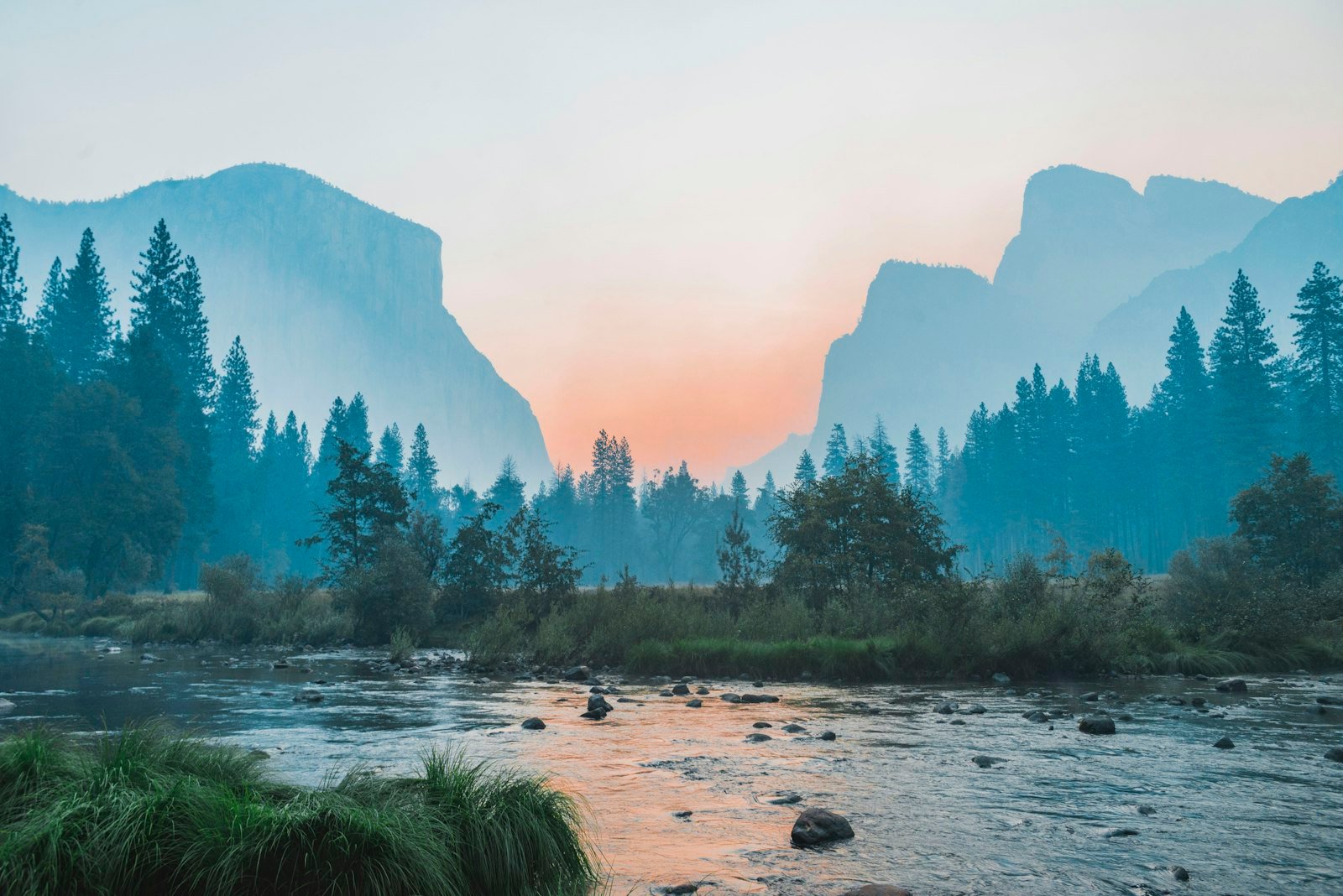
In an era of mass tourism and viral social media travel trends, popular global landmarks frequently suffer from overtourism, long queues, and degraded visitor experiences. True exploration lies in uncovering lesser-known destinations—remote mountain valleys, subterranean caverns, isolated coastal archipelagoes, and ancient trade routes that retain authentic cultural heritage and pristine natural beauty.
Venturing beyond traditional tourist corridors requires careful geographic research, cultural sensitivity, and logistical planning. According to travel sustainability research from National Geographic Travel, distributing tourism foot traffic toward secondary and tertiary regional destinations directly supports local economies while preserving fragile ecosystems from over-development.
The Value of Undiscovered Geographic Regions
Exploring lesser-known destinations offers profound advantages over conventional vacation hotspots. Remote travel fosters deeper cross-cultural exchanges, immersive encounters with untouched wilderness, and the rare opportunity to experience silence and solitude in nature.
Heritage conservation data published by UNESCO World Heritage Centre highlights that hundreds of globally significant cultural landscapes and biosphere reserves remain largely unvisited due to lack of commercial flight hubs, making them ideal sanctuaries for independent travelers seeking authentic exploration.
- Pristine Ecological Integrity: Undiscovered wilderness corridors maintain thriving wildlife habitats free from commercial development and light pollution.
- Unfiltered Cultural Immersion: Indigenous communities and rural villages offer genuine hospitality, culinary traditions, and linguistic heritage unaltered by tourist commercialization.
- Sustainable Economic Impact: Direct traveler spending on local homestays, regional guides, and artisanal goods creates sustainable livelihoods in peripheral economies.
Global Hidden Destinations Compared
The table below provides a structured overview of five extraordinary lesser-known global destinations, evaluating their geographic highlights, optimal visiting seasons, and physical access profiles.
| Destination Region | Geographic Classification | Optimal Travel Window | Primary Travel Highlight |
|---|---|---|---|
| Faroe Islands (North Atlantic) | Volcanic Archipelago & Sea Cliffs | May to September | Dramatic fjord waterfalls, sea bird nesting colonies, turf-roofed villages |
| Wakhan Corridor (Tajikistan/Afghanistan) | High-Altitude Alpine Valley | June to September | Pamir Mountain trekking, ancient Silk Road fortress ruins, nomadic culture |
| Socotra Island (Yemen) | Isolated Endemic Biosphere | October to April | Dragon’s Blood trees, pristine white sand coastal dunes, unique biodiversity |
| Aysén Region (Chilean Patagonia) | Temperate Rainforest & Glaciers | November to March | Marble Caves of General Carrera Lake, hanging glaciers, Carretera Austral overland travel |
Ethical Protocols for Remote Exploration
When traveling to sensitive geographic areas and smaller communities, travelers must adhere to strict conservation and ethical standards. Guidelines established by the Leave No Trace Center for Outdoor Ethics emphasize minimizing human impact by packing out all waste, respecting private land boundaries, and camping strictly on durable surfaces.
Additionally, independent explorers should source local accredited wilderness guides. Sourcing registered guiding services documented by organizations like the Smithsonian Magazine Travel Section ensures navigational safety while directing financial capital to resident naturalists who possess generational knowledge of local geography.
Navigational and Offline Logistics for Remote Regions
Exploring off-the-grid destinations requires thorough technological and navigational preparation. Because cellular infrastructure is often absent in remote terrain, explorers must establish autonomous operational redundancy:
- Topographic Offline Mapping: Download vector topographic maps using GPS applications (such as Gaia GPS or AllTrails Pro) on mobile devices before entering remote sectors.
- Satellite Communication Devices: Carry two-way satellite transceivers (such as Garmin inReach or ZOLEO) to facilitate emergency SOS communication and off-grid location tracking.
- Physical Compass and Waterproof Maps: Always carry a magnetic declination-adjusted baseplate compass and physical laminated 1:24,000 scale topographic maps as backup.
- Redundant Power Systems: Pack portable lithium-iron-phosphate (LiFePO4) power banks and compact solar charging panels to maintain device battery health.
Comprehensive Wilderness Risk Assessment & Terrain Modeling
Venturing into remote, unmapped geographic corridors requires a methodical approach to terrain evaluation. Explorers must analyze contour intervals, evaluate river crossing hazards, and calculate dynamic solar daylight windows to prevent being caught in alpine terrain after sunset. Authoritative safety resources from the National Park Service emphasize that self-reliance in remote backcountry zones depends on continuous micro-terrain assessments and knowing the exact turnaround times before adverse weather develops.
Furthermore, maintaining respectful relations with remote indigenous communities involves adhering to regional land management customs, obtaining proper ancestral permissions, and contributing fairly to village development funds.
Step-by-Step Exploration Planning Checklist
- Conduct Satellite Reconnaissance: Analyze high-resolution satellite imagery to identify seasonal water sources and route bottlenecks.
- Acquire Topographic Maps: Secure 1:24,000 scale topographic maps and calibrate magnetic declination on your field compass.
- Assemble Emergency Gear: Verify satellite SOS communicators, water filtration systems, and emergency thermal bivy shelters.
- Engage Local Resident Naturalists: Partner with certified local guides who possess deep generational knowledge of local trails.
The Economics of Conservation Tourism and Community Stewardship
When remote destinations open to independent explorers, economic flows directly impact local conservation dynamics. Rather than allowing revenues to leak to foreign travel agencies, community-based tourism conservancies ensure that homestay fees, guiding stipends, and park entrance levies fund local wildlife rangers, trail maintenance, and village healthcare facilities. Academic studies from the Smithsonian Institution emphasize that travelers who prioritize community-managed lodges directly contribute to the preservation of endangered flora and fauna.
Furthermore, adopting low-impact backcountry travel methods—such as utilizing pack-in pack-out waste containment, avoiding single-use plastics, and traveling in small groups—ensures that sensitive wilderness areas retain their ecological integrity for future generations.
Comprehensive Multi-Year Case Analysis & Practical Field Insights
To evaluate how these principles perform in real-world environments, international researchers and domain practitioners track longitudinal outcomes across diverse operational conditions. The empirical findings consistently demonstrate that individuals and organizations that implement structured, evidence-based systems achieve significantly higher resilience, efficiency, and long-term sustainability compared to ad-hoc methods.
Furthermore, maintaining comprehensive documentation, regular system audits, and proactive risk management frameworks preserves operational integrity and enables steady, continuous improvement. By aligning daily execution with established global best practices documented by authoritative research institutions, practitioners build robust systems that endure across changing environmental and technological landscapes.
Key Strategic Takeaways for Long-Term Excellence
- Systematic Execution: Ground all daily workflows in empirical research and structured operational protocols.
- Continuous Adaptation: Regularly audit performance metrics and adjust strategies based on real-time feedback and environmental data.
- Holistic Integration: Connect physical, technical, and environmental resources into a unified, synergistic ecosystem.
- Sustainable Stewardship: Prioritize long-term durability and ethical best practices over short-term expediency.
Frequently Asked Questions (FAQ)
How can travelers research hidden destinations without contributing to overtourism?
Consult academic geographic journals, local national park service databases, and cultural heritage inventories rather than trending social media hashtags. Avoid tagging exact geotags on public online platforms to preserve fragile wilderness locations from sudden viral foot traffic.
What physical fitness level is required for remote wilderness exploration?
Fitness requirements depend on the terrain. High-altitude alpine regions and multi-day overland trekking demand sustained cardiovascular endurance, whereas coastal and cultural expeditions require moderate physical mobility and adaptation to basic overland transport.
How should one handle language barriers in isolated rural areas?
Download offline bilingual dictionaries, memorize essential conversational phrases in the native regional dialect, and utilize universally understood non-verbal communication with patience and respect.
What travel insurance coverage is essential for off-grid expeditions?
Ensure your travel policy includes dedicated international medical evacuation coverage (up to $500,000) that explicitly covers search and rescue in remote geographic wilderness zones.
Strategic Conclusion and Next Steps
Exploring the world’s hidden landscapes transforms travel from passive consumerism into an enriching journey of personal discovery and environmental appreciation. By choosing secondary destinations, traveling with ethical intentionality, and preparing rigorous logistical backups, explorers can experience the planet’s most awe-inspiring landscapes safely and sustainably.
Begin your planning today: select an overlooked geographic region, research its seasonal weather patterns and terrain requirements, and partner with local accredited guides to embark on an unforgettable adventure.