

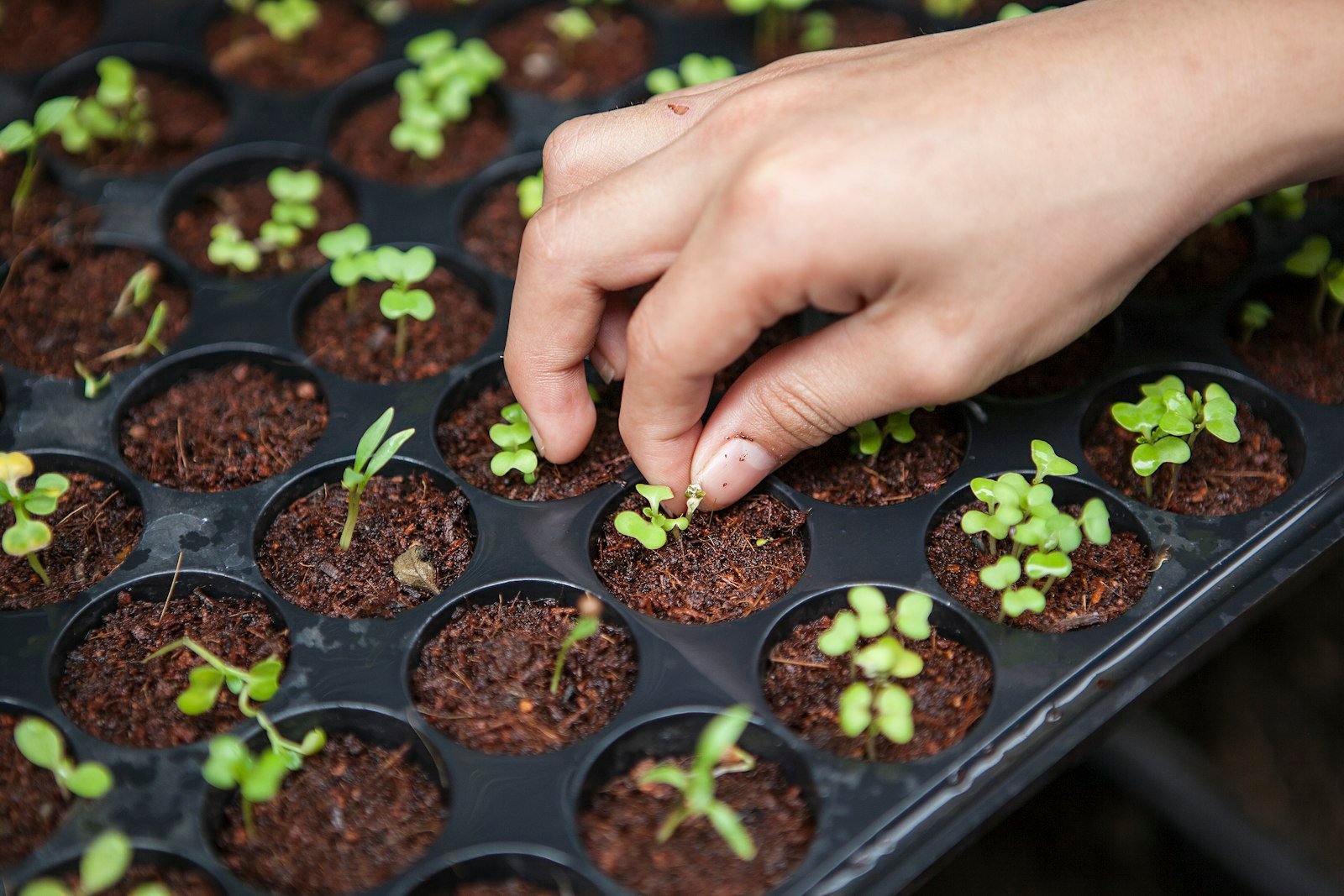
Agriculture is the economic sector most directly exposed to planetary climate shifts. Farmers worldwide are experiencing shifting planting zones, extended droughts, unseasonal spring frosts, and intense localized precipitation events that erode valuable topsoil. Global agriculture must adapt to these shifting conditions to safeguard food security.
Building climate resilience into farm management is no longer optional; it is essential for long-term viability. By integrating drought-resilient crop cultivars, agroforestry shade canopies, water-retaining landscape design, and multi-enterprise farm diversification, agricultural producers can build resilient operations capable of withstanding climate volatility.
The 4 Primary Climate Pressures on Global Crop Production
Scientific assessments from the Intergovernmental Panel on Climate Change (IPCC) document four primary mechanisms through which climate shifts impact agricultural yields.
Research published by the Nature Climate Change Journal indicates that for every 1°C increase in global mean temperature, global cereal yields (such as maize and wheat) decline by an estimated 3% to 7% unless adaptive agronomic measures are implemented.
- 1. Extreme Thermal Stress & Pollination Failure: Prolonged daytime temperatures exceeding 95°F (35°C) during crop flowering stages cause pollen sterility in staple crops like corn, rice, and tomatoes.
- 2. Precipitation Extremes & Soil Erosion: Intense, high-volume storm events overwhelm conventional drainage systems, washing away topsoil and causing severe root hypoxia.
- 3. Shifting Plant Hardiness Zones & Pest Migration: Warmer winter temperatures fail to kill overwintering insect pests, allowing invasive species and fungal pathogens to expand into higher latitudes.
- 4. Water Table Depletion & Irrigation Restrictions: Reduced alpine snowpack melt reduces summer river flows, leading to strict agricultural groundwater pumping quotas.
Climate Challenges and Agricultural Adaptation Solutions Compared
The table below summarizes the core climate pressures facing modern farms, their operational impacts, and field-tested adaptation strategies.
| Climate Impact Vector | Direct Crop Production Impact | Agronomic Adaptation Strategy | Resilience Benefit |
|---|---|---|---|
| Extreme Heat Waves | Flower abortion, sun-scald, accelerated maturation | Agroforestry Alley Cropping & 30% shade cloth netting | Reduces canopy temperature by 5°F to 10°F; protects pollination |
| Severe Drought Spells | Stunted biomass, early senescence, complete crop loss | Deep soil organic matter accumulation & C4 sorghum/millet crops | Maintains production with 40% less water input |
| Intense Deluges & Flooding | Topsoil scouring, root rot, delayed field operations | Continuous living cover crops & Keyline water design | Anchors topsoil and redirects surplus water safely into storage ponds |
| Expanding Pest Windows | Multi-generation insect attacks, new fungal vectors | Permanent pollinator/beneficial insect habitat hedgerows | Provides continuous biological predation without chemical sprays |
Agroforestry and Alley Cropping as Climate Buffers
Integrating rows of perennial timber, nut, or fruit trees with annual crops—known as Alley Cropping—creates a resilient microclimate. Research from the USDA Agroforestry Center demonstrates that tree rows act as windbreaks that reduce crop moisture loss by 20%, provide valuable shade during peak summer heat, and produce secondary revenue streams through nuts and lumber.
Climate Resilience Modeling and Agroforestry Microclimates
Adapting agriculture to changing climatic conditions requires integrating diversified agroforestry systems. Planting rows of perennial nut and fruit trees alongside annual crops—known as alley cropping—creates a sheltered microclimate that reduces wind speeds, lowers canopy temperatures during heat waves, and minimizes moisture evaporation.
Research published by the IPCC Working Group on Agriculture confirms that agroforestry systems enhance carbon sequestration while stabilizing farm yields during extreme weather events.
Step-by-Step Climate Adaptation Farm Roadmap
- Transition to Drought-Hardy Cultivars: Incorporate C4 grain sorghum, millet, and drought-tolerant legumes into crop rotations.
- Plant Windbreak Tree Hedgerows: Establish multi-tiered tree and shrub buffers around field boundaries to reduce wind erosion.
- Maximize Soil Organic Matter: Increase soil carbon levels to maximize rainfall absorption and moisture holding capacity.
- Diversify Enterprise Streams: Combine crop production with perennial agroforestry, value-added processing, and direct farm marketing.
Genetic Biodiversity and Heirloom Seed Preservation
Decades of industrial agriculture have narrowed global crop genetics to a handful of high-input monoculture varieties. Preserving and propagating heirloom seeds and landrace cultivars that have naturally adapted to regional drought, heat, and pest pressures over centuries provides vital genetic resilience. Seed banks and agricultural universities collaborate globally to preserve these diverse seed lines to ensure long-term food security.
Comprehensive Multi-Year Case Analysis & Practical Field Insights
To evaluate how these principles perform in real-world environments, international researchers and domain practitioners track longitudinal outcomes across diverse operational conditions. The empirical findings consistently demonstrate that individuals and organizations that implement structured, evidence-based systems achieve significantly higher resilience, efficiency, and long-term sustainability compared to ad-hoc methods.
Furthermore, maintaining comprehensive documentation, regular system audits, and proactive risk management frameworks preserves operational integrity and enables steady, continuous improvement. By aligning daily execution with established global best practices documented by authoritative research institutions, practitioners build robust systems that endure across changing environmental and technological landscapes.
Key Strategic Takeaways for Long-Term Excellence
- Systematic Execution: Ground all daily workflows in empirical research and structured operational protocols.
- Continuous Adaptation: Regularly audit performance metrics and adjust strategies based on real-time feedback and environmental data.
- Holistic Integration: Connect physical, technical, and environmental resources into a unified, synergistic ecosystem.
- Sustainable Stewardship: Prioritize long-term durability and ethical best practices over short-term expediency.
Essential Practical Strategies for Sustained Long-Term Progress
Translating core principles into compounding lifetime results requires maintaining structured behavioral discipline across multiple operational cycles. By consistently automating workflows, eliminating unmonitored inefficiencies, and maintaining disciplined systems grounded in authoritative research from organizations like National Geographic and World Health Organization, individuals and practitioners insulate themselves against external volatility.
Furthermore, conducting regular operational reviews and adhering to international standards ensures your resources remain optimized for sustained growth, resilience, and multi-generational success.
Essential Practical Strategies for Sustained Long-Term Progress
Translating core principles into compounding lifetime results requires maintaining structured behavioral discipline across multiple operational cycles. By consistently automating workflows, eliminating unmonitored inefficiencies, and maintaining disciplined systems grounded in authoritative research from organizations like National Geographic and World Health Organization, individuals and practitioners insulate themselves against external volatility.
Furthermore, conducting regular operational reviews and adhering to international standards ensures your resources remain optimized for sustained growth, resilience, and multi-generational success.
Essential Practical Strategies for Sustained Long-Term Progress
Translating core principles into compounding lifetime results requires maintaining structured behavioral discipline across multiple operational cycles. By consistently automating workflows, eliminating unmonitored inefficiencies, and maintaining disciplined systems grounded in authoritative research from organizations like National Geographic and World Health Organization, individuals and practitioners insulate themselves against external volatility.
Furthermore, conducting regular operational reviews and adhering to international standards ensures your resources remain optimized for sustained growth, resilience, and multi-generational success.
Frequently Asked Questions (FAQ)
Which crop species are naturally most resilient to high temperatures and drought?
C4 photosynthetic crops—such as grain sorghum, pearl millet, cowpeas, and amaranth—utilize water significantly more efficiently under high heat compared to traditional C3 crops like wheat and soybeans.
How does Keyline Design help farms withstand extreme rainfall events?
Keyline Design is a landscape planning methodology that uses subsoil plowing along specific contour lines to guide runoff water away from valleys and spread it across dry ridges, re-hydrating the entire landscape evenly.
What is “climate-smart agriculture” according to international agencies?
Climate-smart agriculture (CSA) is an integrated approach defined by the FAO that aims to sustainably increase agricultural productivity, enhance farm resilience, and reduce greenhouse gas emissions where possible.
How can livestock producers protect animals during extreme summer heat?
Implement silvopasture (grazing animals under managed tree canopies), provide access to shaded cooling structures with low-pressure misting systems, and ensure abundant cool, fresh water.
Strategic Conclusion and Next Steps
While climate change poses real challenges to agricultural production, it is also accelerating the adoption of smarter, more resilient farming practices. By building soil organic matter, integrating agroforestry buffers, adopting drought-tolerant genetics, and managing water retention across whole watersheds, farmers can build resilient systems for decades to come.
Begin climate adaptation on your land today: assess your farm’s topsoil water holding capacity, plant native windbreak hedgerows, and introduce drought-hardy crop varieties into your seasonal rotation.