
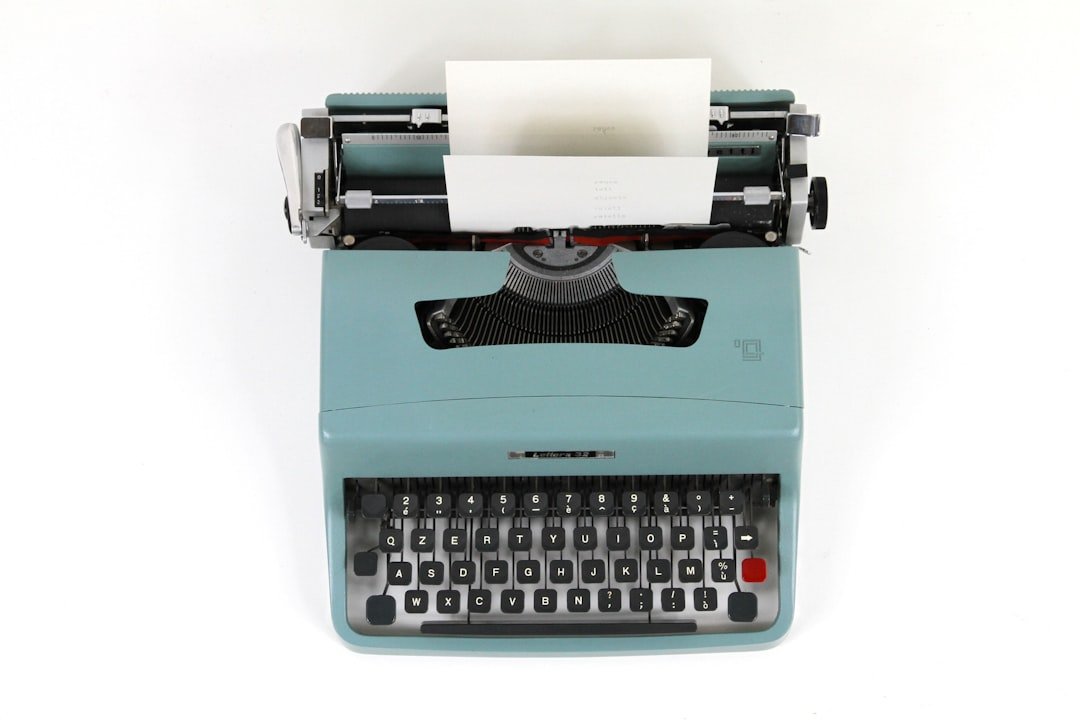

The Importance of Proper Punctuation
Punctuation is the roadmap of written language, guiding the reader through sentences and paragraphs by indicating pauses, emphasis, and logical connections. In academic, professional, and creative writing, correct punctuation is essential for clarity. Misplaced or missing punctuation marks can completely alter the meaning of a sentence, leading to misunderstandings. This comprehensive guide covers the essential English punctuation rules and common pitfalls that every writer should avoid.
1. The Comma (,): The Most Versatile and Misused Mark
Commas are used to indicate short pauses within sentences. They help separate ideas and prevent confusion, but using too many or too few commas is a common error. Key rules for comma usage include:
- Introductory Phrases: Use a comma after an introductory word or phrase (e.g., ‘Honestly, I did not expect this result.’).
- Lists: Use commas to separate three or more items in a series (e.g., ‘We bought apples, oranges, and bananas.’).
- Connecting Independent Clauses: Use a comma before a coordinating conjunction (FANBOYS: for, and, nor, but, or, yet, so) that connects two complete sentences (e.g., ‘She wanted to write, but she ran out of time.’).
2. Semicolon (;) vs Colon (:)
Many writers struggle to differentiate between semicolons and colons. They serve distinct grammatical purposes:
- Semicolon: Used to connect two closely related independent clauses without a coordinating conjunction. Example: ‘The research is complete; the results are promising.’
- Colon: Used to introduce a list, an explanation, or a quotation. The clause before the colon must be a complete sentence. Example: ‘Please bring the following items: a notebook, a pen, and a laptop.’
3. The Apostrophe (‘): Possession and Contractions
Apostrophes have two primary functions in English: to show possession and to indicate missing letters in contractions. To show possession for singular nouns, add ‘-s’ (e.g., ‘the student’s book’). For plural nouns ending in ‘-s’, simply add the apostrophe after the ‘s’ (e.g., ‘the students’ books’). For contractions, use the apostrophe where letters are dropped (e.g., ‘do not’ becomes ‘don’t’).
4. Common Punctuation Pitfalls to Avoid
The Comma Splice
A comma splice occurs when you connect two independent clauses (complete sentences) with only a comma. Example: ‘I went to the store, I bought some milk’ (incorrect). To fix this, use a period, a semicolon, or add a coordinating conjunction (e.g., ‘I went to the store, and I bought some milk.’).
Its vs It’s
This is one of the most common errors in English. ‘Its’ is a possessive pronoun meaning ‘belonging to it’ (no apostrophe). ‘It’s’ is a contraction meaning ‘it is’ or ‘it has’ (requires an apostrophe). Example: ‘The dog wagged its tail because it’s happy.’
Frequently Asked Questions
What is a comma splice and how do I fix it?
A comma splice is the grammatical error of joining two independent clauses with a comma alone. You can fix it by replacing the comma with a period, using a semicolon, or adding a coordinating conjunction like ‘and’ or ‘but’.
What is the Oxford comma and is it mandatory?
The Oxford comma (or serial comma) is the final comma placed before the conjunction in a list of three or more items (e.g., the comma after ‘oranges’ in ‘apples, oranges, and bananas’). While optional in some style guides, using it prevents ambiguity.
When should I use a semicolon instead of a period?
Use a semicolon when you have two complete sentences that are closely related in thought, and you want to emphasize their connection without separating them into two distinct sentences with a period.
What is the correct use of quotation marks?
Quotation marks are used to enclose direct speech or citations. In American English, periods and commas always go inside the quotation marks, whereas in British English, they usually go outside unless they are part of the quote.
How do I show possession for plural nouns that do not end in ‘s’?
For irregular plural nouns that do not end in ‘s’ (like ‘children’ or ‘people’), show possession by adding an apostrophe followed by ‘s’ (e.g., ‘the children’s toys’ or ‘the people’s choice’).
What is the difference between a hyphen and a dash?
A hyphen (-) joins words together (e.g., ‘state-of-the-art’). An en-dash (–) indicates ranges of values (e.g., ‘1998–2002’). An em-dash (—) is used to create a strong pause or set off parenthetical information in a sentence.
Can I use exclamation marks in business writing?
In professional business writing, exclamation marks should be used very sparingly, if at all. Overuse can make your communication appear unprofessional or overly emotional. Stick to periods for standard statements.
How does punctuation affect readability scores?
Proper punctuation breaks text into digestible chunks, improving sentence flow and structure. Clean punctuation helps readers follow complex thoughts easily, boosting comprehension and readability scores.
Conclusion
Mastering English punctuation rules is crucial for clear and professional writing. By avoiding common errors like comma splices and misplaced apostrophes, you will ensure your written work is polished, accurate, and easy to read.