
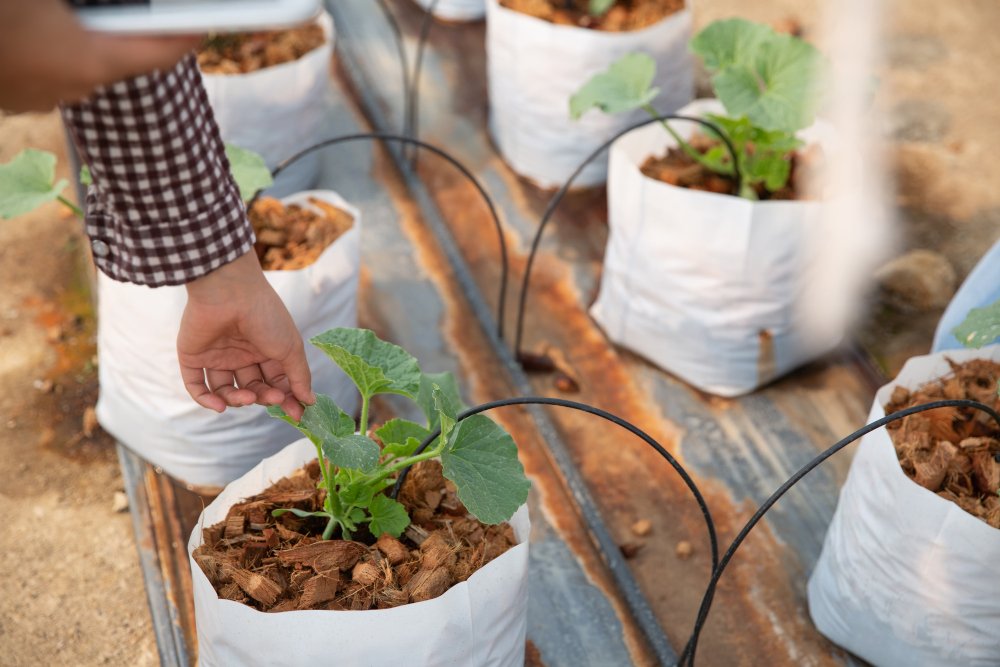

Building a gravity-fed drip irrigation system for small acreage homesteads offers a sustainable, energy-independent way to hydrate your crops while maximizing water efficiency in 2026. By utilizing the natural force of elevation rather than expensive, power-hungry electric pumps, homesteaders can create a reliable network that delivers precise moisture directly to the root zones of vegetables, orchards, and perennial beds. This method significantly reduces water waste through evaporation and runoff, which is critical as modern climate volatility continues to impact agricultural planning. Mastering the physics of head pressure and fluid dynamics allows even novice growers to design a robust infrastructure that operates with minimal maintenance throughout the growing season, ensuring your land remains productive despite shifting environmental conditions.
Understanding Gravity Flow Principles
The foundation of a successful gravity-fed system lies in the relationship between height and pressure. In hydraulics, every 2.31 feet of vertical elevation provides approximately 1 pound per square inch (PSI) of pressure. For most drip emitters and micro-sprinklers to function correctly, you typically need at least 5 to 10 PSI, meaning your water storage tank should ideally be elevated on a platform roughly 12 to 20 feet above the target garden area. This natural pressure is sufficient to push water through standard drip lines, provided the system is designed with low-friction components that do not restrict flow excessively.
Precision in your layout is essential when relying on gravity. You must account for the topography of your land, as downhill sections will experience higher pressure than uphill or level sections. Utilizing pressure-compensating emitters is a game-changer in 2026, as these specialized devices ensure a consistent flow rate regardless of the slight pressure fluctuations inherent in gravity-fed setups. By calculating the total length of your run and the elevation change, you can determine if a single tank will suffice or if multiple distribution headers are required to maintain uniform saturation across your small acreage site.
System Design and Tank Selection
Choosing the right reservoir is the most critical infrastructure decision you will make. For small acreage, a 500 to 1,000-gallon food-grade IBC tote or poly tank is usually sufficient to handle irrigation cycles between rainfall events. Ensure your tank is opaque or UV-resistant to prevent algae growth, which is a common culprit for clogging emitters. It is advisable to mount your tank on a heavy-duty, engineered platform constructed from pressure-treated timber or steel to ensure structural integrity and safety. Always remember that water weighs roughly 8.34 pounds per gallon, so a full 1,000-gallon tank creates a significant load that requires a stable, leveled foundation to prevent tipping or shifting.
Plumbing your tank requires a bulkhead fitting at the base, followed by a high-quality ball valve to control the flow manually or via a timer. In 2026, many homesteaders are integrating smart, battery-operated irrigation controllers that require minimal voltage to open and close, allowing for automated watering schedules without needing grid power. After the main valve, install a screen filter or a disc filter to capture sediment before it reaches your drip lines. This single step prevents the majority of irrigation headaches, as even microscopic particles can accumulate over time and block the delicate internal mechanisms of drip tape or button emitters.
Comparison Table / Specifications Table
| Feature | Standard Gravity System | Low-Pressure Pump System | High-Pressure Municipal |
|---|---|---|---|
| Power Source | Gravity / Elevation | Solar/Battery Pump | Grid Electric |
| Pressure (PSI) | 2 – 15 PSI | 20 – 40 PSI | 40 – 80 PSI |
| Complexity | Low | Medium | High |
| Maintenance | Minimal | Moderate | |
| Initial Cost | Low | Moderate | Variable |
| Best Use | Small Homesteads | Off-Grid Sites | Urban Gardens |
Component Selection and Installation
Once your water source is established, the distribution network requires careful selection of tubing and emitters. Standard half-inch polyethylene tubing serves as the main header, branching out into quarter-inch distribution lines that lead to individual plants. It is vital to use professional-grade fittings and ensure all connections are tight to prevent leaks, which can drastically reduce the pressure available at the end of your run. In 2026, many manufacturers now offer specialized low-pressure drip tape that is specifically engineered to function optimally at under 5 PSI, making it the preferred choice for gravity-fed systems where elevation is limited.
Essential Filtration Strategies
Filtration is the “make or break” factor for any gravity-fed setup. Because water is often sourced from rain barrels or ponds, it may contain organic matter or silt that will quickly foul standard emitters. A multi-stage filtration approach—starting with a coarse mesh screen at the tank intake and finishing with a 120-mesh disc filter at the system manifold—is highly recommended. This dual-layer protection ensures that only clean water enters your distribution lines. Regularly flushing your lines at the end of each season is another critical maintenance task that keeps the system operating at peak performance levels for many years.
Pros and Cons Analysis
The primary advantage of a gravity-fed drip irrigation system is its profound simplicity and reliance on passive physics rather than mechanical components. Because there is no pump to fail, your system remains functional even during power outages, making it an incredibly resilient choice for rural homesteading. Furthermore, the operational cost is effectively zero once the initial installation is complete, as you are utilizing potential energy stored in the water’s height. This efficiency is mirrored in the water usage itself, as drip irrigation delivers moisture directly to the soil, minimizing evaporation losses and suppressing weed growth by keeping the soil surface between rows dry.
However, the system is not without its limitations. The most significant drawback is the requirement for substantial elevation, which can be difficult to achieve on perfectly flat land without constructing expensive towers. Furthermore, the limited PSI means that you cannot run long, complex networks with hundreds of emitters without experiencing significant pressure drops. You must be prepared to manage the system in zones or segments to ensure each plant receives adequate hydration. Additionally, low-pressure systems are more susceptible to clogging because they lack the force required to “blow out” minor debris, necessitating a more rigorous maintenance schedule for filters and emitters compared to high-pressure municipal systems.
Automation and Smart Integration
By 2026, technology has made it easier than ever to automate gravity-fed systems without needing a grid connection. Low-voltage, battery-operated solenoids can be attached directly to your tank outlet, allowing you to schedule irrigation for early morning hours when evaporation rates are lowest. These controllers are often compatible with moisture sensors that can override the schedule if the soil is already saturated, preventing overwatering and root rot. Integrating these sensors provides a layer of data-driven decision-making that was previously only available to large-scale commercial operations, helping you conserve water resources effectively.
For those looking to expand, solar-charged battery banks can power more advanced sensing arrays that monitor tank levels and system pressure in real-time. You can receive alerts on your smartphone if a line breaks or if the tank level drops too low, ensuring you never return to a garden full of wilted plants. While adding electronics introduces a new point of failure, the convenience and water savings provided by automated, sensor-driven systems often outweigh the marginal increase in complexity. Always keep a manual override valve installed in parallel with your automated system to ensure you can still water your crops if the digital components ever malfunction.
Key Takeaways
- Gravity provides a reliable, zero-cost energy source for irrigation when properly elevated.
- Every 2.31 feet of elevation gain yields 1 PSI of water pressure at the output.
- Filtration is the most important maintenance step to prevent clogging in low-pressure lines.
- Use pressure-compensating emitters to ensure uniform water distribution across the acreage.
- Smart battery-operated controllers allow for efficient scheduling without grid electricity.
- Always build a stable, engineered base to support the significant weight of stored water.
Frequently Asked Questions
What is the minimum height for a gravity-fed system?
For basic drip systems, a minimum of 5 to 6 feet of elevation is recommended to create enough head pressure to overcome the friction losses in the tubing and operate the emitters effectively.
Can I use pond water for drip irrigation?
Yes, but it requires aggressive filtration. You must use a primary intake screen to block large debris and a secondary disc filter to remove fine particles before the water enters your drip lines.
How do I prevent algae in my water tank?
Keep your tank out of direct sunlight by using opaque materials or building a shade structure. Algae require light to grow, so blocking UV rays is the most effective way to keep your water clean.
What is the best type of tubing to use?
For gravity systems, use half-inch polyethylene tubing as your main header and quarter-inch micro-tubing for your lateral lines. Look for components specifically rated for “low pressure” applications.
How often should I clean the filters?
During the peak growing season, check your filters weekly. If you notice a drop in output at the end of your irrigation lines, it is usually a sign that your filters need to be rinsed.
Conclusion
Building a gravity-fed drip irrigation system is one of the most rewarding investments a homesteader can make in 2026. It bridges the gap between traditional gardening and modern efficiency, providing a reliable, sustainable water delivery solution that respects the natural topography of your land. By carefully planning your elevation, prioritizing robust filtration, and choosing the right low-pressure components, you can ensure your crops receive consistent moisture with minimal effort. As you refine your system over the coming seasons, you will find that the peace of mind afforded by a functional, pump-free irrigation setup is truly invaluable for your homestead’s long-term success.