
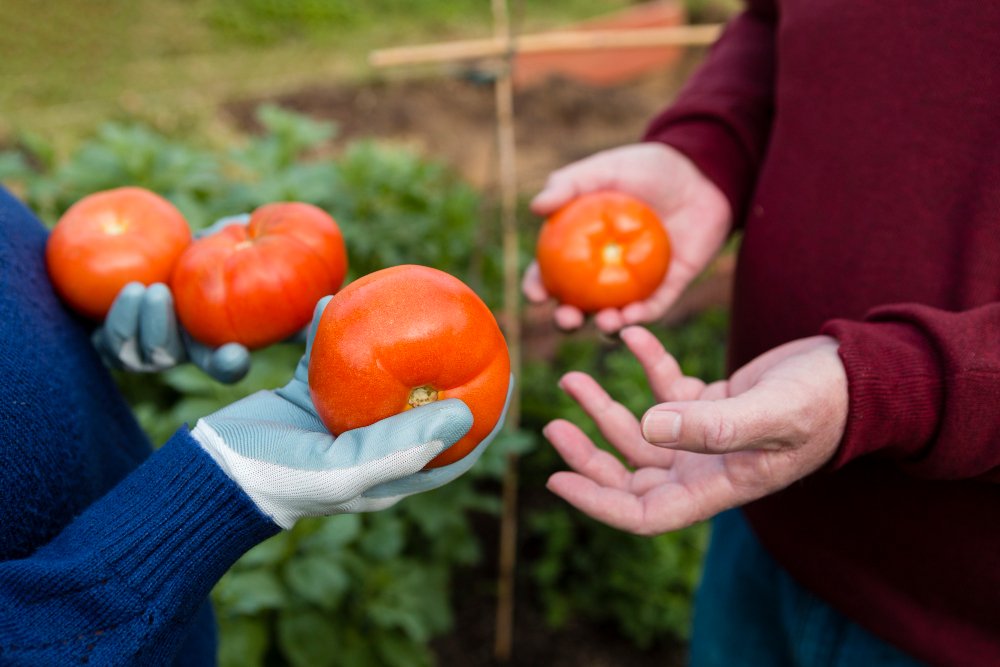

Raising heirloom tomatoes using zero chemical fertilizers is an art form that prioritizes soil biology over synthetic inputs to produce superior flavor and nutrition. As we move into the 2026 gardening season, more homeowners are shifting toward regenerative practices that treat the earth as a living ecosystem rather than a medium for chemical delivery. By focusing on organic matter, beneficial microbes, and natural mineral sources, you can cultivate heirloom varieties that express their full genetic potential without relying on NPK-heavy industry products. This guide provides the foundational knowledge necessary to transition your backyard into a self-sustaining tomato sanctuary, ensuring that every fruit harvested is as pure as it is delicious. Embracing these natural methods requires patience and observation, but the reward is a bounty of tomatoes that taste exactly as nature intended.
Selecting the Best Heirloom Varieties
Choosing the right seeds is the first step toward a successful 2026 harvest, especially when you are committed to zero chemical intervention. Heirloom varieties are open-pollinated, meaning you can save seeds year after year, but they often lack the disease resistance bred into modern hybrids. For beginners, look for varieties like Cherokee Purple, Brandywine, or Mortgage Lifter, which have proven their resilience across various climates over generations. Ensure your seeds are sourced from reputable organic suppliers who specialize in acclimatizing plants to regional conditions, which drastically reduces the need for external support.
Once you select your varieties, consider the growth habit. Determinate heirlooms grow to a fixed size and ripen all at once, making them excellent for canning, while indeterminate varieties continue to grow and produce fruit until the first frost. In an organic system, indeterminate varieties offer a longer harvest window but require more robust trellising and consistent pruning to ensure airflow. By choosing varieties with a history of success in your local hardiness zone, you start your journey with a genetic advantage that minimizes the stress often associated with high-maintenance synthetic programs.
Building Soil Fertility Naturally
The secret to raising heirloom tomatoes without chemicals lies in the soil food web. Rather than feeding the plant directly with synthetic salts, your goal is to feed the soil microbes that unlock nutrients for your tomatoes. Start by incorporating high-quality compost, which acts as a slow-release reservoir of essential minerals and organic matter. In 2026, many experts recommend layering your beds with leaf mold and aged manure in the autumn, allowing the winter freeze-thaw cycles to incorporate nutrients into the lower soil horizons before spring planting begins.
To further boost nutrient availability, consider the application of rock dust or glacial moraine. These natural amendments provide a long-term source of trace minerals that are often depleted in standard garden soil. Additionally, brewing your own compost tea provides an instant surge of beneficial fungi and bacteria, which can help suppress soil-borne pathogens. By maintaining a high level of organic matter, you create a sponge-like soil structure that retains moisture and nutrients, drastically reducing the need for constant supplemental watering or fertilizing throughout the growing season.
The Role of Cover Cropping
Between growing seasons, planting cover crops like crimson clover or hairy vetch can fix nitrogen naturally from the atmosphere. These crops act as green manure, which you can chop and drop onto the soil surface to provide a protective mulch while simultaneously feeding the worms and microbes. This method eliminates the need for expensive, synthetic fertilizers and builds a healthy, crumbly soil structure that tomatoes thrive in.
Irrigation and Moisture Management
Proper hydration is essential for preventing common heirloom issues like blossom end rot and splitting. In a zero-chemical garden, the goal is to keep the soil consistently moist but never waterlogged. Drip irrigation systems are highly recommended because they deliver water directly to the root zone, keeping the foliage dry and reducing the likelihood of fungal infections like early blight. If drip irrigation is not an option, water at the base of the plant using a soaker hose or a gentle watering can, taking care to avoid splashing soil onto the leaves.
Mulching is a critical component of moisture management that often gets overlooked by beginners. A thick layer of straw or dried grass clippings acts as a barrier against evaporation, keeping the soil cool during the heat of midsummer. This mulch also prevents weed competition and acts as a physical shield against soil-borne pathogens that might otherwise splash onto the leaves during heavy rains. For further guidance on sustainable moisture control, consult resources provided by the Natural Resources Conservation Service.
Comparison of Tomato Growing Methods
| Feature | Chemical-Heavy | Organic / Heirloom | Sustainable 2026 Approach |
|---|---|---|---|
| Fertilizer Source | Synthetic Salts | Fish Emulsion | Compost & Microbes |
| Pest Control | Broad-Spectrum | Neem Oil / Soap | Integrated Management |
| Soil Health | Degraded Over Time | Maintained | Improved Annually |
| Fruit Flavor | Standard | High | Exceptional |
| Water Usage | Inconsistent | Moderate | Efficient/Drip |
Managing Pests and Diseases
Without the aid of synthetic pesticides, you must adopt an Integrated Pest Management (IPM) strategy. This starts with observation; inspect your plants daily for signs of hornworms, aphids, or fungal spots. Hand-picking insects is often the most effective and eco-friendly method for small gardens. Encourage beneficial predators, such as ladybugs, lacewings, and parasitic wasps, by planting companion flowers like marigolds, nasturtiums, and sweet alyssum near your tomato rows. These plants provide habitat and nectar, ensuring a natural balance is maintained.
If fungal issues arise, simple organic remedies can be highly effective. A mixture of baking soda and water, or diluted milk sprays, can raise the pH on the surface of the leaves, making it difficult for spores to germinate. Pruning for airflow is your best defense against disease; remove the lower suckers and leaves that touch the soil to prevent soil-borne fungi from migrating upward. By keeping the plant structure open and clean, you minimize the environment that pests and diseases prefer, keeping your heirlooms healthy and productive throughout the season.
Cost & Pricing Breakdown
Starting an heirloom garden is remarkably cost-effective when you focus on biological inputs rather than synthetic goods. Below is an estimated budget for a 10-plant heirloom setup in 2026.
- Seeds (Heirloom Varieties): $15 – $25
- Organic Compost (Bulk Delivery): $40 – $60
- Straw Mulch (2-3 Bales): $20 – $30
- Trellising Supplies (Reused or Bamboo): $0 – $30
- Beneficial Insect Seeds: $10 – $15
- Total Estimated Cost: $85 – $160
Key Takeaways
- Focus on soil biology and organic matter rather than synthetic NPK inputs.
- Select heirloom varieties known for flavor and regional hardiness.
- Use drip irrigation to maintain consistent moisture and prevent foliage diseases.
- Implement cover cropping to naturally fix nitrogen and suppress weeds.
- Practice regular observation and hand-picking to manage pests without chemicals.
- Mulch heavily with organic materials to retain soil moisture and prevent splash-back.
Frequently Asked Questions
How do I prevent blossom end rot without calcium sprays?
Blossom end rot is typically caused by inconsistent moisture rather than a lack of calcium in the soil. By using mulch and a steady irrigation schedule, you ensure the plant can uptake available calcium effectively.
Can I grow heirloom tomatoes in containers?
Yes, but choose compact or determinate heirloom varieties and ensure you use a high-quality organic potting mix that is rich in worm castings and compost to provide sufficient nutrients.
How often should I apply compost tea?
Applying compost tea once every two weeks during the growing season is sufficient to maintain a robust microbial population in your soil, which supports plant health and nutrient uptake.
What if I see hornworms on my plants?
The most effective method is to inspect the plants in the early morning or evening and hand-pick them. You can feed them to birds or drop them into a bucket of soapy water to remove them quickly.
Is it necessary to prune indeterminate tomatoes?
Pruning is highly recommended for organic gardening as it improves airflow, reduces humidity around the foliage, and directs the plant’s energy into fruit production rather than excessive vegetative growth.
Conclusion
Raising heirloom tomatoes without chemical fertilizers is a rewarding practice that connects you deeply to the rhythms of your garden. By investing in the health of your soil and fostering a diverse ecosystem, you ensure that your 2026 harvest is not only abundant but also free of synthetic residues. While this journey requires a shift in perspective—moving from a mindset of intervention to one of stewardship—the unmatched flavor and nutritional density of your home-grown heirlooms will make every effort worthwhile. Continue to observe, adapt, and learn from your plants, and you will soon find that nature is the ultimate partner in your gardening success.