
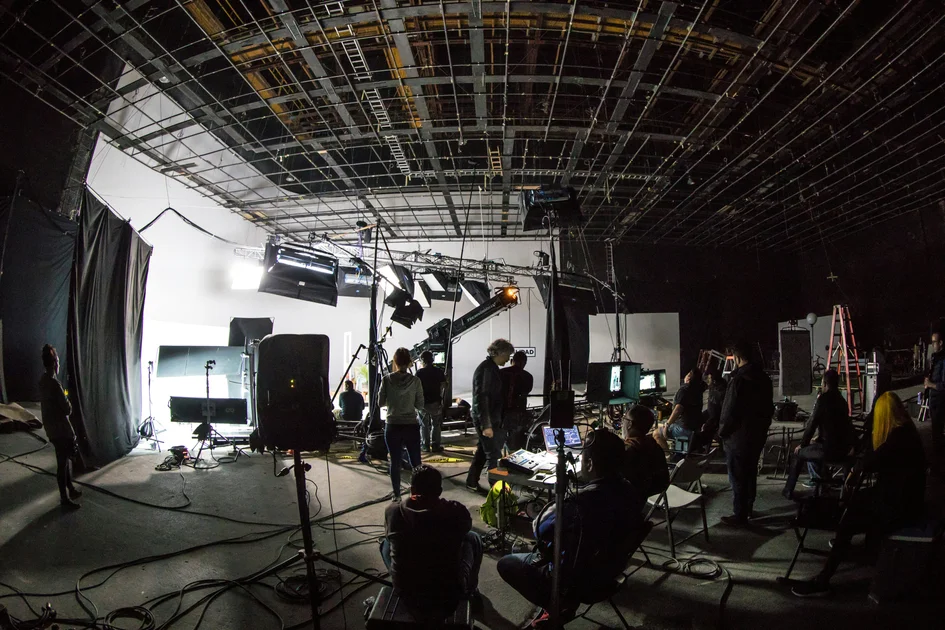

Setting up a commercial vertical farming system inside abandoned urban warehouses represents the pinnacle of 2026 agricultural innovation, transforming decaying industrial relics into hyper-efficient food production hubs. As urban populations swell and supply chain vulnerabilities become more apparent, the ability to produce nutrient-dense crops within city limits offers a robust solution to food security. By leveraging advanced aeroponics, automated LED spectral tuning, and AI-driven climate control, entrepreneurs can reclaim underutilized real estate to achieve year-round harvests. This guide explores the technical, operational, and strategic requirements for converting vacant industrial shells into high-yield, sustainable vertical farms that meet the rigorous demands of the modern agricultural landscape.
Structural Assessment and Retrofitting
Before launching a vertical farming venture, a meticulous structural audit of the warehouse is non-negotiable. Abandoned warehouses often suffer from compromised roofing, aged electrical grids, and insulation inefficiencies that can jeopardize sensitive crop environments. In 2026, engineers prioritize the installation of high-density vapor barriers and advanced HVAC systems designed to handle the massive latent heat loads generated by LED arrays. Ensuring the structural floor capacity can support the weight of industrial rack systems, nutrient reservoirs, and water distribution networks is essential to prevent structural failure during peak operational cycles.
Beyond the physical shell, retrofitting must address the integration of modern IoT infrastructure. A successful warehouse conversion requires a robust backbone of sensors that monitor carbon dioxide levels, humidity, and nutrient concentrations in real-time. By upgrading the facility’s utility throughput to support high-voltage lighting and advanced filtration systems, operators can ensure that every square foot of vertical space is optimized for maximum photosynthesis. Engaging with local building codes is critical, as urban zoning laws often require specific permits for indoor agricultural use, especially regarding water discharge and fire suppression compliance.
Advanced Climate and Nutrient Controls
Modern vertical farming relies on precision environmental control, where every variable is managed by sophisticated software. To succeed in 2026, operators must implement closed-loop fertigation systems that recycle water and minimize waste. These systems utilize automated sensors to adjust the nutrient mix based on the specific growth stage of the crop, ensuring optimal biomass accumulation without the environmental runoff associated with traditional field farming. By maintaining a sterile, pressurized environment, growers can eliminate the need for chemical pesticides, resulting in a cleaner, higher-quality product for urban consumers.
Spectral Tuning for Maximum Yield
Lighting technology has evolved significantly, with 2026 hardware allowing for dynamic spectral tuning that mimics natural daylight cycles while optimizing energy consumption. Advanced LED arrays now allow growers to shift the light spectrum to favor vegetative growth or fruit maturation, directly influencing the flavor profiles and nutritional density of crops. This precision lighting is paired with AI-driven climate management that cycles airflow to prevent mold and ensure uniform plant development across all vertical tiers. Mastery of these systems is the primary differentiator between profitable commercial farms and those struggling with high operational overheads.
Pros and Cons Analysis
Evaluating the transition of warehouse space into a vertical farm requires a balanced look at the fiscal and operational realities. While the benefits of proximity to market are substantial, the initial capital expenditure remains a significant hurdle for many startups.
| Factor | Pros | Cons |
|---|---|---|
| Logistics | Near-zero food miles to urban centers | High initial retrofitting costs |
| Efficiency | Year-round production regardless of weather | High electricity demand for lighting |
| Resource Use | Up to 95% less water than traditional soil farming | Requires highly skilled technical labor |
| Marketability | Consistent supply of premium, organic-grade produce | Limited crop variety compared to outdoor fields |
The reduction in logistics costs and the ability to command premium pricing for hyper-local produce often outweigh the high energy intensity of indoor farming. However, successful operators must aggressively manage their energy procurement, often by integrating onsite renewable energy sources or participating in demand-response utility programs to offset the heavy reliance on the grid.
Reddit & Expert Community Consensus
“The biggest mistake new urban farmers make is underestimating the HVAC load. You aren’t just lighting the plants; you are fighting the heat those lights generate. Without a massive investment in cooling and dehumidification, your warehouse will become a petri dish for pathogens within weeks. Focus on airflow velocity and redundant climate sensors before buying your first stack of racks.” — Expert opinion from the Controlled Environment Agriculture (CEA) Industry Forum, 2026.
Industry consensus strongly emphasizes that technical failure is the primary cause of bankruptcy in the indoor farming sector. Professionals across platforms like Reddit and industry-specific Discord servers advocate for a phased approach: start with a pilot zone to calibrate environmental controls before scaling the entire warehouse floor. This strategy allows the team to gather empirical data on crop performance and energy consumption, reducing the risk of catastrophic loss during the full-scale commercial launch.
Operational Sustainability and Scaling
As the 2026 market matures, commercial vertical farms are increasingly focusing on the circular economy to improve their bottom line. Integrating composting systems that turn biomass waste into nutrient-rich substrates or partnering with local businesses to capture waste heat are becoming standard practices. Scaling a vertical farm is not merely about adding more racks; it is about refining the workflow automation to reduce labor costs, which remain a significant portion of the operating budget. Robotics and automated harvesting systems are now being integrated into warehouse designs to ensure 24/7 productivity.
Strategic partnerships with local grocery chains and restaurants provide the consistent revenue streams necessary to support the high operational costs of these facilities. By branding the produce as locally grown, pesticide-free, and hyper-fresh, farms can secure long-term contracts that protect them from the volatility of traditional agricultural commodities. This business model shift—from being just a grower to becoming an essential component of the urban food supply chain—is what defines the most successful and resilient operations currently active in major metropolitan areas.
Key Takeaways
- Conduct a comprehensive structural and electrical audit of the warehouse before finalizing any lease or purchase agreements.
- Prioritize high-efficiency HVAC and dehumidification systems to manage the heat output of advanced LED lighting arrays.
- Implement closed-loop fertigation to drastically reduce water consumption and eliminate agricultural runoff.
- Utilize spectral tuning and AI-driven monitoring to optimize crop yields and reduce energy waste per kilogram of produce.
- Establish direct-to-consumer or direct-to-retailer supply chains to maximize margins and ensure consistent revenue.
- Invest in automation and robotics to minimize long-term labor costs and improve operational consistency.
Frequently Asked Questions
What is the most critical utility requirement for a warehouse farm?
Reliable, high-capacity electricity is the most critical requirement. You must have a stable power grid connection to support the intense energy demands of industrial-grade LED lighting and climate control systems.
Are abandoned warehouses safe for growing food?
They can be, provided the building undergoes a rigorous environmental assessment to rule out heavy metal contamination, lead paint, or asbestos, which are common in older industrial structures.
How long does it take to see a return on investment?
In 2026, well-managed commercial vertical farms typically see a return on investment within 3 to 5 years, depending on the scale, crop selection, and proximity to premium retail markets.
What crops are best suited for indoor warehouse farming?
Leafy greens, microgreens, herbs, and certain berry varieties are currently the most profitable and technically viable crops for indoor vertical systems due to their short growth cycles.
Is water consumption really that much lower?
Yes, by utilizing hydroponic or aeroponic systems in a closed-loop configuration, indoor farms can use up to 95% less water than traditional open-field soil agriculture.
Conclusion
Setting up a commercial vertical farming system inside an abandoned urban warehouse is a sophisticated endeavor that blends civil engineering, data science, and agronomy. By 2026, the technology has reached a level of maturity that allows for genuine profitability if the operator focuses on energy efficiency, precision climate control, and strong local distribution networks. While the barriers to entry remain high, the long-term potential for creating resilient, sustainable food systems within city centers is unparalleled. Those who master the complexities of indoor cultivation today will undoubtedly lead the next revolution in global food security.