
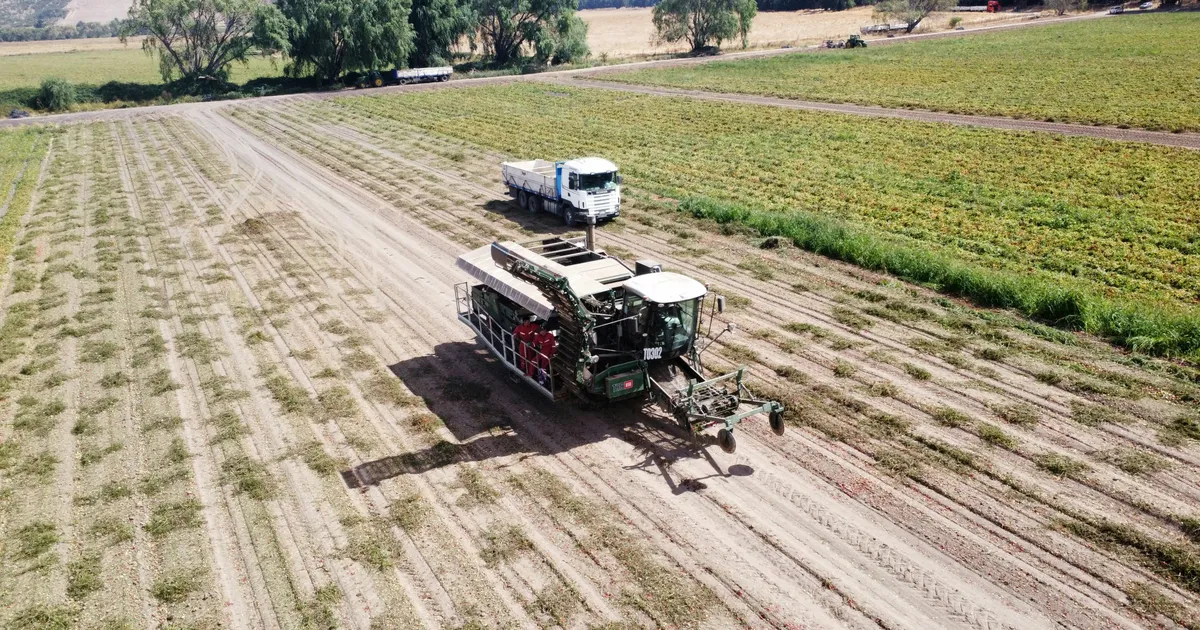

Precision farming for small landowners is rapidly transforming from a niche, high-tech aspiration into an accessible, practical reality. Often perceived as a domain exclusively for vast industrial farms, the principles and technologies of precision agriculture are now being effectively scaled down, offering significant advantages to smaller operations. This expert guide will delve into how small landowners can leverage data-driven insights and targeted interventions to optimize resource use, enhance productivity, and boost profitability, proving that sophisticated agricultural management is well within reach for farms of any size. By embracing these advancements, small-scale producers can cultivate more sustainably and efficiently, ensuring their viability and success in an evolving agricultural landscape.
Understanding Precision Farming for Small Holdings
Precision farming, at its core, involves observing, measuring, and responding to inter and intra-field variability in crops. For small landowners, this means moving away from uniform, blanket applications of inputs like water, fertilizer, and pesticides, and instead applying them exactly where and when they are needed. This approach is not about simply adding technology, but about gaining a deeper understanding of your specific land and crop needs. It empowers farmers to make informed decisions based on real-time data and historical trends, leading to more efficient resource allocation and reduced waste across their often diverse and unique plots.
The misconception that precision agriculture is solely for large-scale operations often deters small farmers. However, the foundational concepts – such as understanding soil variability or monitoring crop health at a granular level – are even more critical for smaller plots where every square foot counts. Implementing these strategies allows small landowners to maximize the potential of their limited acreage, ensuring higher yields, better crop quality, and a more sustainable farming practice. It’s about working smarter, not necessarily harder, by using data to guide every cultivation decision.
Core Technologies Accessible to Small Farms
The suite of technologies driving precision farming has become increasingly modular and affordable, making it highly accessible for small landowners. Global Positioning System (GPS) technology, once costly, is now ubiquitous, enabling accurate field mapping and navigation for tractors or even hand-operated equipment. Soil sensors, ranging from basic pH and moisture meters to more advanced nutrient analysis tools, provide invaluable real-time data directly from the field. These sensors can be deployed strategically across different zones of a small farm to identify specific needs, preventing overor under-application of critical inputs.
Drones equipped with multispectral cameras offer an economical way to monitor crop health and identify problem areas before they become widespread. Instead of walking every row, a small landowner can quickly survey their entire property, identifying variations in plant vigor, water stress, or pest infestations. This allows for targeted interventions, saving time, labor, and costly inputs. Furthermore, variable rate technology (VRT) attachments for existing spreaders or sprayers, often controlled by simple tablet applications, enable precise application of fertilizers or pesticides based on prescription maps generated from sensor or drone data. Many open-source platforms and cloud-based services are emerging, further reducing the entry barrier for data analysis and management in 2026.
Benefits Beyond Just Yields
While increased yields are a significant outcome, the advantages of precision farming for small landowners extend far beyond just productivity. Resource efficiency is paramount; by applying water, nutrients, and pesticides only where needed, farmers drastically reduce consumption, leading to substantial cost savings on inputs. This targeted approach also minimizes environmental impact by reducing nutrient runoff and pesticide drift, contributing to healthier ecosystems and more sustainable farming practices that align with growing consumer demand for eco-friendly produce.
Moreover, precision agriculture enhances overall farm profitability through improved crop quality and reduced waste. By optimizing growing conditions, crops are healthier and more uniform, fetching better prices in the market. The ability to identify and address issues early prevents crop loss, further safeguarding income. For instance, precise irrigation can prevent water stress that impacts fruit size or texture, while targeted nutrient application ensures optimal plant development. These cumulative benefits make small farms more resilient and competitive, securing their future in a fluctuating agricultural economy.
Overcoming Perceived Barriers
Many small landowners perceive precision farming as prohibitively expensive or overly complex, creating significant barriers to adoption. However, initial investments can be phased and strategically targeted. Instead of a complete overhaul, farmers can start with basic, impactful technologies like advanced soil testing, GPS-enabled mapping, or a simple drone for field scouting. The return on investment for these initial steps often quickly justifies further incremental upgrades, especially when considering reduced input costs and improved yields.
Technical expertise is another common concern. Fortunately, a growing ecosystem of support exists, including agricultural extension services, online tutorials, and farmer cooperatives that share knowledge and resources. Software interfaces are becoming increasingly user-friendly, often designed with intuitive mobile applications that require minimal technical proficiency. Furthermore, many equipment manufacturers and service providers now offer comprehensive training and ongoing support, ensuring that small landowners can confidently integrate and manage these technologies effectively without needing to become IT experts. For instance, the USDA Natural Resources Conservation Service offers programs and information that can assist small farms in adopting new practices.
Implementing Precision Farming: A Phased Approach
Adopting precision farming for small landowners doesn’t require an all-at-once, costly investment. A strategic, phased approach allows farmers to gradually integrate technologies, learn at their own pace, and see tangible results before committing to further steps. This method minimizes risk and ensures that each new technology genuinely addresses a specific farm need, building confidence and expertise over time. Starting small and scaling up is key to successful, sustainable implementation.
Begin by identifying the most pressing challenges on your farm—be it water scarcity, nutrient deficiencies, or pest management. Then, select a precision farming tool that directly addresses that specific issue, such as detailed soil mapping to inform fertilizer application, or localized weather stations to optimize irrigation schedules. This focused approach ensures that the investment yields immediate, measurable benefits, making the transition both practical and financially sound for any small landowner looking to enhance their operations in 2026.
Phased Implementation Steps
- Step 1: Baseline Data Collection: Start with comprehensive soil testing across different zones of your farm. Combine this with manual observations and historical yield data.
- Step 2: Basic Mapping and GPS: Utilize affordable GPS devices (even smartphone apps) for accurate field boundaries and basic mapping. This helps in understanding spatial variability.
- Step 3: Targeted Scouting and Monitoring: Employ drones or handheld sensors to identify specific problem areas related to crop health, water stress, or pest outbreaks.
- Step 4: Variable Rate Application (VRA): Invest in simple VRA attachments for existing equipment to apply inputs like fertilizer or water precisely, based on data from steps 1-3.
- Step 5: Data Integration and Analysis: As you collect more data, explore user-friendly farm management software to integrate and analyze information, informing future decisions.
- Step 6: Expand and Automate: Once comfortable, consider expanding to more automated systems, advanced sensors, or integrating data from multiple sources for holistic management.
Future Outlook and Support in 2026
The trajectory for precision farming for small landowners is one of increasing integration and accessibility. Innovations in artificial intelligence and machine learning are making data analysis even more intuitive, providing actionable insights without requiring extensive statistical knowledge. Miniaturization of sensors and the proliferation of low-cost, high-precision GPS units will continue to drive down equipment costs. Expect to see more community-supported agriculture (CSA) models incorporating shared precision farming tools, allowing small farms to access advanced technology without individual capital outlay.
Government programs and non-profit organizations are also increasingly recognizing the value of precision farming for bolstering food security and environmental sustainability. Grant opportunities, educational workshops, and subsidized technology access are becoming more prevalent, specifically targeting small and mid-sized farms. This supportive ecosystem, combined with continuous technological advancements, positions 2026 as a pivotal year for small landowners to confidently adopt and benefit from precision agriculture, ensuring their resilience and prosperity in a dynamic agricultural future. Farmers can often find valuable resources and local support through university extension programs, such as those offered by Penn State Extension.
Key Takeaways
- Precision farming is highly beneficial and accessible for small landowners, not just large operations.
- Affordable technologies like GPS, sensors, and drones enable data-driven farm management.
- Benefits include significant cost savings, resource efficiency, improved crop quality, and environmental sustainability.
- Perceived barriers like cost and complexity can be overcome through phased implementation and available support.
- A strategic, step-by-step approach allows small farms to gradually integrate precision tools and realize immediate returns.
- The future promises even greater accessibility and support, making 2026 an opportune time for adoption.
Frequently Asked Questions
Is precision farming too expensive for small farms?
No, precision farming is increasingly affordable for small farms. While some high-end systems are costly, many fundamental tools like advanced soil tests, basic GPS mapping, and consumer-grade drones are budget-friendly. A phased adoption strategy allows small landowners to invest incrementally, starting with technologies that offer the quickest return on investment by reducing input costs or improving yields.
What’s the easiest way for a small landowner to start?
The easiest way to start is by focusing on data collection, specifically through comprehensive soil testing. Understanding your soil’s variability in pH, nutrients, and organic matter is foundational. Coupled with basic GPS for field mapping, this initial data provides actionable insights that can immediately guide more efficient fertilizer application or irrigation, without requiring significant technological investment.
Do I need advanced tech skills to use precision farming?
Not necessarily. While some precision farming tools involve technology, many modern systems are designed with user-friendly interfaces, often accessible via smartphone or tablet apps. Agricultural extension services, equipment dealers, and online resources provide extensive training and support, making it possible for small landowners to learn and apply these technologies effectively without needing specialized IT expertise.
How does precision farming improve sustainability?
Precision farming significantly enhances sustainability by optimizing resource use. Targeted application of water, fertilizers, and pesticides reduces overall consumption, minimizes waste, and lowers the environmental impact of runoff and chemical exposure. This leads to healthier soil, reduced pollution, and a smaller carbon footprint, promoting long-term ecological balance and farm viability.
Can precision farming be applied to diverse crops?
Yes, precision farming principles are highly adaptable to diverse crops and farming systems, including row crops, specialty crops, orchards, and even livestock operations. The core concept of understanding and responding to variability applies universally. While specific technologies might differ (e.g., drone imagery for row crops vs. individual tree sensors for orchards), the underlying data-driven decision-making remains consistent and beneficial across various agricultural enterprises.
Conclusion
The era of precision farming for small landowners has truly arrived, offering unprecedented opportunities for efficiency, sustainability, and profitability. By dispelling myths and embracing a strategic, phased approach, small-scale producers can leverage accessible technologies to gain profound insights into their land and crops. This data-driven transformation not only optimizes resource use and reduces environmental impact but also enhances overall farm resilience and competitiveness. As technology continues to evolve and support networks grow, the future for small landowners adopting precision agriculture in 2026 and beyond looks exceptionally promising, empowering them to thrive in a dynamic global market.