

Years ago, I found myself drowning in a sea of digital notifications, each promising to make me more productive, yet paradoxically leaving me feeling overwhelmed and less focused. My phone buzzed with reminders, my laptop flashed with calendar alerts, and my inbox swelled with automated task suggestions. It was a chaotic symphony of digital noise that ultimately hindered, rather than helped, my ability to get things done. That’s when I rediscovered the profound simplicity and clarity of a truly beginner-friendly guide to organizing tasks without apps. It was a revelation: stepping away from the screen and embracing tangible tools not only calmed my nervous system but also unlocked a level of efficiency I hadn’t experienced in years. This isn’t about rejecting technology entirely, but rather about creating a mindful, effective system that puts you back in control, even in 2026.
Embrace the Humble Notebook and Pen
There’s an undeniable magic in putting pen to paper. It’s a tactile experience that engages different parts of your brain compared to typing, fostering better memory retention and deeper processing. Start with a dedicated notebook, perhaps a simple spiral-bound one or a more elegant journal, purely for your tasks. This isn’t just about jotting things down; it’s about creating a personal command center that’s always accessible and never runs out of battery. The physical act of writing helps solidify intentions, making your commitments feel more real and less fleeting than a digital entry that can be easily dismissed.
To begin, dedicate the first few pages to a master list of everything you need to do, big or small. Don’t censor yourself; simply brain-dump every single obligation, idea, and chore swirling in your head. This process alone can be incredibly liberating, as it moves mental clutter from your mind onto a tangible page. Once everything is down, you can then start to categorize or prioritize. A simple method is to use bullet points for tasks, adding a small box next to each one to be satisfyingly checked off upon completion. This manual system offers a clear, uncluttered view of your responsibilities without any digital distractions vying for your attention.
The Power of Physical Boards and Sticky Notes
For those who thrive on visual cues, a physical whiteboard or corkboard can be an absolute game-changer. Imagine a large, blank canvas where you can literally see your entire workflow unfold. Unlike a tiny screen, a board offers an expansive, always-on display of your projects, deadlines, and priorities. You can use different colored markers to denote urgency or category, making it easy to grasp your overall workload at a glance. It’s an intuitive system that doesn’t require learning new software or navigating complex interfaces; you simply write, erase, and rearrange.
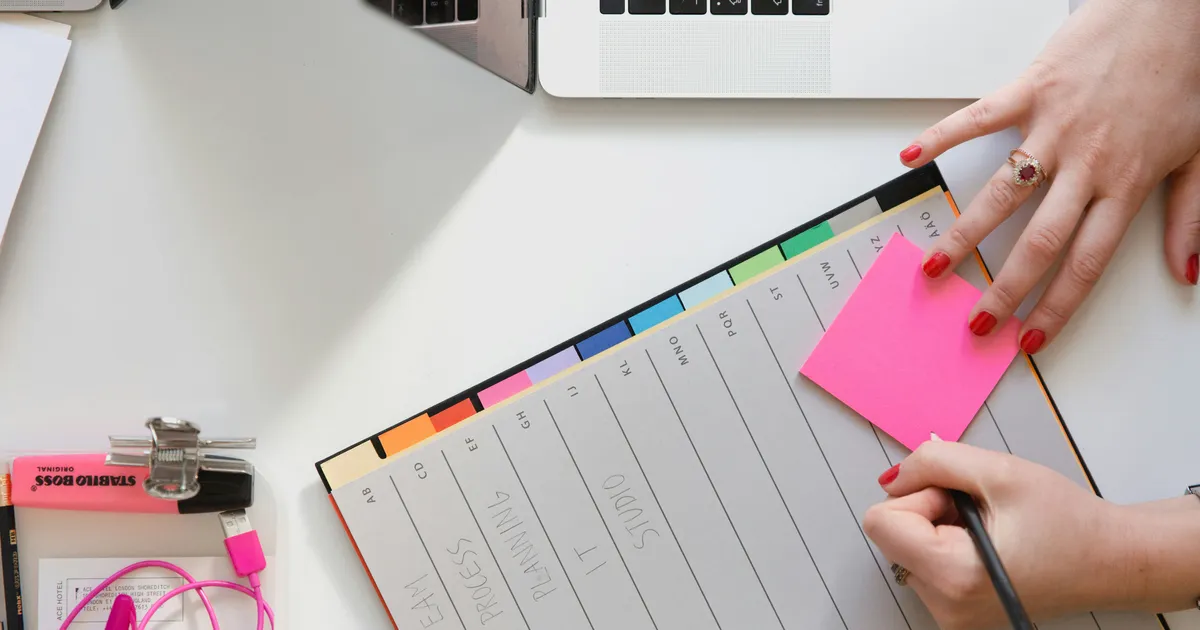
Sticky notes, in particular, are unsung heroes of analog organization. Their inherent flexibility allows you to easily move tasks between different stages of a project, creating a dynamic visual representation of progress. You can dedicate sections of your board to “To Do,” “In Progress,” and “Done,” moving sticky notes across as you complete tasks. This physical movement provides a satisfying sense of accomplishment and keeps your momentum going. For anyone seeking a beginner-friendly guide to organizing tasks without apps, embracing these simple, tangible tools offers an immediate, impactful way to bring order to chaos, fostering a sense of clarity and control.
Time Blocking and Prioritization on Paper
Effective task management isn’t just about listing what needs doing; it’s about strategically allocating your time. Time blocking, a technique where you schedule specific blocks of time for specific tasks, becomes remarkably potent when done on paper. Grab a daily planner or simply draw out a rough schedule for your day, marking off hours and assigning tasks to them. This visual commitment helps you understand where your time truly goes and prevents the dreaded feeling of tasks spilling over into every available minute. It forces you to be realistic about what you can accomplish in a given day.
Prioritizing effectively is the cornerstone of productivity, and several analog methods can simplify this. One classic approach involves categorizing tasks by urgency and importance. You can draw a simple 2×2 matrix on a piece of paper, labeling axes “Urgent” and “Important.” Place your tasks into the corresponding quadrants: Do First, Schedule, Delegate, or Eliminate. This visual sorting helps you focus on what truly matters, ensuring that high-impact tasks are addressed before less critical ones. Even in the fast-paced environment of 2026, this straightforward method remains incredibly effective for maintaining focus.
The Eisenhower Matrix on Paper
The Eisenhower Matrix, a powerful prioritization tool, is perfectly suited for a paper-based system. Simply draw a large cross on a page, dividing it into four quadrants. Label the top-left “Urgent & Important” (Do First), top-right “Not Urgent & Important” (Schedule), bottom-left “Urgent & Not Important” (Delegate), and bottom-right “Not Urgent & Not Important” (Eliminate). As you list your tasks, decide which quadrant each belongs in. This immediate visual categorization cuts through indecision, guiding your actions with clarity. It’s a robust method for managing complex workloads without ever needing to open an application.
The Art of Decluttering Your Mental Load
Our minds are constantly processing information, juggling responsibilities, and remembering countless small details. This mental load, often invisible, can be a significant source of stress and overwhelm. One of the most underrated benefits of organizing tasks without apps is its direct impact on reducing this cognitive burden. By externalizing your thoughts and commitments onto paper or a physical board, you free up mental RAM. Your brain no longer has to constantly hold onto every single item, allowing for greater clarity, creativity, and a general sense of calm. This practice is akin to giving your mind a much-needed spring clean.
Beyond simply listing tasks, consider using your analog system to capture ideas, brainstorm solutions, or even journal about challenges. A dedicated “idea dump” section in your notebook allows you to capture fleeting thoughts before they disappear, without interrupting your current focus. Regularly reviewing and consolidating these notes prevents information overload and ensures that valuable insights aren’t lost. This holistic approach to mental organization, championed by advocates like David Allen for his “Getting Things Done” methodology, fosters a deeply personal and reflective relationship with your work, promoting a more mindful and less reactive way of living. For further reading, exploring the GTD principles can be highly beneficial.
Consistency is Your Analog Superpower
The most sophisticated app in the world is useless without consistent engagement, and the same holds true for analog systems. The real power of a beginner-friendly guide to organizing tasks without apps lies in the daily ritual you establish around it. Make it a habit to review your notebook or board first thing in the morning, updating it as new tasks arise, and checking off completed items throughout the day. This consistent interaction reinforces your commitment and keeps your system alive and relevant. It’s a small investment of time that yields significant returns in focus and peace of mind.
Don’t be afraid to experiment and personalize your analog system. There’s no single “right” way to organize; what matters is finding a method that resonates with your personal style and workflow. Perhaps you prefer color-coding, or maybe you enjoy drawing little icons next to your tasks. The beauty of analog is its flexibility and adaptability. Stick with what works, refine what doesn’t, and remember that consistency is the bedrock of any successful organizational strategy. Embracing these methods in 2026 offers a refreshing counterpoint to digital fatigue, allowing you to reclaim your attention and productivity.
Key Takeaways
- Embrace Tangible Tools: Utilizing notebooks, pens, whiteboards, and sticky notes engages different cognitive processes, often leading to better memory retention and a more focused approach to tasks compared to digital tools.
- Reduce Mental Clutter: Physically writing down tasks and ideas offloads them from your mind, freeing up cognitive resources and significantly reducing mental stress and overwhelm, promoting clarity and creativity.
- Visualize Your Workflow: Physical boards and sticky notes provide an expansive, always-on visual representation of your tasks and projects, making it easy to track progress and priorities at a glance without digital distractions.
- Cultivate Consistency: The effectiveness of any organizational system, especially an analog one, hinges on consistent daily engagement. Regular review, updating, and interaction with your chosen tools build powerful habits that enhance productivity and control.
Frequently Asked Questions
Is organizing without apps truly efficient in a digital world?
Absolutely. While digital tools offer convenience, they often come with inherent distractions. Analog methods force deeper engagement, improve memory, and provide a distraction-free environment for planning and execution. Many find they are more efficient because they aren’t constantly switching contexts or battling notification fatigue, leading to higher quality work and greater focus.
What if my handwriting isn’t very good?
Your handwriting quality is entirely irrelevant to the effectiveness of analog task organization. The purpose is clarity for yourself, not calligraphic perfection. Focus on legibility and consistency in your own personal style. The act of writing itself, regardless of aesthetic, is what provides the cognitive benefits and helps solidify your intentions.
How do I manage tasks that require digital interaction, like emails?
Analog organization doesn’t mean abandoning digital tools entirely. It means creating a clear boundary. You might use your analog system to schedule dedicated “email checking” or “digital admin” blocks. Your physical list tells you when to engage digitally, preventing you from getting sucked into an endless scroll. Think of your analog system as the master planner that directs your digital interactions.
Won’t I lose my notes or forget my notebook?
This is a common concern! Just as you might misplace a phone, a notebook can be misplaced. However, the physical presence often makes it harder to overlook. Designate a specific “home” for your notebook – perhaps your desk, a specific bag pocket, or next to your coffee mug. The habit of always returning it to its spot, much like keys or a wallet, becomes part of your routine, significantly reducing the chance of misplacement.
Conclusion
In a world increasingly tethered to screens, rediscovering the simplicity and profound effectiveness of a beginner-friendly guide to organizing tasks without apps can be a powerful act of self-reclamation. It’s about intentionality, focus, and reconnecting with a tangible reality that digital interfaces often obscure. By embracing notebooks, whiteboards, and the sheer power of pen and paper, you’re not just organizing tasks; you’re cultivating a calmer mind, a clearer vision, and a more productive, fulfilling life. This analog renaissance offers a timeless pathway to genuine productivity, proving that sometimes, the oldest tools are indeed the most effective, even in 2026.