
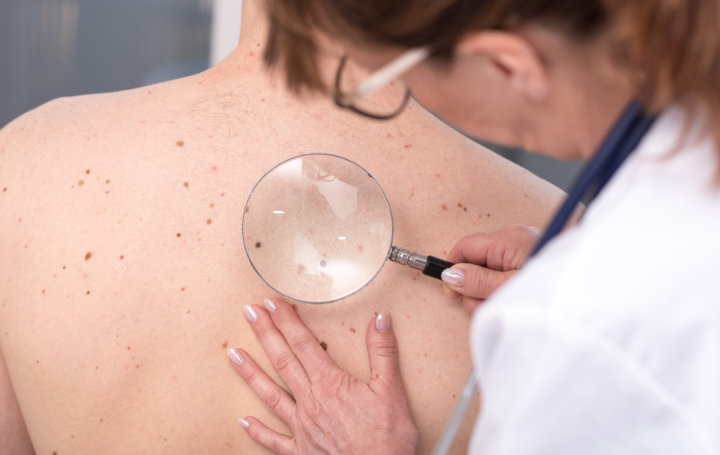

Skin cancer is one of the most common types of cancer. It is also one of the deadliest. According to America’s National Cancer Institute, more than one million people in the United States developed skin cancer last year. If found and treated early, skin cancer is one of the easiest cancers to cure. However, if left untreated, it can lead to changes in a person’s physical appearance and even death.
Skin cancer can affect anyone at any age. Former presidents Ronald Reagan, Bill Clinton and George W. Bush all received treatment for skin cancer or precancerous lesions. Elizabeth Taylor, Cybill Shepherd and Melanie Griffith were also treated by doctors for skin cancer or early signs of it. All three performers survived.
Not everyone is so lucky. For example, musician Bob Marley died in 1981 after melanoma spread throughout his body. Melanoma is the most severe form of skin cancer.
The main cause of skin cancer is ultraviolet radiation from the sun. The light and heat from the sun can alter the chemicals in the skin. Ultraviolet rays, also known as UV rays, cause sunburn. Over time, cancer could develop.
Anyone can get skin cancer. Those with light-coloured skin, hair or eyes are at the greatest risk. Having had sunburn early in life also increases the risk. So does a family history of skin cancer.
Tanning beds can produce high levels of UV radiation. Many Americans believe that they look better when their skin is a darker colour. They spend time in tanning beds in the hope of making their skin darker.
The two most common forms of skin cancer are basal cell carcinoma and squamous cell carcinoma. These can develop as flat, discoloured areas of skin or as raised growths with a rough surface.
Melanoma is far more dangerous. It can appear in areas of skin that do not get much sun. Malignant melanoma begins in cells that produce the brown pigment melanin. It usually first grows in a mole, which is a small, dark area of skin. Melanoma often looks like an unusual-shaped dark area. It can be flat or raised. Other warning signs include changes in skin colour and uneven borders around a mole.
Most people with melanoma are white men over the age of fifty. Without early treatment, this type of cancer can spread quickly. Every year, more than 68,000 people in the United States are diagnosed with melanoma. The National Cancer Institute estimates that 8,650 Americans died from melanoma last year.
The sooner skin cancer is found, the easier it is to treat. This is why doctors advise people to examine all areas of their skin monthly, from the top of their head to the bottom of their feet.
It is important to be aware of the early warning signs so that cancerous growths can be identified before they spread. These signs include a skin growth that changes in size, colour, thickness, or texture. Examinations by a trained medical professional are also important. See a doctor if a mole bleeds, is bigger than six millimetres, or if you feel the need to rub it. If you notice any of these warning signs, you should see a doctor immediately.
Knowing what your skin normally looks like will help you to recognise any changes. Some experts suggest taking pictures of moles and dating them to compare over time.
The treatment for skin cancer depends on the type, size, position on the body and depth of the growth or tumour. Other considerations include the patient’s age and general health. Surgery to remove the cancerous cells can cure melanoma if the cancer has not spread.
Doctors use drugs to treat melanoma once it has spread. They may also use radiation therapy to kill cancer cells and reduce the size of tumours. They may also use treatments such as gene therapy, or remove affected fingers or toes. They may also use immunotherapy to stimulate the body’s immune system to fight the cancer.
Last month, researchers reported that an experimental drug improved survival rates among melanoma patients in a clinical trial. The drug, ipilimumab, works by helping the body’s natural defences fight cancer. Patients receiving the drug lived for an average of ten months, compared to six months for those not receiving it. Drug manufacturer Bristol-Myers Squibb hopes to obtain approval to sell ipilimumab by the end of the year.
The Centers for Disease Control and Prevention in the US say that protection from the sun is important all year round, not just in summer. It states that ultraviolet radiation from the sun can affect you on cloudy days as well as on bright and sunny ones. In the United States, the period between ten in the morning and four in the afternoon is the most dangerous for UV rays during the summer.
CDC officials say UV rays can damage your skin in as little as fifteen minutes. Sunglasses, hats and clothing can provide some protection. Experts say that the denser the material, the less radiation will reach the skin. Darker colours may also offer more protection, and natural cotton blocks more radiation than bleached or whitened cotton. However, when clothing is wet or stretched, it lets more UV rays pass through.
It is therefore advisable to wear UV-blocking sunglasses and apply sunscreen. C.D.C. officials recommend applying sunscreen before leaving home, even on cloudy or cool days. Apply a generous amount of sunscreen to all areas of skin that will be exposed to the sun. Babies over six months old can wear sunscreen. Newborn babies should be kept out of the sun.
Doctors also recommend avoiding tanning salons and UV tanning beds in order to prevent skin cancer. In the United States alone, nearly thirty million people use indoor tanning beds each year. Of these, more than two million are young adults aged thirteen to eighteen. According to the Skin Cancer Foundation, using tanning beds at a young age increases a person’s risk of developing melanoma by seventy-five percent.
Nevertheless, a study conducted earlier this year revealed that the majority of Americans find darker skin appealing and believe it gives a healthy look. The study involved more than seven thousand American men and women. Eighty percent of those questioned said they were concerned about skin cancer and believed it was important to protect themselves. However, at the same time, 72% believed that people look better when their skin is tanned. Furthermore, around sixty percent mistakenly believed that the sun was generally good for health.
Another study involved over four hundred college women who used tanning beds. These women were more likely to reduce their tanning due to a fear of premature ageing and wrinkles than a fear of skin cancer. They read information warning about skin cancer and the dangers of wrinkles. Later, they recorded their tanning activity and feelings. Based on these results, researchers advised doctors and parents to focus on the risk of wrinkles as a more effective way to prevent tanning bed use.
Another report suggests that driving on the left increases the risk of developing skin cancer on the left side of the body. Scott Fosko is the chairman of dermatology at Saint Louis University Medical School. He recently led a study of almost 900 skin cancer patients. He found that more than half of them had skin cancer on the left side of their face or body. The percentage of men with skin cancer on their left side was even higher.
Dr Fosko says this could be due to differences between men and women. So, could driving with the windows up protect your skin? Experts at the American Academy of Dermatology say no. They say that modern car windshields block two types of ultraviolet radiation. However, side windows generally only block one type from reaching the driver and passengers. Dr Fosko therefore suggests either darkening the windows or using sunscreen and protective clothing while driving.
So, can you still enjoy sunny days without risking skin cancer? The answer is yes. However, you must first take the necessary steps to protect yourself and your family from the sun’s dangers.