
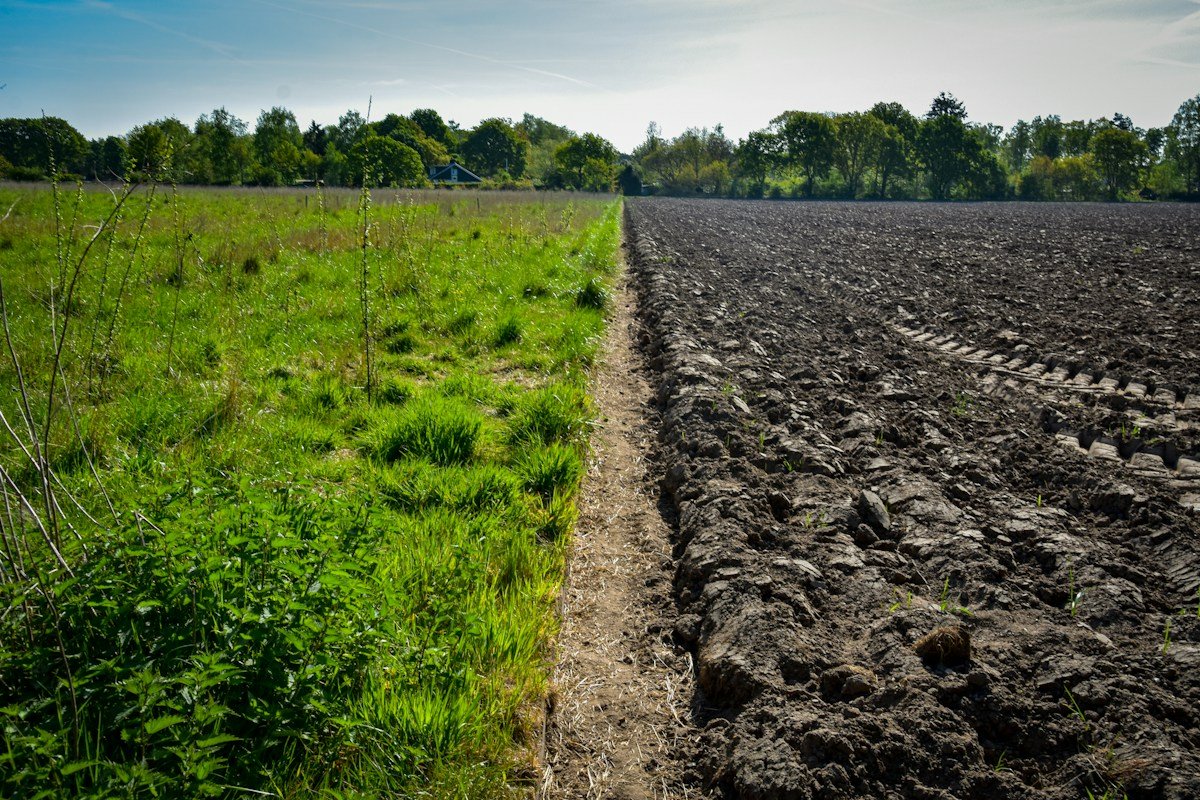

Modern global agricultural production currently stands at a critical structural crossroad. Decades of heavy chemical fertilizer dependency, intensive mechanical tillage, and monocultural cropping patterns have systematically depleted the biological vitality of topsoils worldwide. Farmland that once sustained dense ecosystems of mycorrhizal fungi, nitrogen fixing bacteria, and complex soil food webs has progressively deteriorated into lifeless biological substrates requiring exponential synthetic inputs to maintain marginal yields. Addressing this systemic degradation demands a comprehensive transition from extractive mechanical agriculture toward biological regenerative stewardship designed to rebuild soil aggregate structure, enhance hydrological holding capacity, and stimulate permanent biological carbon sequestration.
Regenerative agriculture represents an ecological framework founded upon the fundamental laws of living soil chemistry and microbiology. Rather than viewing topsoil as an inert physical medium that merely anchors root systems while artificial water soluble salts feed plant foliage, regenerative systems treat the rhizosphere as a dynamic bio chemical reactor. In this living matrix, plant roots exchange photosynthetically derived carbon exudates for essential macro and micro nutrients liberated by diverse bacterial and fungal consortia. By restoring these innate biological symbioses, land managers can systematically rehabilitate severely compacted, eroded, and chemically exhausted parcels of farmland into highly resilient, economically productive agroecological assets.
Transitioning depleted soil acreage requires disciplined agronomic execution grounded in empirical biological indicators rather than speculative interventions. Agronomists and land stewards must understand the cascading relationships connecting soil organic matter fractions, microbial biomass diversity, aggregate pore architecture, and plant immune resilience. This comprehensive manual details the mechanistic foundations of regenerative soil restoration, examining the metabolic pathways of carbon drawdown, mycorrhizal network colonization, multi species root architecture design, and adaptive biological grazing integration to deliver a permanent agronomic roadmap for commercial agricultural operators.
Ecological Principles of Soil Degradation and Biological Reclamation
The physical and biochemical degradation of arable soils follows a predictable trajectory initiated by mechanical disruption. When heavy tillage implements invert and shatter the upper thirty centimeters of the soil profile, they catastrophically rupture fungal hyphal networks and expose previously protected organic carbon compounds to rapid atmospheric oxidation. Heterotrophic soil bacteria rapidly metabolize these exposed labile carbon compounds, releasing carbon dioxide into the atmosphere while exhausting the primary energy reserves required to maintain micro aggregate stability. The loss of organic binding glues, particularly microbial polysaccharides and fungal glomalin, causes fragile soil aggregates to disintegrate into loose mineral particles of sand, silt, and clay.
Without stable aggregate structures, degraded soils suffer from catastrophic bulk density escalation and surface crusting. Rainfall events cannot infiltrate the collapsed pore spaces, leading to massive surface runoff, sheet erosion, and sheet wash sedimentation into regional waterways. Simultaneously, the destruction of capillary pore networks prevents subsoil moisture storage, leaving cash crops intensely vulnerable to short duration dry spells and heat stress. Reversing this degradation requires the immediate cessation of catastrophic tillage practices and the deliberate deployment of continuous living root systems capable of exuding liquid biological carbon directly into the subsoil rhizosphere to reinitiate biological aggregation.
Biological reclamation operates through ecological succession principles. As pioneer annual plants establish ground cover, their living roots begin colonizing compacted mineral layers, exuding simple organic acids that dissolve insoluble calcium phosphate, potassium feldspar, and trace micronutrients. These pioneer exudates stimulate dormant bacterial populations, which in turn attract predatory nematodes and protozoa. The predatory excretion of plant available ammonium and nitrate kickstarts the biological nutrient cycle, progressively increasing the carrying capacity of the soil ecosystem until higher order perennial grasses, taproot forbs, and complex mycorrhizal networks achieve permanent ecological dominance.
Furthermore, ecological succession in soil biology dictates that as fungal populations expand, soil enzymatic dynamics undergo a profound transformation. Enzymatic assays of recovering soils reveal marked increases in phosphatase, beta-glucosidase, and urease activities, signaling that mineral cycling is transitioning from synthetic dependency toward endogenous enzymatic mineralization. This shift allows producers to drastically scale back artificial interventions while witnessing exponential recoveries in soil biological respiration and baseline fertility indicators.
Rhizosphere Chemistry and Liquid Carbon Pathway Mechanics
The liquid carbon pathway represents the primary biochemical mechanism through which atmospheric carbon dioxide is transformed into stable, long term soil organic carbon. During active photosynthesis, green plants capture photons within their chloroplasts, combining atmospheric carbon dioxide with water to synthesize simple triose phosphate sugars. While a substantial portion of these photosynthates is allocated toward vegetative elongation, cell wall lignification, and reproductive seed formation, healthy plants direct up to forty percent of their daily carbon budget underground through their root vascular systems as diverse rhizosphere exudates.
These root exudates comprise an intricate biochemical cocktail of amino acids, organic phenolics, low molecular weight carbohydrates, mucilage, and secondary signaling metabolites. Far from being passive leakage, this exudation represents a targeted commercial exchange between the plant and surrounding microbial colonies. When a plant experiences a deficiency in orthophosphate ions, for example, it alters the chemical composition of its root exudates to release specific organic carboxylates such as citrate, malate, and oxalate. These organic anions successfully chelate iron, aluminum, and calcium cations that tightly bind phosphorus, liberating soluble orthophosphate that is immediately absorbed by plant root hairs.
Furthermore, liquid carbon exudates serve as the mandatory energetic substrate for free living and associative nitrogen fixing bacteria, including Azotobacter, Azospirillum, and Gluconacetobacter species. These specialized microbes utilize the plant provided carbohydrates to fuel the energy intensive enzyme nitrogenase, which breaks the strong triple bond of atmospheric nitrogen gas and converts it into bioavailable ammonium. By fostering a robust liquid carbon pathway through continuous living cover, agricultural producers dramatically reduce their reliance on expensive, fossil fuel derived synthetic urea and anhydrous ammonia, thereby shielding the rhizosphere from chemical acidification and osmotic shock.
In addition to primary metabolic exchange, root exudates act as biological communications arrays. Signaling flavonoids, strigolactones, and quorum sensing inhibitors orchestrate microbial colonization patterns along elongation zones, ensuring that symbiotic mutualists dominate the rhizoplane while phytopathogenic invaders are physically outcompeted and chemically repressed before encountering cortical root cell walls.
Mycorrhizal Fungal Networks and Glomalin Soil Aggregate Stabilization
Arbuscular mycorrhizal fungi (AMF), belonging to the ancient phylum Glomeromycota, form obligate symbiotic partnerships with more than eighty percent of terrestrial vascular plant species. Unlike saprophytic fungi that decompose dead organic matter, arbuscular mycorrhizal fungi penetrate the cortical cells of living plant roots, establishing delicate, branched microscopic structures termed arbuscules. Across these intracellular arbuscular interfaces, the plant transfers hexose sugars and lipids to the fungus, while the fungal partner delivers water, phosphorus, zinc, copper, and systemic defense signals through an expansive underground web of microscopic extraradical hyphae.
The extraradical hyphal network of mycorrhizal fungi extends tens of meters beyond the physical depletion zone surrounding individual plant roots, penetrating sub-millimeter soil micropores entirely inaccessible to macroscopic root hairs. This vast fungal network increases the effective nutrient and water absorption surface area of the host plant by several hundred percent. Fungal hyphae actively transport water from deep, saturated soil micro-reservoirs during midday evaporative stress, imparting remarkable drought resilience to cash crops cultivated within biologically intact regenerative agroecosystems.
Beyond direct nutrient translocation, arbuscular mycorrhizal fungi play an unparalleled role in permanent soil carbon stabilization through the production of glomalin. Glomalin is an insoluble, hydrophobic glycoprotein produced abundantly within the cell walls of AMF hyphae and spores. As fungal hyphae grow, die, and slough off within the soil matrix, glomalin coats surrounding mineral particles, binding individual silt and clay grains into resilient macro-aggregates. This glycoprotein is remarkably recalcitrant to microbial enzymatic breakdown, persisting within soil profiles for several decades and acting as the foundational structural mortar that gives healthy topsoil its porous, sponge-like crumb structure.
Quantifying glomalin related soil protein (GRSP) across long term regenerative trials consistently demonstrates an intimate correlation between fungal hyphal density and aggregate stability under intense rainfall simulator testing. Soils rich in glomalin resist water slaking, maintaining open capillary venting channels that facilitate essential subsoil gas exchange even during prolonged periods of heavy saturation.
Multi-Species Cover Crop Architecture and Functional Diversity Design
Monocultural cover cropping, such as planting a single stand of cereal rye or crimson clover, provides basic physical erosion control but fails to recreate the ecological complexity necessary to rapidly rehabilitate degraded soils. High diversity cover crop cocktails, comprising ten to twenty compatible species drawn from four functional plant families (cool season grasses, warm season grasses, brassicas, and legumes), trigger dramatic synergistic enhancements in microbial diversity, biological biomass production, and nutrient stratification throughout the vertical soil profile.
The intentional pairing of complementary root architectures is fundamental to functional cocktail design. Fibrous rooted grasses, such as cereal rye, Sorghum-sudangrass, and pearl millet, produce dense, branching networks of fine root hairs that physically interlock the upper fifteen to twenty-five centimeters of the soil surface, maximizing surface carbon deposition and fungal hyphal binding. Concurrently, deep taproot brassicas and forbs, such as Daikon radish, sunflower, and forage chicory, drive vertical channels deep into dense subsoil hardpans, fracturing plow soles, extracting leached subsoil nutrients, and creating permanent biological macropores that enhance subsequent cash crop rooting depth.
Leguminous components within the polyculture, including hairy vetch, sunn hemp, berseem clover, and cowpeas, form nodules with specialized Rhizobium bacteria to fix atmospheric nitrogen. Crucially, the functional diversity of the cocktail regulates the carbon to nitrogen (C:N) ratio of the terminating residue. A balanced cocktail formulated to achieve a composite C:N ratio between 25:1 and 30:1 ensures that the terminated biomass decomposes at an optimal rate, providing persistent physical armor on the soil surface to suppress weed germination while releasing macro nutrients steadily to sustain the following commercial cash crop without causing biological nitrogen immobilization.
Field agronomists must also factor in allelopathic weed suppression dynamics when selecting functional varieties. Cereal rye exudes powerful benzoxazinoid compounds that biochemically suppress small-seeded dicotyledonous weed emergence, while brassica species release glucosinolate hydrolysis products, including isothiocyanates, that suppress soil-borne fungal pathogens such as Rhizoctonia and Fusarium, creating an optimized biological seedbed for subsequent commercial plantings.
Biochemical Pathways of Carbon Stabilization and Humic Fraction Mineralization
The historical paradigm of soil organic matter formation held that plant biomass decomposed through slow chemical humification into inert, high-molecular-weight humic and fulvic acids that persisted in the soil purely due to molecular complexity. Contemporary biogeochemical science has decisively dismantled this theory, demonstrating that the vast majority of stable soil organic carbon is of microbial necromass origin. Microorganisms assimilate plant carbon exudates and residues into their own living cellular structures; upon their death, their cell walls, cytoplasmic proteins, and peptidoglycan fragments bond chemically to the charged surfaces of mineral clay and silt particles.
This process forms mineral-associated organic matter (MAOM), which is physically shielded from enzymatic degradation within microscopic mineral pore matrices. MAOM carbon exhibits turnover times measured in centuries, whereas particulate organic matter (POM), consisting of uncomplexed structural plant fragments, turns over within months to years. Regenerative practices maximize MAOM accumulation by stimulating continuous microbial turnover through the liquid carbon pathway, ensuring that fresh carbon inputs are continuously processed through living microbial bodies rather than lost to the atmosphere through surface oxidation.
Understanding the balance between particulate organic matter and mineral-associated organic matter allows farm operators to optimize residue management. While POM provides the immediate biological fuel needed to drive in-season nutrient mineralization and earthworm feeding, MAOM provides the long-term cation exchange capacity (CEC), moisture holding capacity, and permanent carbon baseline that underpins durable farmland value and climate resilience.
Minimizing Mechanical Disturbance and Conservation Tillage Protocols
Mechanical disturbance remains the single most destructive vector impacting biological soil functionality in conventional crop farming. Every pass of a disk harrow, moldboard plow, or rotary tiller shatters macro-aggregates, truncates fungal hyphae, decimates earthworm channels, and accelerates the mineralization of stable humus fractions. Implementing conservation tillage or strict continuous no-till systems is therefore an absolute prerequisite for authentic soil rehabilitation. Without eliminating intense tillage, investments in biological inputs, inoculants, and cover crop seeds are routinely neutralized by physical destruction.
Transitioning to zero-tillage requires specialized equipment adaptations designed to deposit seed directly through heavy biological residues without causing furrow smearing or sidewall compaction. Modern no-till planters equipped with sharp, leading fluted coulters, heavy-duty down-pressure hydraulic cylinders, and aggressive spiked closing wheels allow operators to slice cleanly through high-biomass cover crops, deposit seeds at precise agronomic depths, and achieve complete seed to soil contact. Planters must be calibrated to ensure that the furrow is firmly closed without creating compressed crusts that impede fragile seedling emergence.
In organic regenerative systems where chemical herbicides are prohibited, mechanical roller-crimpers serve as the primary non-inversion termination technology. Heavy steel cylinders fitted with chevron patterned blunt blades roll across the mature cover crop stand at the physiological anthesis or flowering stage. The blunt blades crimp the vascular stem tissue of the plants without cutting them off at the soil surface, effectively killing the cover crop while pinning the intact stems flat against the ground in a uniform, weed-suppressing biological mulch blanket. This organic mulch shields the soil from solar UV degradation, moderates summer surface temperatures by up to fifteen degrees Celsius, and conserves valuable moisture.
Operational adjustments also extend to managing tractor weight distribution and tire inflation pressures. Implementing low-sidewall (LSW) radial tires operating at pressures under one bar prevents subsoil compaction layers beneath the furrow zone, ensuring that gravity-fed drainage and vertical root channels remain unobstructed throughout multi-year crop rotations.
Integrating Adaptive Multi-Paddock Livestock Grazing in Cropping Systems
Herbivore grazing played an indispensable evolutionary role in the formation of the world’s most fertile agricultural soils, including the deep Mollisols of the North American Great Plains and the Chernozems of the Eurasian steppes. Integrating ruminant livestock back into cropland through Adaptive Multi-Paddock (AMP) grazing accelerates nutrient cycling, stimulates compensatory plant root exudation, and rapidly elevates soil organic matter percentages at rates unachievable through plant-only systems.
AMP grazing relies on high stock density, short duration grazing events followed by extended rest periods that allow plant communities to fully recover their root energy reserves. Livestock are concentrated within temporary electric paddocks at densities exceeding 100,000 kilograms of live animal weight per hectare for twelve to twenty-four hours before being moved to fresh forage. Under this intense, short duration pulse, animals consume roughly one-third of the standing cover crop biomass, trample one-third to the soil surface as protective mulch, and leave the remaining one-third intact to fuel rapid solar photosynthesis and root regeneration.
The biological impact of animal impact extends far beyond mechanical vegetation knockdown. Ruminant saliva contains digestive enzymes and bioactive growth compounds that trigger immediate plant hormonal surges, inducing roots to release sudden flushes of liquid carbon exudates into the rhizosphere to rebuild above-ground foliage. Simultaneously, livestock deposit concentrated, biologically active dung and urine patches across the field. Ruminant manure serves as a rich biological inoculant teeming with beneficial anaerobic and facultative microbes, while urine provides concentrated, plant-available nitrogen, potassium, and urea that rapidly stimulate localized biological activity.
Managing the physiological recovery period of grazed forages is the vital core of AMP systems. Moving herds before they graze the basal regrowth prevents the catastrophic shedding of plant root systems. By maintaining vigorous root volume underground while repeatedly cycling forage biomass through ruminant digestive systems, producers achieve massive annual increases in both above-ground forage tonnage and subsoil biological carbon storage.
Biological Inoculation Protocols and On-Farm Vermicompost Bio-Extraction
Severely degraded soils frequently lack the foundational biological inoculum required to re-establish complex multi-trophic food webs. Inoculating fields with biologically diverse compost extracts provides a potent catalyst that accelerates ecological recovery. Unlike solid compost applications, which require massive transport volumes (ten to twenty tons per hectare) that are logistically and economically prohibitive on broadacre farms, liquid biological extracts allow operators to apply diverse microbial communities across hundreds of hectares using standard liquid furrow or foliar spray systems.
High-grade vermicompost produced through aerated earthworm bio-reactors serves as the ideal feedstock for biological extraction. Vermicompost contains extraordinarily high concentrations of beneficial nematodes, amoebae, flagellates, and fungal spores. To prepare an extract, vermicompost is suspended within an aerated extraction tank equipped with coarse bubble diffusers and specialized mesh filters. High-volume, non-shearing bubble agitation gently strips microbial biofilms from compost particulate surfaces without mechanically rupturing delicate fungal hyphae or flagellate membranes.
The resulting liquid extract is immediately transferred to planting equipment or sprayers operating at low hydraulic pressures (under 2.5 bar) and fitted with coarse spray nozzles to prevent mechanical cell damage. Injected directly into the seed furrow alongside biological carbon foods such as fulvic acid, liquid kelp, and blackstrap molasses, the extract colonizes the emerging rhizosphere, providing immediate enzymatic protection against seedling pathogens and dramatically enhancing early vegetative vigor.
Biological Pest Suppression and Arthropod Trophic Diversity
Chemical pesticide interventions in industrial monocultures establish an unsustainable treadmill of biological resistance, secondary pest outbreaks, and non-target beneficial insect destruction. Broad spectrum insecticides eliminate not only targeted phytophagous pests but also the predatory beetles, parasitic wasps, spiders, and lacewings that naturally regulate pest populations. Regenerative agricultural systems restore natural biological pest suppression by constructing structurally diverse habitats that maintain robust multi-trophic arthropod balance throughout the growing season.
Establishing permanent conservation biocontrol corridors, flowering insectary strips, and beetle banks along field borders provides continuous nectar, pollen, and overwintering refugia for predatory arthropods. Species such as Carabid ground beetles, hoverfly larvae, and parasitoid Braconid wasps migrate from these perennial bio-refugia directly into commercial cash crops, preying voraciously on crop damaging aphids, armyworms, and lepidopteran larvae. Research consistently demonstrates that diverse agroecosystems maintaining high predator to prey ratios rarely suffer catastrophic economic yield losses from insect predation.
Furthermore, crops cultivated within biologically active, regeneratively managed soils develop superior physiological and chemical defense mechanisms against pest attacks. When plants absorb their primary mineral nutrition through balanced mycorrhizal and bacterial symbiosis rather than excessive free nitrate surges, they synthesize complete, complex proteins and secondary protective metabolites such as terpenes, tannins, and glucosinolates. Pests lacking the specialized digestive enzymes required to metabolize complex proteins find these healthy tissues indigestible, naturally gravitating away from robust regenerative fields toward stressed, chemically fertilized monocultures.
This physiological resistance is quantified through sap Brix analysis using optical refractometers. Healthy regenerative crops consistently register sap Brix values exceeding twelve to fourteen degrees, indicating high concentrations of dissolved carbohydrates, complex amino acids, and essential trace minerals that reflect total plant metabolic integrity and complete immunity to piercing and sucking insects.
Soil Water Dynamics, Infiltration Hydraulics, and Drought Buffering
Water availability is the primary limiting factor governing global agricultural yields. In conventionally managed, degraded farm fields, soil hydrologic function is profoundly compromised. Low infiltration rates cause up to eighty percent of intense precipitation to exit fields via surface runoff, carrying topsoil particles away while leaving subsoils parched. Regenerative practices systematically reconstruct the soil hydrologic sponge, dramatically increasing both instant infiltration velocity and long term soil water holding capacity.
The physical mechanism of water infiltration depends entirely on continuous macro-pore channels constructed by burrowing earthworms, deep root systems, and well-aggregated mineral particles. Every one percent increase in soil organic matter (SOM) in the upper thirty centimeters of the soil profile enables that acre of farmland to store an additional 200,000 to 250,000 liters of plant available fresh water. This monumental expansion in moisture retention functions as an unshakeable biological buffer against prolonged climatic drought, allowing cash crops to maintain transpiration and cellular turgor weeks after adjacent conventional fields enter permanent wilting points.
Moreover, maintaining continuous surface residues through cover crop mulches virtually eliminates unproductive soil surface evaporation. In exposed bare fallow soils, intense solar radiation elevates surface temperatures above fifty degrees Celsius, causing rapid upward capillary water migration and vapor loss. By contrast, a thick vegetative mulch acts as a reflective insulating barrier, reducing evaporative water loss by sixty to eighty percent and preserving precious subsoil moisture directly within the active root zone where it fuels crop transpiration and photosynthetic carbohydrate manufacture.
Infiltration testing using double-ring infiltrometers reveals that while tilled ground often seals over after absorbing merely fifteen to twenty millimeters of moisture, established regenerative fields easily absorb in excess of one hundred and fifty millimeters per hour. This hydraulic capacity completely neutralizes localized flood hazards while recharging regional groundwater aquifers and perennial springs.
Empirical Soil Biological Testing and Bio-Indicator Monitoring Protocols
Navigating a successful commercial transition to regenerative agriculture requires quantitative monitoring protocols that evaluate biological health alongside traditional chemical fertility metrics. Standard agricultural soil tests, which utilize harsh chemical extractants (such as Mehlich-3 or Bray P-1) to measure total dissolved mineral ions, provide zero insight into microbial biomass, respiration rates, or biological nutrient cycling efficiency. Regenerative managers must incorporate biological testing methodologies to assess the real-time ecological health of their soils.
The Haney Soil Health Test provides a comprehensive assessment of soil biological potential by evaluating water extractable carbon (WEOC), water extractable nitrogen (WEON), and 24-hour microbial respiration through Solvita carbon dioxide release. By measuring the labile food sources physically available to soil microbes, the Haney test calculates a composite soil health score and generates highly refined fertilizer recommendations that account for biologically mineralizable nitrogen and phosphorus reserves, preventing unnecessary and costly over applications of synthetic chemicals.
Additionally, Phospholipid Fatty Acid (PLFA) analysis offers a precise phenotypic profile of the living microbial community within the soil. PLFA extraction identifies the specific cellular membrane lipids unique to distinct microbial functional groups, allowing laboratory agronomists to quantify the absolute biomass of total bacteria, actinomycetes, arbuscular mycorrhizal fungi, saprophytic fungi, and protozoa. Monitoring the fungal to bacterial (F:B) biomass ratio over multi-year cycles provides the definitive empirical indicator of soil regeneration, with improving farmland systematically progressing from bacterial dominated degradation (F:B < 0.1) toward balanced, fungal rich ecological maturity (F:B > 0.8).
Direct field microscopy adds another crucial layer of real-time diagnostic evaluation. Using shadow-band compound microscopes, operators can directly quantify active nematode species, distinguishing beneficial bacterial-feeding and fungal-feeding nematodes from destructive root-knot plant parasites, providing immediate verification that soil biological balancing protocols are functioning effectively.
Economic Transition Strategies and Capital Risk Mitigation
Despite the overwhelming ecological and long term financial benefits of regenerative agriculture, the multi-year transitional period presents genuine cash flow and operational risks that commercial producers must carefully navigate. During the initial three years of weaning cropland off synthetic nitrogen fertilizers and systemic fungicides, natural biological nutrient cycles are often not yet fully restored, which can lead to temporary yield fluctuations if synthetic inputs are terminated abruptly without adequate biological preparation.
A disciplined transition framework employs a phased reduction strategy rather than sudden cold turkey cessation. Farmers should begin by reducing synthetic nitrogen inputs by twenty percent per annum, substituting the eliminated chemical units with multi-species legume cover crops, biological seed treatments, and humic acid buffers that complex remaining nitrogen fertilizers and prevent environmental leaching. Simultaneously, synthetic phosphorus and potassium applications can often be reduced aggressively or eliminated entirely, provided that biological tests demonstrate adequate mycorrhizal colonization and substantial pools of non-extracted total mineral reserves.
Enterprise diversification further insulates operators from operational risk during the transition. Intercropping cash grain crops with clover companion covers, introducing custom livestock grazing agreements, and harvesting cover crop seed for local regional markets generate immediate secondary revenue streams. Over time, as input costs for diesel fuel, synthetic fertilizers, fungicides, and insecticides plunge by fifty to eighty percent, commercial farms achieve significantly higher net profit margins per hectare even under equivalent or slightly reduced gross volumetric yields.
Financial modeling consistently shows that the true economic strength of regenerative agriculture lies in risk reduction. By insulating farm balance sheets from geopolitical fertilizer spikes, lowering machinery depreciation through reduced engine run hours, and buffering crops against severe drought, regenerative operations maintain remarkable financial solvency during seasons when conventional input-intensive neighbors suffer catastrophic bankruptcies.
Technological Innovations in Regenerative Soil Management
Far from being an antiquarian return to primitive farming techniques, modern regenerative agriculture relies heavily on cutting-edge hardware, remote sensing technologies, and biological precision tools. Global Navigation Satellite Systems (GNSS) operating on real-time kinematic (RTK) corrections allow commercial tractors to execute controlled traffic farming (CTF), restricting all heavy wheel passes to permanent, repeatable tracks and leaving eighty to eighty-five percent of the arable field area completely untouched by vehicular compaction.
Unmanned aerial vehicles (UAVs) equipped with multispectral and hyperspectral sensors capture high-resolution Normalized Difference Vegetation Index (NDVI) and Red Edge metrics, enabling agronomists to detect localized nitrogen deficiencies, moisture stress, and cover crop biomass variations before visual symptoms emerge. These spatial data layers integrate directly with variable rate seeders and sprayers, allowing operators to spot-apply biological inoculants, compost extracts, or bio-stimulants with surgical field precision.
On farm biological brewing facilities represent another critical technological frontier. Innovative producers construct automated bio-reactors capable of extracting billions of diverse aerobic bacteria, protozoa, and fungal spores from high-grade thermophilic vermicompost into liquid humic solutions. Injected through in-furrow delivery systems at planting, these biological liquid amendments coat the seed with a protective microbiome shield, outcompeting pathogenic root rot organisms and instantly establishing mycorrhizal and rhizobial symbioses the moment root radicles emerge from the seed coat.
To establish clear operational benchmarks across different farming systems, agronomists utilize systematic comparative diagnostic matrices. Evaluating management strategies across multiple biological and physical vectors provides commercial farmers with an objective framework for prioritizing capital investments, equipment retrofits, and ecological interventions during their multi-year transition phases.
The following comparative matrix outlines the fundamental structural, biological, and economic divergences between conventional chemical-dependent agriculture, transitional systems, and fully realized biological regenerative agriculture.
Comparative Diagnostic Matrix of Agricultural Management Models
| Agronomic Parameter | Conventional Chemical System | Transitional Minimum Tillage | Full Regenerative Biological |
|---|---|---|---|
| Primary Soil Disturbance | Annual moldboard or deep disk tillage | Vertical tillage or strip-till systems | Continuous zero-till with roller-crimping |
| Crop Diversity Profile | Strict monoculture or simple 2-crop rotation | 3-crop rotation with single-species cover | Multi-crop polycultures with 12+ species covers |
| Mycorrhizal (AMF) Colonization | Negligible (under 5 percent root mass) | Moderate (15 to 35 percent root mass) | Exhaustive (65 to 90 percent root mass) |
| Water Infiltration Capacity | 10 to 25 mm per hour (high runoff) | 30 to 65 mm per hour (moderate runoff) | 120 to 250+ mm per hour (zero runoff) |
| Synthetic Nitrogen Dependency | 180 to 260 kg/ha synthetic N required | 90 to 140 kg/ha synthetic N required | 0 to 30 kg/ha biological fixation N |
| Livestock Integration Level | Completely isolated (CAFO confinement) | Occasional post-harvest stubble grazing | High-density AMP grazing over cover crops |
| Soil Organic Matter Trajectory | Declining (-0.05 to -0.1 percent annually) | Static or slight gain (+0.02 percent annually) | Rapid accretion (+0.25 to +0.6 percent annually) |
| Net Operational Profit Margin | Narrow and volatile (input-price exposed) | Moderate (reduced chemical expenses) | Substantial and stable (ultra-low overhead) |
Empirical verification through peer-reviewed research conducted by accredited bodies such as the Food and Agriculture Organization of the United Nations and the USDA Natural Resources Conservation Service demonstrates that biological aggregation represents the single most durable lever for regional water security and ecological resilience. Leading academic agricultural centers, including Penn State Agricultural Extension, publish detailed field protocols validating multi-species cover crop dynamics. Furthermore, foundational studies indexed in the Nature Soil Microbiology Repository and the Journal of Soil Biology and Biochemistry definitively link fungal glomalin accumulation to long-term geological carbon sequestration. These authoritative findings provide the rigorous scientific basis required to address common implementation questions across diverse commercial agricultural enterprises.
Frequently Asked Questions About Regenerative Farmland Restoration
How long does it take to restore severely depleted agricultural soil?
While building permanent geological topsoil historically required centuries through natural weathering, intentional biological regenerative practices can yield profound measurable improvements in soil biological health within two to three growing seasons. Initial increases in microbial respiration, surface water infiltration rates, and macro-aggregate stability typically occur within twelve to eighteen months following the continuous integration of multi-species cover crops and no-till planting. Substantial elevations in soil organic matter percentages (e.g., gains of one to two percentage points) generally manifest within four to six years of disciplined biological management.
Can commercial farms achieve profitable crop yields without chemical nitrogen?
Yes, commercial farms routinely achieve highly profitable cash crop yields without synthetic nitrogen fertilizer by developing functional legume cover crops and stimulating free-living associative nitrogen-fixing bacteria. Legume-heavy multi-species winter covers such as hairy vetch, crimson clover, and winter peas can biologically fix between 120 and 220 kilograms of atmospheric nitrogen per hectare. When terminated, this nitrogen is released through microbial mineralization at a steady pace that matches the uptake curve of commercial cash crops, eliminating expensive synthetic input costs.
What is the most effective method to terminate cover crops without synthetic herbicides?
The mechanical roller-crimper is the most effective non-chemical termination technology. By passing over the cover crop when the dominant grass or legume species reaches full anthesis (flowering), the blunt chevron-patterned blades crush and crimp the vascular stem tissue without severing the roots. This immediately halts water transport and kills the plant, laying it down in a dense, uniform biological mulch mat that suppresses weeds, retains soil moisture, and protects the soil surface from high summer temperatures.
How does regenerative agriculture enhance farm drought resilience?
Regenerative agriculture enhances drought resilience by restoring soil aggregate structure, opening vertical macropores, and systematically increasing soil organic matter. Every one percent increase in soil organic matter enables topsoil to hold an additional 200,000 to 250,000 liters of water per hectare. Furthermore, maintaining a continuous vegetative residue blanket prevents surface evaporation, keeping root zone moisture available to cash crops throughout extended summer dry periods.
What equipment modifications are required to convert a conventional drill to no-till?
Converting conventional seeding equipment to no-till requires the installation of heavy-duty double-disk openers capable of cutting through thick biological residue, hydraulic or heavy spring down-pressure kits to ensure adequate furrow penetration, seed firmers to guarantee seed to soil contact at the base of the trench, and aggressive spiked or cast-iron closing wheels designed to break the seed furrow sidewalls without compacting surface soil.
Can livestock integration be implemented on cash grain farms without fencing infrastructure?
Cash grain operations without permanent perimeter fencing can integrate livestock effectively through custom grazing partnerships utilizing mobile solar-powered electric fencing reels, temporary step-in polywire posts, and mobile livestock watering trailers. Custom grazing allows grain farmers to reap the biological benefits of animal impact, dung deposition, and cover crop termination without investing in permanent herd ownership or fixed fencing capital.
How do high-diversity cover crop cocktails outperform single-species plantings?
High-diversity cocktails comprising cool-season grasses, warm-season grasses, brassicas, and legumes outperform monocultural covers due to underground functional complementarity. Diverse root architectures exploit different soil depths, root exudates stimulate varied microbial consortia, and complementary carbon-to-nitrogen ratios balance biomass durability with steady nutrient release, producing significantly greater total biological biomass and soil structural stability.
What is the primary role of arbuscular mycorrhizal fungi in crop protection?
Arbuscular mycorrhizal fungi protect crops by colonizing the root cortex, physically blocking pathogenic nematodes and fungal root rot organisms from attaching to root tissues. Additionally, mycorrhizal hyphae transport defense signaling molecules and essential micronutrients such as zinc and copper that stimulate the host plant’s internal systemic acquired resistance (SAR) pathways, enabling crops to resist foliage diseases naturally.
Which soil testing protocols provide the most accurate biological health metrics?
The Haney Soil Health Test and Phospholipid Fatty Acid (PLFA) analysis provide the most reliable biological metrics. The Haney test measures water-extractable organic carbon, nitrogen, and 24-hour microbial respiration to determine real-time biological fertility, while PLFA extraction quantifies the living biomass of specific microbial functional groups, tracking the evolution of the fungal-to-bacterial ratio over successive growing seasons.
Strategic Implementation Roadmap for Global Soil Restoration
Rehabilitating degraded agricultural land is neither an idealistic fantasy nor an insurmountable agronomic challenge. It is an empirical biological necessity that aligns farm profitability with ecological preservation. By honoring the immutable laws of living soil chemistry, eliminating destructive mechanical disturbances, maintaining continuous living vegetative roots, and fostering dense underground networks of arbuscular mycorrhizal fungi and beneficial bacteria, commercial agricultural operators can systematically transform biological liabilities into thriving, resilient productive assets. As the global climate continues to challenge conventional chemical paradigms with severe weather extremes, regenerative agriculture stands as the most scientifically sound, economically viable, and ecologically restorative model for feeding human civilization while revitalizing the living planet.