

Many jobs require two people. One person takes the lead. The other person helps them. It is this cooperation that leads to success. The same is true of the human body. Much of our good health depends on substances working together. When they work together, chemical reactions occur smoothly. This keeps body systems in balance.
Some of the most important substances that help us to stay healthy are vitamins. The term ‘vitamin’ was coined by the Polish scientist Casimir Funk in 1912. He was studying a substance found in the outer layer of rice grains. This substance was believed to cure a disorder called beriberi. Funk believed that this substance belonged to a group of chemicals known as amines. He added the Latin word vita, meaning life. He therefore called the substance a ‘vitamine’ — an amine necessary for life. However, Funk was unable to separate the anti-beriberi substance from the rice hulls. It was later revealed to be thiamine. Further research revealed that not all vitamins were amines. Consequently, the name was shortened to ‘vitamin’. However, Funk was correct in recognising their importance.
Scientists have discovered thirteen types of vitamin. These are vitamins A, B, C, D, E and K, and scientists say they help to carry out chemical changes within cells. If we do not consume enough of the necessary vitamins in our food, we are at risk of developing various diseases. This brings us back to Casimir Funk. His studies of rice were part of a long search for foods that could cure disease.
One of the first people involved in this search was James Lind of Scotland. In the 1740s, he was a doctor in the British Navy. He was investigating a problem that had plagued the Navy for many years. The problem was the disease scurvy. So many sailors had scurvy that the Navy’s fighting strength was greatly reduced. The sailors were weak due to internal bleeding. Even the smallest wound would not heal. Doctor Lind believed that the sailors were becoming ill because they were not eating certain types of food while at sea for extended periods.
He separated 12 sailors with scurvy into two groups. He gave each group different foods. One group received oranges and lemons. The other group did not. The men who ate the fruit began to recover within seven days. The other men grew weaker. Doctor Lind was right. Eating citrus fruits prevents scurvy. Other doctors searched for foods that could cure rickets and pellagra. They did not yet realise that they were approaching the problem from the wrong direction. In other words, it is better to eat vitamin-rich foods to prevent disease than to eat them to cure a disease once it has developed.
So, which foods should we eat to keep healthy? Let us look at some important vitamins to find out.
Vitamin A helps to prevent skin and other tissues from drying out. It is also necessary for producing a light-sensitive substance in the eyes. People who do not get enough vitamin A may have difficulty seeing in the dark. They may also develop a condition that causes their eyes to dry out. This can result in infections and even blindness. Vitamin A is found in fish liver oil. It is also found in the yolk of eggs. Sweet potatoes, carrots, and other darkly coloured fruits and vegetables contain substances that the body can convert into vitamin A.
Vitamin B1 is also known as thiamine. Thiamine converts starchy foods into energy. It also helps the heart and nervous system to function properly. Without it, we would be weak and unable to grow. We might also develop beriberi. Thiamine is found in whole grains such as brown rice, as well as other foods. These include beans and peas, nuts, meat, and fish. Another B vitamin is niacin. It helps cells use food energy. It also prevents pellagra, a disease that causes weakness, red skin and stomach problems. Niacin can be found in meat, fish, and green vegetables.
Folic acid needs vitamin B12 to work properly. Together, they help to produce red blood cells. Vitamin B12 is found naturally in foods such as eggs, meat, fish and dairy products. Studies have shown that folic acid can prevent physical problems in babies when taken by their mothers during pregnancy. Foods containing vitamin B12 include green leafy vegetables, legumes and citrus fruits. In some countries, it is added to products such as bread. In 2003, Japanese researchers identified a substance that they believe belongs to the B vitamin group. It is called pyrroloquinoline quinone (PQQ). The researchers found that PQQ plays an important role in the reproductive and defence systems of mice. They concluded that the substance plays a similar role in humans. PQQ can be found in fermented soybeans, as well as in parsley, green tea, green peppers, and kiwi fruit. However, other researchers have disputed the Japanese findings. They say more information is needed to confirm them.
Vitamin C is essential for maintaining strong bones and teeth, as well as healthy blood vessels. It also helps wounds to heal quickly. As the body stores little vitamin C, it must be obtained daily from foods such as citrus fruits, tomatoes and uncooked cabbage.
Vitamin D increases calcium levels in the blood. Calcium is necessary for nerve and muscle cells to function properly. It is also needed to build strong bones. Vitamin D prevents rickets, a bone disease that affects children. Ultraviolet light from the sun converts a substance in the skin into vitamin D, and fish liver oil is also a source of vitamin D. In some countries, milk producers add vitamin D to milk to ensure that children get enough.
Vitamin K is essential for healthy blood. It thickens the blood around a cut to prevent blood loss. Bacteria in the intestines produce vitamin K naturally, and it can also be found in foods such as pork products, liver, and vegetables like cabbage, kale, and spinach.
Experts agree that everyone needs vitamins for their bodies to operate normally. A balanced diet should generally provide all the vitamins the body needs in their natural form. Additionally, many foods and food products now have extra vitamins and minerals added.
Some people fear that they do not get enough vitamins from the food they eat. So they take products containing high doses of vitamins. They believe that these products, known as vitamin supplements, will improve their health and protect them against disease. Many adults now take vitamin supplements every day.
In 2006, medical experts gathered near Washington, D.C. to discuss studies on vitamin supplements. The experts reported finding little evidence that most supplements improve health. However, they noted that some do help to prevent disease. They recommended that women who wish to become mothers take folic acid to prevent problems in their babies. They also said that vitamin D supplements and calcium can protect the bones of older women. The experts agreed with doctors who recommend vitamin supplements for people with a vitamin deficiency. Some older adults, for example, may not have enough vitamin B12. This is because the body loses its ability to absorb it from food as people get older. The experts also noted that taking too much of certain vitamins can be harmful. They recommended that people discuss the vitamins they take with their doctors.
Several studies have failed to demonstrate that taking vitamin supplements alongside a balanced diet helps to prevent disease. One study found that older Americans do not consume enough vitamin C or essential minerals. The study involved over six thousand individuals. More than half of these individuals took vitamin supplements.
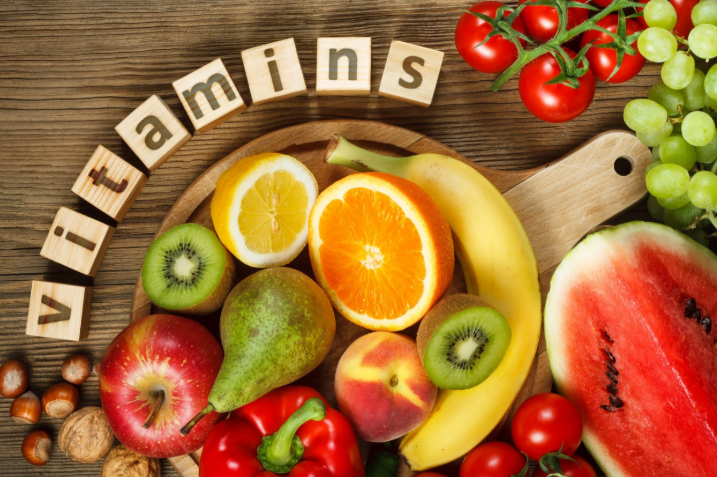
Vitamins are important for our health. A lack of essential vitamins can lead to health problems. Different vitamins are found in different foods, such as grains, vegetables, fruits, fish, meat, eggs, and milk products. Even foods that contain the same vitamins may have different amounts of them. This is why experts say it is important to eat a variety of foods every day, to ensure we get enough of the vitamins our bodies need.