
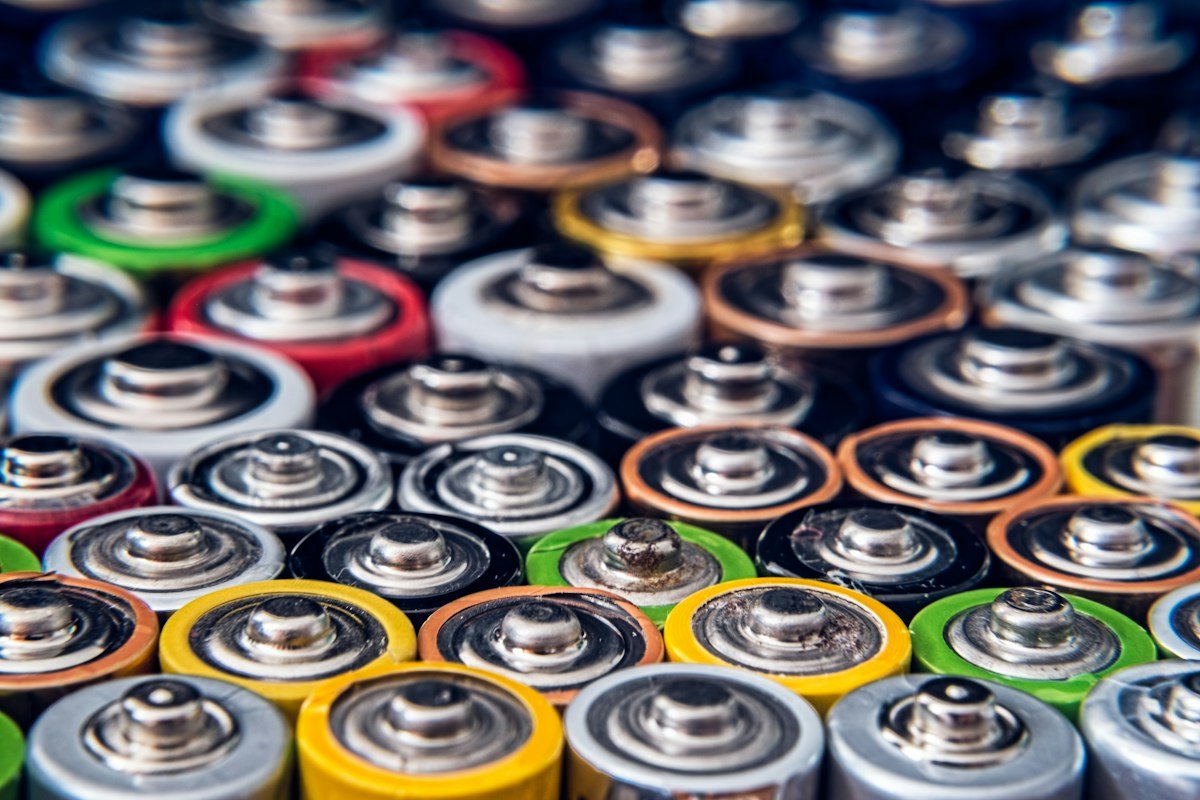

Solid-state lithium battery electrochemistry represents the definitive technological paradigm shift required to transcend the thermodynamic and safety boundaries governing modern electrochemical energy storage. For over three decades, commercial lithium-ion batteries—pioneered through volatile liquid organic carbonate electrolytes paired with graphite intercalation anodes and transition metal oxide cathodes—have powered consumer electronics and catalyzed the initial adoption of electric transportation. However, conventional liquid-electrolyte cells are approaching their theoretical ceiling in gravimetric and volumetric energy density (approximately 250 to 300 watt-hours per kilogram at the cell level).
Furthermore, liquid-electrolyte architectures carry severe intrinsic safety liabilities. Volatile carbonate solvents (such as ethylene carbonate and dimethyl carbonate) feature low flash points and high flammability. Under physical penetration, mechanical crushing, overcharging, or internal electrical short-circuits, exothermic decomposition reactions between the flammable liquid electrolyte and delithiated transition metal cathodes trigger catastrophic thermal runaway, generating toxic gas venting and unquenchable chemical fires that exceed eight hundred degrees Celsius.
Solid-state batteries (SSBs) eliminate these existential vulnerabilities by replacing the flammable liquid electrolyte and porous polymer separator with an inflammable, solid-state inorganic or polymeric ionic conductor. This fundamental material substitution unlocks the holy grail of electrochemical energy storage: the direct utilization of a pure metallic lithium anode. Metallic lithium possesses an unrivaled theoretical specific capacity (3,860 milliampere-hours per gram) and the lowest standard reduction potential (-3.04 volts versus the standard hydrogen electrode), enabling solid-state cells to achieve gravimetric energy densities exceeding 500 watt-hours per kilogram and volumetric densities surpassing 1,000 watt-hours per liter.
This comprehensive electrochemistry manual delivers an authoritative, technical masterclass in solid-state lithium battery design and interfacial engineering. Designed for materials scientists, electrochemists, and battery systems engineers, this guide dissects the ion-transport physics of sulfide and garnet-oxide solid electrolytes, analyzes the chemo-mechanical degradation mechanisms governing the Solid Electrolyte Interphase (SEI), explores lithium dendrite nucleation dynamics, details zero-excess anodeless cell architectures, and provides an engineering blueprint for industrial roll-to-roll manufacturing.
Thermodynamic Foundations: Solid Electrolytes Versus Volatile Liquid Carbonates
The thermodynamic imperative driving solid-state battery research is rooted in the Electrochemical Stability Window (ESW) of ionic conductors. The electrochemical stability window is defined as the voltage range between the Lowest Unoccupied Molecular Orbital (LUMO) and the Highest Occupied Molecular Orbital (HOMO) of the electrolyte material.
In conventional liquid-electrolyte cells, organic carbonate electrolytes possess a practical stability window spanning approximately 1.0 volt to 4.3 volts versus Li/Li+. Because metallic lithium operates at zero volts versus Li/Li+, liquid carbonates are thermodynamically unstable in direct contact with metallic lithium; they decompose spontaneously upon contact, consuming active lithium to form a resistive, passivating solid electrolyte interphase. Similarly, charging nickel-rich cathodes past 4.3 volts triggers oxidative electrolyte decomposition, releasing oxygen gas and accelerating cell degradation.
Solid inorganic electrolytes theoretically promise significantly wider electrochemical stability windows. Certain oxide and halide solid electrolytes exhibit intrinsic thermodynamic or kinetic stability spanning zero to five volts, enabling direct chemical compatibility with ultra-high-voltage cathodes (such as 5V lithium nickel manganese spinel, LNMO) and pure metallic lithium anodes without continuous electrolyte consumption.
Furthermore, solid electrolytes function as rigid mechanical barriers that suppress the volatile vapor pressures characteristic of organic liquids. Under extreme operational temperatures exceeding one hundred degrees Celsius—where liquid cells experience rapid gas generation and separator melting—inorganic solid electrolytes retain mechanical integrity, expanding the safe operating temperature envelope of commercial energy storage systems.
Solid Electrolyte Material Taxonomies: Sulfides, Garnet Oxides, Halides, and Polymers
Solid electrolyte materials are classified into four primary material families, each presenting distinct crystallographic structures, ionic conductivity kinetics, and mechanical compliance profiles.
Sulfide-based solid electrolytes—encompassing lithium phosphorus sulfur systems such as Li10GeP2S12 (LGPS) and argyrodites like Li6PS5Cl—exhibit the highest room-temperature lithium-ion conductivities in solid-state electrochemistry, frequently exceeding 10^-2 Siemens per centimeter (10 to 25 mS/cm), rivaling and even exceeding conventional liquid electrolytes. The large polarizability of sulfur anions (S2-) compared to oxygen anions creates large crystallographic bottleneck pathways that facilitate rapid, low-activation-energy lithium-ion hopping. Furthermore, sulfides possess low elastic moduli (Young’s modulus of 20 to 30 GPa), enabling plastic deformation under modest cold isostatic pressing to form intimate, low-resistance grain-boundary contact with cathode particles. However, sulfides are chemically vulnerable to ambient moisture, reacting violently with atmospheric water vapor to generate lethal hydrogen sulfide (H2S) gas.
Oxide-based solid electrolytes—dominated by garnet-type Li7La3Zr2O12 (LLZO) and perovskite-type Li3xLa2/3-xTiO3 (LLTO)—offer unrivaled chemical and electrochemical stability. LLZO, particularly when doped with aluminum or tantalum (Al-LLZO, Ta-LLZO), is thermodynamically stable against metallic lithium up to high voltages, inflammable, and safe from toxic gas generation. However, LLZO is exceptionally hard and brittle (Young’s modulus of 150 GPa), requiring high-temperature sintering (1,000 to 1,200 degrees Celsius) to eliminate grain boundary resistance, making roll-to-roll manufacturing challenging and resulting in high solid-solid interfacial impedance.
Halide-based solid electrolytes—such as Li3YCl6, Li3InCl6, and Li3ScCl6—have emerged as exceptional cathode-compatible conductors. Halides combine high oxidative stability (surpassing 4.5 volts), moderate room-temperature ionic conductivity (1 to 3 mS/cm), and soft mechanical deformability, eliminating the need for high-temperature sintering while providing superior chemical compatibility with high-nickel cathodes.
Solid Polymer Electrolytes (SPEs)—predominantly poly(ethylene oxide) (PEO) complexes coordinated with lithium bis(trifluoromethanesulfonyl)imide (LiTFSI) salts—represent the most mature manufacturing technology. SPEs offer exceptional mechanical flexibility and can be coated utilizing existing roll-to-roll liquid slurry machinery. However, at room temperature, PEO crystallizes, freezing polymer chain mobility and collapsing ionic conductivity below 10^-5 S/cm. PEO-based cells must operate at elevated temperatures (sixty to eighty degrees Celsius) above the polymer melting point to achieve sufficient ionic transport.
Interfacial Chemomechanics: The Solid Electrolyte Interphase (SEI) and CEI Dynamics
The primary scientific challenge in solid-state battery electrochemistry is not bulk ionic conductivity; rather, it is the chemomechanics of the solid-solid interfaces formed at the anode and cathode boundaries.
At the anode interface, when metallic lithium contacts a solid electrolyte, spontaneous chemical reduction occurs unless the electrolyte is thermodynamically stable at zero volts. In sulfide argyrodites (Li6PS5Cl), reduction by lithium generates an interphase layer composed of lithium sulfide (Li2S), lithium phosphide (Li3P), and lithium chloride (LiCl). If this interphase is electronically insulating but ionically conductive (a true Solid Electrolyte Interphase, SEI), the reaction is self-limiting, passivating the interface and halting further electrolyte degradation.
However, if the decomposition products exhibit mixed ionic-electronic conductivity (a Mixed Conducting Interphase, MCI), electrons can continuously tunnel across the interphase. The MCI continues to grow thicker with every charge-discharge cycle, consuming active lithium, drying out the solid electrolyte, and causing interfacial electrical resistance to skyrocket.
At the cathode interface, similar degradation occurs at the Cathode Electrolyte Interphase (CEI). High-voltage charging extracts lithium ions from the solid electrolyte, triggering space-charge layer formation: a localized depletion of lithium ions in the solid electrolyte adjacent to the cathode, creating a high electrostatic potential barrier that impedes lithium transfer. Furthermore, transition metal dissolution from the cathode catalyzes oxidative decomposition of sulfides into insulating polysulfides. Interfacial engineering resolves these challenges by applying atomic-layer-deposited (ALD) nanometer-thin buffer coatings—such as lithium niobate (LiNbO3), lithium borate, or lithium phosphate (Li3PO4)—which physically prevent chemical cross-talk while maintaining low interfacial lithium-ion impedance.
Lithium Dendrite Nucleation and Intergranular Mechanical Penetration Physics
Early solid-state battery pioneers hypothesized that replacing soft polymer separators with rigid solid electrolytes would completely prevent lithium dendrite penetration based on the Monroe-Newman theoretical criterion, which stated that dendrite propagation is mechanically suppressed if the shear modulus of the separator is at least twice that of metallic lithium (approximately 6.8 GPa).
Experimental reality shattered this simplistic assumption: lithium dendrites nucleate and propagate through even ultra-hard ceramic garnet electrolytes (LLZO, shear modulus 60 GPa) at current densities far lower than those tolerated by conventional liquid batteries. Understanding the physics of solid-state dendrite growth requires abandoning pure mechanical models in favor of electro-chemo-mechanical defect theories.
In polycrystalline ceramic electrolytes, grain boundaries exhibit lower density, structural defects, and higher electronic conductivity than single-crystal grains. When lithium ions migrate through the electrolyte during rapid charging, current focuses at surface micro-cracks, pores, and grain-boundary triple junctions due to local electric field convergence. If local electronic conductivity within grain boundaries allows electrons to reduce lithium ions within the interior bulk of the ceramic, metallic lithium nucleates directly inside internal pores.
Because metallic lithium is virtually incompressible, internal lithium plating generates colossal localized hydrostatic pressures exceeding several gigapascals. These mechanical stresses exceed the critical fracture toughness of the brittle ceramic, driving intergranular crack propagation. Metallic lithium extrudes through the expanding fracture network, creating conductive metallic filaments that bridge the inter-electrode gap and trigger catastrophic internal electrical short-circuits.
Lithium Metal Anode Architectures: Zero-Excess and Anodeless Cell Engineering
To maximize gravimetric and volumetric energy density while minimizing raw material costs, the solid-state battery industry is rapidly advancing toward Zero-Excess Anodeless (or Lithium-Free) cell designs.
In standard lithium-metal batteries, cells are assembled with a thick, free-standing lithium foil anode (twenty to one hundred micrometers thick). However, free-standing lithium foil is exceptionally expensive, highly pyrophoric, difficult to handle in automated dry rooms, and introduces excess inactive mass that degrades cell-level energy density. In an anodeless solid-state architecture, the cell is assembled in a completely discharged state with zero active lithium at the anode: the cell consists simply of a cathode, a solid electrolyte, and a bare current collector foil (such as copper or nickel).
During the initial charging cycle, lithium ions are extracted from the cathode material, migrate across the solid electrolyte, and electroplate directly onto the bare current collector foil to form an in-situ metallic lithium anode. During subsequent discharge, this plated lithium layer strips completely back into the cathode. This architecture eliminates the mass, volume, and manufacturing complexity of lithium foil, yielding volumetric energy densities exceeding 1,100 watt-hours per liter.
The primary engineering hurdle in anodeless solid-state cells is achieving Coulombic efficiency exceeding 99.8 percent. Any non-uniformity in current density causes lithium to plate unevenly, creating void formation during discharge where metallic lithium loses mechanical contact with the solid electrolyte (dead lithium). To ensure uniform, dense lithium plating, current collectors are coated with functional lithiophilic seed layers: nanometer-thin composite films of silver-carbon (Ag-C), zinc, or tin that alloy with lithium to lower nucleation overpotential and ensure flat, planar lithium deposition.
High-Voltage Nickel-Rich and Sulfur-Based Solid-State Cathode Chemistries
Unlocking the full thermodynamic potential of solid-state electrochemistry requires pairing metallic lithium anodes with ultra-high-capacity cathode materials that can operate stably in a solid matrix.
Nickel-rich layered oxide cathodes—such as LiNi0.8Mn0.1Co0.1O2 (NMC811) and ultra-high-nickel LiNi0.9Mn0.05Co0.05O2 (NMC90)—represent the primary commercial cathode candidate. These materials deliver specific capacities of 200 to 220 mAh/g when charged to 4.3 volts. In solid-state composite cathodes, active NMC particles must be intimately blended with solid electrolyte particles (typically sulfide or halide) and conductive carbon additives to create interpenetrating percolating networks for both lithium-ion and electronic transport.
Beyond layered oxides, solid-state architectures enable the safe deployment of high-capacity conversion cathodes, prominent among which is elemental sulfur (S8). Lithium-sulfur (Li-S) chemistry delivers a colossal theoretical capacity of 1,675 mAh/g, offering cell-level energy densities exceeding 600 Wh/kg at dramatically lower raw material costs. In conventional liquid-electrolyte cells, lithium-sulfur chemistry suffers from the catastrophic Polysulfide Shuttle: intermediate lithium polysulfides (Li2Sx) dissolve into the liquid carbonate, migrating across the separator to corrode the lithium anode.
In an inorganic solid-state cell, intermediate polysulfides are completely insoluble within solid ceramic crystal lattices. The solid electrolyte operates as an impenetrable physical barrier that completely halts the polysulfide shuttle. Solid-state lithium-sulfur batteries convert sulfur directly into lithium sulfide (Li2S) via solid-state conversion reactions, unlocking exceptional cycle life and unprecedented energy density.
Chemo-Mechanical Stress, Volume Expansion, and External Stack Pressure Engineering
In liquid-electrolyte batteries, the liquid electrolyte flows passively into porous electrode structures, maintaining intimate wetting and ionic contact regardless of volumetric changes during cycling. In stark contrast, solid-state batteries operate under continuous, brutal chemo-mechanical strain.
During charge and discharge cycles, cathode particles undergo anisotropic crystallographic lattice breathing: NMC811 particles contract by two to three percent during delithiation, while conversion cathodes (like sulfur) expand by over eighty percent upon full lithiation. At the anode, plating and stripping a fifty-micrometer layer of metallic lithium represents an absolute, one-hundred-percent macroscopic volume change.
In a rigid solid-solid system, this continuous dimensional variation induces severe mechanical decohesion. When cathode particles contract during charging, micro-gaps and physical voids open between the active cathode particles and the surrounding solid electrolyte. These detached interfaces can no longer transfer lithium ions, causing rapid capacity fade. At the anode, non-uniform stripping creates microscopic Kirkendall voids at the lithium-electrolyte interface, focusing electric fields and precipitating accelerated dendrite growth.
To maintain intimate solid-solid physical contact and close microscopic voids dynamically during cycling, solid-state battery packs must operate under continuous External Stack Pressure. Battery modules are engineered with mechanical compression fixtures, Belleville springs, or pneumatic pressure bladders that apply constant uniaxial pressures ranging from one to five megapascals (MPa) across the cell surface. External stack pressure forces metallic lithium to undergo plastic creep, continuously replenishing interfacial voids and ensuring stable electrochemical cycling over thousands of operational cycles.
Critical Current Density (CCD) and Low-Temperature Ion Transport Kinetics
A primary operational benchmark defining the commercial viability of any solid-state battery is its Critical Current Density (CCD). The Critical Current Density is the maximum charging current density (measured in milliamperes per square centimeter, mA/cm2) that a solid-state cell can sustain without triggering lithium dendrite penetration and short-circuit failure.
Commercial electric vehicle fast-charging requires cells to operate at current densities between five and ten mA/cm2 to achieve an eighty-percent charge in fifteen to twenty minutes. However, many unoptimized solid-state architectures exhibit room-temperature CCD values below two to three mA/cm2. At current densities exceeding the CCD, the rate of lithium-ion flux across the solid electrolyte outstrips the rate of lithium self-diffusion and plastic stress relaxation at the lithium interface, causing localized overpotentials that initiate ceramic crack propagation.
Low-temperature kinetics present an even more acute challenge. Lithium-ion transport across solid crystal lattices and grain boundaries is an activated process governed by the Arrhenius equation: ionic conductivity drops precipitously as ambient temperatures decline. At sub-zero temperatures (-20 degrees Celsius), bulk electrolyte conductivity falls by one to two orders of magnitude, interfacial charge-transfer resistance multiplies, and the CCD collapses to sub-milliampere levels. Overcoming low-temperature limitations requires engineering grain boundaries, doping crystal lattices with superionic conductors, and integrating active internal electro-thermal preheating circuits within the battery module architecture.
Electrochemical Impedance Spectroscopy (EIS) and Distribution of Relaxation Times
Characterizing the multi-step ionic and electronic transport phenomena occurring simultaneously within a solid-state battery cell requires advanced operando analytical diagnostics. Traditional direct-current galvanostatic cycling measures only net overpotential; it cannot decouple bulk electrolyte resistance from grain boundary resistance or interfacial charge-transfer impedance.
Electrochemical Impedance Spectroscopy (EIS) applies a small sinusoidal alternating voltage perturbation across a broad frequency spectrum (typically from one megahertz down to ten millihertz), measuring the resulting current response and phase angle. The resulting Nyquist plot reveals a sequence of characteristic semicircular arcs: high-frequency arcs correspond to bulk intragranular lithium-ion hopping; intermediate-frequency arcs reflect intergranular resistance across ceramic grain boundaries; and low-frequency arcs capture charge-transfer resistance across the solid-electrolyte interphase.
Because overlapping semicircles in complex solid-state composite electrodes can obscure individual physical processes, electrochemists employ Distribution of Relaxation Times (DRT) analysis. DRT is a mathematical deconvolution technique that transforms frequency-domain impedance spectra into a continuous distribution of time constants without requiring an a priori equivalent electrical circuit model. DRT allows researchers to cleanly isolate the exact resistance contributions of space-charge layers, cathode coating interfaces, and lithium metal void formation during real-time charging and discharging.
Solid-State Micro-Silicon Anodes: High-Capacity Alloying Mechanics
While metallic lithium represents the ultimate anode material in theoretical energy density, its commercial deployment is hampered by dendrite formation, high processing costs, and the requirement for substantial external stack pressure. Consequently, micro-silicon has emerged as a premier alternative high-capacity anode for inorganic solid-state batteries.
Silicon alloys with lithium to form Li15Si4, delivering a colossal theoretical specific capacity of 3,579 milliampere-hours per gram, nearly ten times greater than conventional graphite (372 mAh/g). In conventional liquid-electrolyte cells, silicon anodes suffer catastrophic capacity fade: the three-hundred-percent volumetric expansion and contraction during cycling repeatedly pulverizes the fragile liquid SEI, causing continuous electrolyte consumption, electrode delamination, and rapid cell death.
In stark contrast, pairing inexpensive, micron-sized silicon particles with soft, deformable sulfide solid electrolytes (such as argyrodite Li6PS5Cl) creates an exceptionally stable electro-chemo-mechanical system. When operated under modest stack pressure, the ductile sulfide solid electrolyte deforms plastically, accommodating the volumetric breathing of silicon particles without cracking. Furthermore, the absence of liquid solvents eliminates continuous SEI reformation. Solid-state micro-silicon cells achieve initial Coulombic efficiencies exceeding ninety-nine percent while delivering high energy densities without the safety hazards of pure metallic lithium foil.
Polymer-Inorganic Composite and Quasi-Solid-State Dual-Phase Architectures
To resolve the trade-off between the high room-temperature ionic conductivity of brittle inorganic ceramics and the mechanical flexibility of low-conductivity polymers, battery architects engineer Composite Polymer-Inorganic Solid Electrolytes (CPEs).
Composite electrolytes are engineered across two distinct architectural regimes: Ceramic-in-Polymer (where ceramic nanoparticles like LLZO or Al2O3 are dispersed as active or passive fillers within a polymer matrix like PEO or PVDF) and Polymer-in-Ceramic (where a high-density, three-dimensional ceramic scaffold is infused with a flexible polymer phase). Dispersing Lewis-acid ceramic nanoparticles into polymer matrices disrupts polymer chain crystallization, dramatically lowering glass transition temperatures and creating high-conductivity percolation pathways along ceramic-polymer interfacial boundaries.
Quasi-Solid-State (or hybrid gel) architectures take this concept a step further by introducing trace amounts of non-volatile ionic liquids or deeply localized liquid plasticizers (less than five to ten percent by weight) strictly localized at the electrode-electrolyte interfaces. These immobilized ionic liquid molecules wet the active material surfaces, completely eliminating interfacial solid-solid contact resistance while preserving the thermal non-flammability and dendrite-suppressing mechanical strength of the bulk solid electrolyte matrix.
Lithium-Ion Hopping Kinetics and Vacancy Diffusion Mechanics in Superionic Lattices
The microscopic mechanism governing ion transport in solid crystalline electrolytes differs fundamentally from the Stokes-Einstein hydrodynamic diffusion observed in liquid solvents. In a solid crystal, lithium ions do not glide freely; they migrate via discrete, thermally activated hops between interstitial sites and vacant crystallographic lattice positions.
Superionic solid conductors (such as Li10GeP2S12 and Li6PS5Cl) achieve exceptional conductivities by engineering highly disordered lithium sub-lattices. In these materials, the number of available crystallographic interstitial sites significantly exceeds the number of lithium ions, resulting in low site-occupancy fractions. When a lithium ion attempts to hop into an adjacent vacant site, it must traverse a narrow geometric bottleneck defined by surrounding polarizable anions.
Ab-initio molecular dynamics (AIMD) simulations reveal that the highest-performing superionic conductors exhibit Concerted Multi-Ion Migration. Rather than ions hopping independently as isolated point defects, multiple neighboring lithium ions move synchronously in string-like, cooperative collective bursts. This concerted motion dramatically lowers the effective activation energy barrier (often below 0.22 electron-volts), enabling room-temperature lithium transport kinetics that match or exceed liquid electrolytes.
Industrial Manufacturing Scalability: Dry Electrode Processing Versus Slurry Coating
Translating laboratory-scale solid-state button cells into multi-gigawatt-hour commercial manufacturing requires engineering scalable, cost-competitive electrode fabrication processes that minimize capital expenditures and environmental footprints.
Traditional lithium-ion electrode manufacturing relies upon wet slurry casting: active materials, conductive carbon, and polymeric binders (polyvinylidene fluoride, PVDF) are mixed with toxic organic solvents (N-Methyl-2-pyrrolidone, NMP). The slurry is coated onto metallic current collector foils and passed through massive, energy-intensive drying ovens spanning fifty to one hundred meters to evaporate and recover the toxic solvent.
For sulfide-based solid-state batteries, wet processing introduces severe solvent compatibility challenges. Many organic solvents react with sulfide solid electrolytes, degrading their ionic conductivity. Furthermore, residual traces of polar solvents decompose during cycling, destabilizing the solid-solid interface.
Consequently, the solid-state battery industry is pioneering Dry Electrode Processing. In dry processing, active materials, solid electrolytes, and dry fibrillizable binders (such as polytetrafluoroethylene, PTFE) are subjected to high-shear dry mechanical mixing. The high shear forces fibrillate the PTFE into an intricate, three-dimensional microscopic web that mechanically binds active particles into a free-standing, cohesive electrode film without a single drop of liquid solvent. The dry film is subsequently calendared directly onto current collectors using heated, high-pressure roll-to-roll rollers. Dry electrode manufacturing eliminates drying ovens entirely, slashing factory floor footprints by forty percent, reducing manufacturing energy consumption by over fifty percent, and preserving the pristine chemical purity of moisture-sensitive solid electrolytes.
Thermal Runaway Kinetics, Pyrolysis Suppression, and Intrinsic Safety Physics
While solid-state batteries are widely heralded as inherently safe and immune to fire, rigorous chemical safety engineering requires a nuanced, quantitative analysis of thermal runaway kinetics in the presence of high-energy-density materials.
In liquid-electrolyte cells, thermal runaway is initiated by separator melting at 130 to 170 degrees Celsius, followed by exothermic reaction of liquid carbonates with anode SEI at 120 degrees, and culminating in explosive decomposition of delithiated cathodes at 200 degrees, which releases oxygen gas to feed the burning solvent in a self-sustaining chemical inferno. Accelerating Rate Calorimetry (ARC) demonstrates self-heating rates exceeding thousands of degrees Celsius per minute.
In inorganic solid-state batteries, the failure kinetics are fundamentally distinct. Inorganic ceramic electrolytes (LLZO, halides) do not melt, contain no flammable organic vapors, and exhibit zero pyrolysis or self-sustaining combustion even when subjected to direct nail penetration, crushing, or external furnace heating up to eight hundred degrees Celsius. ARC testing reveals that total heat release (THR) in solid-state cells is sixty to eighty percent lower than in equivalent liquid cells.
However, safety engineers must account for the high chemical reactivity of metallic lithium. At temperatures exceeding its melting point (180.5 degrees Celsius), molten metallic lithium can react exothermically with solid electrolytes or high-nickel cathodes if direct physical contact occurs under mechanical rupture. Intrinsic safety engineering incorporates ceramic composite current collectors and refractory thermal barrier films that prevent molten lithium migration, ensuring that even under severe physical vehicle collision scenarios, solid-state battery packs remain completely free of open flames and toxic thermal runaway propagation.
Closed-Loop Recycling and Hydrometallurgical Recovery of Solid Electrolytes
As solid-state battery production scales toward terawatt-hour global capacities, establishing circular, closed-loop recycling architectures is imperative to preserve critical mineral supply chains and minimize environmental life-cycle impacts. Conventional pyrometallurgical battery recycling, which relies on high-temperature smelting furnaces exceeding 1,400 degrees Celsius, is completely ill-suited for solid-state batteries: smelting destroys valuable solid electrolyte crystal lattices and burns off lithium as volatile slag.
Advanced solid-state recycling employs specialized Hydrometallurgical and Direct Recycling flowsheets. Spent solid-state packs are safely discharged and shredded in an inert argon atmosphere to prevent moisture-induced hydrogen sulfide gas release. Mechanical delamination separates current collector foils, followed by selective solvent dissolution to reclaim pristine cathode active particles and scarce strategic elements (such as germanium in LGPS, tantalum and lanthanum in LLZO, and scandium or indium in halides). Recovered metal precursors achieve purity levels exceeding 99.9 percent, directly re-synthesizing battery-grade solid electrolytes at fifty percent lower carbon emissions than virgin mineral refining.
Digital Battery Passports and blockchain-enabled material traceability are rapidly becoming mandatory under international regulations, notably the European Union Battery Regulation. Every commercial solid-state battery pack integrates an immutable cryptographic digital record logging its raw material origins, recycled material percentages, cobalt and nickel sourcing ethics, and cumulative lifecycle carbon footprint (cradle-to-gate). By embedding unique QR identifiers and decentralized cryptographic attestations directly onto pack enclosures, automotive manufacturers ensure full circular accountability, streamlining second-life stationary grid reuse and optimizing end-of-life hydrometallurgical recycling efficiencies.
Operando Diagnostic Imaging: Cryo-TEM and Synchrotron Nano-Tomography
Unraveling the nanometer-scale interfacial degradation mechanisms of solid-state batteries has historically been hindered by the extreme air sensitivity and electron-beam vulnerability of metallic lithium and sulfide electrolytes. Under standard high-energy electron beam irradiation in conventional transmission electron microscopy (TEM), metallic lithium melts instantly, and sulfide electrolytes decompose into beam-induced artifacts.
Cryogenic Transmission Electron Microscopy (Cryo-TEM) has revolutionized solid-state battery research by flash-freezing samples in liquid nitrogen (-196 degrees Celsius). At cryogenic temperatures, pristine atomic structures, grain boundary dislocations, and native Solid Electrolyte Interphases are preserved in their native electrochemical states without beam damage. High-resolution cryo-TEM enables materials scientists to directly visualize individual atomic columns, mapping nanoscale space-charge layers and defect clusters at the sub-nanometer scale.
Complementing cryo-TEM, Synchrotron X-Ray Nano-Computed Tomography provides non-destructive, three-dimensional operando visualization of entire commercial solid-state cells during active electrochemical cycling. Operating at multi-kilovolt photon energies, synchrotron beams penetrate dense metal casings, tracking microscopic lithium void formation, intergranular ceramic micro-cracking, and macroscopic electrode volume breathing in real time, delivering empirical spatial data that guides predictive finite element chemo-mechanical modeling.
Electrochemical Atomic Force Microscopy (EC-AFM) and nano-indentation techniques deliver indispensable nanoscale mechanical mapping of dynamic solid interfaces. By scanning a sharp microscopic cantilever across solid electrolyte surfaces during in-situ lithium electrodeposition, EC-AFM maps localized variations in surface potential, Young’s modulus, and adhesion forces at the sub-ten-nanometer scale. These measurements quantify the localized mechanical creep compliance of freshly plated lithium, enabling materials engineers to design lithiophilic surface coatings that prevent stress-induced mechanical delamination. Furthermore, nano-indentation testing across grain boundaries precisely establishes the localized fracture toughness threshold, providing empirical boundary conditions for advanced multi-scale phase-field dendrite simulations.
To establish standardized engineering benchmarks for solid-state battery chemistries across varying industrial applications, materials scientists and battery pack engineers utilize structured comparative technical matrices. These frameworks systematically map solid electrolyte families to crystal structures, ionic conductivities, interfacial stabilities, and target operational domains.
The following comprehensive comparative electrochemistry matrix provides an authoritative technical reference evaluating primary solid electrolyte material systems against legacy liquid carbonates.
Comparative Technical Matrix of Solid Electrolyte Chemistries & Electrochemical Metrics
| Electrolyte Material Family | Room-Temp Ionic Conductivity | Electrochemical Stability Window | Mechanical Modulus & Processing | Primary Industrial Bottleneck | Target Application Domain |
|---|---|---|---|---|---|
| Liquid Carbonates (Baseline) | 10 – 12 mS/cm | 1.0 – 4.3 V vs Li/Li+ | Liquid state; requires porous polymer separator | Severe flammability; dendrite shorting with Li metal; 300 Wh/kg ceiling | Legacy consumer electronics and standard EV battery packs |
| Sulfide Argyrodite (Li6PS5Cl) | 1 – 12 mS/cm | 1.7 – 2.3 V (narrow thermodynamic window) | Soft ductile (20-30 GPa); cold pressable roll-to-roll | H2S gas generation with moisture; continuous MCI growth at Li interface | High-performance automotive EVs; fast-charging premium platforms |
| Garnet Oxide (LLZO / Ta-LLZO) | 0.5 – 1.5 mS/cm | 0.0 – 4.5 V (wide chemical stability) | Hard brittle (150 GPa); high-temp sintering (>1000C) | High interfacial impedance; intergranular dendrites; brittle cracking | Aerospace, defense, military, and stationary grid energy storage |
| Halide Conductor (Li3InCl6) | 1.0 – 3.0 mS/cm | 2.5 – 4.8 V (high oxidative stability) | Deformable; low grain boundary resistance | Thermodynamically unstable against Li metal; requires anode buffer | High-voltage composite cathode electrolytes; dual-electrolyte cells |
| Solid Polymer PEO / LiTFSI | < 0.01 mS/cm (at 25C); 1 mS/cm (at 70C) | 1.5 – 3.8 V (oxidizes above 4.0V) | Highly flexible elastomer; standard roll-to-roll compatible | Requires continuous external heating (60-80C); low voltage limit | Commercial electric city buses; temperature-controlled industrial equipment |
Deploying these advanced solid-state electrochemical designs enables energy storage architectures to achieve unprecedented volumetric energy densities while delivering uncompromising thermal and physical safety. For technical research on solid electrolyte crystallography, electrochemistry benchmarks, and battery manufacturing standards, materials scientists consult recognized global institutions including the United States Department of Energy Vehicle Technologies Office and the Electrochemical Society Academic Research Portal. Additional materials science papers can be reviewed through the Nature Materials Journal Collection, alongside energy storage standards curated by the International Electrotechnical Commission Battery Standards Division and solid-state cell patents from the Argonne National Laboratory Energy Storage Division.
Frequently Asked Questions About Solid-State Lithium Battery Electrochemistry
What is the primary advantage of solid-state batteries over conventional lithium-ion cells?
Solid-state batteries replace volatile, flammable organic liquid electrolytes with inflammable solid electrolytes. This eliminates fire and thermal runaway hazards while enabling the direct use of pure metallic lithium anodes, boosting energy density past 500 Wh/kg and 1,000 Wh/L.
What are the major classes of solid electrolyte materials?
The four primary solid electrolyte families are sulfides (highest room-temperature conductivity and soft mechanical compliance), oxides like garnet LLZO (exceptional chemical stability and non-flammability), halides (high-voltage cathode compatibility), and solid polymers like PEO (flexible but requires elevated operating temperatures).
Why do lithium dendrites still form in rigid solid ceramic electrolytes?
Lithium dendrites in ceramics do not grow by simple mechanical piercing; they nucleate inside internal pores and grain boundaries where localized electric fields concentrate and trace electronic conductivity allows lithium reduction. The expanding lithium generates gigapascal hydraulic pressures, fracturing the ceramic and propagating conductive metallic filaments.
What is an anodeless or zero-excess lithium battery?
An anodeless battery is assembled without any active lithium foil at the anode. The cell contains only a cathode, solid electrolyte, and a bare current collector coated with a lithiophilic seed layer (like silver-carbon). Metallic lithium plates in-situ directly onto the current collector during the first charge, maximizing energy density and reducing manufacturing costs.
What is the role of external stack pressure in solid-state battery packs?
During cycling, electrodes undergo substantial volume changes. External stack pressure (one to five megapascals) mechanically compresses the cell, forcing soft metallic lithium to undergo plastic creep and preventing the formation of interfacial micro-voids, maintaining intimate solid-solid contact.
What is Critical Current Density (CCD)?
Critical Current Density is the maximum charging current per unit area that a solid-state cell can sustain without triggering lithium dendrite penetration and internal short circuits. Higher CCD values are mandatory for enabling commercial fifteen-minute electric vehicle fast charging.
How does dry electrode processing benefit solid-state manufacturing?
Dry electrode processing uses high-shear mechanical forces and fibrillizable binders to create electrode films without liquid solvents. This eliminates long, energy-intensive drying ovens, slashes manufacturing capital costs by forty percent, and prevents chemical solvent degradation of moisture-sensitive sulfide electrolytes.
Why do sulfide electrolytes produce toxic gas when exposed to air?
Sulfide electrolytes contain P-S bonds that react rapidly with ambient moisture in atmospheric air through hydrolysis, releasing highly toxic and flammable hydrogen sulfide (H2S) gas. Sulfide battery manufacturing must be conducted in ultra-dry cleanrooms with inert argon or dry air environments.
Can solid-state batteries operate safely at sub-zero temperatures?
Solid crystal lattices exhibit higher ionic resistance at low temperatures, which reduces conductivity and limits charging rates. Overcoming sub-zero performance demands advanced grain-boundary doping, superionic surface coatings, and internal module pre-heating circuits to maintain optimal operating temperatures.
Solid-State Electrochemical Synthesis and the Clean Energy Storage Horizon
Solid-state lithium battery electrochemistry stands as the definitive bridge connecting the limitations of legacy chemical storage to the expansive horizon of complete global electrification. By unraveling the intricate physics of solid-solid interfaces, mastering crystallographic ion-conduction pathways, and pioneering solvent-free dry electrode manufacturing, electrochemical engineering is transforming laboratory breakthroughs into scalable commercial reality. As solid-state cells enter high-volume production, they will deliver ultra-safe, high-energy-density power to electric aviation, long-range transportation, and planetary renewable grids, cementing a sustainable and resilient clean energy future.