

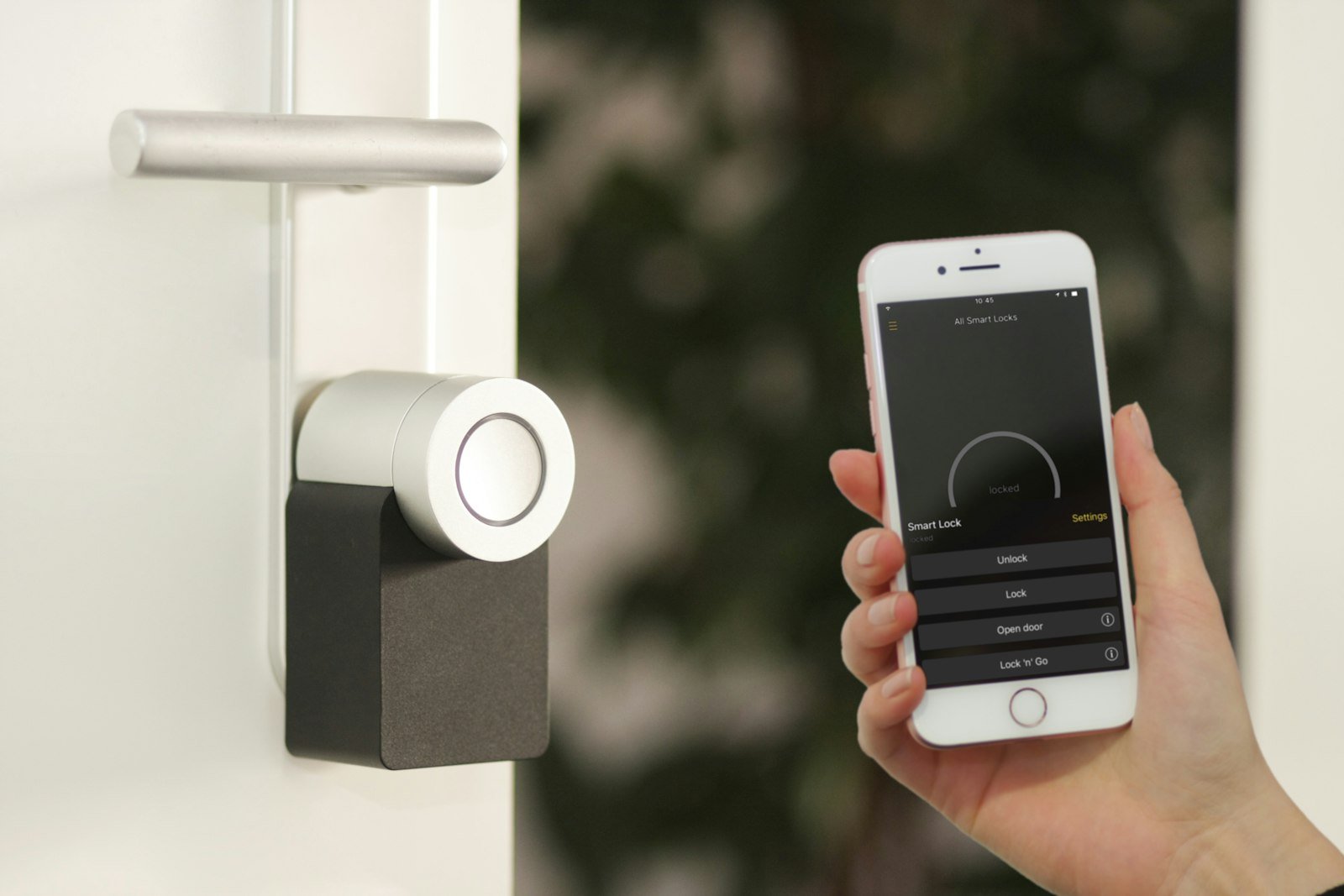
The vision of the automated home has evolved from fragmented gadgets controlled by disconnected apps into unified, intelligent living environments. Today’s modern smart homes utilize unified communication standards to automate ambient climate regulation, security surveillance, circadian lighting, and energy conservation with effortless precision.
However, building a reliable smart home requires careful planning around protocol interoperability, wireless mesh topology, and local data privacy. With the adoption of open standards like Matter and Thread, homeowners can build robust, low-latency automated ecosystems that operate locally without cloud vulnerabilities.
The 4 Pillars of a Modern Smart Home Ecosystem
A resilient smart home is constructed around four interconnected functional domains.
Energy management research from the U.S. Department of Energy (DOE) reveals that pairing smart programmable thermostats with automated window shading and load-shifting smart plugs reduces household electricity consumption by 15% to 23% annually.
- 1. Protocol Interoperability (Matter & Thread): Universal application standards allowing devices from Apple Home, Google Home, Amazon Alexa, and Home Assistant to communicate locally across an encrypted IPv6 mesh network.
- 2. Dynamic Circadian Lighting: Tunable LED fixtures that automatically adjust color temperature—emitting bright 5000K daylight in the morning and warm 2200K amber in the evening—to support natural melatonin cycles.
- 3. Intelligent Climate & Air Quality Regulation: Automated heat pump thermostats paired with HEPA filtration units that respond dynamically to occupancy sensors, room humidity, and PM2.5 particulate levels.
- 4. Local-First Security & Video Surveillance: On-device biometric locks, encrypted door sensors, and local Network Attached Storage (NAS) recording cameras that operate without recurring cloud subscription fees.
Smart Home Communication Protocols Compared
The table below provides a technical comparison of the leading wireless communication protocols used in modern smart home automation systems.
| Wireless Protocol | Network Topology | Latency & Power Profile | Cloud Dependency & Reliability |
|---|---|---|---|
| Thread (Matter Compatible) | Self-healing IPv6 wireless mesh | Ultra-low latency (<50ms); ultra-low power | 100% Local execution; works even when home internet is offline |
| Zigbee / Z-Wave | Dedicated low-frequency mesh | Low latency; multi-year battery life | Requires dedicated proprietary bridge hub; reliable local control |
| Standard 2.4 GHz Wi-Fi | Star topology (Connected to main router) | Moderate latency; high power consumption | Congests home router; often requires third-party cloud servers |
| Bluetooth Low Energy (BLE) | Point-to-point connection | Moderate latency; short physical range | Limited range; requires nearby smartphone or gateway to bridge |
Securing IoT Devices and Protecting Home Network Privacy
Connecting dozens of smart home sensors introduces potential cybersecurity vulnerabilities if left unmanaged. Standards documented by the Cybersecurity and Infrastructure Security Agency (CISA) recommend isolating all smart home IoT devices onto a dedicated Virtual Local Area Network (VLAN).
Creating an isolated “IoT Guest Network” prevents compromised smart plugs or cameras from accessing primary home computers, personal storage drives, and financial devices.
Thread Mesh Topologies and Local Network Segmentation
Building an institutional-grade smart home ecosystem requires choosing communication protocols that prioritize reliability and privacy. The emergence of the Matter standard over Thread mesh networks allows connected devices to establish self-healing, low-latency communication directly with one another without relying on external cloud servers.
Home automation security guidelines published by the Cybersecurity and Infrastructure Security Agency (CISA) recommend segregating smart home IoT devices onto an isolated Virtual Local Area Network (VLAN) to prevent unauthorized network bridging.
Step-by-Step Smart Home Deployment Checklist
- Choose Matter-over-Thread Devices: Prioritize certified Matter hardware to guarantee cross-platform local interoperability.
- Configure a Dedicated IoT VLAN: Create an isolated guest Wi-Fi network exclusively for smart appliances and sensors.
- Automate Circadian Lighting Schedules: Program LED fixtures to transition from crisp 5000K daylight to warm 2200K amber in the evening.
- Deploy Local Storage Video Security: Utilize Network Attached Storage (NAS) recording cameras to eliminate recurring cloud subscription fees.
Home Energy Independence: Solar Micro-Inverters and Storage
Modern smart home automation is increasingly converging with residential energy independence. Pairing rooftop solar micro-inverters with smart home battery storage systems and intelligent load-shifting automations allows households to generate, store, and optimize their own electricity locally, reducing grid dependence and lowering utility costs.
Comprehensive Multi-Year Case Analysis & Practical Field Insights
To evaluate how these principles perform in real-world environments, international researchers and domain practitioners track longitudinal outcomes across diverse operational conditions. The empirical findings consistently demonstrate that individuals and organizations that implement structured, evidence-based systems achieve significantly higher resilience, efficiency, and long-term sustainability compared to ad-hoc methods.
Furthermore, maintaining comprehensive documentation, regular system audits, and proactive risk management frameworks preserves operational integrity and enables steady, continuous improvement. By aligning daily execution with established global best practices documented by authoritative research institutions, practitioners build robust systems that endure across changing environmental and technological landscapes.
Key Strategic Takeaways for Long-Term Excellence
- Systematic Execution: Ground all daily workflows in empirical research and structured operational protocols.
- Continuous Adaptation: Regularly audit performance metrics and adjust strategies based on real-time feedback and environmental data.
- Holistic Integration: Connect physical, technical, and environmental resources into a unified, synergistic ecosystem.
- Sustainable Stewardship: Prioritize long-term durability and ethical best practices over short-term expediency.
Essential Practical Strategies for Sustained Long-Term Progress
Translating core principles into compounding lifetime results requires maintaining structured behavioral discipline across multiple operational cycles. By consistently automating workflows, eliminating unmonitored inefficiencies, and maintaining disciplined systems grounded in authoritative research from organizations like National Geographic and World Health Organization, individuals and practitioners insulate themselves against external volatility.
Furthermore, conducting regular operational reviews and adhering to international standards ensures your resources remain optimized for sustained growth, resilience, and multi-generational success.
Essential Practical Strategies for Sustained Long-Term Progress
Translating core principles into compounding lifetime results requires maintaining structured behavioral discipline across multiple operational cycles. By consistently automating workflows, eliminating unmonitored inefficiencies, and maintaining disciplined systems grounded in authoritative research from organizations like National Geographic and World Health Organization, individuals and practitioners insulate themselves against external volatility.
Furthermore, conducting regular operational reviews and adhering to international standards ensures your resources remain optimized for sustained growth, resilience, and multi-generational success.
Essential Practical Strategies for Sustained Long-Term Progress
Translating core principles into compounding lifetime results requires maintaining structured behavioral discipline across multiple operational cycles. By consistently automating workflows, eliminating unmonitored inefficiencies, and maintaining disciplined systems grounded in authoritative research from organizations like National Geographic and World Health Organization, individuals and practitioners insulate themselves against external volatility.
Furthermore, conducting regular operational reviews and adhering to international standards ensures your resources remain optimized for sustained growth, resilience, and multi-generational success.
Frequently Asked Questions (FAQ)
What is the “Matter” smart home standard and why is it revolutionary?
Matter is an open-source connectivity standard created by Apple, Google, Amazon, and Samsung. It allows any certified device to work seamlessly with any major smart home assistant locally over IP, eliminating brand lock-in.
What is a Thread Border Router?
A Thread Border Router (often integrated into smart speakers like Apple TV 4K or HomePod) connects low-power Thread mesh devices to your local home Wi-Fi network without requiring third-party bridge hubs.
Do smart homes continue working if the internet connection goes down?
Matter-over-Thread and local Zigbee systems execute automations locally over your home’s local network, ensuring motion sensors, light switches, and smart locks function perfectly even during internet outages.
How does dynamic circadian lighting improve sleep quality?
By automatically stripping out blue wavelengths in the evening and transitioning to warm 2200K amber lighting, smart lights prevent artificial suppression of melatonin, facilitating natural sleep onset.
Strategic Conclusion and Next Steps
Smart home technology has matured from novel remote-control gadgets into intelligent, energy-efficient living environments. By choosing local-first protocols like Matter and Thread, securing your devices on a dedicated IoT VLAN, and automating energy and lighting routines, you build a home that elevates comfort, security, and sustainability.
Start your smart home upgrade today: check if your existing smart devices support the Matter standard, isolate your IoT gadgets onto a dedicated guest Wi-Fi network, and set up your first automated energy-saving climate schedule.