

Implementing advanced smartphone privacy protection methods has become a critical necessity for individuals navigating the complex digital landscape of 2026. As mobile devices evolve into the central repositories of our personal, financial, and professional lives, they simultaneously become primary targets for sophisticated data harvesting and state-sponsored surveillance. To truly safeguard one’s digital footprint, a user must look beyond basic screen locks and standard manufacturer settings. This comprehensive guide explores the intersection of hardware security, hardened software architectures, and network-level obfuscation techniques. By adopting a proactive stance toward mobile security, users can effectively mitigate risks associated with identity theft, unauthorized tracking, and algorithmic profiling. Understanding these high-level strategies is the first step toward reclaiming digital sovereignty in an era where data is often treated as a commodity rather than a human right.
Hardware-Level Security and Physical Kill Switches
The foundation of any robust privacy strategy begins at the hardware level, where physical components dictate the ultimate limits of data security. In 2026, the rise of privacy-focused hardware has introduced devices equipped with physical kill switches that can electronically disconnect the microphone, camera, and cellular radios. Unlike software-based toggles, which can be bypassed by sophisticated malware or zero-day exploits, a hardware-level disconnect provides an absolute guarantee that these sensors cannot be activated remotely. This approach is essential for high-risk individuals who require a “cold” device environment during sensitive meetings. Furthermore, modern Secure Enclaves and Trusted Execution Environments (TEEs) have become more resilient, isolating cryptographic keys from the primary operating system to prevent extraction even if the main software layer is compromised.
Beyond physical switches, the choice of chipset plays a pivotal role in advanced smartphone privacy protection methods. Modern processors now integrate dedicated security modules that handle biometric processing and disk encryption independently of the main CPU. This architectural separation ensures that sensitive data, such as fingerprint templates or facial recognition maps, never leaves the secure hardware boundary. For those seeking maximum protection, auditing the supply chain of these components is vital. Many experts recommend devices that utilize open-source hardware designs or those verified by the National Institute of Standards and Technology (NIST) to ensure no backdoors exist. By prioritizing hardware integrity, users establish a “Root of Trust” that serves as the bedrock for all subsequent software-based privacy measures and security configurations.
Hardened Operating Systems and De-Googling
While mainstream operating systems offer user-friendly features, they often come at the cost of persistent telemetry and data collection. Hardened operating systems, such as GrapheneOS or CalyxOS, represent the pinnacle of advanced smartphone privacy protection methods by stripping away invasive tracking frameworks. These platforms are built on the Android Open Source Project (AOSP) but are re-engineered to prioritize security and user anonymity. By removing proprietary Google Play Services, these systems eliminate the primary conduit through which location data and usage habits are transmitted to corporate servers. Users can instead utilize “sandboxed” versions of essential services, ensuring that even if a specific application requires certain libraries to function, it remains isolated from the rest of the device’s sensitive data and system resources.
The process of “de-googling” a device involves more than just changing an OS; it requires a fundamental shift in how one interacts with mobile software. In 2026, the ecosystem for privacy-respecting applications has matured significantly, offering viable alternatives to mainstream browsers, maps, and communication tools. Hardened systems often implement memory safe languages and advanced exploit mitigations that are not found in standard commercial builds. These include enhanced MAC (Mandatory Access Control) policies and stricter verified boot processes. While the learning curve for these systems can be steeper, the privacy dividends are immense. Users regain control over their metadata, preventing the silent aggregation of behavioral patterns that third-party advertisers and data brokers rely on to build intrusive digital profiles for targeted manipulation.
Securing the Network Layer with Encrypted Protocols
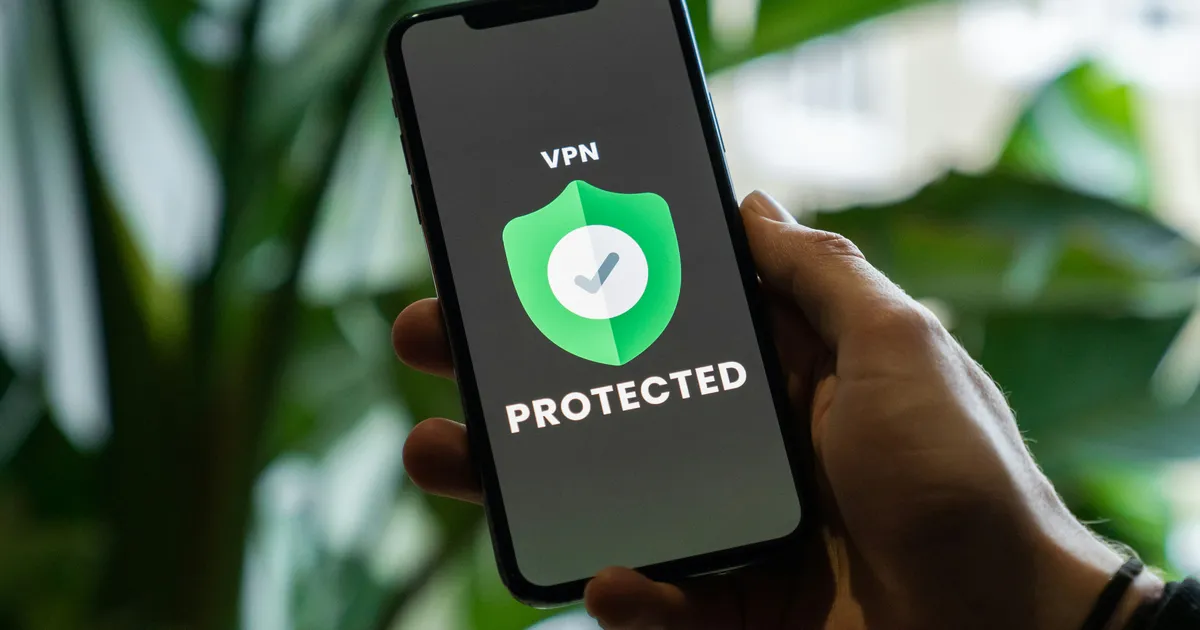
Even with a secure device, data remains vulnerable the moment it leaves the hardware and enters the public network infrastructure. Advanced smartphone privacy protection methods must include the implementation of encrypted network protocols that go beyond standard Virtual Private Networks (VPNs). Utilizing “Oblivious DNS-over-HTTPS” (ODoH) is a sophisticated technique that prevents Internet Service Providers (ISPs) from seeing which websites a user is visiting. By separating the IP address from the DNS query, ODoH ensures that no single entity in the network chain has a complete picture of the user’s browsing activity. This layer of obfuscation is crucial for maintaining anonymity in an age where network metadata is frequently sold to the highest bidder or accessed by government agencies without warrants.
Furthermore, the integration of Tor-based routing at the system level provides an additional shield against traffic analysis and deanonymization. While traditional VPNs provide a single encrypted tunnel, routing traffic through the Onion Router network distributes data across multiple globally dispersed nodes, making it nearly impossible to trace the origin of the request. In 2026, mobile hardware has become powerful enough to handle the overhead of these protocols without significant performance degradation. This network-level hardening is particularly effective against “Stingray” devices or IMSI catchers, which are used to intercept cellular traffic. By ensuring all outbound data is encrypted and routed through non-linear paths, users can navigate both cellular and public Wi-Fi networks with a high degree of confidence in their communications privacy.
Implementing Private DNS Protocols
To implement these network protections, users should navigate to their device’s advanced connection settings and manually configure a Private DNS provider. Rather than relying on the default DNS provided by the carrier, selecting a provider that supports TLS encryption ensures that every lookup request is shielded from prying eyes. Many privacy advocates suggest using providers that maintain a strict “no-logs” policy and are based in jurisdictions with strong data protection laws. This simple yet effective step prevents the hijacking of DNS requests and protects against common man-in-the-middle attacks that target mobile users in public spaces. Combining this with a firewall that blocks all non-encrypted traffic creates a formidable barrier against network-level surveillance and data exfiltration attempts.
Sandboxing and Virtualized Environments
Application sandboxing is a cornerstone of modern mobile security, but advanced users can take this concept further through virtualization and isolated profiles. By leveraging “Work Profiles” or specialized apps like Shelter and Insular, users can create a digital wall between invasive social media apps and their personal data. This virtualization ensures that an app like Facebook or LinkedIn cannot access the contacts, photos, or files stored in the primary user profile. In 2026, this method has become the gold standard for managing “necessary evils”—apps that a user must have for professional reasons but does not trust with their personal information. Each sandbox acts as a container, providing the app with a fake or empty set of system resources to satisfy its permission requests.
Moreover, advanced smartphone privacy protection methods involve the use of “disposable” or “volatile” environments for high-risk activities. Some hardened operating systems allow users to create temporary guest profiles that are completely wiped upon logout, leaving no trace of the session’s data on the device’s internal storage. This is particularly useful for sensitive web browsing or accessing financial portals while traveling. By treating applications as untrusted entities and confining them to strictly defined virtual boundaries, the risk of cross-app tracking is virtually eliminated. This architectural approach shifts the burden of privacy from the user’s behavior to the system’s design, ensuring that even if an app is malicious, its reach is limited to the empty container in which it resides.
Advanced Biometrics and Zero-Knowledge Backups
As biometric authentication becomes ubiquitous, the privacy implications of storing such unique identifiers become more pronounced. Advanced protection methods involve the use of “Local-Only” biometric processing, where the data never touches the cloud. Users should verify that their device utilizes a hardware-backed keystore that requires physical presence or a secondary PIN for high-stakes actions, such as authorizing a wire transfer or accessing a password manager. In 2026, the threat of “deepfake” biometric bypasses has led to the development of “liveness detection” sensors that ensure the biometric data is coming from a living person rather than a high-resolution image or synthetic recreation. This adds a layer of physical security that complements software encryption.
Equally important is the transition to zero-knowledge cloud backups for all mobile data. Standard cloud services often hold the decryption keys to user backups, meaning they can be compelled to hand over data to law enforcement or may lose it in a data breach. Advanced smartphone privacy protection methods prioritize services where the encryption key is derived solely from the user’s master password and is never transmitted to the server. According to the Electronic Frontier Foundation (EFF), this “end-to-end” encryption model is the only way to ensure that cloud-stored data remains private. By managing their own keys, users ensure that their photos, messages, and documents remain unreadable to everyone, including the service provider, thereby maintaining total control over their digital legacy across all platforms.
Privacy-First Application Management and Auditing
The final pillar of a sophisticated privacy strategy is the rigorous auditing of installed applications and their background behaviors. Users should employ tools that monitor “outgoing connections” in real-time, identifying apps that attempt to communicate with known tracking domains or telemetry servers. In 2026, many privacy-conscious users utilize system-wide ad-blockers and trackers that operate at the VPN level (without needing an actual VPN server) to nullify these requests before they leave the device. Regularly reviewing app permissions is no longer enough; one must also look at “App Privacy Reports” to see how often an application accesses the microphone or location during the night. This level of scrutiny helps identify “leaky” apps that may be harvesting data in the background.
Furthermore, the use of “Foss” (Free and Open Source Software) should be prioritized whenever possible. Open-source applications allow for community auditing, ensuring that no hidden tracking code exists within the software. Advanced smartphone privacy protection methods also suggest using “Web Apps” (PWAs) instead of native applications for services that don’t require deep system integration. Web apps run within the browser’s sandbox, which is generally more restrictive and privacy-oriented than a native app’s environment. By reducing the number of native apps and strictly controlling the environment of those that remain, users significantly shrink their attack surface. This disciplined approach to app management ensures that the device remains a tool for the user, rather than a tracking beacon for third-party corporations.
Key Takeaways
- Hardware Autonomy: Utilize devices with physical kill switches for cameras and microphones to ensure absolute sensor privacy.
- OS Hardening: Transition to de-googled operating systems like GrapheneOS to eliminate persistent system-level telemetry.
- Network Obfuscation: Implement DNS-over-HTTPS and Tor-based routing to hide browsing habits from ISPs and network observers.
- Data Isolation: Use sandboxing and work profiles to prevent invasive apps from accessing personal data and contacts.
- Zero-Knowledge Standards: Ensure all cloud backups are end-to-end encrypted with keys held only by the user.
- Open Source Preference: Prioritize FOSS applications to ensure transparency and prevent the inclusion of hidden tracking modules.
Frequently Asked Questions
What is the most secure smartphone operating system in 2026?
GrapheneOS is widely considered the gold standard for mobile privacy and security. It offers advanced exploit mitigations, a hardened kernel, and a completely de-googled environment. It provides users with the ability to run sandboxed Google Play Services if necessary, allowing for app compatibility without compromising the integrity of the entire system’s data privacy.
Can a standard VPN protect me from all mobile tracking?
No, a VPN only hides your IP address and encrypts your traffic from your ISP. It does not stop apps from collecting data via on-device permissions, device identifiers (like IMEI), or browser fingerprinting. Advanced smartphone privacy protection methods require a multi-layered approach that includes app sandboxing and the use of privacy-respecting hardware to be truly effective.
Are physical kill switches really better than software toggles?
Yes, physical kill switches are superior because they physically break the electrical circuit to the component. Software toggles can be manipulated by high-level malware or OS-level vulnerabilities, giving the illusion of privacy while the sensor remains active. Physical switches provide a “hard” guarantee that is not dependent on the software’s integrity.
How does DNS-over-HTTPS improve my mobile privacy?
DNS-over-HTTPS (DoH) encrypts your DNS queries, which are the requests your phone makes to turn a website name into an IP address. Without DoH, these requests are sent in plain text, allowing your ISP or anyone on the network to see every site you visit. Encrypting this traffic prevents “DNS hijacking” and keeps your browsing history private from network-level snooping.
Is it possible to use a smartphone without a Google or Apple ID?
Yes, by using a hardened AOSP-based operating system, you can operate a smartphone without any centralized account. You can install apps via anonymous stores like F-Droid or Aurora Store. This prevents the manufacturer from linking your device usage, location history, and app downloads to a single, persistent identity, which is a core tenet of advanced privacy.
Conclusion
Achieving a high level of digital anonymity requires a commitment to adopting advanced smartphone privacy protection methods that span hardware, software, and network configurations. While the convenience of mainstream devices is tempting, the hidden cost is often the total loss of personal privacy. By 2026, the tools available to protect one’s data have become more accessible, yet they require a disciplined approach to implementation. Taking control of your encryption keys, isolating untrusted applications, and securing your network traffic are not just technical hurdles; they are essential acts of self-defense in a hyper-connected world. Ultimately, the goal is to transform your smartphone from a surveillance tool into a secure communication device that respects your boundaries and protects your most sensitive information from all external threats.